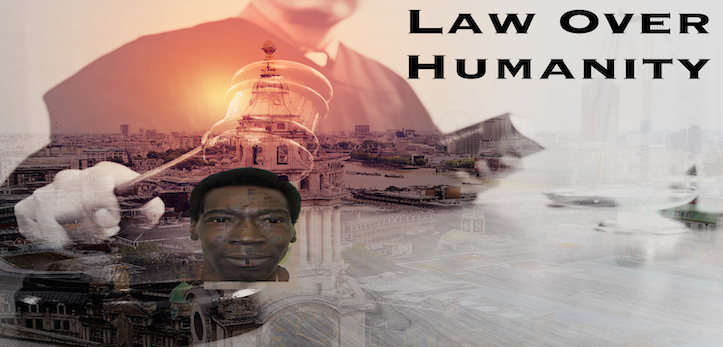
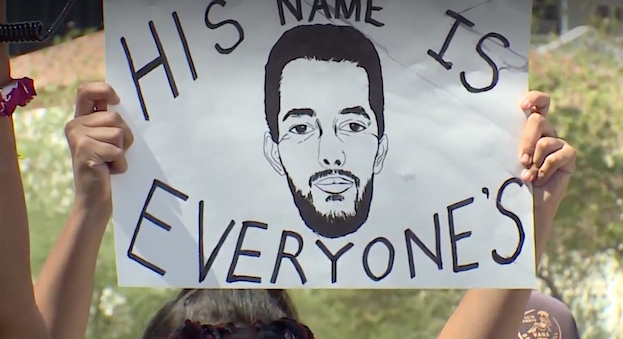
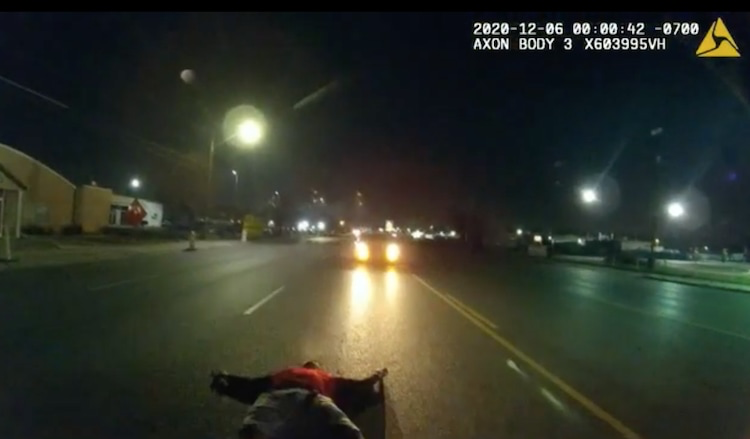
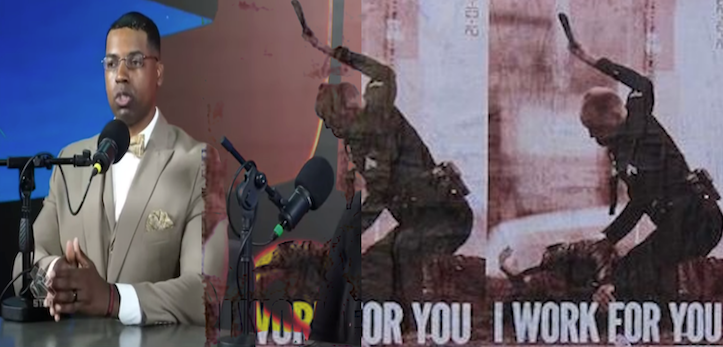
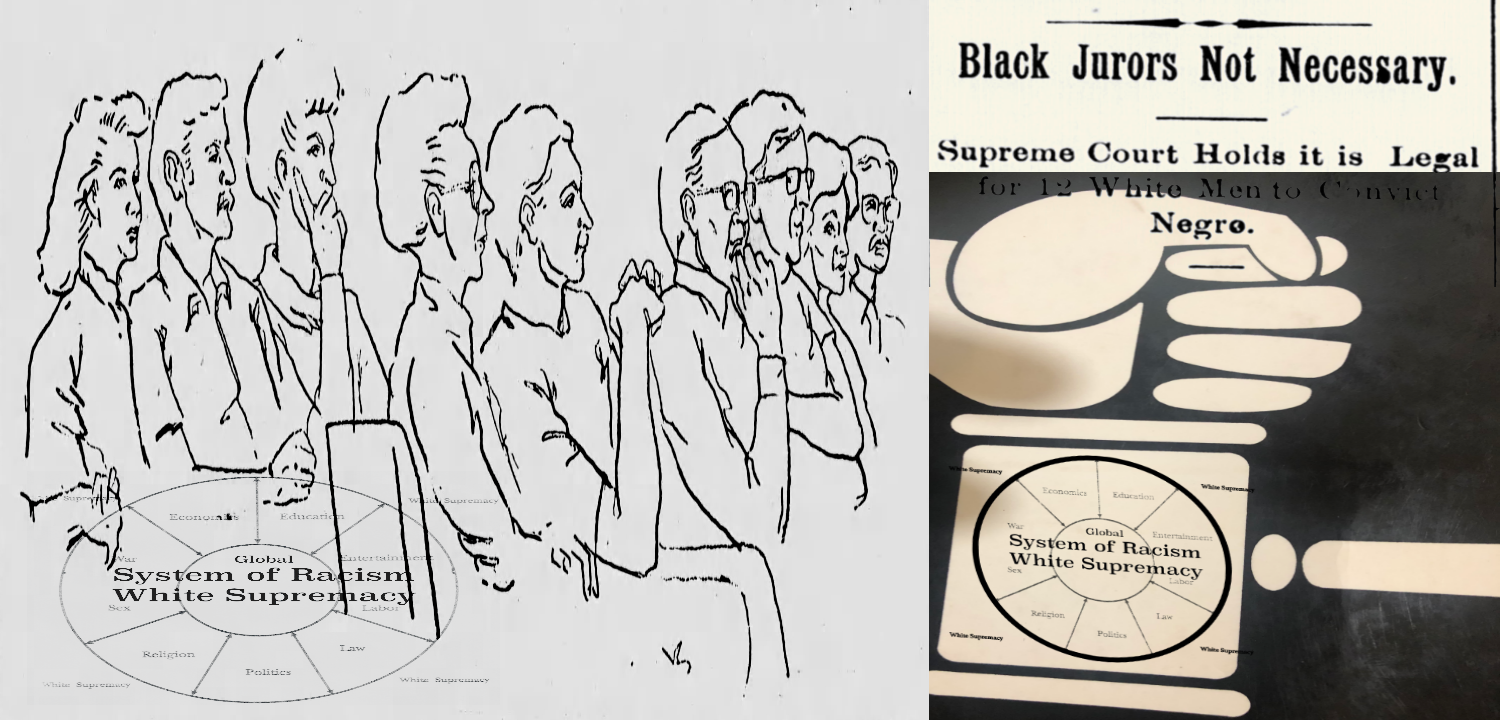
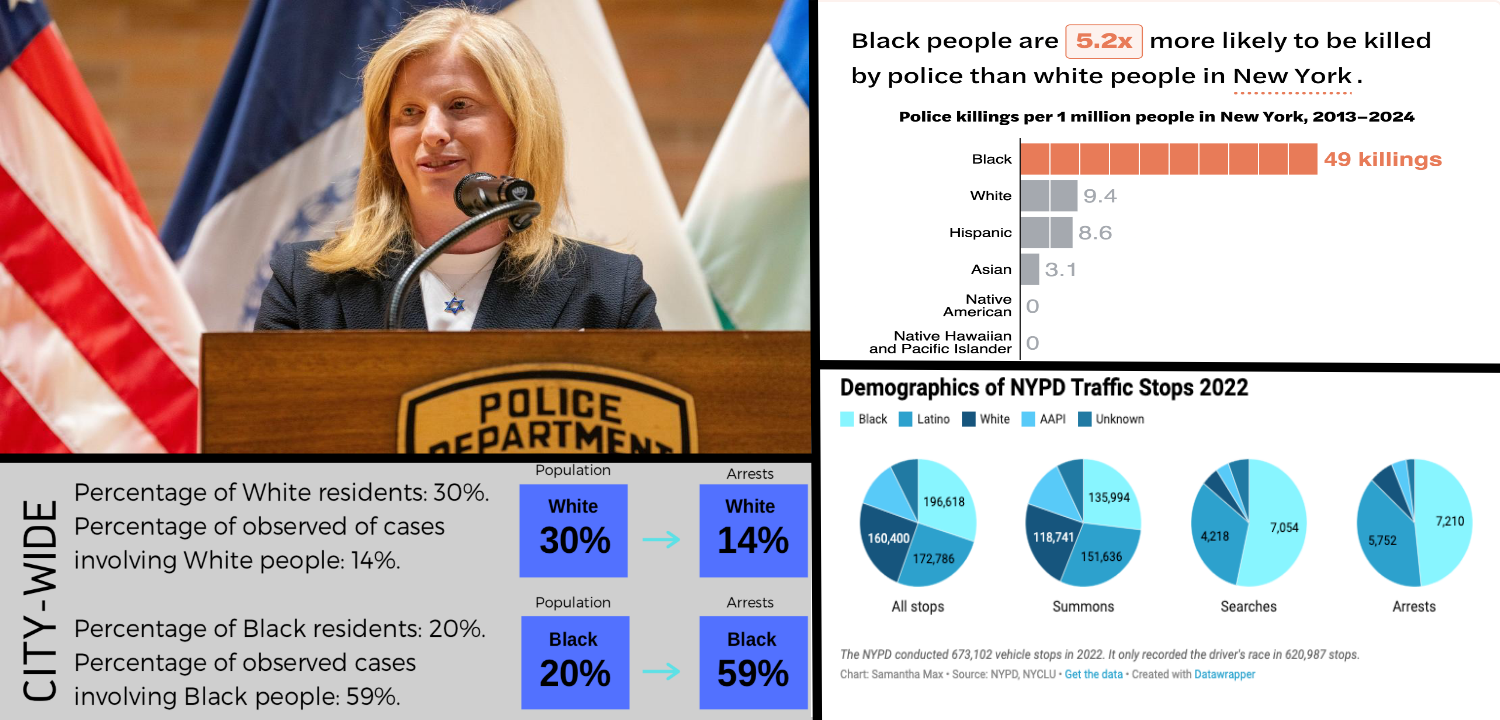
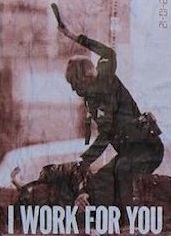
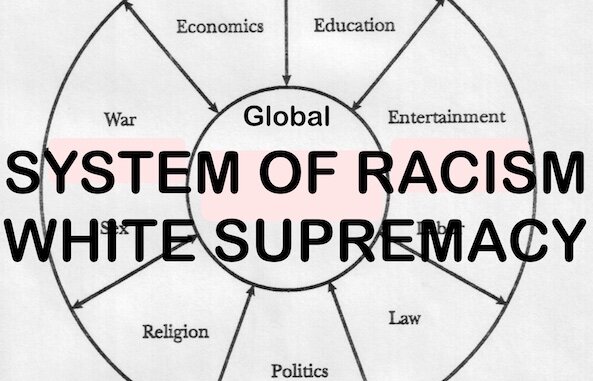
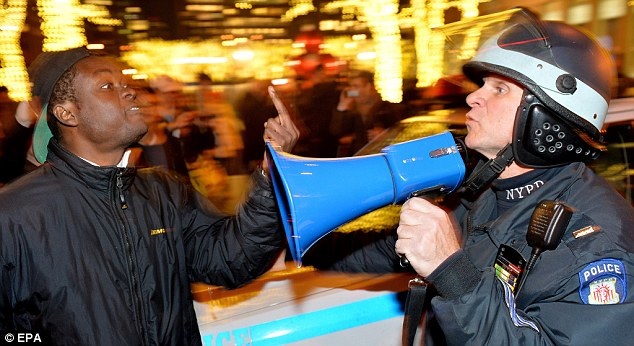
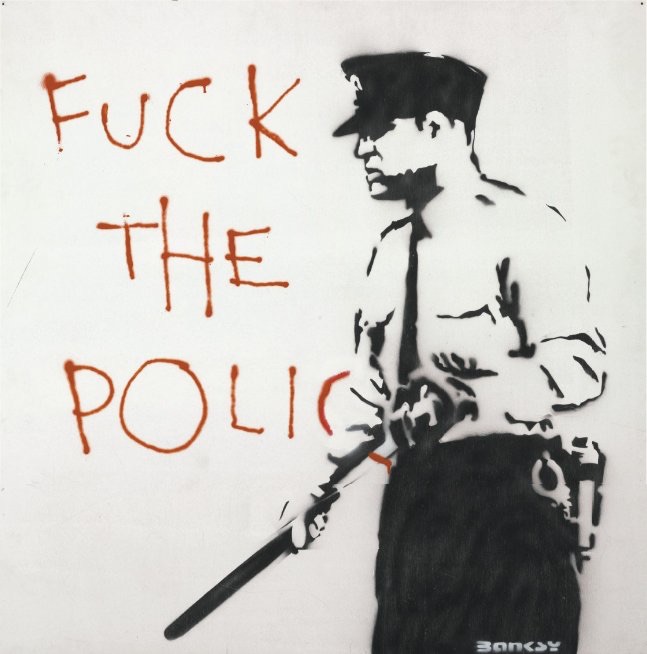
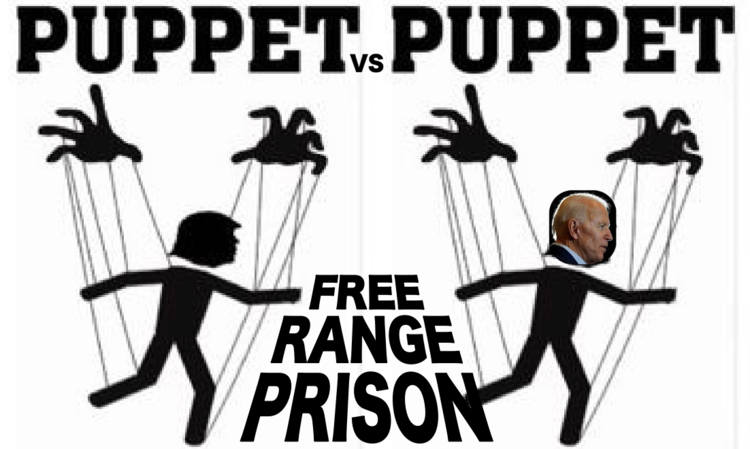
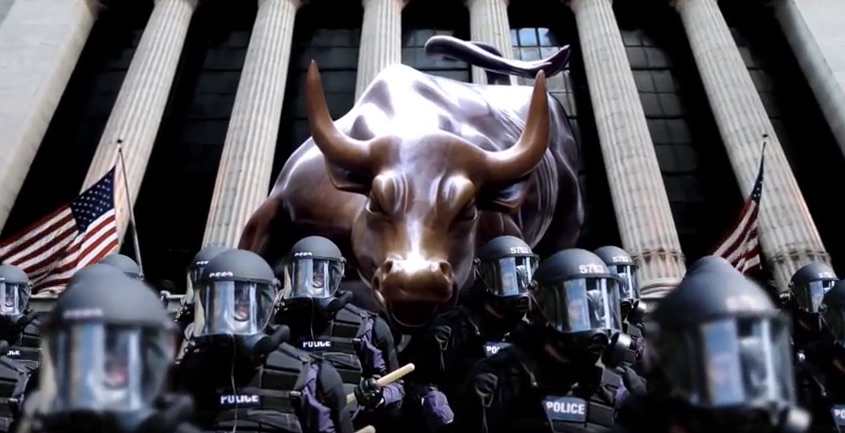
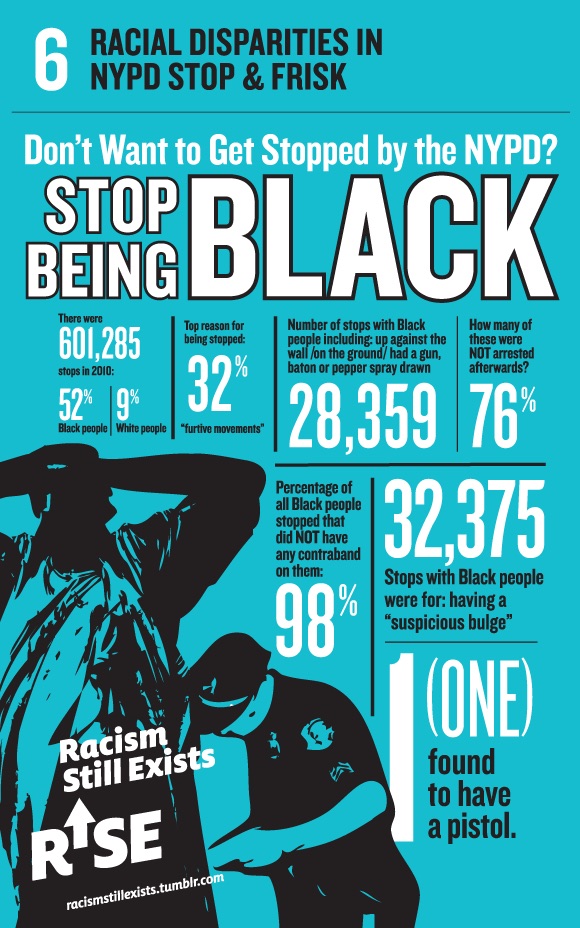
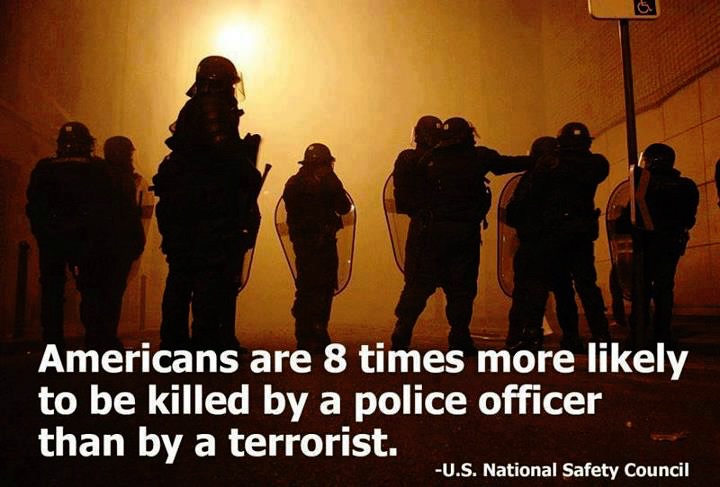
AUTHORITY IS THE REAL PROBLEM. While Rizza Islam may be correct that some cops are drugged up, the real impairment affecting police officers in their interaction with people is “authority.” Nothing can ever change with regard to police brutality or the police murders of Black people so long as police possess the power to use force offensively on “citizens.” Petitioning puppeticians to defund or lower police department budgets or even “reforming the law on police use of deadly force” to make an officer’s claim of justifiable force the same as a civilian-defendant's claim of self-defense, would still have minimal effect on the extraordinary police power to use force offensively on citizens.
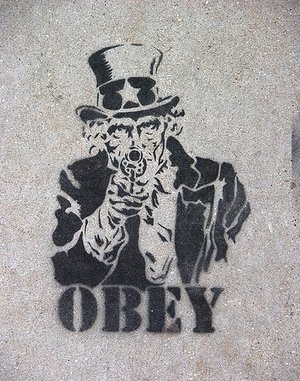
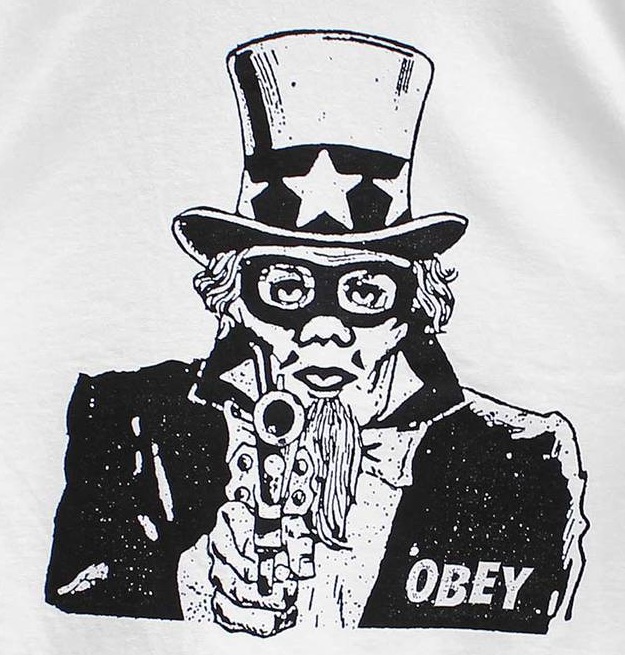
Political “authority” is the idea that government and its representatives have the legal and moral right to forcibly control people, and that, consequently, people have the moral and legal obligation to obey.’ In short, authority is the right to command and correlatively the right to be obeyed. It is the implied right to rule people. As representatives of authority, police officers are empowered to use force offensively to enforce laws against citizens who are correspondingly legally and morally obliged to obey authority on a content neutral basis (whether they agree or not).
Although we all know that an unwanted offensive touching by another person is wrong and that physical force used offensively on people against their will is immoral and evil, nevertheless, when such conduct is done by government agents they are exempt from rules of morality and legality due to the concept of “political authority.” As Michael Huemer explained, “acts that would be considered unjust or morally unacceptable when performed by non-governmental agents will often be considered perfectly all right, even praiseworthy, when performed by government agents” because they are believed to possess “authority.” Authority is the hypothesized moral property that 1) enables governments to use physical coercion (here meaning violence) in ways not permitted by citizens and 2) legally obliges citizens to obey government agents, rules and orders under the threat of physical harm (coercion). Where a government legitimately has “authority” it thus has the implied right to rule over people in a particular place or jurisdiction.
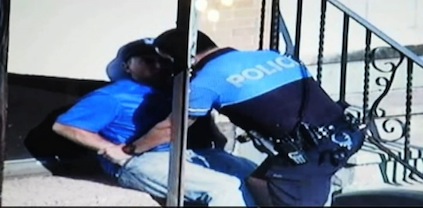
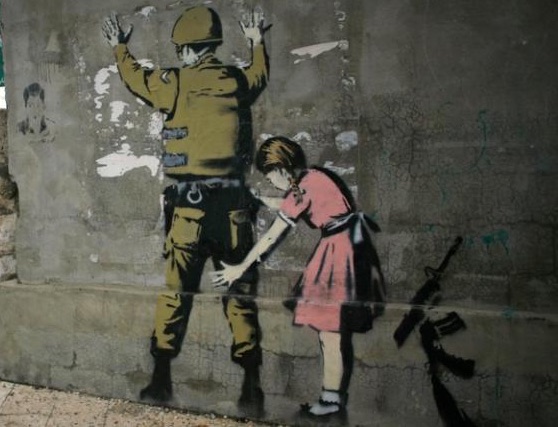
To be clear, all persons have the natural, inalienable right to defend themselves and come to the defense of others if they believe another person is in imminent danger from an aggressor. Private security guards work under this natural law of self-defense. In contrast though, police officers and other representatives of authority have the additional “power” to act offensively as aggressors - to initiate unprovoked acts of violence against people whenever they deem it necessary to enforce law. As such, police are permitted to engage in conduct that “citizens” can never lawfully do, such as; stop individuals, touch them against their will, attack (make arrests) people, kill people, interfere with their freedoms in many ways (search interrogate, order etc), kidnap people (that is, ‘detain and transport’) or imprison them because higher authorities have empowered them to do so.
It is non-controversial to say that the legal system is entirely based on physical coercion or the use of physical force. “Laws” are threats backed by the ability and willingness of the government to use violence/force against those who disobey. Nearly all laws carry some punishment such as jail or a fine and all government orders carry some enforcement mechanism. Huemer explains ‘the legal system is anchored by a non-voluntary intervention, a harm that the state can impose regardless of the individual’s choices.’ An individual is perhaps “free” to; disobey a law, decline to pay a fine or ignore a command by police. But if the government chooses to enforce the law or its command, compliance is made mandatory by force – even if it means physically taking the money from the offender’s account or physically carrying him to the jail and dragging him to a cell. With regard to all governments worldwide who are believed to legitimately possess authority, regardless of type, function or characterization, said authority makes government the supreme authority over human affairs.
The problem, however, is that “authority” has no legitimate basis and rational basis to account for its existence; it is a granfalloon.
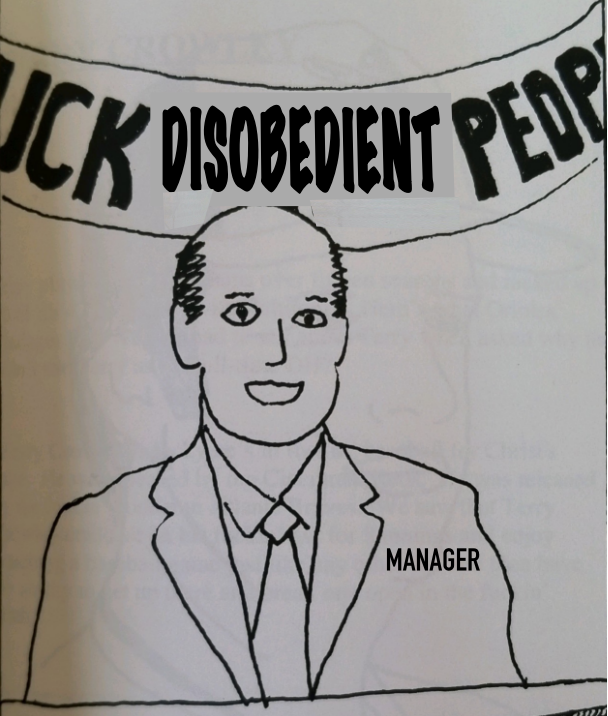
We are taught from birth that all governmental power purportedly comes from the people. That is, citizens delegate their individual power to the government for it to act on our behalf. The government is said to represent our collective will. However, individuals cannot delegate powers or rights that they do not individually possess to the government. Government is said to work much in the same way that an agent represents a principal in all kinds of business or other contractual relationships. For instance, a manager at McDonalds represents the franchise owner when she carries out his everyday business requests, like ordering inventory and hiring workers, etc. She is the agent and the owner is the principal who empowers and directs her work. Naturally, an agent only can possess whatever powers the principal gave to her. For instance, the McDonalds manager would not have the authority to sell the owner’s store unless the owner granted her such power. Similarly, the McDonalds manager could not have the power to do things that the franchise owner himself does not have the power to do - such as change the McDonalds logo to a black panther or use another business’ parking lot for its storage without the other businesses’ permission. An agent cannot have more power than the principal because all his/her power necessarily originated from the principal.
While individuals have the inalienable right to act in self-defense or to come to the defense of others, individuals do not have a right to initiate unprovoked acts of violence (use force offensively) on people and do not have a right to forcibly control other people. As explained, citizens cannot delegate rights they don’t have. As such, it is impossible for citizens to delegate to the government the power to use force offensively and the power to forcibly control other people. The government could not and did not derive its power to rule over people from individuals. Even if an individual voluntarily agreed to allow the government to use force offensively on him and be subject to its rulership, such an agreement would not empower the government to do the same to other people and similarly forcibly control them. Nevertheless, the government has somehow granted itself the power to do things that no individual citizen could ever do – rule or govern over people and forcibly control them to enforce laws that people are legally obligated to obey. Spooner explained,
“it is impossible that a government should have any rights, except such as the individuals composing it had previously had, as individuals. They could not delegate to a government any rights which they did not themselves possess. They could not contribute to the government any rights, except such as they themselves possessed as individuals.”
Due to the fact that people simply cannot delegate power they do not have to the government, authority has no legitimate and no rational basis for its existence. Other explanations for authority such as “social contract theory,” implicit agreement, agreement by accepting benefits or services, consent by presence and consent by voting have been thoroughly debunked elsewhere and should be examined.
Consequently, authority is nothing more than a mere “belief” in people’s minds. Government has so-called authority over us because we believe that it does and said belief is used to control the populace. Born into this involuntary arrangement, most people assume that government authority is legitimate. Therefore, it is simply an unquestioned, implied belief or a “consensus reality” created and maintained by powerful persons.
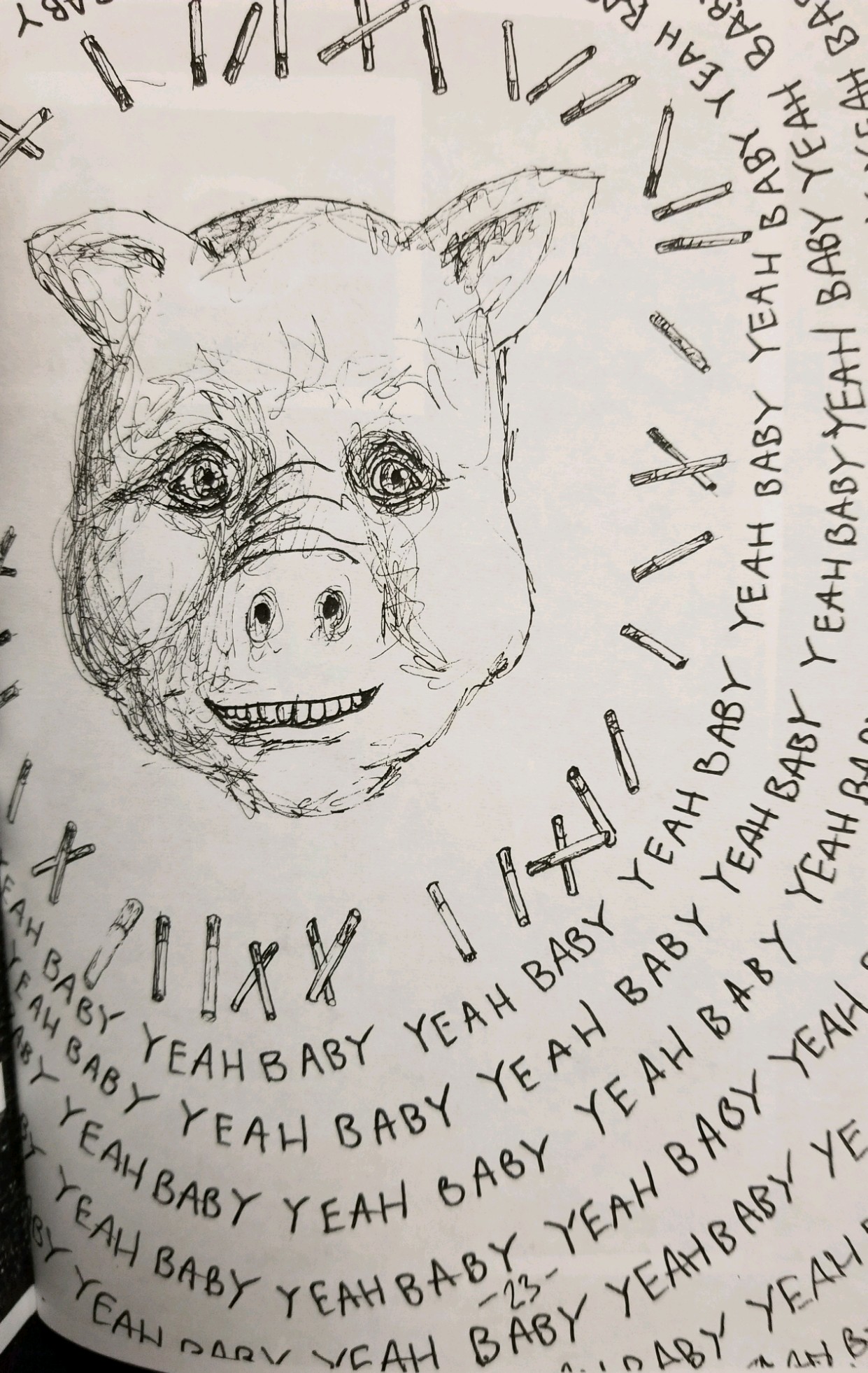
Here (since we are discussing law enforcement), the police officer’s powers to use force offensively on people and to be exempt from morality or punishment when doing so are necessarily not legitimate. Acts that would be considered unjust or morally unacceptable when performed by “citizens” are just as unjust or morally unacceptable when performed by government agents. Putting your hands on another human being, not in self-defense but offensively, without their consent and ‘manipulating their body in disregard of their volition is evil,’ whether its done by citizens or representatives of “authority” wearing blue costumes. All force used offensively is excessive and unreasonable; no man has a right to rule over another. As Larken Rose explains, “authority is the permission to commit evil – to do things that would be recognized as immoral and unjustified if anyone else did them.” That is, it is permission so long as we believe in authority.
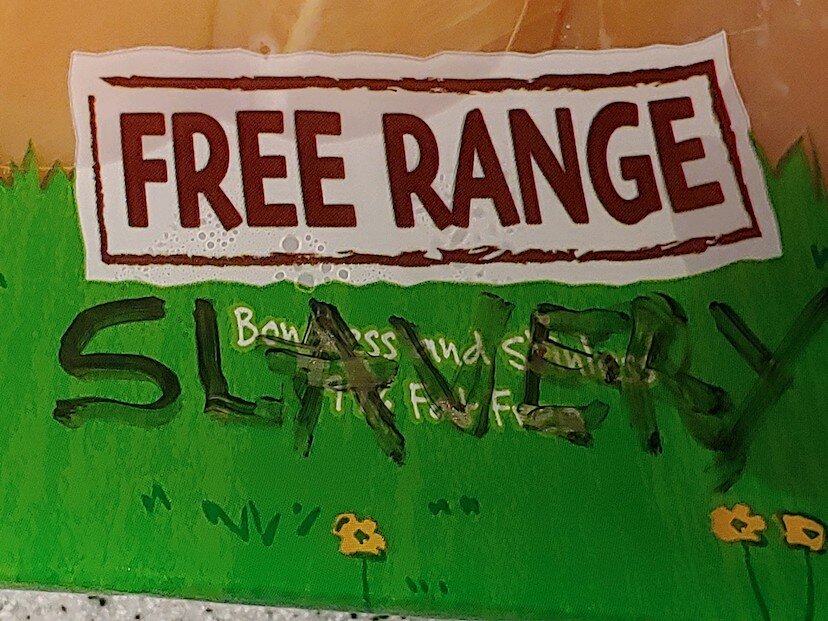
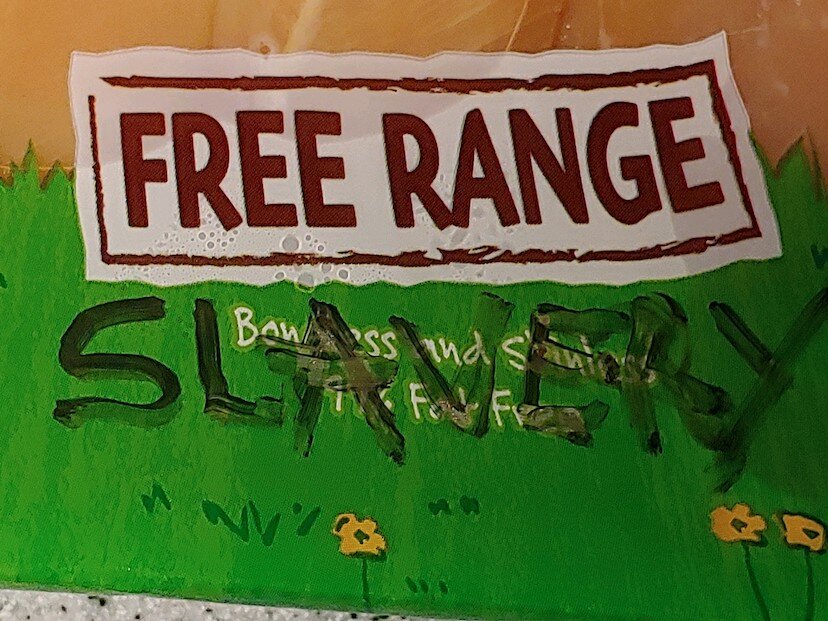
In reality, authority is a form of slavery. All who believe in authority are willing slaves.
Far worse than cops impaired by drugs, incompetence or racism, no reform can account for authority. The best cop in the “jurisdiction” still has illegitimate power to rule over you over based on his discretion and his discretion can only be overruled by another, higher authority. Similarly, the best judge or lawmaker still has illegitimate power to decide whether you have rights or to turn them on and off like a light switch. If another person is uncontrollable by you, unaccountable to you, can’t be hired or fired by you, has irresponsible power over you and provides a mandatory “service,” then he is actually your Master. Lysander Spooner explained, “It is of no importance that I appointed him, and put all power in his hands. If I made him uncontrollable by me, and irresponsible to me, he is no longer my servant, agent, attorney, or representative. If I gave him absolute, irresponsible power over my property, I gave him the property. If I gave him absolute, irresponsible power over myself, I made him my master, and gave myself to him as a slave. And it is of no importance whether I called him master or servant, agent or owner.”
In other words, the government has no legitimate right to rule over people in the first place. Authority is a “cartoon” or an “image of law” because it is not real. Larken Rose explains, “people cannot delegate rights they do not have, which makes it impossible for anyone to acquire the right to rule. ‘People cannot alter morality, which makes the “laws” of “government” devoid of any inherent “authority.” Ergo, “authority”-the right to rule-cannot logically exist. The concept itself is self-contradictory, like the concept of a “militant pacifist.” A human being cannot have superhuman rights, and therefore no one can have the inherent right to rule.’ [MORE]
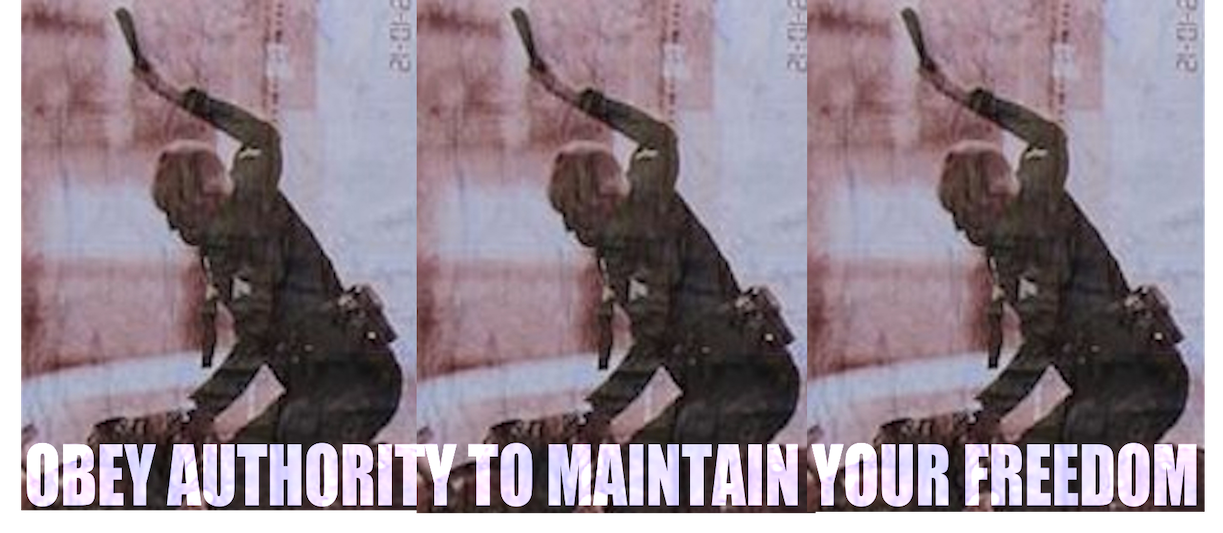
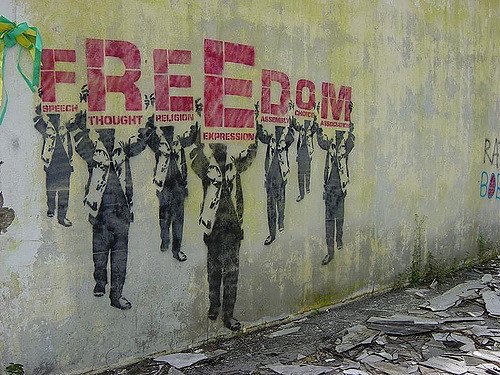
THE FUNKTIONARY explains that there is no freedom in the presence of so-called authority. Jeremy Locke further states, “The lie of tyranny is that you will maintain the freedom of life by obeying authority. The choices it offers you are a lifetime of obedience or death.“ Larken Rose states, “the belief in “authority,” which includes all belief in “government,” is irrational and self-contradictory; it is contrary to civilization and morality, and constitutes the most dangerous, destructive superstition that has ever existed. Rather than being a force for order and justice, the belief in “authority” is the arch-enemy of humanity.”