Black Man’s Lawsuit Claims Baltimore Cops Shot Him for No Reason, Planted Evidence and the DA Falsely Subjected Him to 4 Unsuccessful Murder Trials
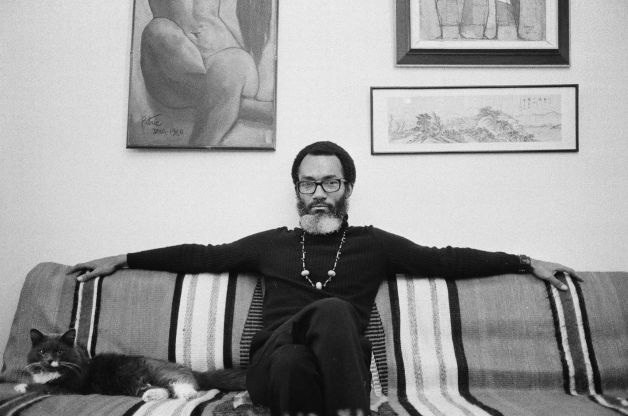
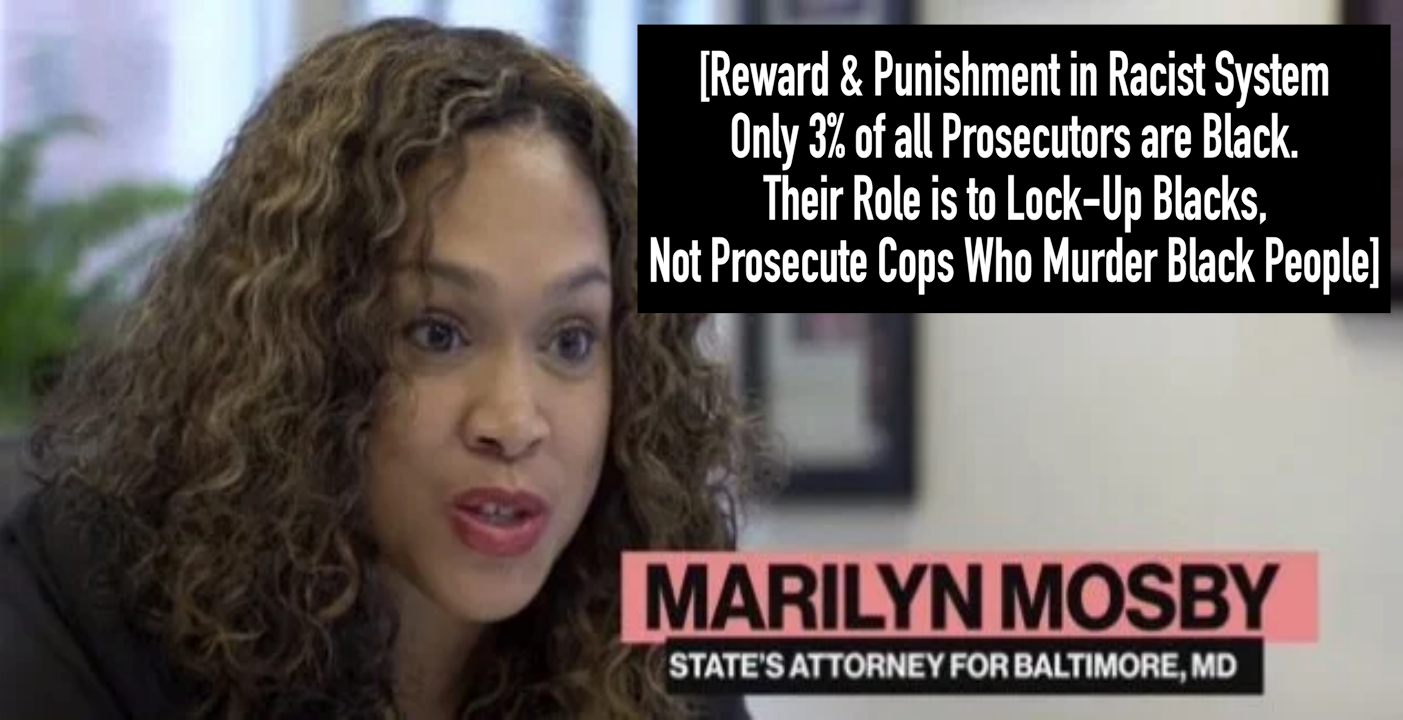
/From [HERE] Keith Davis Jr., a man who stood trial four times for a deadly shooting that he always maintained that he did not commit, has sued former Baltimore State’s Attorney Marilyn Mosby and some of the police officers involved in his case.
Davis and his wife, Kelly, filed a lawsuit on Monday in Baltimore Circuit Court alleging that police shot him multiple times without legal justification and then conspired to plant evidence to cover it up. The complaint further asserts that the state’s attorney maliciously prosecuted and defamed him.
The lawsuit contains 12 counts, including fabrication of evidence, excessive force and false arrest.
Baltimore Police Officer Lane Eskins, former Officer Catherine Filippou, former Police Commissioner Anthony Batts and the city are also named as defendants.
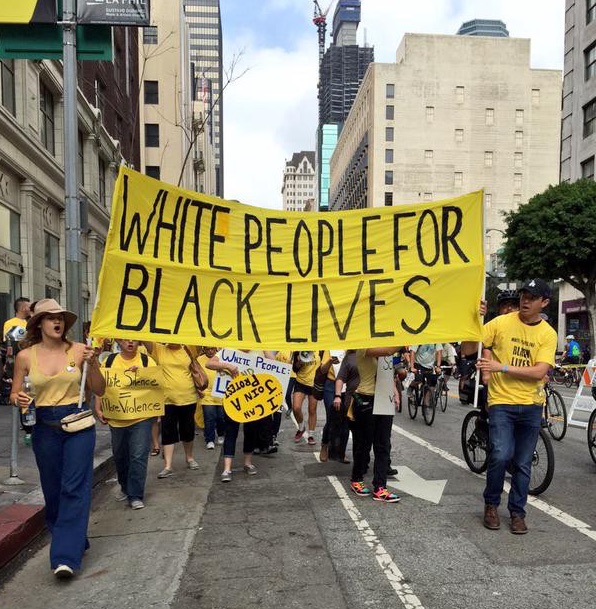
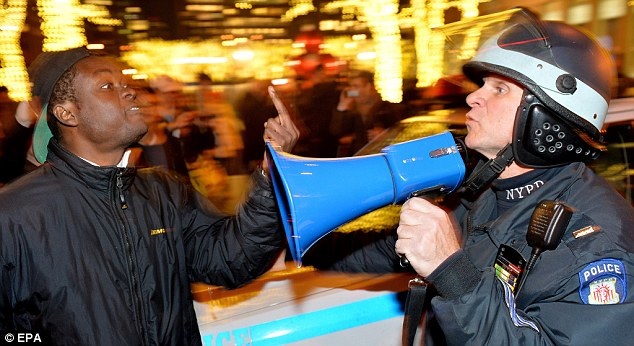
The case galvanized people in the community to action. Kelly Davis and DeRay Mckesson, a civil rights activist in Baltimore, spearheaded a campaign that involved protests, billboards and posts on social media that featured the hashtag #FreeKeithDavisJr.
Keith Davis has always professed his innocence in the killing of Kevin Jones, 22, a security guard at Pimlico Race Course who was fatally shot before 5 a.m. on June 7, 2015.
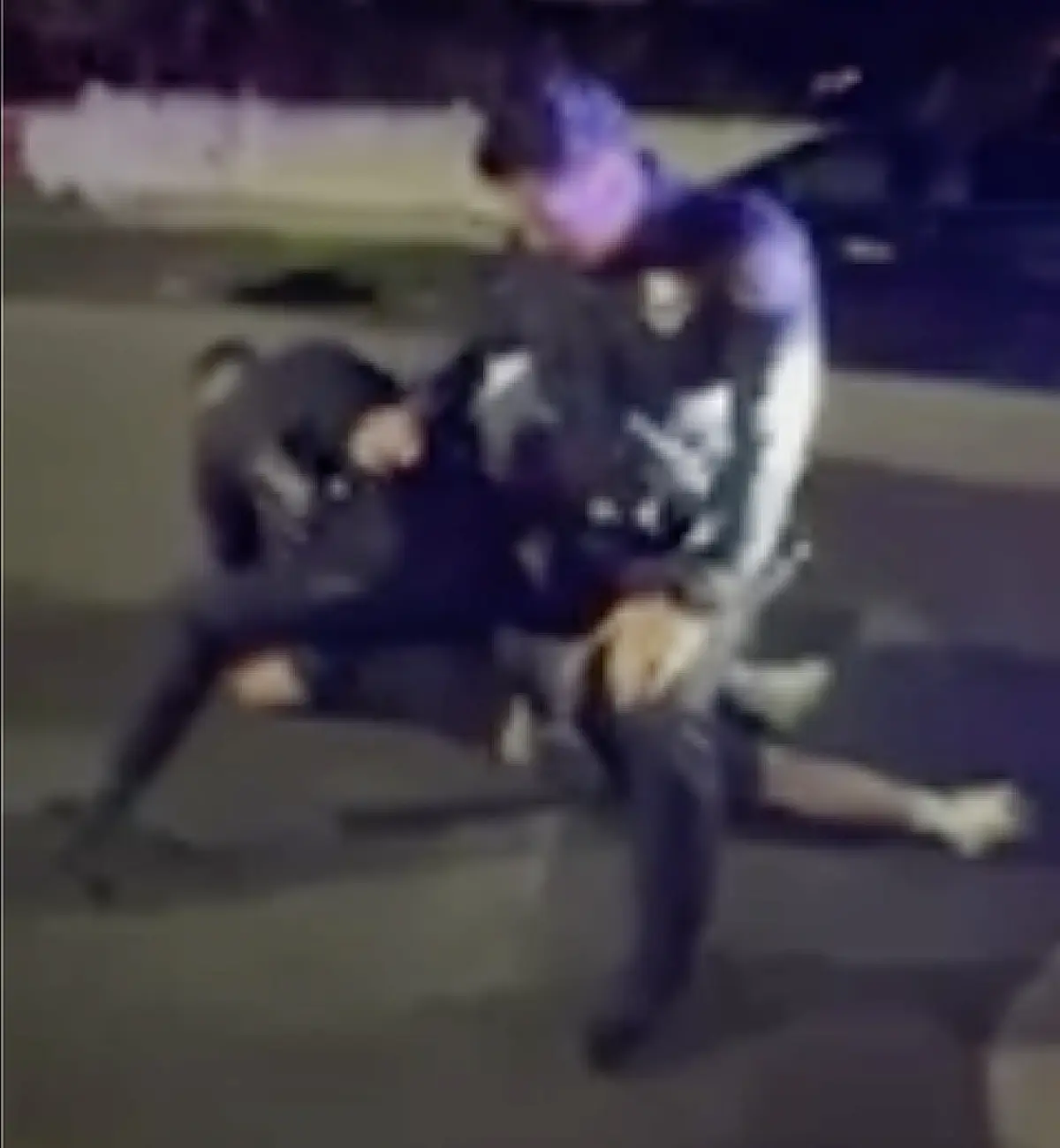
Police were investigating the attempted robbery of a hack driver several hours later and chased Davis into a mechanic’s garage on Eleanora Avenue near Hayward Avenue in Northwest Baltimore. Officers fired dozens of shots and hit him three times.
In 2016, Davis was found not guilty of all charges except for one count of being a felon in possession of a firearm.
From the beginning, Davis claimed that law enforcement planted a handgun near him. He was the first person police shot in Baltimore after the death of Freddie Gray, a 25-year-old Black man who died of injuries he sustained in police custody.
One week after his almost-total acquittal, Davis was charged with first-degree murder and related offenses.
Twice, a jury could not reach a unanimous verdict. Courts on two other occasions overturned convictions. [MORE]