Were MLK’s Coercive Tactics Really Non-Violent? What is Violence if No Government is Legitimate in the first place and “Authority” is nothing more than a belief in people’s minds?
/
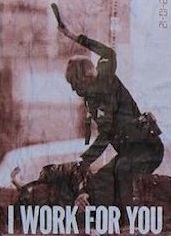
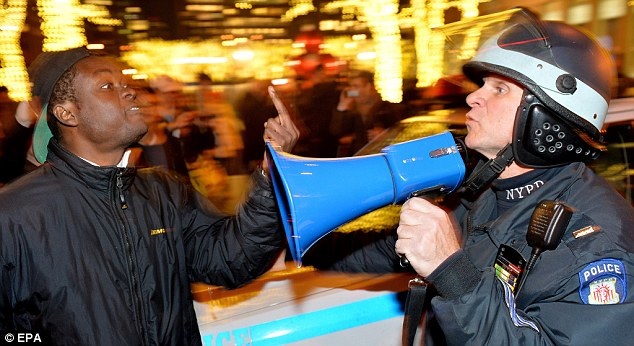
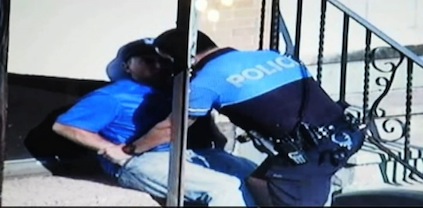
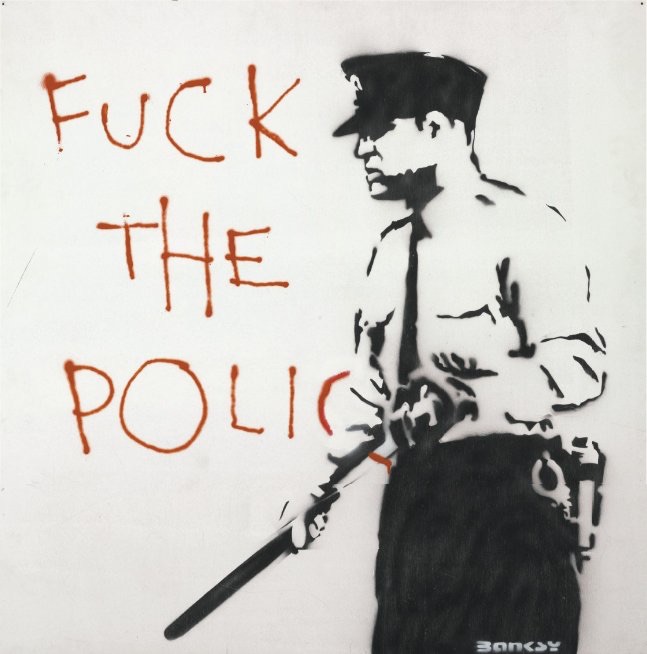
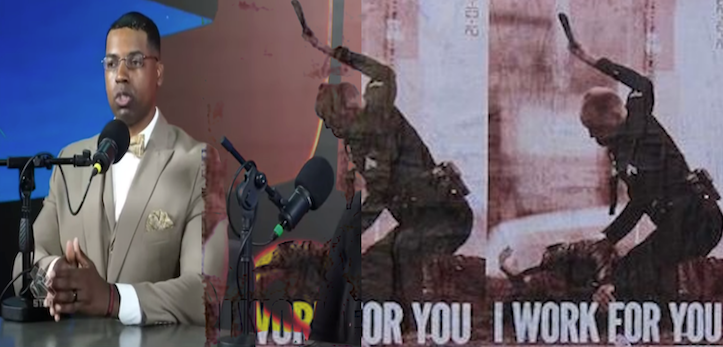
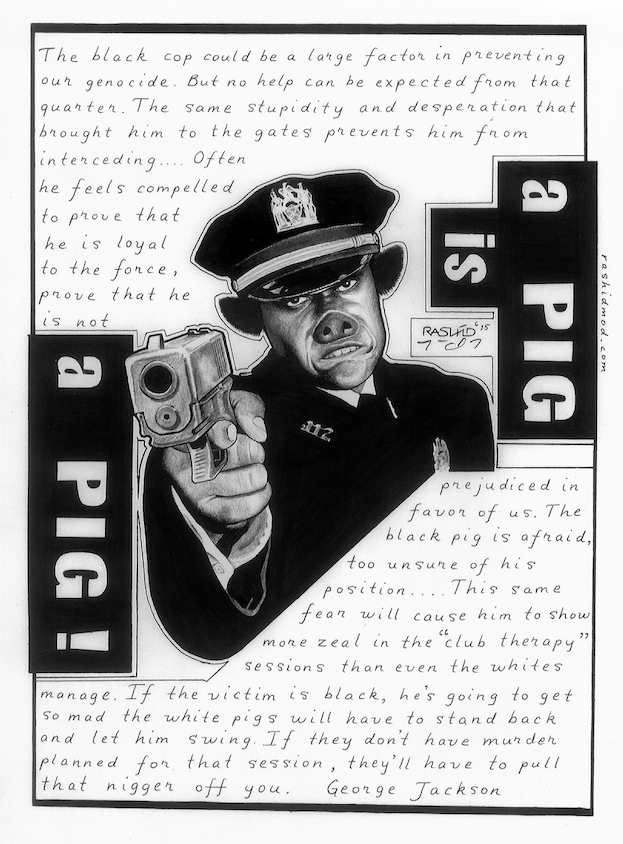
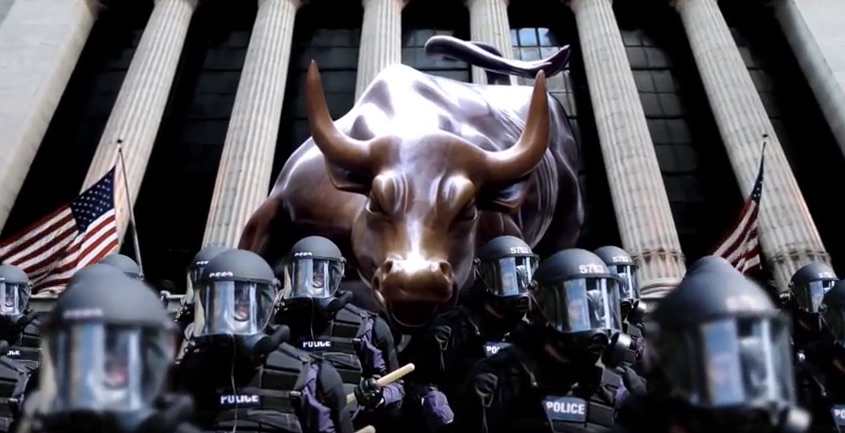
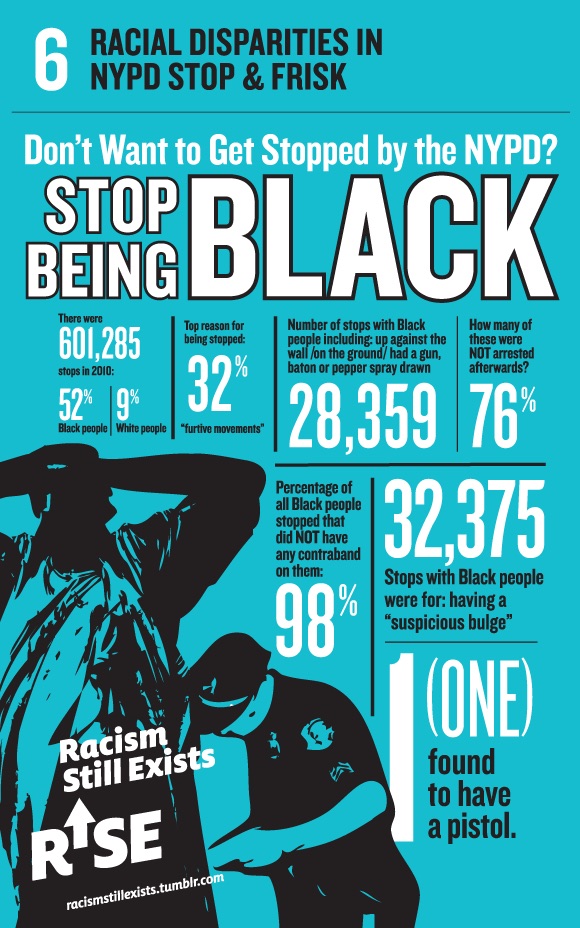
We come, finally, to the concept of violence. Strictly speaking, violence is the illegitimate or unauthorized use of force to effect decisions against the will or desire of others. Thus, murder is an act of violence, but capital punishment by a legitimate state is not; theft or extortion is violent, but the collection of taxes by a legitimate state is not. Clearly, on this interpretation the concept of violence is normative as well as descriptive, for it involves an implicit appeal to the principle of de jure legitimate authority. There is an associated sense of the term which is purely descriptive, relying on the descriptive notion of de facto authority. Violence in this latter sense is the use of force in ways that are proscribed or unauthorized by those who are generally accepted as the legitimate authorities in the territory. Descriptively speaking, the attack on Hitler's life during the second World War was an act of violence, but one might perfectly well deny that it was violent in the strict sense, on the grounds that Hitler's regime was illegitimate. On similar grounds, it is frequently said that police behavior toward workers or ghetto dwellers or demonstrators is violent even when it is clearly within the law, for the authority issuing the law is illegitimate.
It is common, but I think wrong-headed, to restrict the term Violence' to uses of force that involve bodily interference or the direct infliction of physical injury. Carrying a dean out of his office is said to be violent, but not seizing his office when he is absent and locking him out. Physically tearing a man's wallet from his pocket is "violent," but swindling him out of the same amount of money is not. There is a natural enough basis for this distinction. Most of us value our lives and physical well-being above other goods that we enjoy, and we tend therefore to view attacks or threats on our person as different in kind from other sorts of harm we might suffer. Nevertheless, the distinction is not sufficiently sharp to be of any analytical use, and, as we shall see later, it usually serves the ideological purpose of ruling out, as immoral or politically illegitimate, the only instrument of power that is available to certain social classes, [607]
In its strict or normative sense, then, the concept of political violence depends upon the concept of de jure, or legitimate authority. If there is no such thing as legitimate political authority, then it is impossible to distinguish between legitimate and illegitimate uses of force. Now, of course, under any circumstances, we can distinguish between right and wrong, justified and unjustified, uses of force. Such a distinction belongs to moral philosophy in general, and our choice of the criteria by which we draw the distinction will depend on our theory of value and obligation. But the distinctive political concept of violence can be given a coherent meaning only by appeal to a doctrine of legitimate political authority.[MORE]