Nations Only Black Governor Wes Moore Vetoes Reparations bill, Continues Doing Little for Blacks, Promoting His Ongoing Smiling Face
/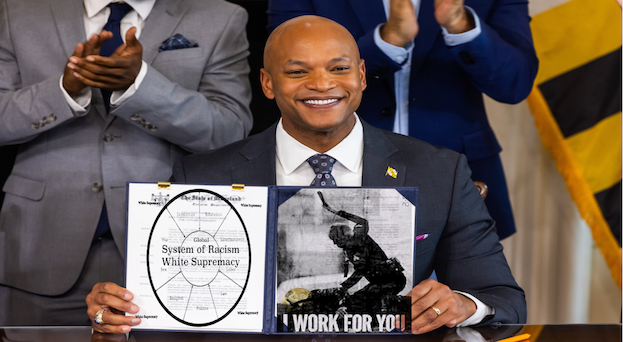
In May Gov. Wes Moore vetoed legislation that would have launched a two-year study into whether the state should provide reparations to Marylanders impacted by the state’s history of slavery and inequality.
The veto sparked immediate backlash from the state’s Legislative Black Caucus, which describes itself as the largest such group of legislators in the country and had forcefully fought for the bill in Annapolis this year.
“At a time when the White House and Congress are actively targeting Black communities, dismantling diversity initiatives, and using harmful coded language, Gov. Moore had a chance to show the country and the world that here in Maryland we boldly and courageously recognize our painful history and the urgent need to address it,” the caucus said in a statement. “Instead, the state’s first Black governor chose to block this historic legislation that would have moved the state toward directly repairing the harm of enslavement.”
Moore, who in addition to being Maryland’s first Black governor is also the only Black governor in the country, wrote in his veto letter that he supported the work of the bill’s proponents but he does not believe it’s the right “time for another study.”
“I will always protect and defend the full history of African Americans in our state and country,” Moore wrote. “But in light of the many important studies that have taken place on this issue over nearly three decades, now is the time to focus on the work itself: Narrowing the racial wealth gap, expanding homeownership, uplifting entrepreneurs of color, and closing the foundational disparities that lead to inequality — from food insecurity to education. These are the issues I fought for even before I was sworn into office, and they are the priorities our administration will continue to address, with increased focus and intentionality.”
The reparations commission bill — known as Senate Bill 587 in the legislative session that ended in April — was among 23 vetoes Moore issued late Friday. They include rejections of other bills to study high-profile and potentially financially impactful topics, like one that was set to analyze the possibility of major fossil fuel-emitting companies paying penalties for their emissions, or researching the economic impacts of data center developments in the state.
The reparations legislation had been one of the most high-profile bills of the 90-day session that ended last month. [MORE] and [MORE]