New ACLU Study says Most Juries in Death Penalty Cases of Black Defendants are All White, Violating the Constitution
/
From [HERE] To serve in a capital trial, potential jury members must declare that they are willing to impose the death penalty. This process, known as “death qualification,” erases large swaths of otherwise jury-eligible adults from the jury box and results in death penalty decisions—including the threshold and vital question of guilty or innocent —being made by a skewed pool of jurors who do not represent our communities.
The Constitution requires juries to carefully weigh mitigating circumstances in a separate penalty phase of a trial when deciding between life imprisonment without parole and death. The Constitution also requires the jury’s decision to express the “conscience of the community.” But, because of death qualification (which the Constitution does not require), juries making these decisions do not accurately reflect our communities or their values. Even though a juror who is unwilling to impose a death sentence can still listen to the evidence, weigh the credibility of witnesses, deliberate and even find a defendant guilty and impose the lawful sentence of life imprisonment, death qualification prevents the approximately 40% of Americans who now oppose the death penalty from participating in this important part of our democracy.
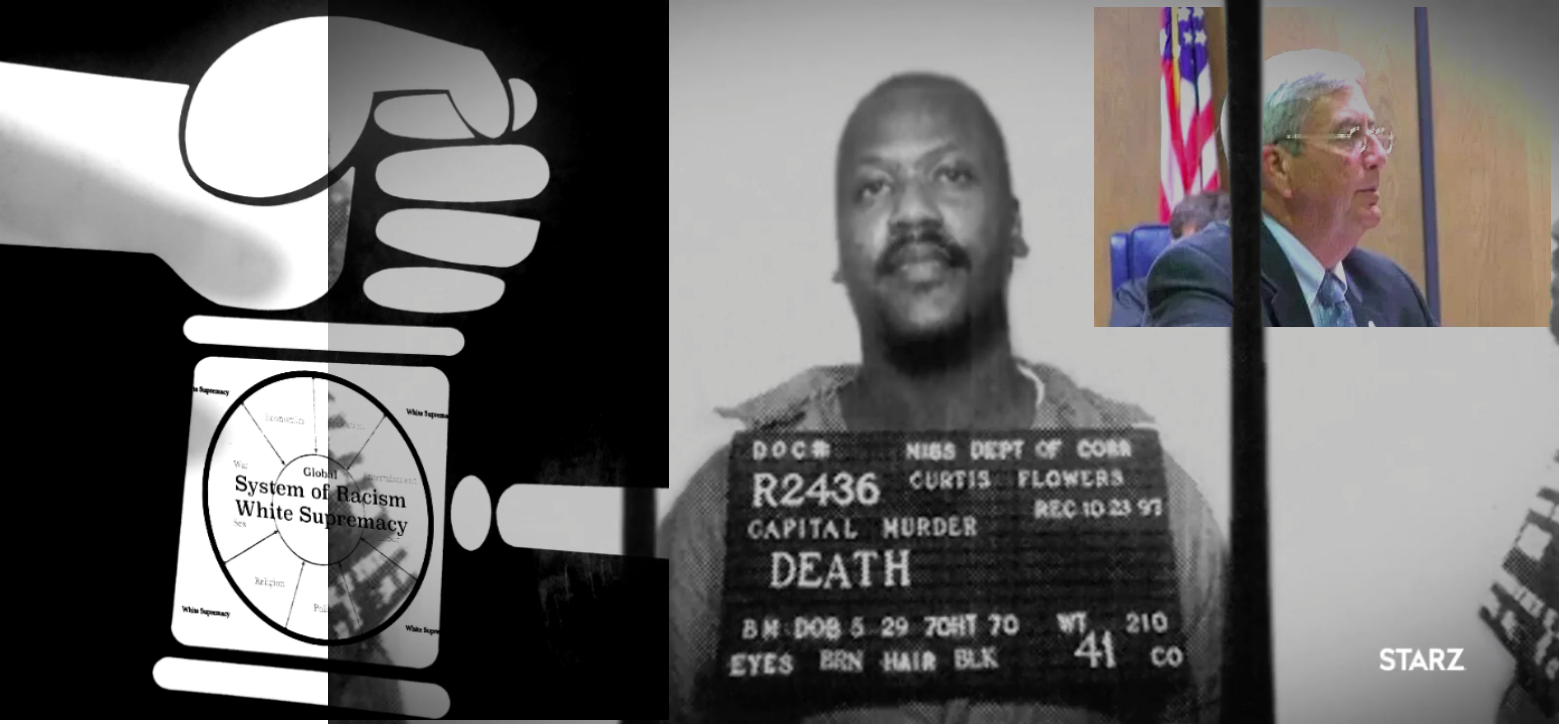
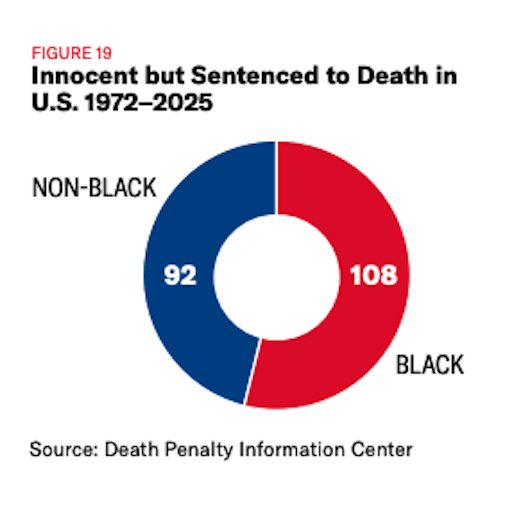
Decades of empirical research shows that death qualification results in juries that are more likely to convict, and more likely to reach hasty decisions and ignore mitigating evidence the Constitution says must be considered. Death qualification also results in the disproportionate exclusion of groups that are more likely to oppose the death penalty, including Black people, especially Black women, other people of color, women, and followers of certain religions. The racial divide in support for the death penalty is consistently demonstrated in over thirty years of social science research.1 The resulting capital juries, comprised predominantly of white men, are less likely to deliberate vigorously and more likely to convict and sentence a person to death, especially when the defendant is Black. [MORE]