Trump/Bush's Language of Confronting Evil Abroad has become a Cover for Expanding State Power, Enriching Defense Contractors and Normalizing Surveillance
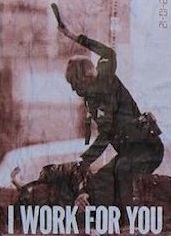
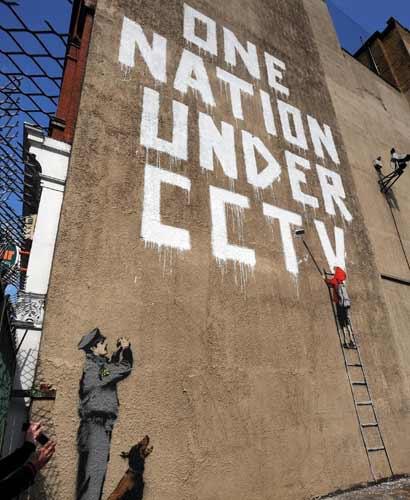
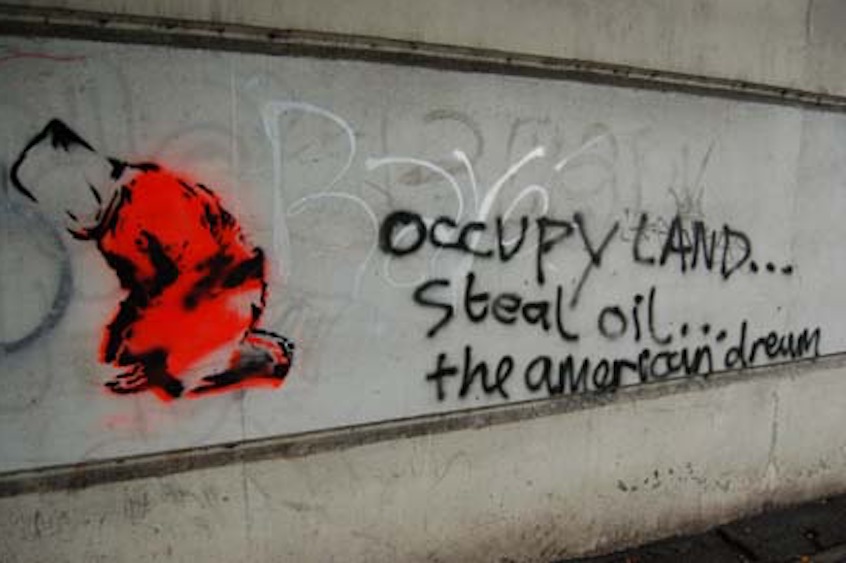
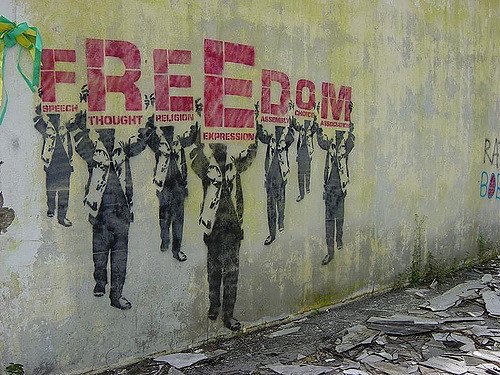
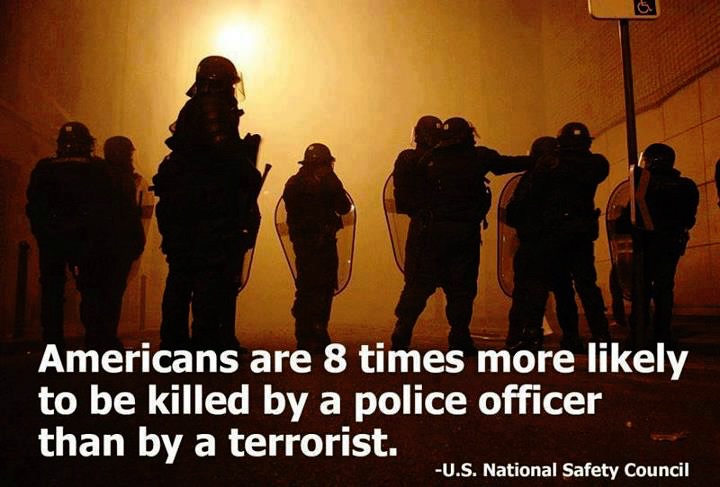
/From [HERE] The U.S. government says its “war on terror” protects freedom. In practice, every new intervention narrows the perimeter of freedom at home. The language of confronting evil abroad has become a cover for expanding state power, channeling public money to defense contractors, and normalizing surveillance that would have been unthinkable a generation ago. The pattern is familiar: the more expansive the mission overseas, the more elastic the constraints on government at home.
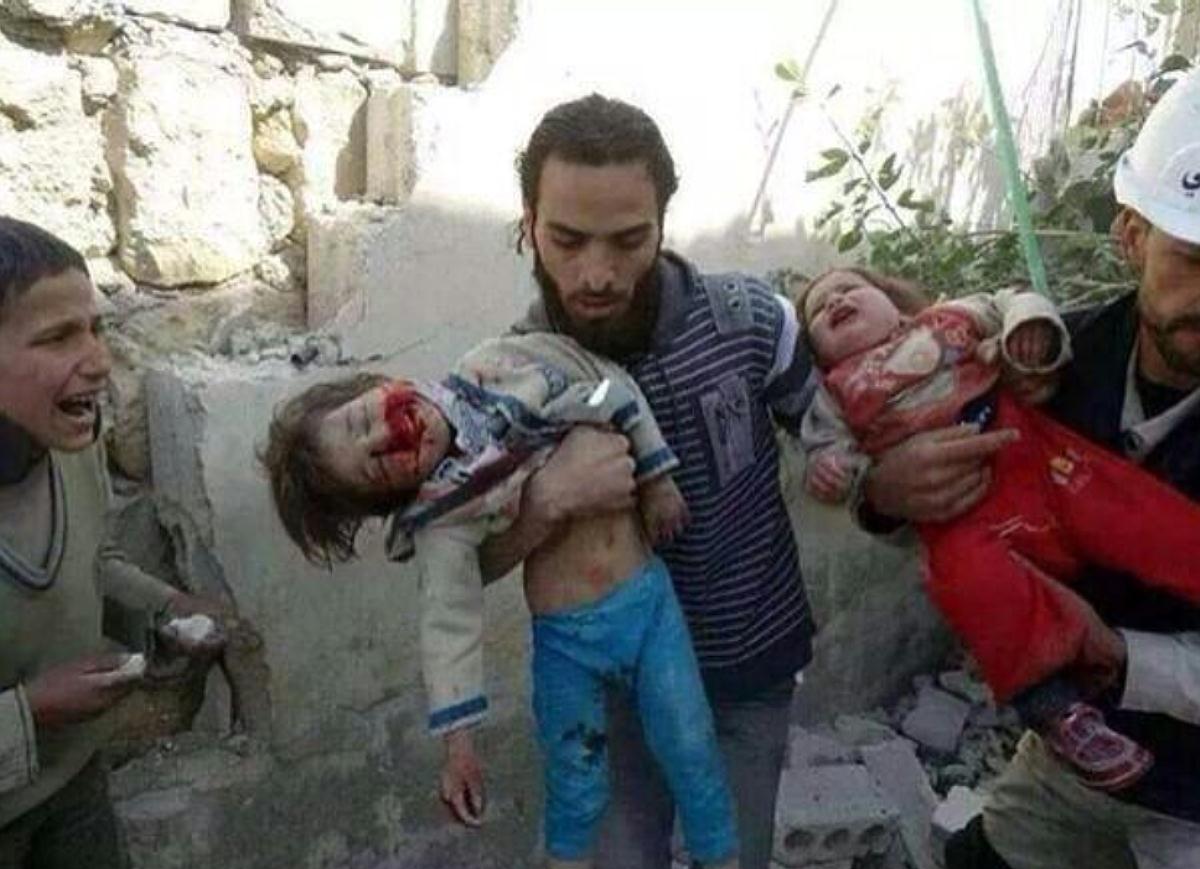
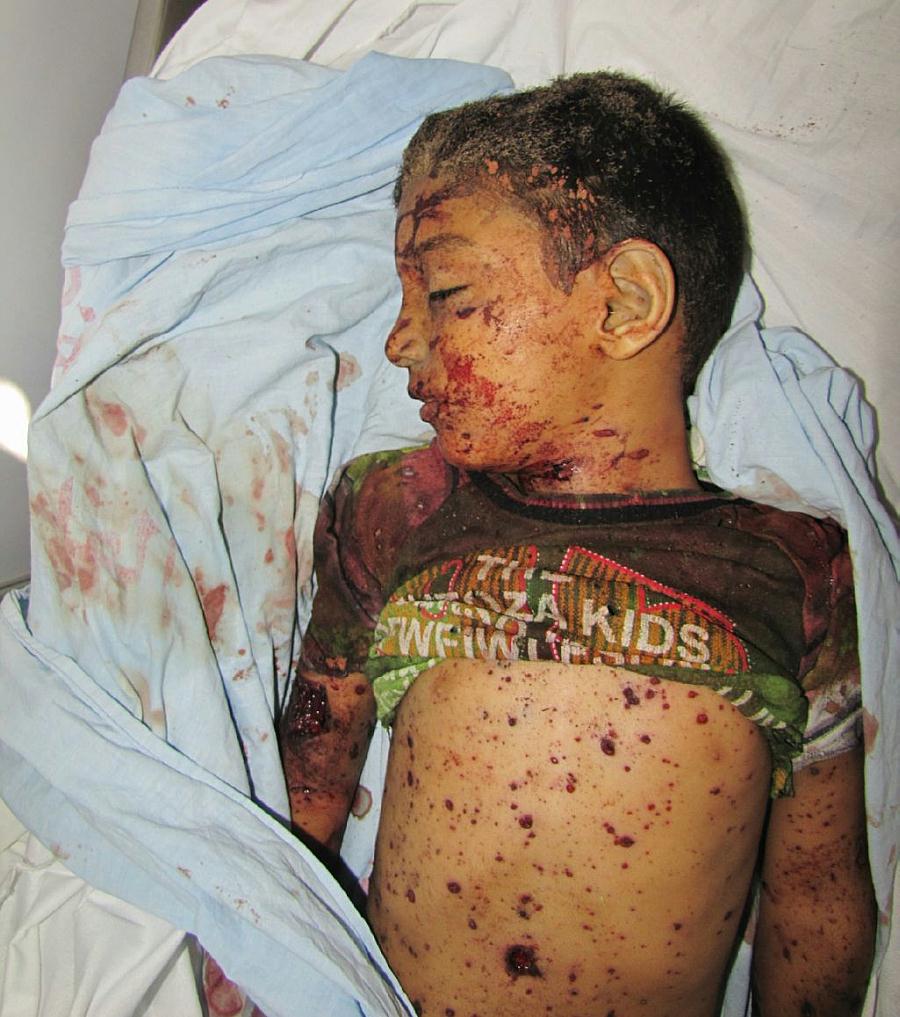
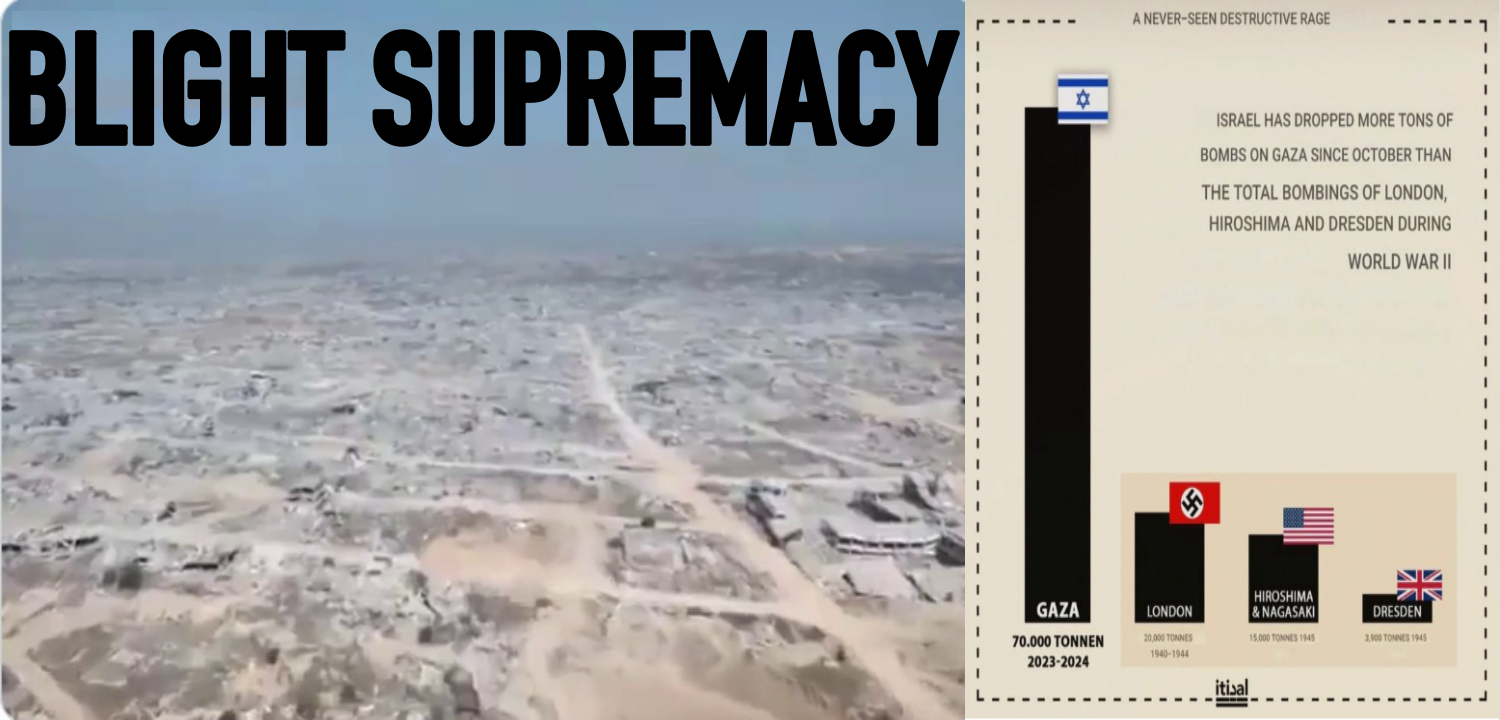
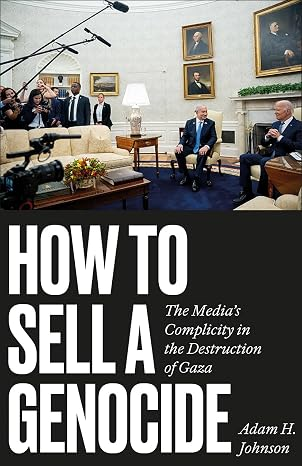
The contradiction is starkest in Gaza. U.S. officials condemn terrorism but continue to arm and shield an ally whose campaign has killed tens of thousands and devastated the territory. Humanitarian agencies report mass displacement, widespread hunger, and a crippled health system. In the diplomatic arena, Washington has repeatedly vetoed U.N. Security Council resolutions calling for an immediate ceasefire even as it advances fresh weapons packages.
This moral blind spot is not confined to one conflict. During the Cold War, Washington funneled support to the Afghan mujahideen – a decision memorialized in official records – only to confront successor movements in later decades. In Syria, Kurdish-led forces became the principal U.S. partner against ISIS even as NATO ally Turkey labeled affiliated groups terrorists and pressed military campaigns against them. Definitions shift with alliances; the underlying violence does not.
The Iranian exile group known as the Mujahedin-e Khalq (MEK) offers another example of strategic elasticity. The group’s history includes attacks that killed U.S. citizens in 1970s Tehran, a fact acknowledged by U.S. government sources. Decades later, after an intense and well-funded lobbying effort, the State Department removed the MEK from its Foreign Terrorist Organization list in 2012.
Endless war feeds on fear, and fear consolidates power. Drone warfare was sold as precise and surgical, yet senior commanders themselves warned that killing civilians can be counterproductive – the “insurgent math” that every innocent death creates new enemies. The broader empirical record is mixed, but even the optimistic studies concede a pattern of backlash risks and strategic tradeoffs that should caution against routine reliance on force. [MORE]