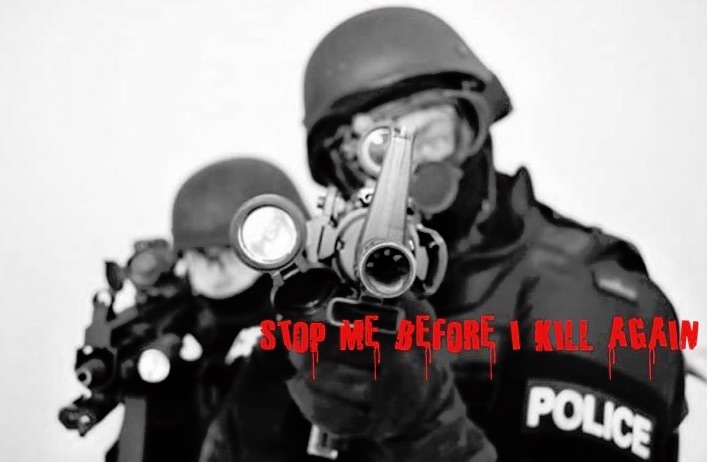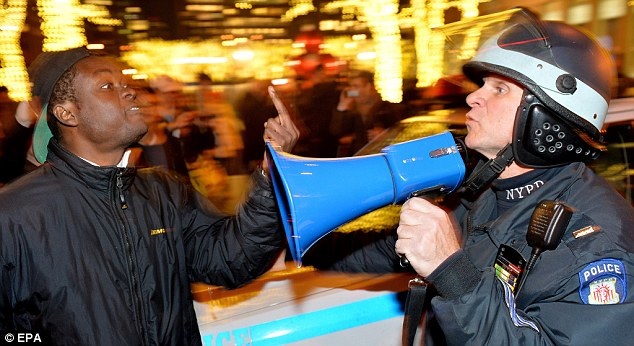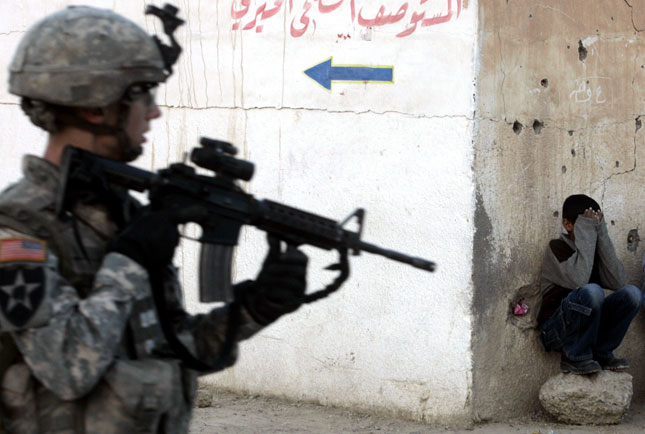
Civil Liberties Groups Urge Supreme Court to Block President’s Use of Race Soldiers in Chicago and Rein In Attempts to Establish a Standing Army
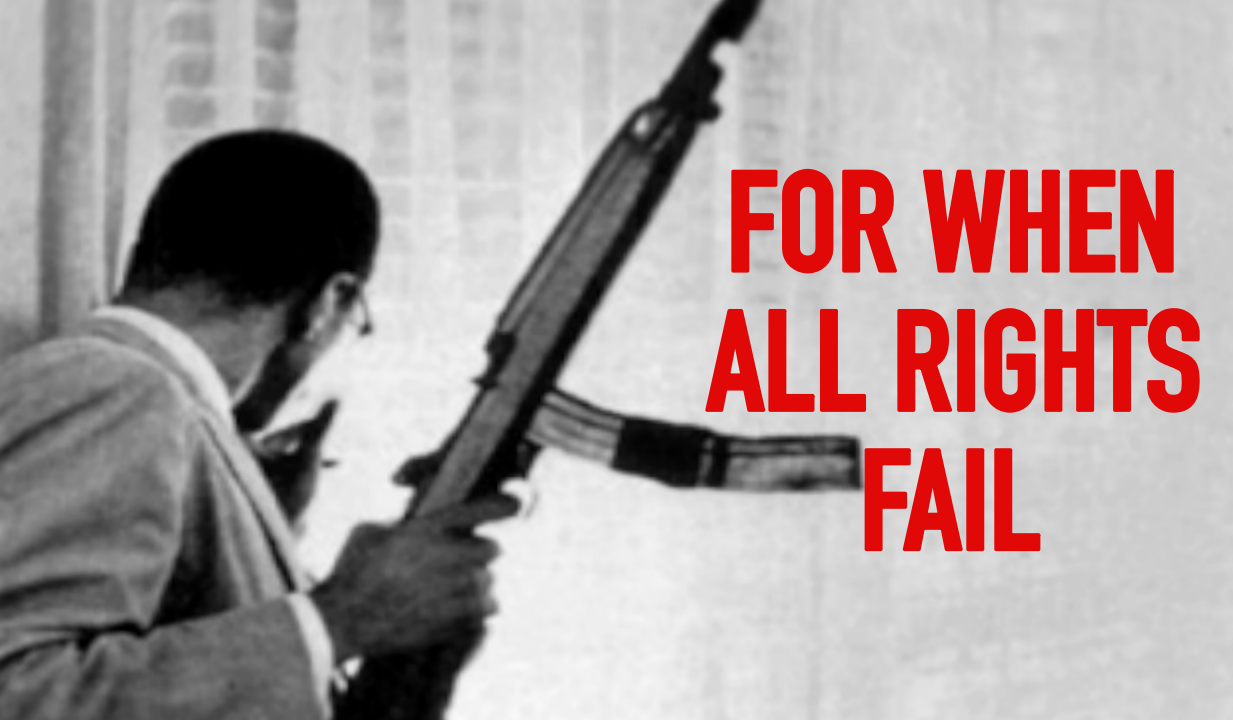
/From [HERE] Pushing back on President Trump’s claim that “I have the right to do anything I want to do,” a coalition of civil liberties organizations is calling on the U.S. Supreme Court to block the president’s attempt to deploy National Guard troops against civilians in Chicago—warning that no president has ever possessed unilateral, unreviewable authority to use the military against Americans on U.S. soil.
Weighing in before the Supreme Court in Trump v. Illinois, the coalition—made up of The Rutherford Institute, the ACLU, ACLU of Illinois, the Knight First Amendment Institute, and FIRE—is urging the Court to rein in the president’s repeated efforts to create a de facto standing army. The groups argue that the administration’s pattern of surging federal officers, such as ICE, into U.S. cities—Los Angeles, Portland, and Chicago—to provoke protests, then citing those protests as justification for military force, violates the First Amendment by chilling free speech and punishing dissent.
“The President’s attempt to turn the National Guard into a standing army on American soil—deploying troops against the American people—is one of the abuses of power the Constitution was written to restrain,” said constitutional attorney John W. Whitehead, president of The Rutherford Institute and author of Battlefield America: The War on the American People. “Each time the President treats ordinary protest as rebellion and sends soldiers to enforce so-called ‘order’ in our cities, he’s not defending the nation—he’s dismantling the very freedoms that define it, all the while betraying the Constitution.”
The case challenges the President’s attempt to federalize the Illinois National Guard and deploy troops to Chicago under 10 U.S.C. § 12406, which authorizes the President to call up the Guard when “there is a rebellion or danger of a rebellion against the authority of the Government of the United States; or the President is unable with the regular forces to execute the laws of the United States.” A federal district court issued a Temporary Restraining Order (TRO) blocking the deployment, finding no evidence that protests in Illinois had impeded the federal government’s ability to enforce the law. The Seventh Circuit Court of Appeals upheld the TRO, rejecting the government’s argument that local protests constituted a “rebellion.” [MORE]