Finding the Racist Roots of Maryland’s Juvenile Justice System [a state controlled by elite white liberals]
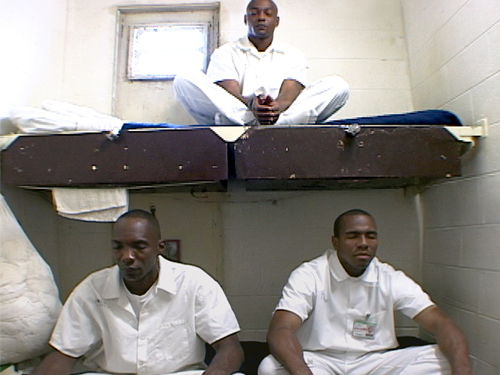
/From [HERE] The Maryland juvenile justice system dates back to 1830, when the state adopted what was then a radical policy of jailing children and adults separately. The point was to shield kids, who were often jailed for minor offenses like vagrancy, from what corrections officials described as “the contaminating influences of evil and corrupt companions” in an 1870 report.
The state’s first juvenile correctional facility — the House of Refuge — opened its doors in 1855. But this Baltimore City jail was only for White boys. It would take the state almost 20 more years — and the end of the Civil War — to open the House of Reformation in Cheltenham for Black boys as young as 5.
The two youth prisons were by no means “separate but equal.” Our research revealed that, throughout the 19th and 20th centuries, the White facility received more funding from the state government and Baltimore City, more positive press attention, and more programming than the Black one. Even the facility names spoke to different attitudes about what these children were in need of: White youth required “refuge;” Black youth needed “reformation.”
While the Whites-only facility emphasized education, the state’s 1870 report prescribed work for Black “juvenile offenders” who could not “be expected to rise superior to the favored race.” To this end, boys at the House of Reformation were leased out to local farmers, often in cruel conditions. “I was at Cheltenham [three] years, [five] months, and a few days, and I had school two afternoons during this time,” a former prisoner named William Creasy told The Baltimore Afro-American newspaper in 1925. “They would hire the boys out with mean people who hated colored people, and the boys were worked just like slaves.” [MORE]