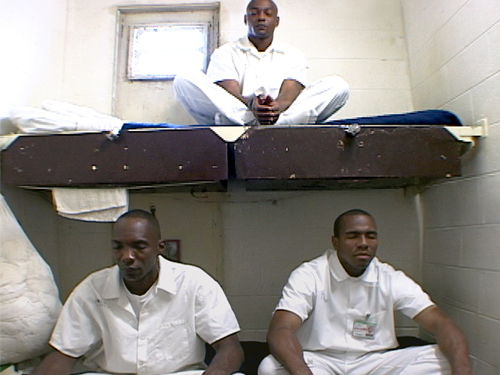
Supreme Court Hears Prison Racial Segregation Case
/- Calif.'s Unique Policy of Temporarily Separating Prisoners is Challenged


















AMOS WILSON
ARCHIVE
DONATIONS


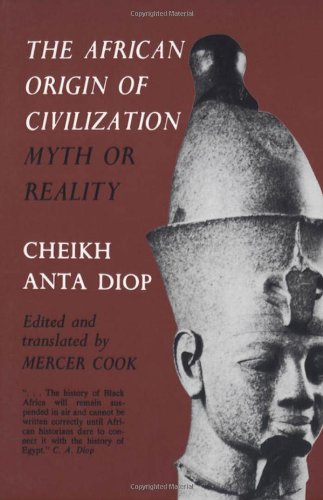







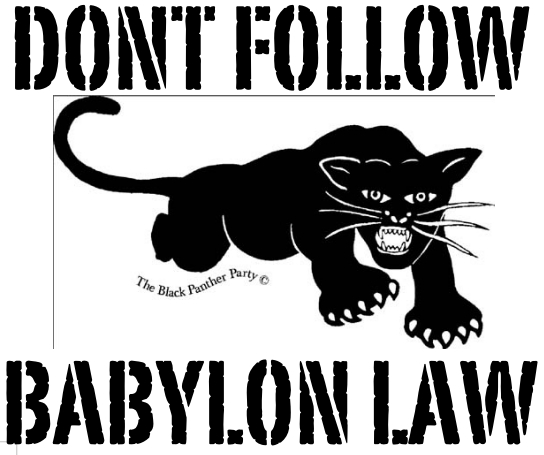






















































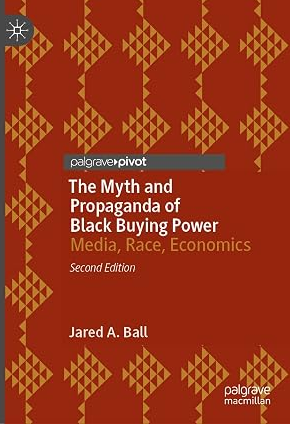
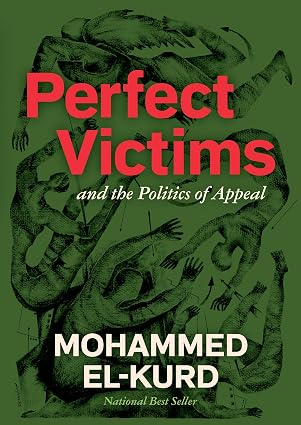
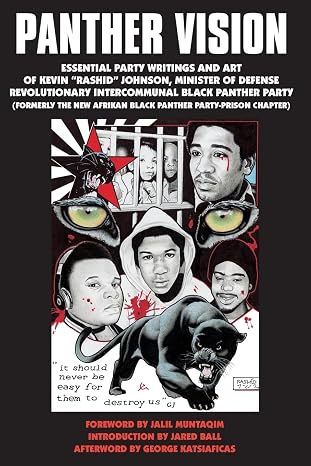
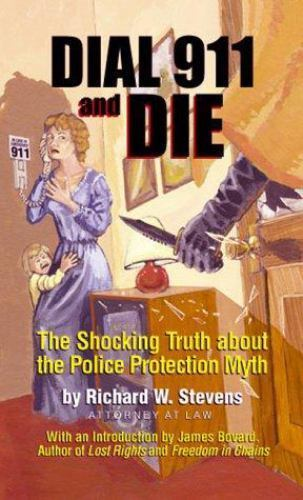
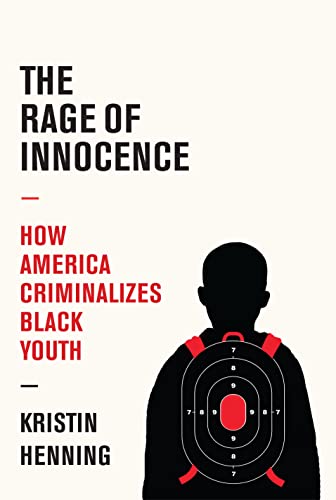
BOOKS BW IS CHECKING OUT








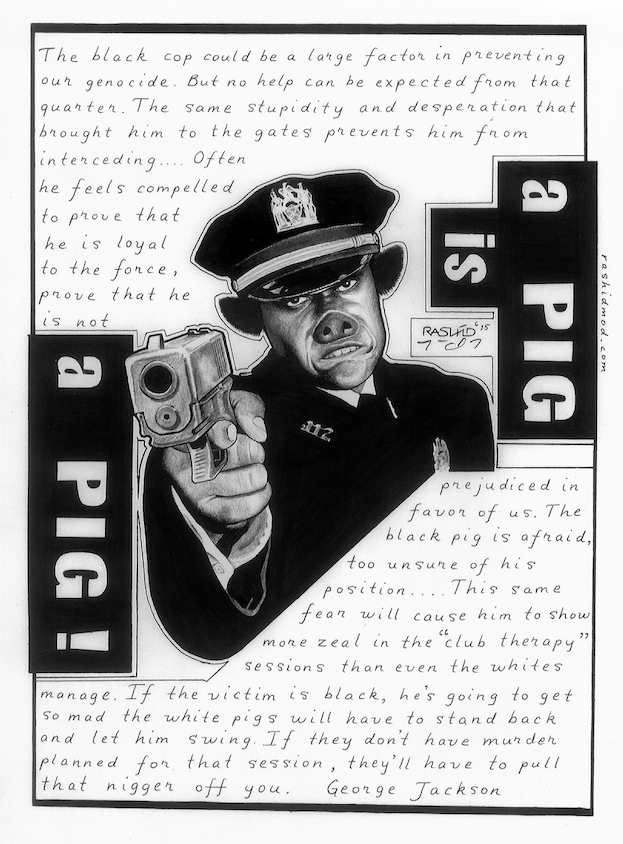
























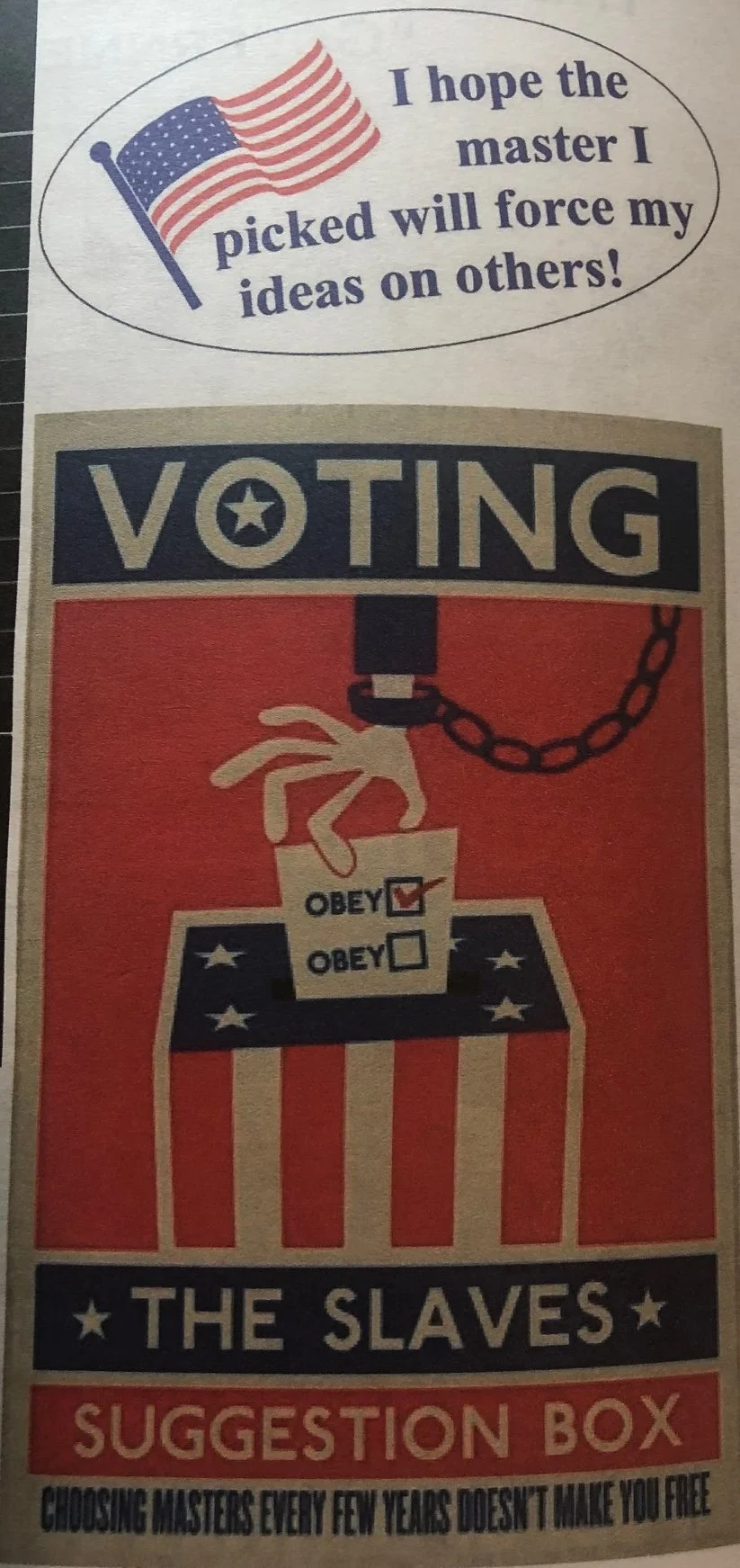
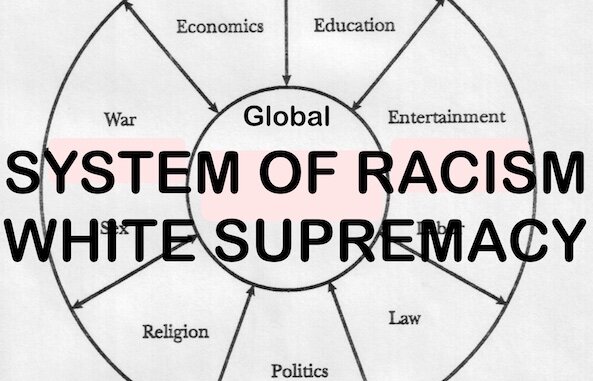
BrownWatch is a non-profit website that provides news and information for the purpose of liberation, education, self-reliance and greater self-knowledge. BrownWatch is intended to function as a tool to overcome info-gaps, verigaps and false programming toward the goal of “Endependence” within the meaning of FUNKTIONARY. It seeks to destroy the master/servant relationship maintaining the system of racism white supremacy and to unplug belief in systems of authority and all other granfalloons ensnaring humankind.
Any reproduction of copyrighted materials is done solely for the “productive uses” and “fair uses” of news reporting, sharing research, criticism, commentary, education and to provide an alternative contextual lens of such material within the meaning of the Copyright Act. 17 USCS § 107 (2019).
Powered by Squarespace.
Copyright © 2025, The BrownWatch. All rights reserved.