"You have the right to counsel, or do you?"
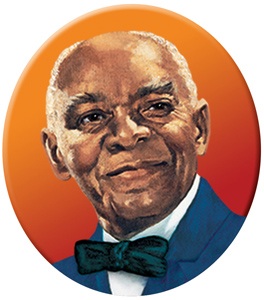
/The first face visitors see when they walk into the public defender's office here is a photo of Clarence Gideon, the drifter, drinker, gambler and thief who became a hero of American jurisprudence.
It was in his case, Gideon v. Wainwright, that the Supreme Court ruled 50 years ago this month that everyone accused of a serious crime has a constitutional right to a lawyer, whether they can afford it or not.
When he was charged with breaking into a pool hall outside Panama City, Fla., Gideon asked for a court-appointed lawyer. After the judge said no, he represented himself, was found guilty and sentenced to five years. From prison, he appealed to the Supreme Court, which took his case and ordered a new trial.
If he came back today, Clarence Gideon might rue the quality of legal representation he'd receive. He might not get any at all.
Such was the fate last year of some indigent criminal defendants who walked in the public defender's door here and past Gideon's gaze. They were told that, because of a shortage of staff lawyers, the office was turning down all but the most serious new cases. They were given a letter to show the judge.
Al Flora, Luzerne County chief public defender, says that ethically and legally he had no choice: His overburdened lawyers couldn't take on new clients and do justice to those they already had. He sued county officials — his bosses — to let him hire more lawyers and to stop them from retaliating against him.
The situation in Luzerne County reflects what experts say is a national crisis in indigent legal defense that has thwarted Gideon's promise of legal equality.
Many public defenders are overwhelmed by caseloads, and financially pressed states and counties are levying fees and applying means tests for granting counsel. "We're not calling the anniversary a celebration," says Edwin Burnette of the National Legal Aid and Defender Association. "There's nothing to celebrate."