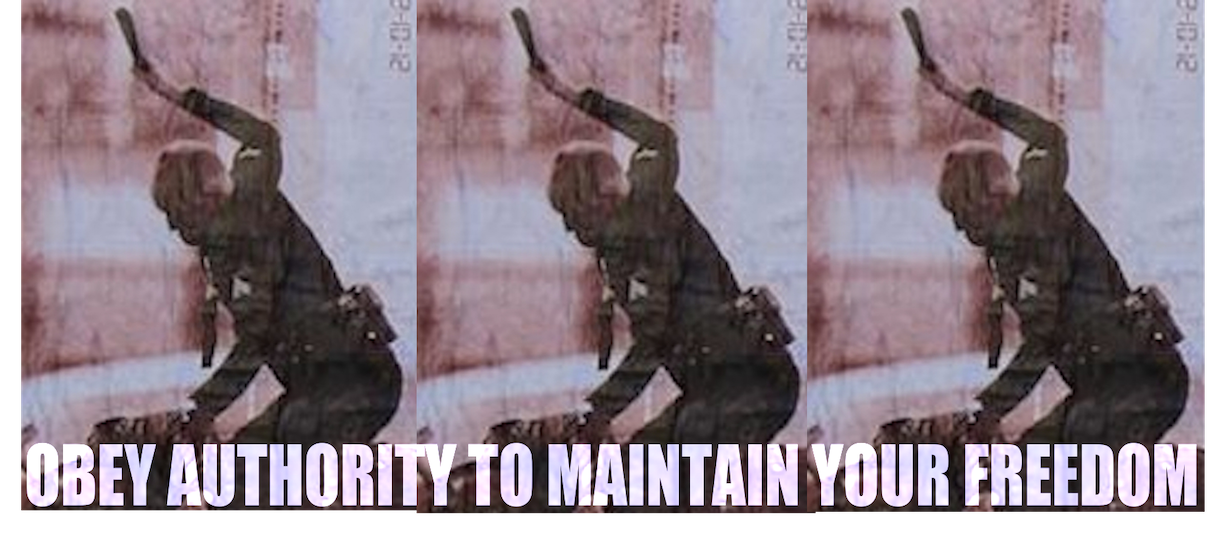
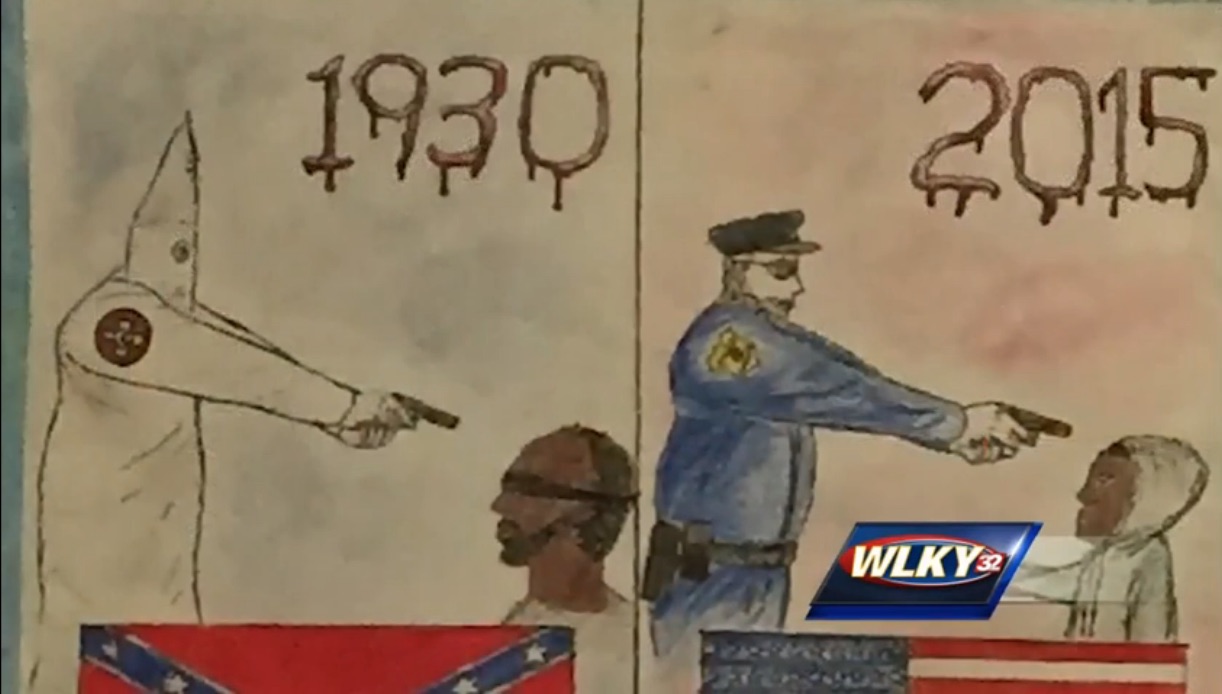
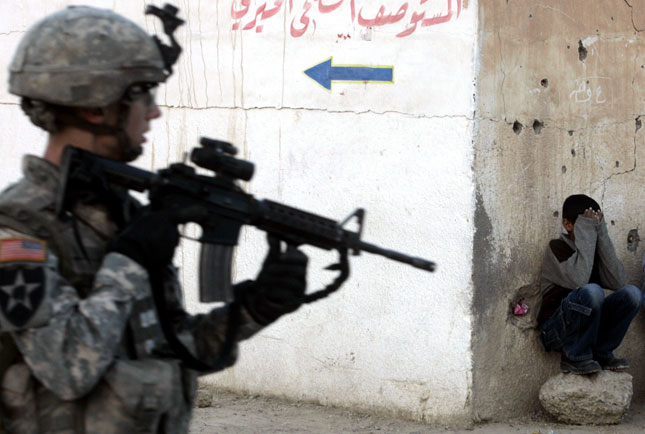
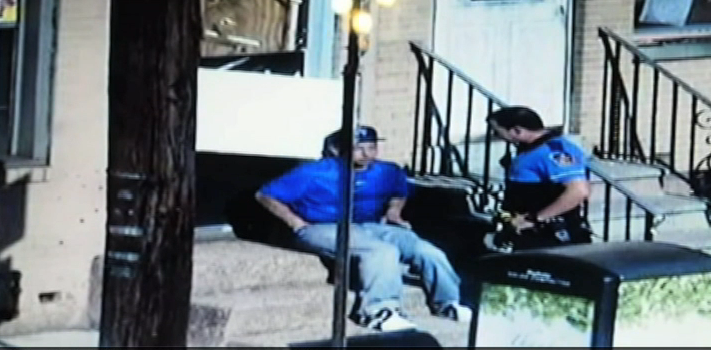
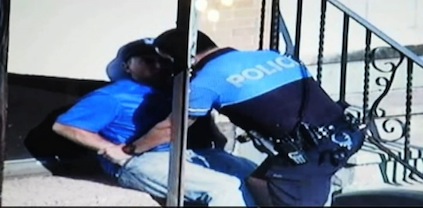
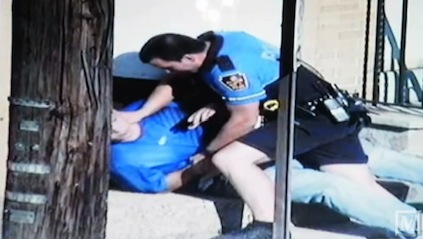
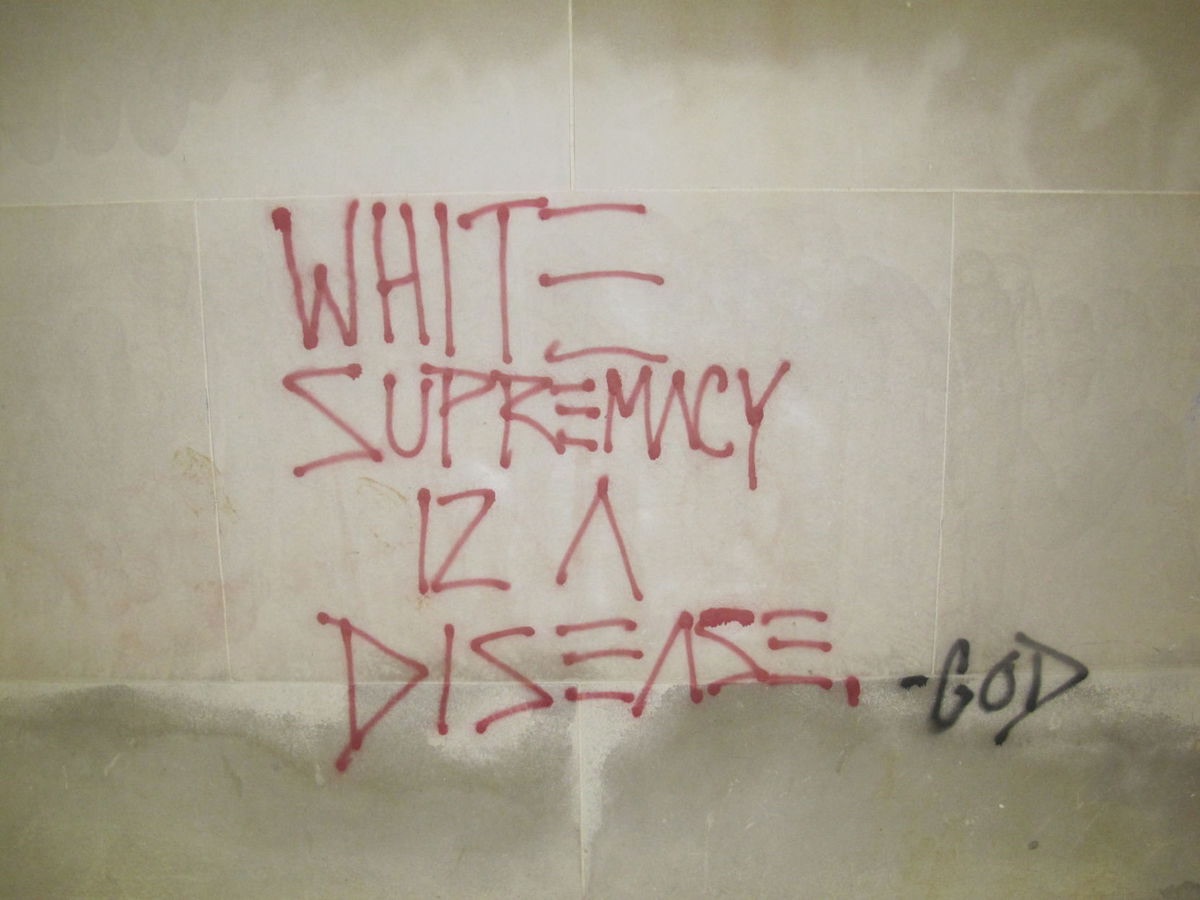
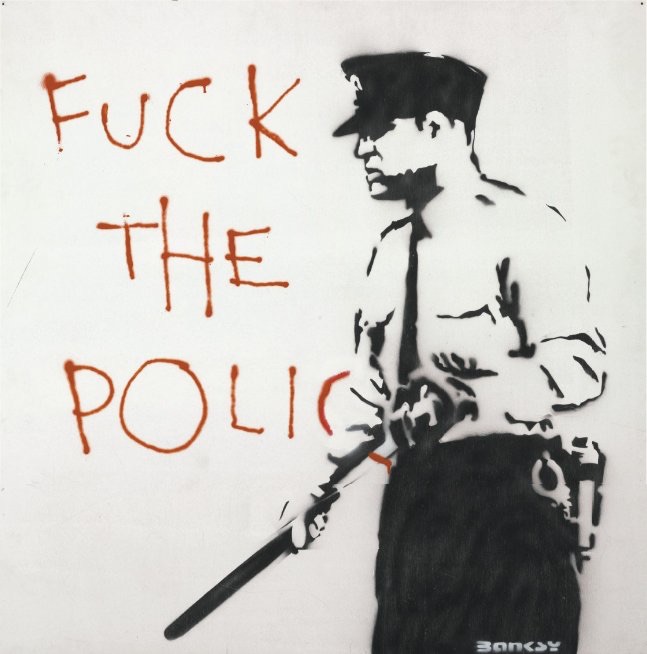
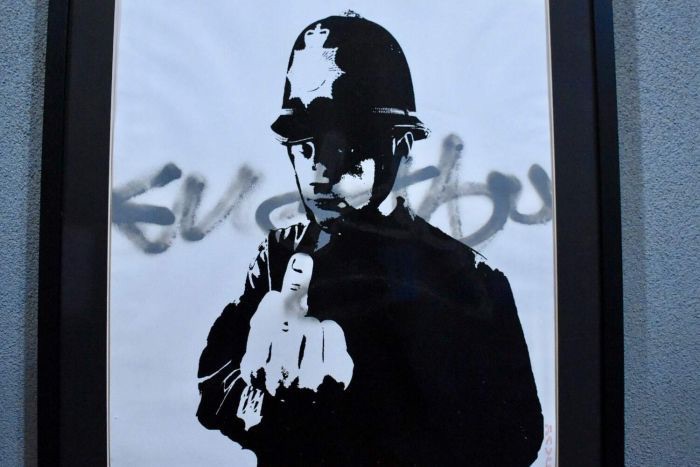
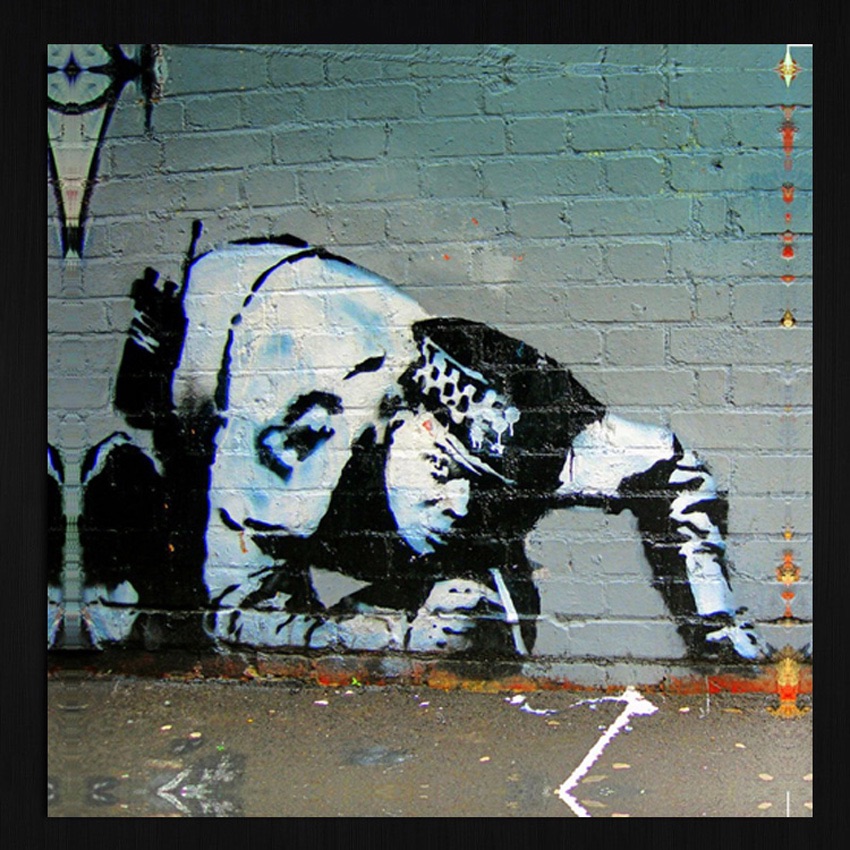
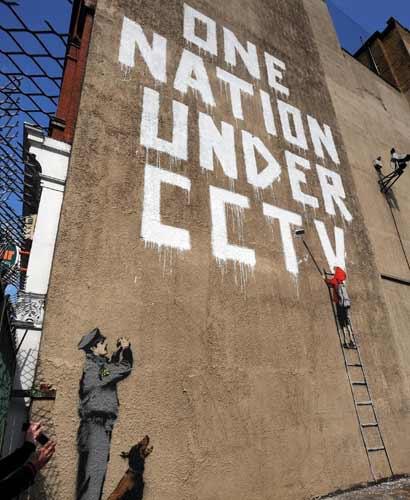
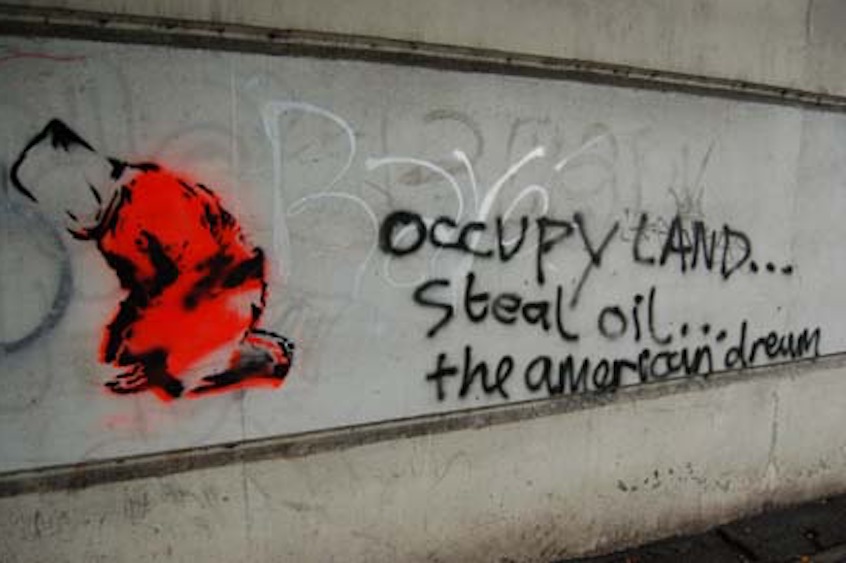
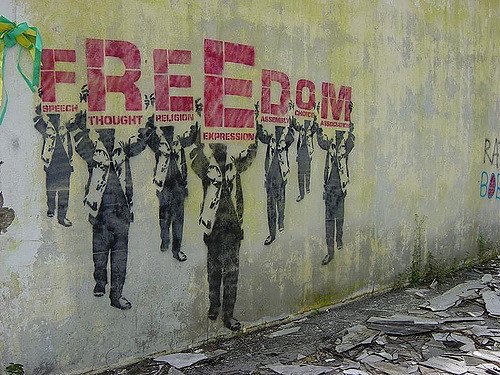
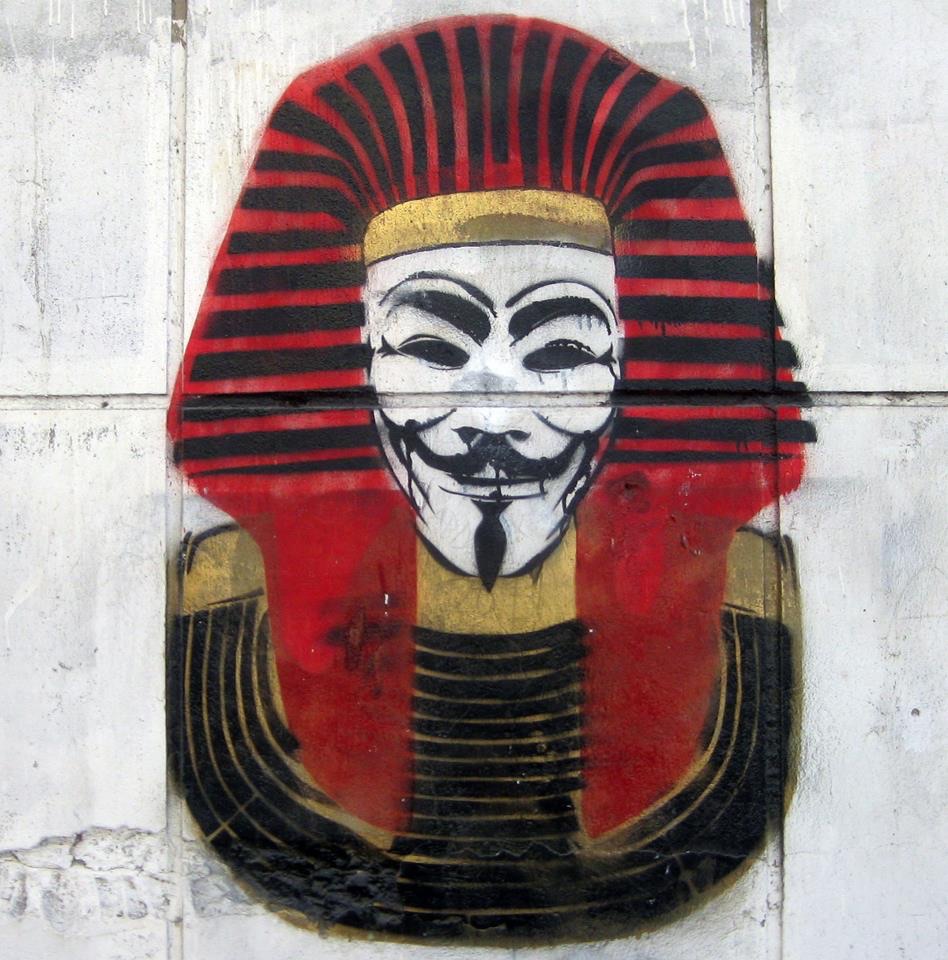
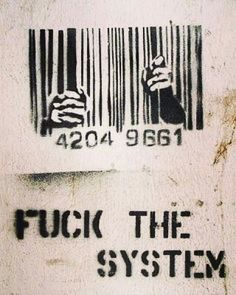
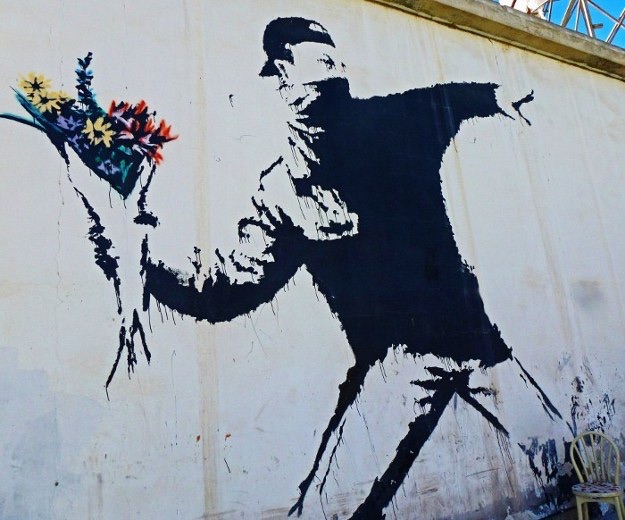
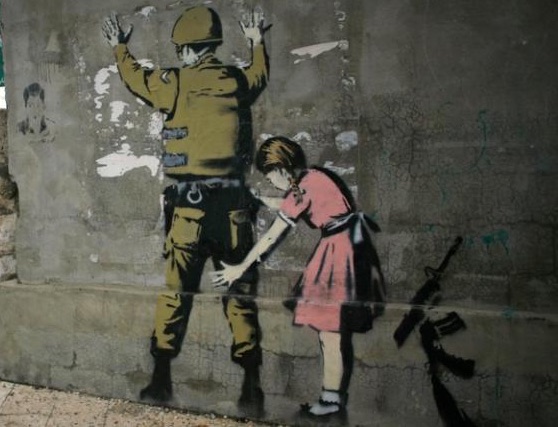
As you will see, if you indulge BW here, due to the fact that "authority" is immoral and unjust and there is no legitimate or rational way to account for belief in its existence, the legal system is entirely based on physical coercion or violence. In other words, we are not free.
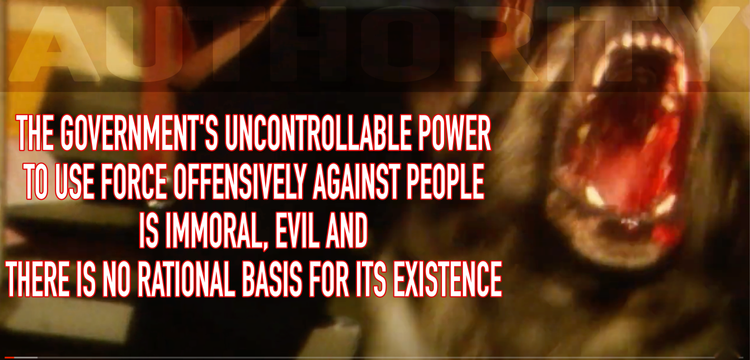
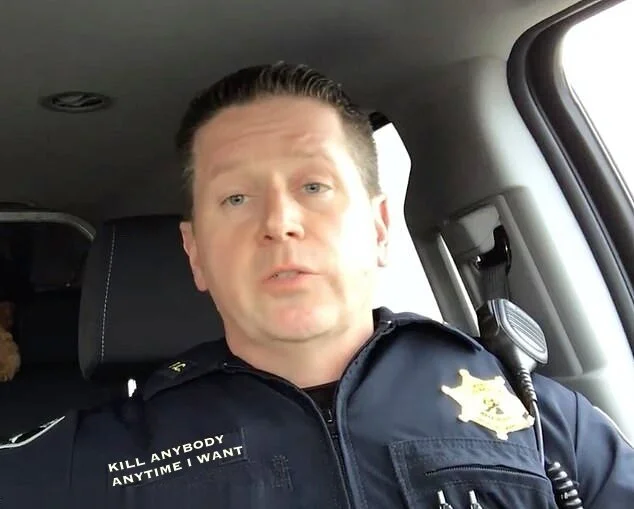
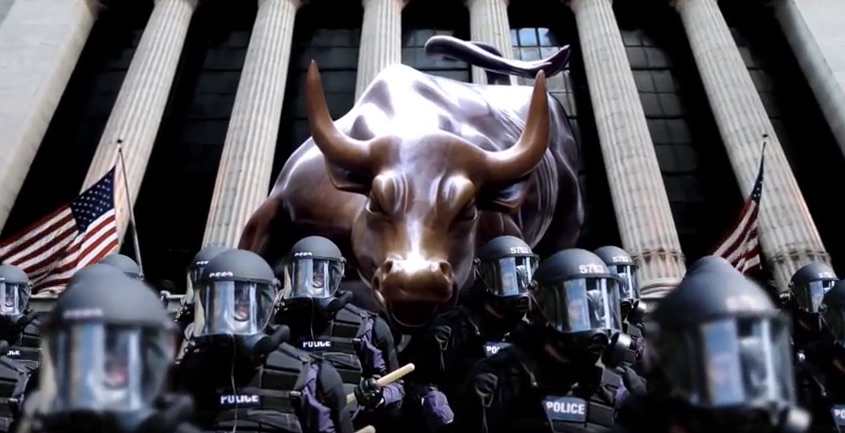
Political “authority” can be summed up as the implied right to rule over people. It is the idea that some people have the moral right to forcibly control others, and that, consequently, those others have the moral and legal obligation to obey.’ [MORE] Authority is the basis and operating system for all governments throughout the world, regardless of type, function or characterization. As so-called representatives of authority, police officers (among other authorities) are empowered to use force offensively against citizens who are legally and morally obliged to obey authority.
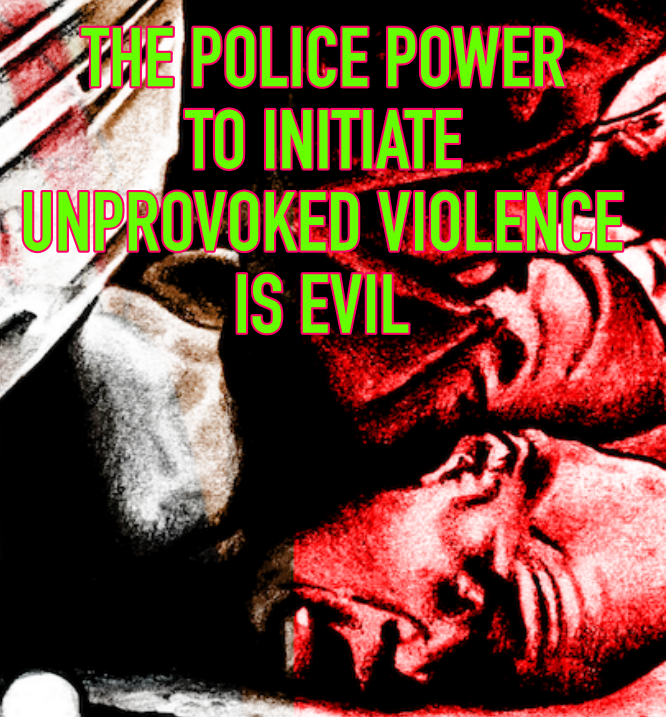
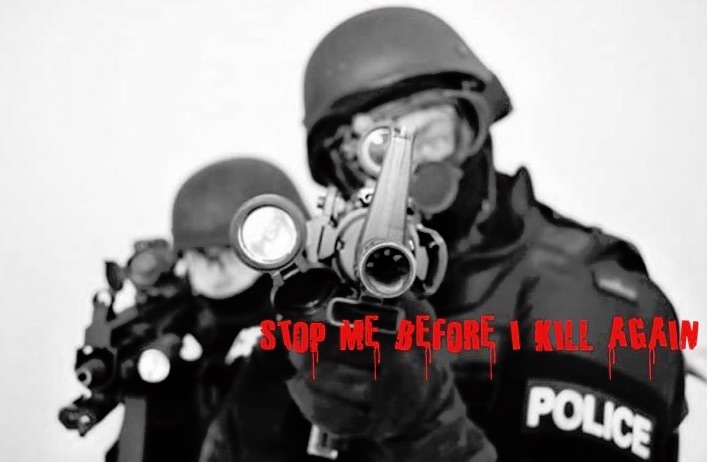
However, all use of force offensively is immoral and evil. Acts that would be considered unjust or morally unacceptable when performed by “citizens” are just as unjust or morally unacceptable when performed by government agents. Putting your hands on another human being, not in self-defense but offensively, without their consent and ‘manipulating their body in disregard of their volition is evil’, whether its done by citizens or representatives of “authority” wearing blue costumes. Larken Rose explains, “authority is permission to commit evil – to do things that would be recognized as immoral and unjustified if anyone else did them.”
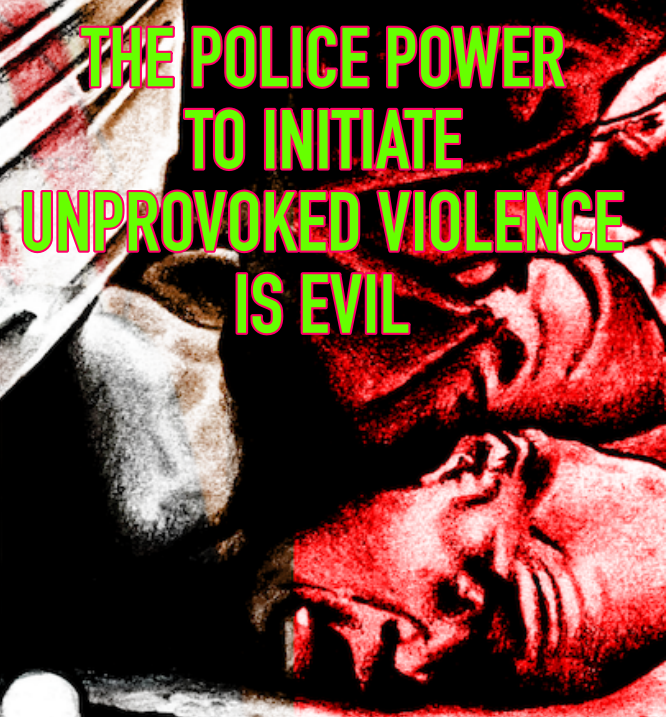
To be clear, all persons have the natural, inalienable right to defend themselves and come to the defense of others if they believe another person is in imminent danger from an aggressor. Private security workers and guards work under said natural law. In contrast, police officers and other representatives of authority have the extra or added “power” to act offensively as aggressors; higher authorities have granted police the power to use force offensively on people or initiate unprovoked acts of violence against people whenever they deem it necessary. As such, police are permitted to do things “citizens” cannot do, such as, stop individuals, touch them against their will, attack (make arrests) people, kill people, interfere with their freedoms in many ways, kidnap people (that is, ‘detain and transport’) or imprison them because higher authorities have empowered them to do so. In turn, “citizens” are said to have a moral and legal obligation to obey all government orders, laws and have no right to resist an unlawful arrest in most states. Authority must be obeyed on a content-neutral basis (regardless of whether citizens agree or not.) [MORE] This hypothesized moral property (authority) believed to be possessed by all governments is said to make government the supreme authority over human affairs. Subconsciously we know and understand that ruling over other people through violence is irrational and barbaric. [MORE]
There is also no legitimate or rational way to account for our belief in the existence of authority.
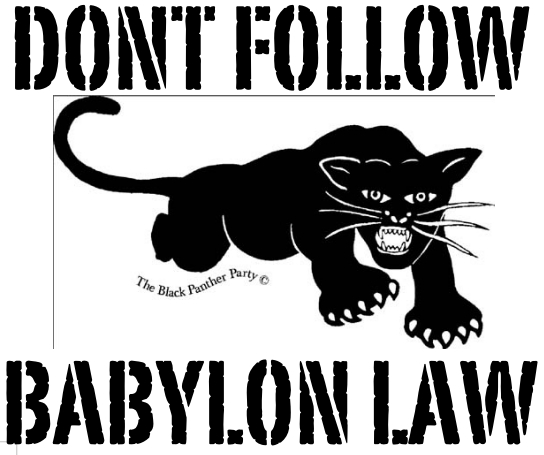
“Authority” does not come from people nor is it derived from any rational or natural source. All governmental power allegedly is said to come exclusively from the people. It is believed that citizens delegate their individual power to the government and it’s representatives for government to represent citizens and act on their behalf. Such political representation works much in the same way agents represent principals in all kinds of business or other contractual relationships. For instance, a manager at McDonalds represents the franchise owner when she carries out his everyday business requests, like ordering inventory and hiring workers, etc. She is the agent and the owner is the principal who empowers and directs her work. Naturally, an agent only can possess whatever powers the principal gave to her. For instance, the McDonalds manager does not have the authority to sell the store unless the owner granted her such power. Similarly, the McDonalds manager could not have the power to do things that the franchise owner has no power to do - such as change the McDonalds logo to a black panther or use another business’ parking lot for its storage. Additionally, numbers don’t change anything – a group of McDonald’s owners still wouldn’t have the power to grant an agent the power to use another business’ parking lot either. An agent cannot have more power than the principal because all his/her power necessarily originated exclusively from the principal.
In the case of government however, the government has somehow granted itself the power to do things that no individual citizen could ever do. While citizens have the inalienable right to act in self-defense or come to the defense of others, citizens have no right to initiate unprovoked acts of violence (use force offensively) on other people and no right to forcibly control other people. When citizens commit such acts it is considered unlawful and/or criminal. Citizens cannot possibly delegate rights they don’t have - so it is logically impossible for citizens to delegate the power to forcibly control others to the government and its agents. Larken Rose explains simply, “you can’t give someone something you don’t have.” [MORE] and [MORE] He states;
“Despite all of the complex rituals and convoluted rationalizations, all modern belief in “government” rests on the notion that mere mortals can, through certain political procedures, bestow upon some people various rights which none of the people possessed to begin with. The inherent lunacy of such a notion should be obvious. There is no ritual or document through which any group of people can delegate to someone else a right which no one in the group possesses. And that self-evident truth, all by itself, demolishes any possibility of legitimate “government.”
Rose correctly explains, ‘the people whom the politicians claim to represent have no right to do anything that politicians do: impose “taxes,” enact “laws,” etc. Average citizens have no right to forcibly control the choices of their neighbors, tell them how to live their lives, and punish them if they disobey, So when a “government” does such things, it is not representing anyone or anything but itself.’ He further explains
“if those in “government” have only those rights possessed by those who elected them, then “government” loses the one ingredient that makes it “government”: the right to rule over others (”authority”). If it has the same rights and powers as everyone else, there is no reason to call it “government.” If the politicians have no more rights than you have, all of their demands and commands, all of their political rituals, “law” books, courts, and so on, amount to nothing more than the symptoms of a profound delusional psychosis. Nothing they do can have any legitimacy, any more than if you did the same thing on your own, unless they somehow acquired rights that you do not have. And that is impossible, since no one on earth, and no group of people on earth, could possibly have given them such superhuman rights.”[MORE]
Thus, there is no rational basis for the belief in authority or rational way to account for its existence as a legitimate basis for government. Other explanations for authority have been thoroughly debunked, here is a summary:
SOCIAL CONTRACT THEORY. How about the social contract theory - the idea that there is a contract between people and the government in which the government protects the people and enforces the laws, in exchange for citizens obedience and taxes? That is, individuals have contractually agreed to obey the government and must do so and the government is obliged to provide services and protection. However, if such an agreement exists, WHEN DID YOU SIGN IT? We were born into this arrangement, no one signed anything. Yet we are bound to obey authority. Therefore, there is no contract and no social contract exists.
At any rate, the so called “public duty” doctrine renders the “social contract theory” meaningless. Decades ago the Supreme Court ruled that a government and its agents are under no general duty to provide public services, such as police protection, to any particular individual citizen. It means for instance that police have no legal duty to protect any victim from violence by other private parties unless the victim was in police custody. [MORE] and [MORE] This means that police cannot be sued for any federal constitutional claim for a failure to protect citizens. Unless a state negligence law exists allowing such a lawsuit, victims cannot hold police liable for a failure to protect from harm from private parties. [MORE] and [MORE].
Pursuant to the social contract, citizens are contractually obliged to obey all laws and commands and when they fail to do so the government punishes the citizen, usually with fines or imprisonment. However, authorities are bound to do whatever they want to do, whenever they want to do it and to whom they choose, but no one in particular. Dr. Blynd asks “Makes you feel like a fool, doesn’t it?” There is no contract between the individual and the state. It is device or trick to control the populace.
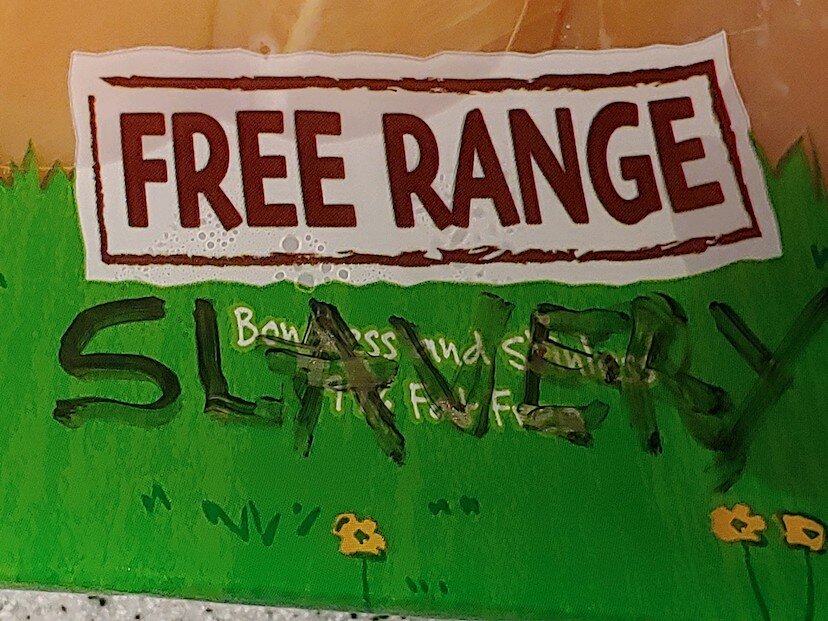
IMPLICIT AGREEMENT. What about an implicit agreement to obey authority - where we are deemed from birth to have agreed to obey authority until we decline, opt out or reject it? This proposition is also an illusion because whether you reject or object to authority you must obey authority regardless. You have no real choice in the matter. Like a plantation system, there is no way to opt out and avoid being a slave subject to another (authority) plantation owner.
AGREEMENT BY ACCEPTING BENEFITS. Perhaps authority is made legitimate when citizens agree to accept the benefits provided by government, such as public schools or police “service?” For the same reasons no one has an implicit contract with the government. Government authority is not made legitimate through acceptance of benefits. Whether a person accepts the benefits of government or not, all persons are still subject to the laws and required to obey authority.
CONSENT BY PRESENCE. How about consent to authority by simply remaining in a particular location - consent by presence on the land? In other words, in order to remain on your own land then you must pay a government and obey laws to do so. Said theory means governments own all land and property everywhere government exists. According to such clogic as stated by Huemer, “Those seeking to avoid all governmental jurisdiction have three options: they may live in the ocean, move to Antarctica, or commit suicide.” [MORE]
Larken Rose explains, “To tell someone that his only valid choices are either to leave the “country” or to abide by whatever commands the politicians issue logically implies that everything in the “country” is the property of the politicians. If a person can spend year after year paying for his home, or even building it himself, and his choices are still to either obey the politicians or get out, that means that his house and the time and effort he invested in the house are the property of the politicians. And for one person’s time and effort to rightfully belong to another is the definition of slavery. That is exactly what the “implied consent” theory means: that every “country” is a huge slave plantation, and that everything and everyone there is the property of the politicians. And, of course, the master does not need the consent of his slave.”
It is also obviously circular thinking to say ‘the government has authority over everything and everybody because it has authority over everything and everybody’ - such statement may indeed be the case but it cannot be a justification for the legitimacy of authority in the first place.
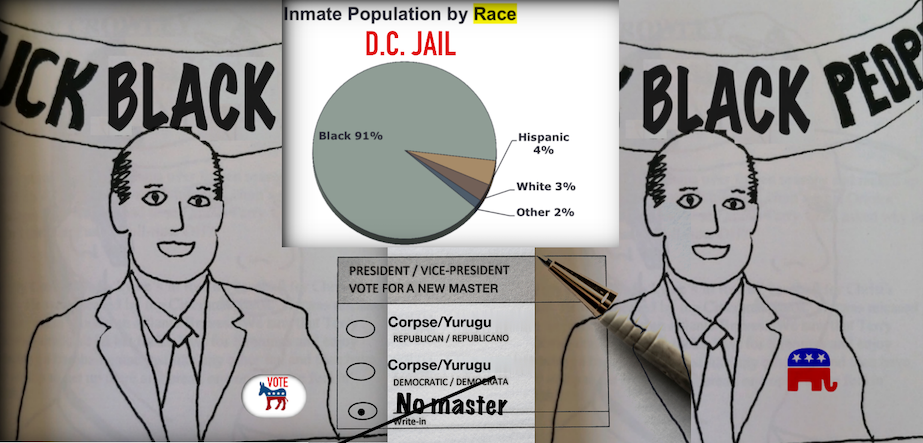
CONSENT THRU PARTICIPATION. Finally, does consent through participation make government authority legitimate or valid? Not at all. “If you didn’t vote in the election, would you then not have to obey the laws made by whoever wins? Of course not. You will be subject to the same laws whether you vote or not.” [MORE]
MAGIC WORDS, CAPES & CEREMONIES. It should also go without saying but there is no magic ceremony, special costumes to put on, voting process or magic statements (oaths) which can grant certain people extra-human powers to rule over other people, exempt them from morality, accountability and do things which no individual or group of individuals can do.