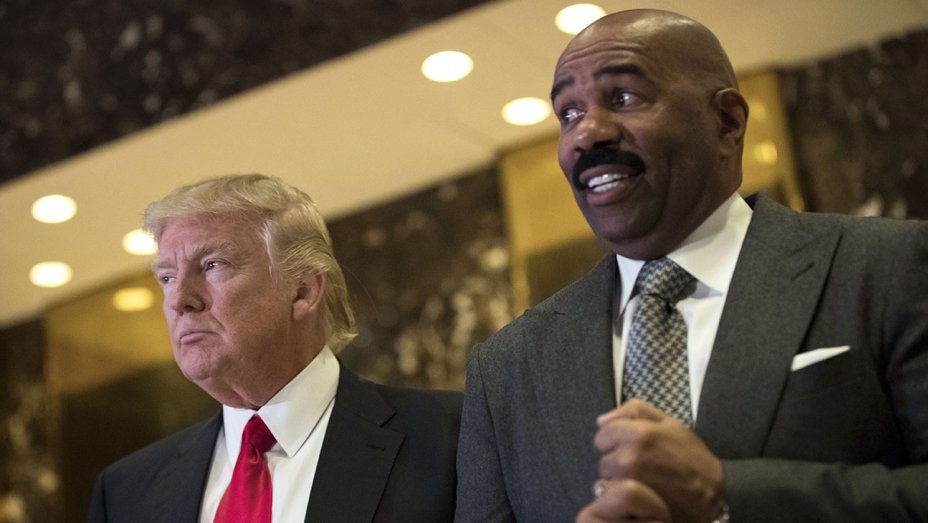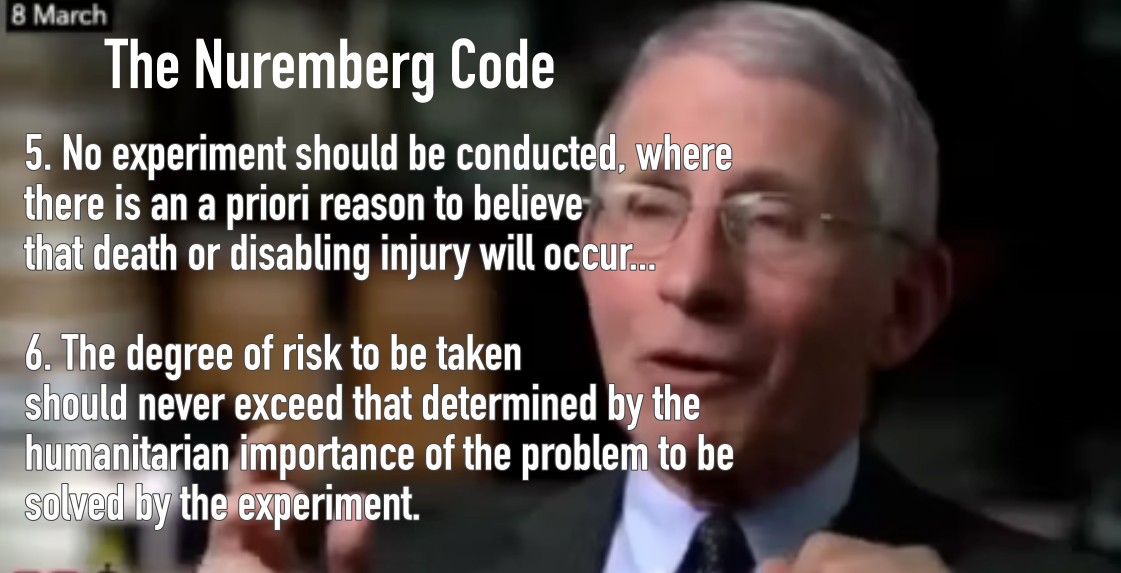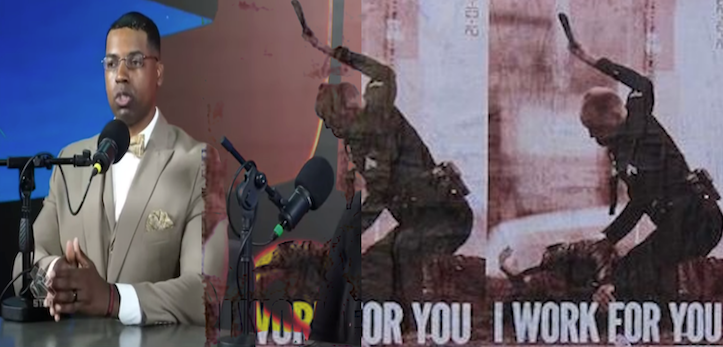
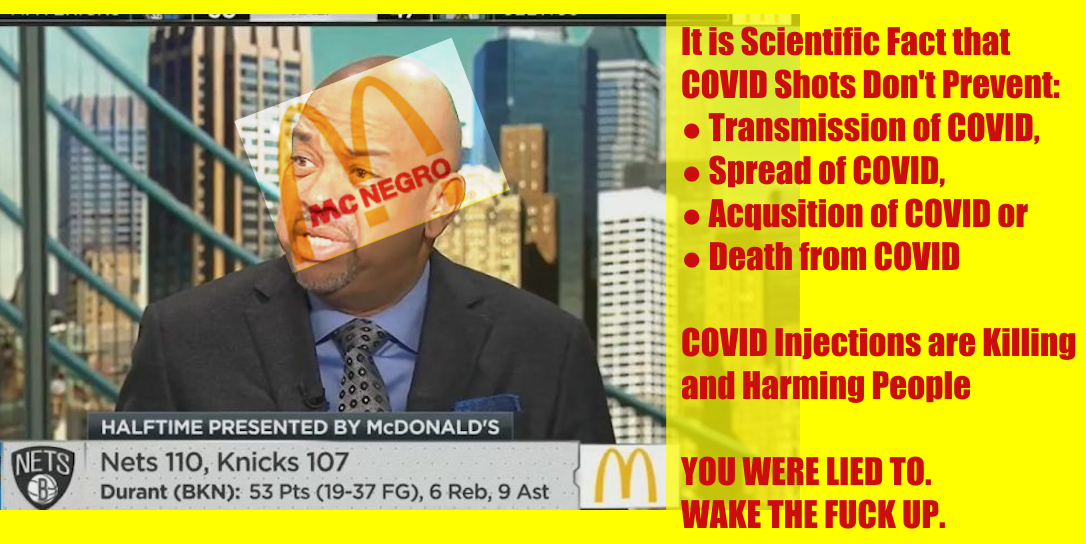
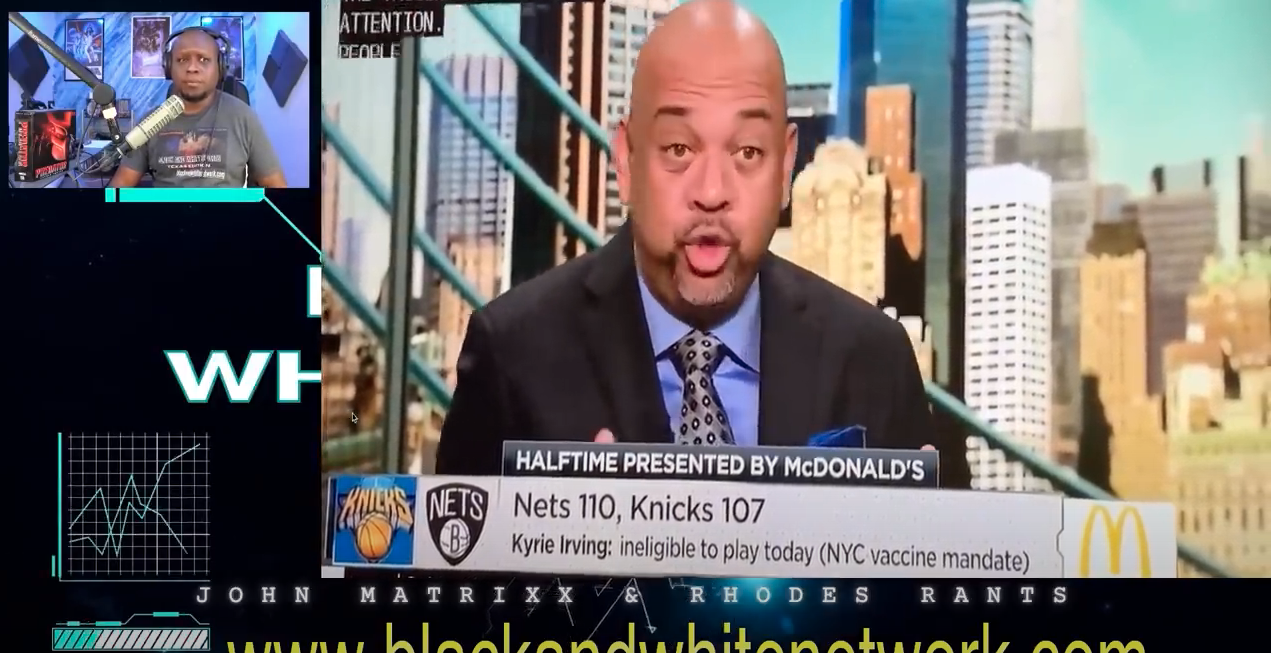
Michael Wilbon, a McNegro Mandroid (a programmed, academented, miseducated, trained, stupefied and stymied conformist infected w/Yurugu Virus) Defends COVID Mandates Which are Killing/Harming People
/
According to FUNKTIONARY:
McNegro – over one million sold-out. How can any neo-Negro sell out of anything that he does not own—other than merchandise? You have to own something to sell-out. (See: Negropolitan, BOHICAN, Eyeservant, $nigger & Sambo)
proxymoron – one moron who speaks or acts on behalf of another pluperfect moron or a whole gang of morons. (See: Politician, Bureaucracium, Congressman, Moron-Majority, Delegate, Prozac, Oxymoron & TV)
clogic - clogged logic--closed-circuit logic--clueless logic--locked in an endless loop of flawed axioms and paradoxical premises that prevent describing or relating to reality in alignment with its attributes. Using "clogic" is like being trapped in a hall of mirrors in which the two (self and world) endlessly reflect and determine one another in a dualistic duel that shape and dominate each other and with erring inaccuracy keeping us overruled and fooled (through dim and gross reflections that distort the world and ourselves) that is, until Shatterday arrives. (See: Shatterday, Psycholesterol, Wholesight, BLYND, Axioms, Logic, Truth, Proof, Experience, Objectivism, Third Sight & Suffering)
cementality – the non-intuitive and unwise state of mind and approach to Life wherein one attempts to set one’s position unshakably firm (cemented) as soon as possible into a conviction, and then defends any given position(s) against any reality (changes) to these positions with fanatical vim and fervent vigor. People who live in truth (and not reality) function with a cementality. But, since we live in reality (dynamically in real life) and not in truth (static, predictable, certain, artificial life) we must take and make provisional action decisions for this time, now; keeping an open mind by suspending belief and disbelief. Living in reality allows one’s position(s) to gradually evolve (morph) based on learning (and unlearning) from day-to-day testing, i.e., personal experience, per se—evolving from absolute truth to objective truth to subjective truth to reality-based truth. (See: Absolute Truth, Objective Truth, Subjective Truth, Reality Boxes, Truth-Based Truth, Believing, Academented, Ideology, Spontaneity, I-Concept, Split-Mind, Whole-Mind, Attachment, Consciousness, Neuralasticity, Indoctrination, Cultural Conditioning & Reality-Based Truth)
Sleeping Tom – a person of Afrikan descent who has not consciously awakened to fully embrace his or her own asili (connective cultural tissue, heritage, imprimatur, and imperative). 2) a socially unconscious person of Afrikan descent who participates in secret balloting (voting). A sleepin’ Tom lives and reacts out of another culture’s asili or out of the mind of another; not their own. 3) a Negro who is unaware that he is all souled-out. 4) a Negro who isn’t aware that he is in fact and in deed a certified Sambo. 5) a broken, token Negro; a coin-operative. (See: Straw Boss, Asili, Doublemindedness, Sambo, Uncle Tom-Tom, Coin-Operated, Black Flask Brigade & Secret Ballots)
Weiteko Disease – the Caucasian’s patapathetic and pathological fascination with the exploitation and control of nature and exploitation and genocide of his fellow man . 2) Death-force. (See: Caucasian, Western Civilization & Yurugu)