Enforcing Fines Regardless of a Person's Ability to Pay: Gov Authorities Use Fees/Ticket Debt to Dominate Blacks [taking cars, tags, licenses] and Prevent Them from Participating in Economic Life
/After exiting the prison system, Daryl Atkinson reentered the outside world with a criminal record and owing $50,000 in fines and fees. His record and his criminal legal debt negatively affected what opportunities he and his family could pursue to be economically stable and build wealth. And it took him 24 years to settle his debt.
Fines and fees are used to penalize people who violate the law, recoup criminal legal system costs, and raise revenues for state and local governments. In 2024 nearly one in five working-age adults in the US reported their household had been charged a fine or fee that year (Boddupalli, Karpman et al. 2025).
Monetary sanctions through the criminal legal system have long been used to target Black individuals and families (Blackmon 2008). In the Jim Crow era, for example, Black people were convicted under weak pretexts, such as vagrancy or “speaking loudly in the presence of white women,” then charged penalties they could not afford (Williamson 2020, 7). For some, nonpayment resulted in forced labor, often en masse, in mines or brickmaking or turpentine factories.1
In this brief, we discuss how fines, fees, and the resulting debts are extracting income and savings from Black individuals and families, hindering their pursuit of financial security and upward economic mobility. We also outline some policy solutions that can mitigate the harms of fines and fees and improve outcomes for all.
Fines and Fees Disproportionately Burden Black Families
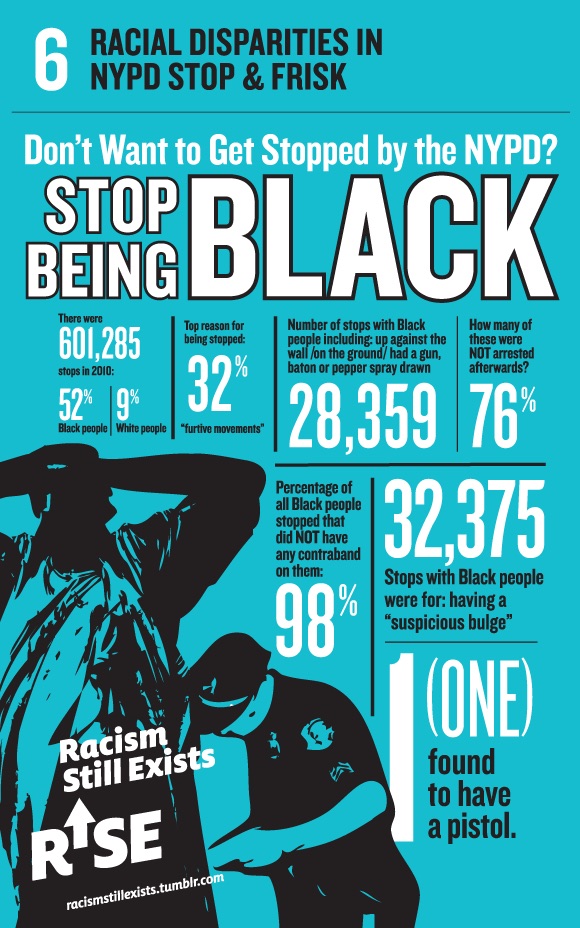
The Urban Institute’s national Well-Being and Basic Needs Survey (WBNS) shows that in 2024, Black adults faced any fines and fees at higher rates than others (figure 1). That year, 24 percent of Black working-age adults said someone in their household had been assessed or owed a fine or fee, compared with 18 percent of White adults. Black adults were also twice as likely as White adults to report having been assessed court- or incarceration- related costs, in particular, which often carry larger financial burdens and severe consequences for nonpayment. [MORE]