Spacism and Racism in Berkeley, the bastion of White Liberalism: Study Finds Black People are Disproportionately Stopped by UCPD
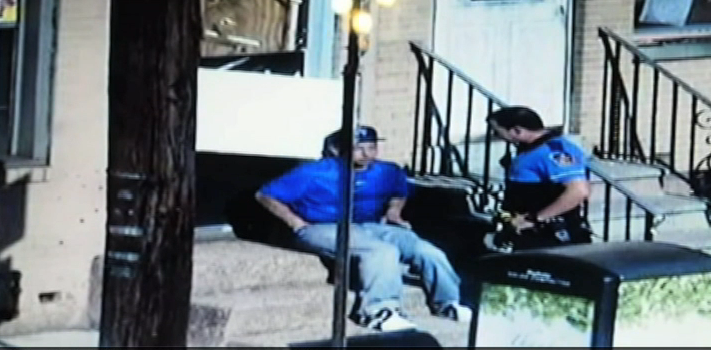
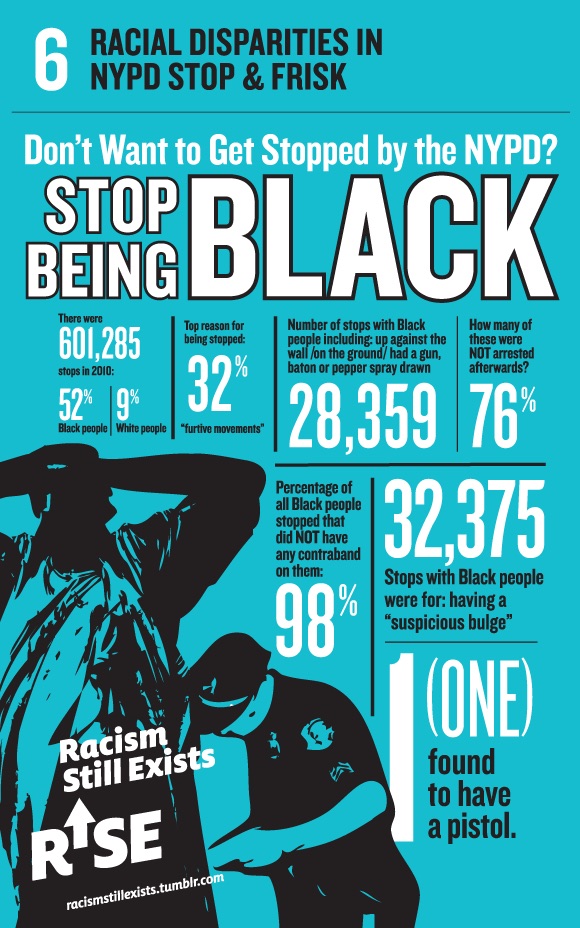
/Black individuals are stopped by campus officers at rates far exceeding their share of both the UC Berkeley community and Alameda County’s population.
Of the 350 stops involving UC Berkeley affiliates from July 2024 to June 2025, 47 were Black campus community members. This means that 13.4% of total affiliate stops involved a group that represents only 5.1% of the UC Berkeley community.
Among all 2,289 stops in the data — campus students, staff and faculty and non-affiliates combined — the Black community accounts for 25.7% of stops, despite only representing 10.3% of Alameda County’s population.
“The figures cited reflect raw stop data but do not account for the broader population UCPD serves, including a significant number of non-affiliated individuals on an open campus and geographically dispersed UC properties located in the city of Berkeley, Albany, Emeryville, and Richmond,” UCPD said in a statement. “Comparing total stops to student demographics alone does not provide an accurate benchmark for assessing if there are disparities.”
However, comparing stops of UC Berkeley Black individuals to the UC Berkeley Black community alone shows that Black community members are stopped at nearly three times their share of the campus population.
This pattern is not exclusive to UC Berkeley’s campus. The Daily Bruin reported that Black people account for more than 24% of UCPD stops at UCLA despite making up only 6.7% of UCLA students and 5.3% of Westwood residents. [MORE]
African American studies professor Nikki Jones, who served as faculty co-chair of UC Berkeley’s first Independent Advisory Board on Police Accountability and Community Safety, said the numbers reflect a troubling but familiar dynamic.
“Black students are a very small segment of the population on campus,” Jones said. “When you see those kinds of stop numbers, one thing it shows you is that on campus, they are both invisible in some ways, and can be hypervisible (in others). The hypervisibility comes when they are seen by law enforcement as suspicious or suspect for doing nothing more than being near campus, or in a group together on campus.”