What to Know: Prosecutorial Misconduct and the Death Penalty Disproportionately Harms Black People
/DPI’s “What to Know” series examines capital punishment from multiple angles, one topic at a time. Each installment provides essential facts and data on specific aspects of the death penalty.
Why it matters: More than 600 capital convictions or death sentences have been overturned or led to exonerations because of prosecutorial misconduct, and researchers say the true scope of the problem is likely far greater.
DPI has identified more than 600 instances in which a capital conviction or death sentence has been overturned or a death-sentenced prisoner was wrongfully convicted as a result of prosecutorial misconduct.
More than 6.3% of all death sentences imposed since 1972 were reversed because of prosecutorial misconduct or resulted in an exoneration.
Of the 202 total death row exonerations, at least 144, or roughly 70%, involved prosecutorial misconduct specifically (a subset of the broader “official misconduct” category, which also includes police and other government misconduct).
The most common types of misconduct were withholding favorable evidence, implicated in 35% of reversed convictions or sentences, and improper argument, present in 33% of reversed sentences.
A report by Harvard Law School’s Fair Punishment Project found that just five prosecutors with high rates of misconduct are responsible for more than 440 death sentences.
Key Facts
Prosecutorial misconduct is rarely punished. Many instances of misconduct go unaddressed, and most prosecutors who commit misconduct are not held accountable.
Courts frequently deny relief even when misconduct is proven, dismissing it as “harmless error.” DPI’s documented misconduct dataset reflects only cases where courts concluded that violations were serious enough to warrant reversal.
Evidence suppression is the most common form of misconduct. Under the 1963 U.S. Supreme Court ruling in Brady v. Maryland, prosecutors have a constitutional duty to turn over all evidence favorable to the defense. DPI’s Prosecutorial Accountability project lists more than 200 capital convictions or death sentences that have been reversed based on prosecutors’ failure to disclose exculpatory evidence. A study in the Journal of Criminal Law and Criminology found that courts found Brady violations in 10% of cases reviewed, and prosecutors “were almost never referred to the Bar for discipline.”
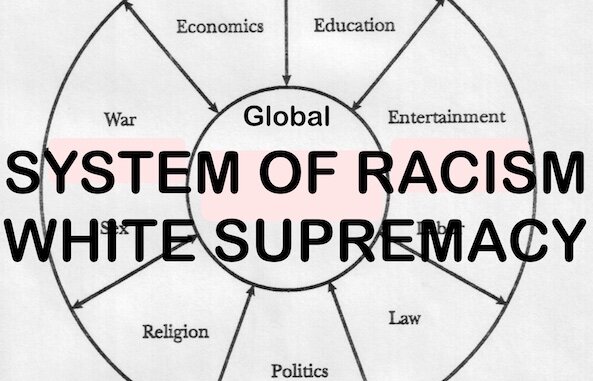
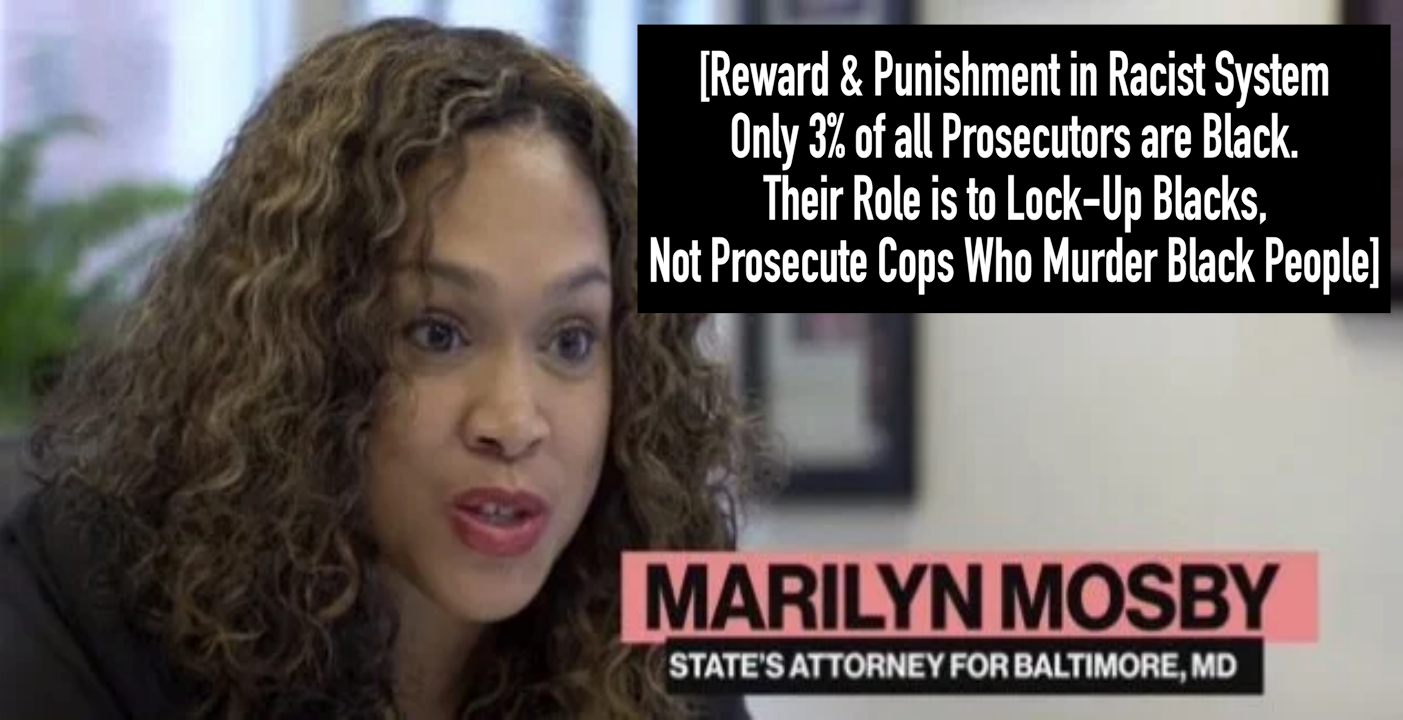
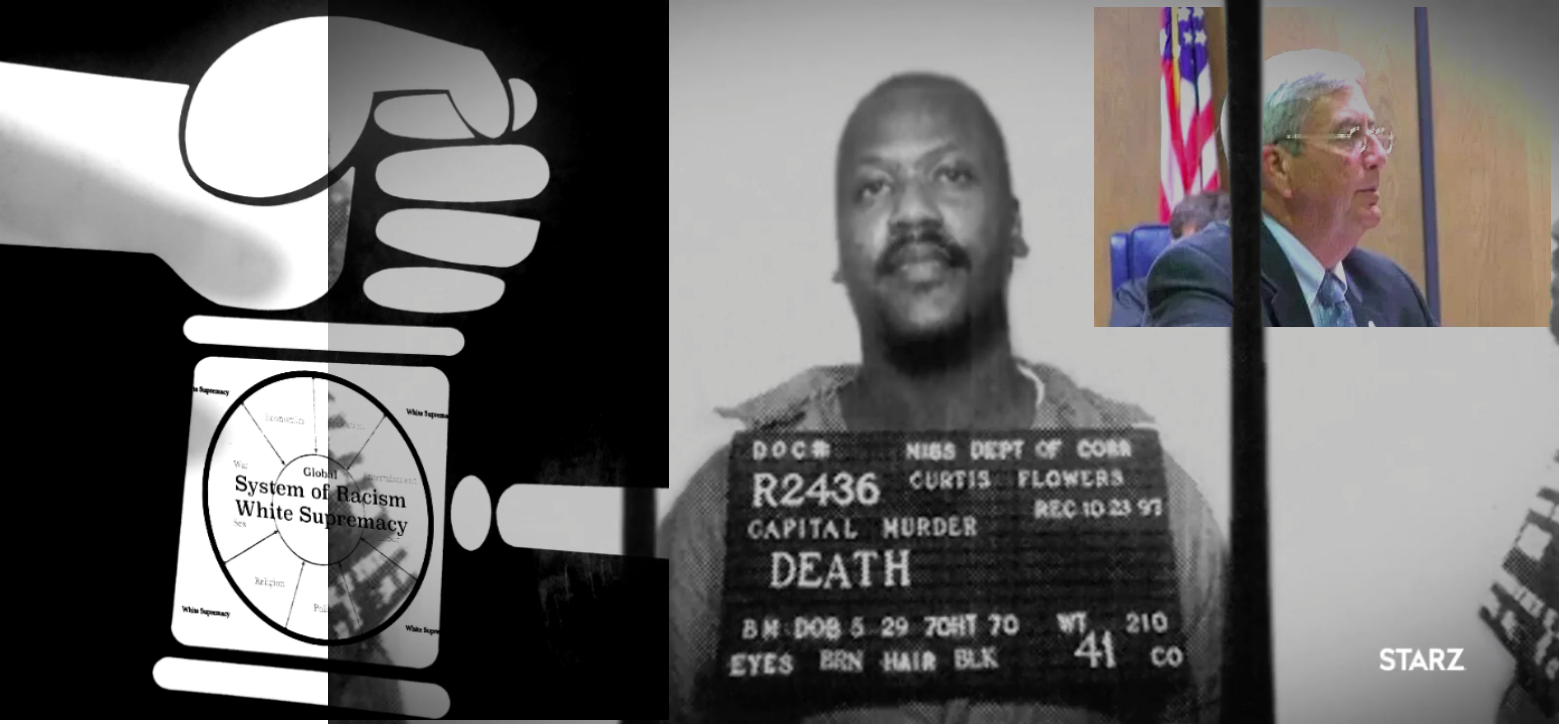
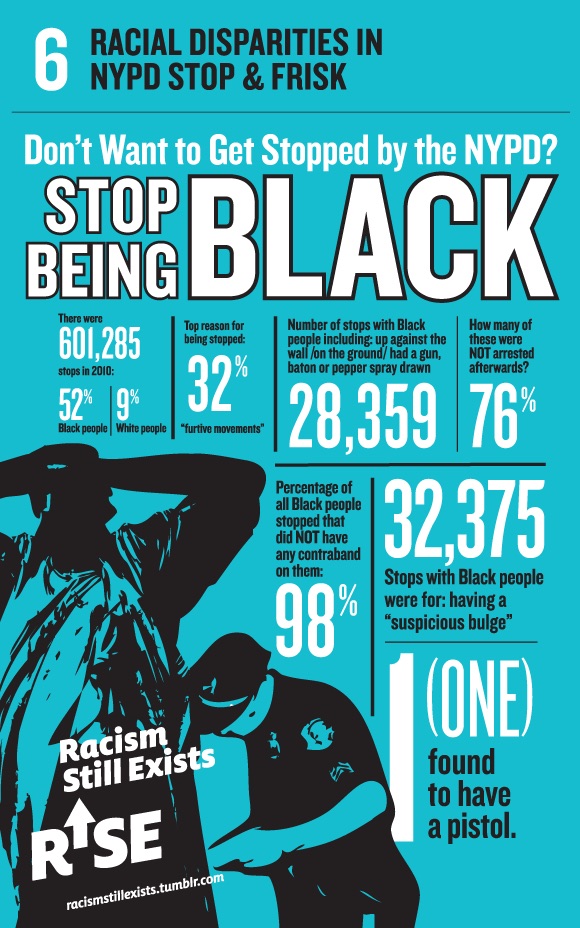
Racial disparities compound the problem. Prosecutorial misconduct can include the illegal exclusion of people of color from juries, in violation of Batson v. Kentucky. All-white and nearly all-white juries have been found to be more conviction-prone and more likely to impose death sentences. A 2020 report by the National Registry of Exonerations found that police or prosecutorial misconduct occurs more frequently when the defendant is a Black person.
Misconduct prolongs wrongful imprisonment. Exonerations take longer in cases involving official misconduct because of ongoing efforts by government officials to hide misconduct and false testimony or accusations. Prosecutorial offices also tend to more aggressively defend cases and legal claims in which official misconduct is charged. Official misconduct was present in all eight of the cases in which an exoneration occurred 31or more years after conviction.
The problem isn’t limited to capital cases. Official misconduct was the leading cause of wrongful convictions in 2024, present in at least 104 exonerations, or roughly 71% of all exonerations during the year. Misconduct contributed to wrongful convictions in about 79% of homicide exonerations. [MORE]