Fear is the Mind Killer and "The Foundation of Every Government’s Power”
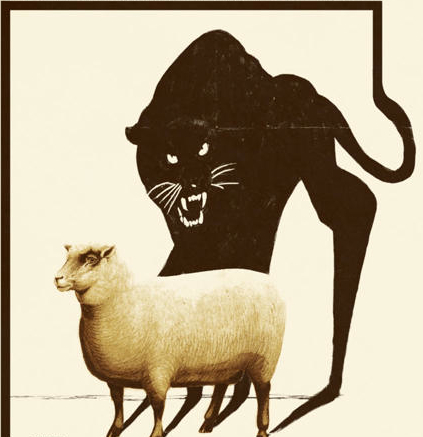
/All animals experience fear—human beings, perhaps, most of all. Any animal incapable of fear would have been hard pressed to survive, regardless of its size, speed, or other attributes. Fear alerts us to dangers that threaten our well-being and sometimes our very lives. Sensing fear, we respond by running away, by hiding, or by preparing to ward off the danger. To disregard fear is to place ourselves in possibly mortal jeopardy. Telling people not to be afraid is giving them advice that they cannot take. Even the man who acts heroically on the battlefield, if he is honest, admits that he is scared. “He would be a sort of madman or insensible person,” Aristotle wrote, “if he feared nothing, neither earthquakes nor the waves” (1938, 249). Our evolved physiological makeup disposes us to fear all sorts of actual and potential threats, however, even those that exist only in our imagination.
And thy life shall hang in doubt before thee; and thou shalt fear day and night,and shalt have none assurance of thy life. (Deuteronomy 28:66)
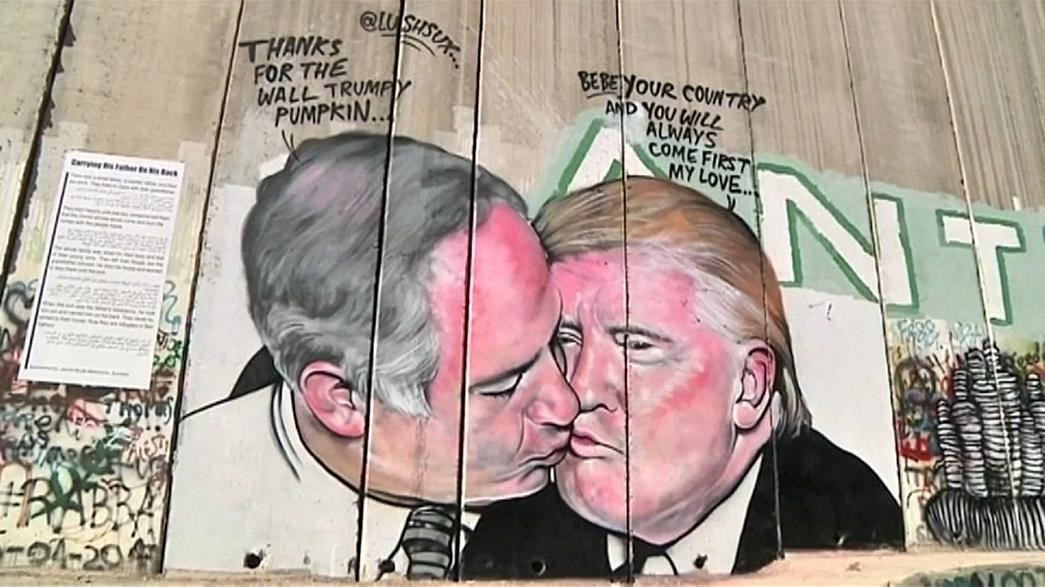
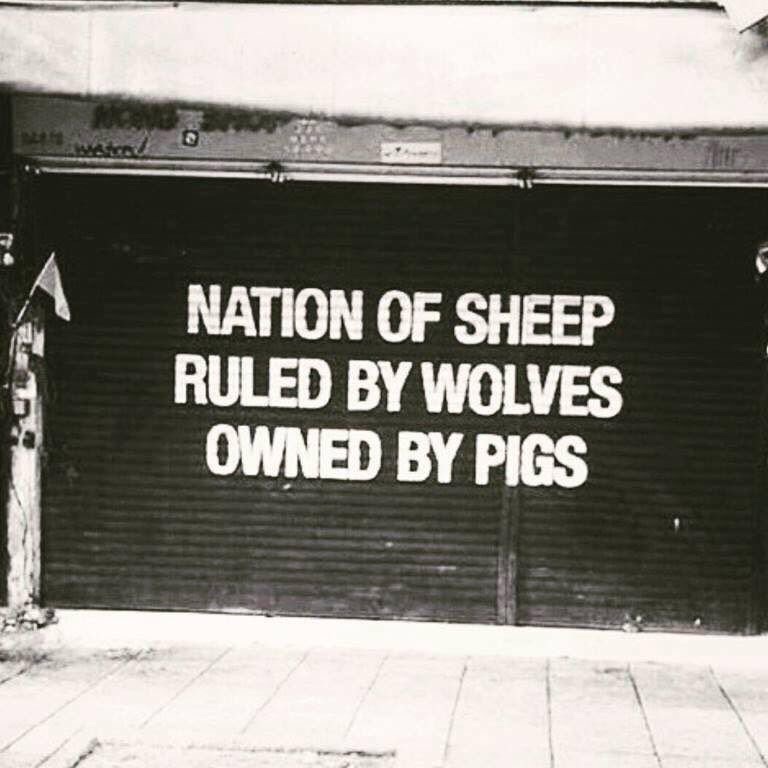
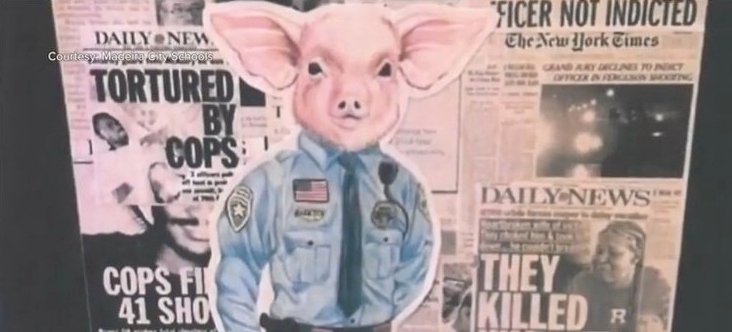
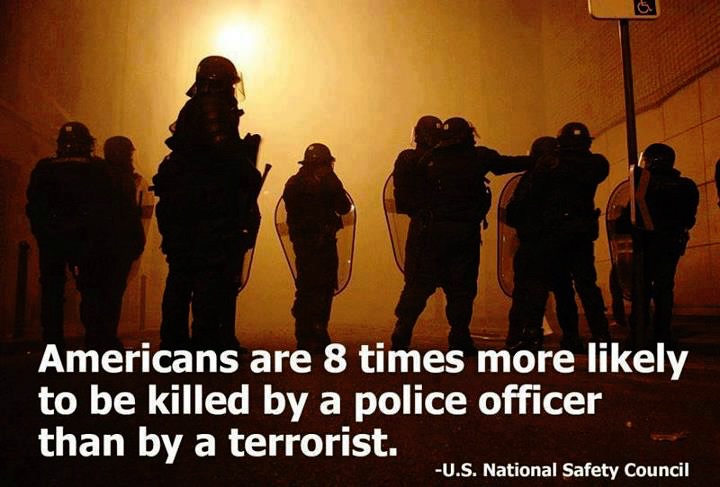
The people who have the effrontery to rule us, who call themselves our government, understand this basic fact of human nature. They exploit it, and they cultivate it. Whether they compose a warfare state or a welfare state, they depend on it to secure popular submission, compliance with official dictates, and, on some occasions, affirmative cooperation with the state’s enterprises and adventures. Without popular fear, no government could endure for more than twenty-four hours.
David Hume argues that all government rests on public opinion, and many oth- ers have endorsed his argument (e.g., Mises [1927] 1985, 41, 45, 50–51, 180; Roth- bard [1965] 2000, 61–62), but public opinion, I maintain, is not the bedrock of government. Public opinion itself rests on something deeper and more primordial: fear. Hume recognizes that the opinions that support government receive their force from “other principles,” among which he includes fear, but he considers these other principles to be “the secondary, not the original principles of government” ([1777] 1987, 34). He argues: “No man would have any reason to fear the fury of a tyrant, if he [the tyrant] had no authority over any but from fear” (34, emphasis in original). We may grant Hume’s statement yet still maintain that the government’s authority over the great mass of its subjects rests fundamentally on fear.
Murray Rothbard considers fear briefly in his analysis of the anatomy of the state, classifying its instillment as “another successful device” by which the rulers secure from their subjects acceptance of or at least acquiescence in their domination—“[t]he present rulers, it was maintained, supply to the citizens an essential service for which they should be most grateful: protection against sporadic criminals and marauders” ([1965] 2000, 65)—but Rothbard does not view fear as the fundamental basis on which the rulers rest their domination, as I do here. Of course, as many scholars have recognized, ideology is critical in the long-term maintenance of governmental power. Yet every ideology that endows government with legitimacy requires and is infused by some kind(s) of fear. Unlike Rothbard, who views the instillment of fear as only one “device” among several by which the government retains its grip on the masses, I maintain that public fear is a necessary (though perhaps not a sufficient) condition for the viability of government as we know it.3
Jack Douglas comes closer to my own view when he observes that myths (a term he uses in roughly the same way that I use the term ideologies) “are predominantly the voice of our emotions, the images of our passionate hopes and fears, or our pas- sionate longings and hatreds” (1989, 220, emphasis added, see also 313 on “the very powerful fear of death that reinforces all of the others [the other natural passions]”). In his extended argument about the longstanding, overarching “myth of the welfare state,” however, Douglas places more emphasis on the element of hopes (millennial- ism) than on the element of fears. Yet even the ideological hopes, I maintain, often center on people’s hopes for governmental deliverance from various sorts of fears. As David Altheide remarks, “People do want to be ‘saved’ and ‘freed,’ but they want to be saved and freed from fear, and this is what makes the [mass media’s] messages of fear so compelling and important for public policy and the fabric of our social life” (2002, 15–16).
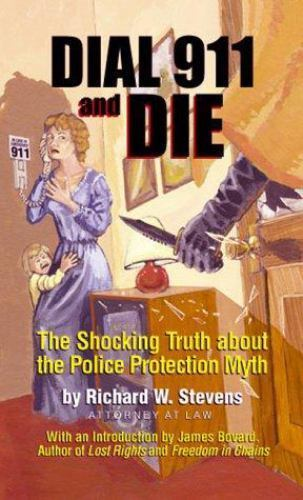
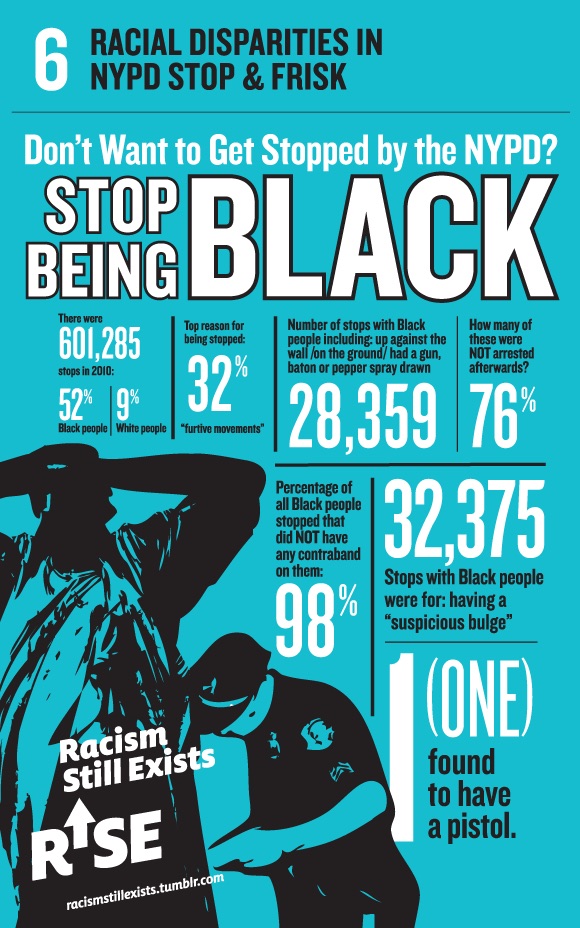
The fear need not be of the government itself and indeed may be of the dan- ger from which the government purports to protect the people. Of course, some of the threats that induce subjects to submit to government in the hope of gaining its protection and thereby calming their fears may be real ones. I am not maintaining that people who look to government for their salvation act entirely under the sway of illusory threats, although I do insist that nowadays, if not always, many public fears arise in large part, if not entirely, from stimulation by the government itself. If the people’s fears may be (1) of the government itself, (2) of real threats from which the people look to the government for protection, and (3) of spurious threats from which the people look to the government for protection, we must admit that the relative importance of each type of fear varies with time and place. In every case, however, the government seeks to turn public fear to its own advantage.4 “Directing fear in a soci- ety is tantamount to controlling that society. Every age has its fears, every ruler has his/her enemies, every sovereign places blame, and every citizen learns about these as propaganda” (Altheide 2002, 17, see also 56, 91, 126–33, 196, and passim). [MORE]