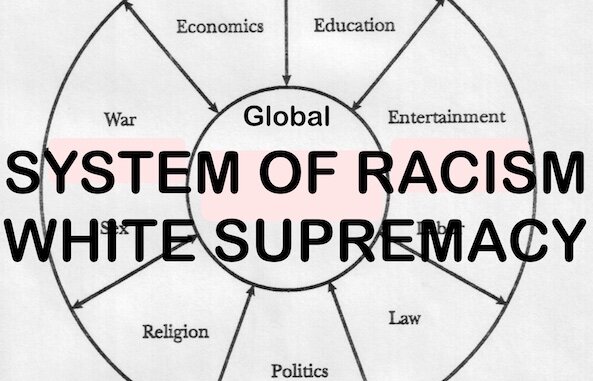
Study: Denying the Existence of Racism Harms Minority Children
/African-American preschoolers whose parents say they don't
believe racism is a problem are more likely to be depressed or anxious,
a new study indicates. Racism is a reality," lead author Dr. Margaret
O'Brien Caughy said. "It does have impact on very young children. And
we have to acknowledge that," she noted. Caughy said that there are
many reasons why young children may become anxious if their parents
deny the existence of racism. For one thing, parents who experience
racism but don't acknowledge it may be anxious or depressed themselves,
and pass that onto their children, she noted. Otherwise, young children
may witness signs of racism around them, and become upset when their
parents' opinions don't match their experience. "If (children) see in
their day-to-day lives that racism is real, but their parents don't
acknowledge it, could that create anxiety?" Caughy asked.
Traditionally, people who report they have experienced racism are more
likely to have problems with their physical or mental health. In order
to investigate whether denying instances of discrimination hurts health
even more, Caughy and her team interviewed 200 African-American
families with children aged 3 or 4. Caughy, who is based at the
University of Texas Health Sciences Center in Dallas, along with her
colleagues, asked parents how often they experienced racism and how
they coped with it, then measured children's behavior. [more]