New Report says Black People Make Up 50% of the Homeless in Chicago despite being Only 33% of the Population
/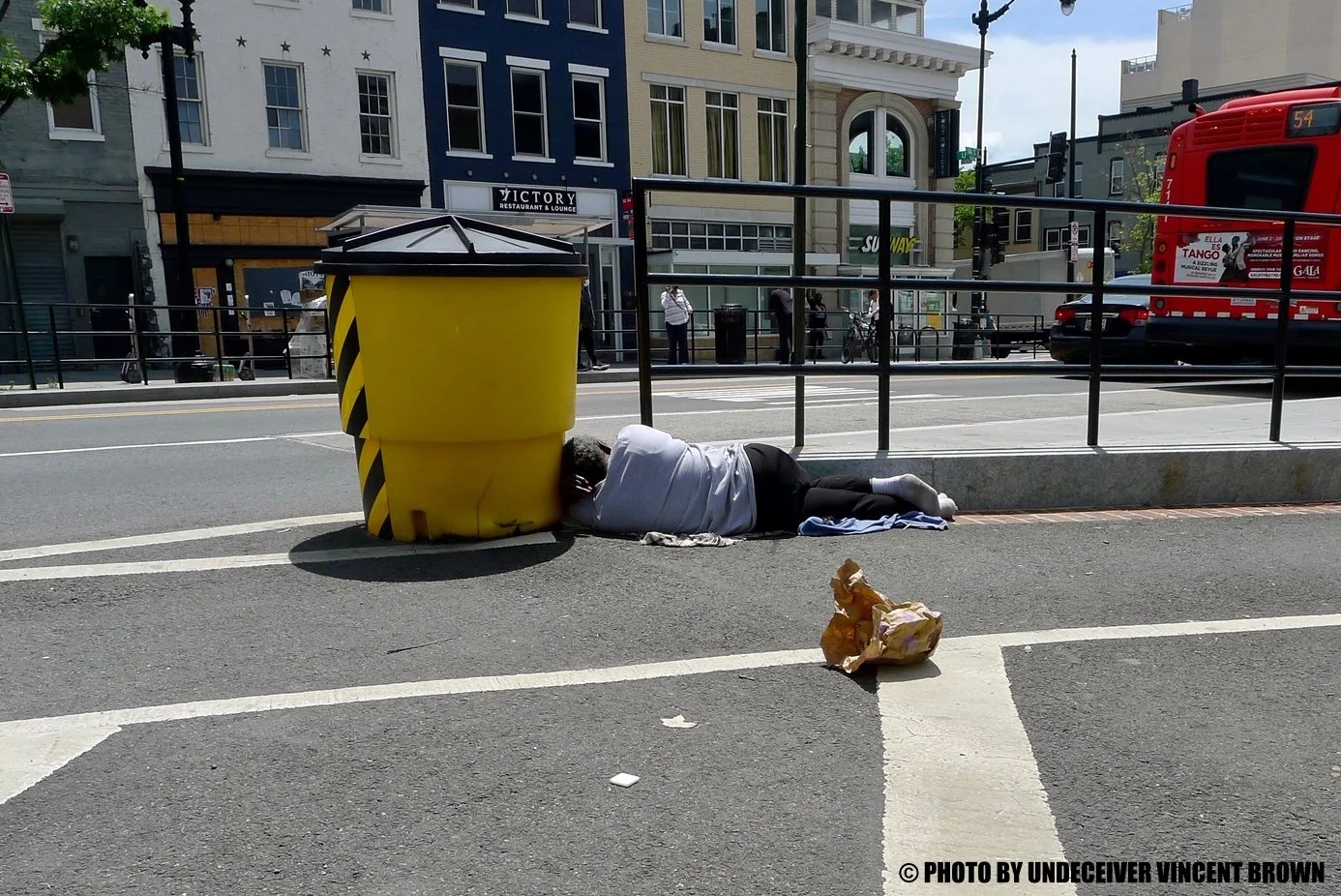
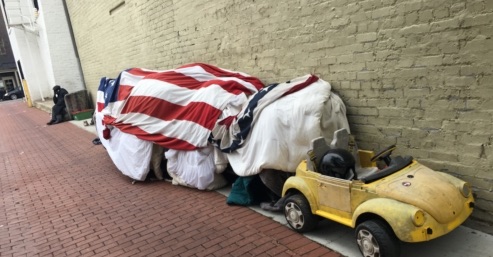
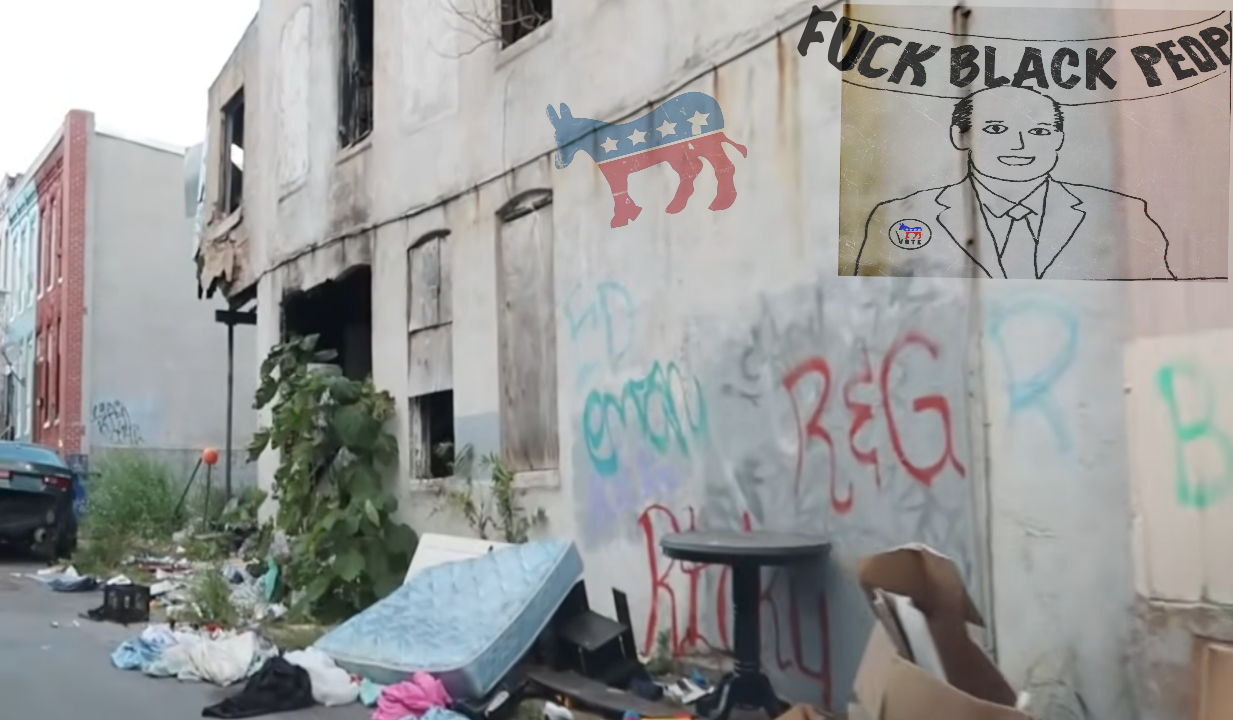
PHOTO IS THE PROPERTY OF VINCENT BROWN, THE UNDECEIVER
From [HERE] More than 58,000 Chicagoans experienced homelessness in 2024, according to a new report from the Chicago Coalition to End Homelessness. The new data reveals homelessness in the city is more widespread than official counts show.
The report provides a stark contrast to the annual “point-in-time” count, a snapshot of the number of people experiencing homelessness in a single night, conducted each year by the Chicago Department of Family and Support Services. That count found that about 19,000 people were homeless in 2024. The city’s next point-in-time count will be Thursday night.
“The point-in-time count is flawed to begin with,” said M Nelsen, manager of city policy for the coalition. “It happens one night a year, in January. It’s led by volunteers, and it’s only going by the definition of homelessness as people who stay in emergency shelters or other places not meant for human habitation.”
Nelsen said volunteers may miss people living in abandoned buildings or in cars, or those couch surfing or staying at friends’ or relatives’ homes, what’s known as “doubled up.” Doubled-up homelessness, the report shows, is nearly three times more common than street and shelter homelessness in Chicago.
The coalition’s analysis found that 58,625 Chicagoans experienced homelessness in 2024, more than three times greater than the 18,836 reported by city officials for that year. The 2025 point-in-time count was 7,452 — a decrease resulting from fewer migrants seeking shelter than in 2024. The coalition will not have the 2025 tally until the end of this year due to a delay in data from the U.S. Census Bureau and other sources, Nelsen said.
“Both the estimate from the [coalition] report and the estimate from the 2024 [point-in-time] data are helpful. They represent different things, and we use these data points in different ways in our planning,” a spokesperson for the city’s family and support services said in a statement. The spokesperson added that the “point-in-time” count uses definitions of homelessness set by the U.S. Department of Housing and Urban Development.
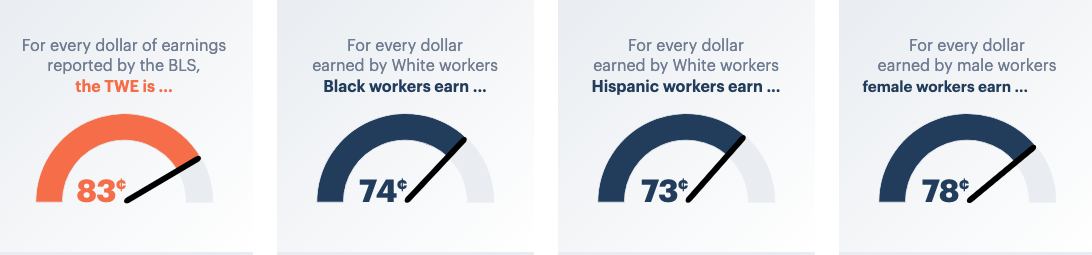
The report also showed that Black Chicagoans are disproportionately affected, with more than 12,000 in shelters or on the streets and nearly 21,000 doubled up. While Black Chicagoans make up less than one-third of Chicago’s population, they account for more than half of those experiencing homelessness.
Nelsen said the overall undercount of homeless Chicagoans matters because the point-in-time count is what is often used by lawmakers to create policies and allocate resources to combat homelessness. [MORE]