Researchers: Unemployment rate isn't accurate
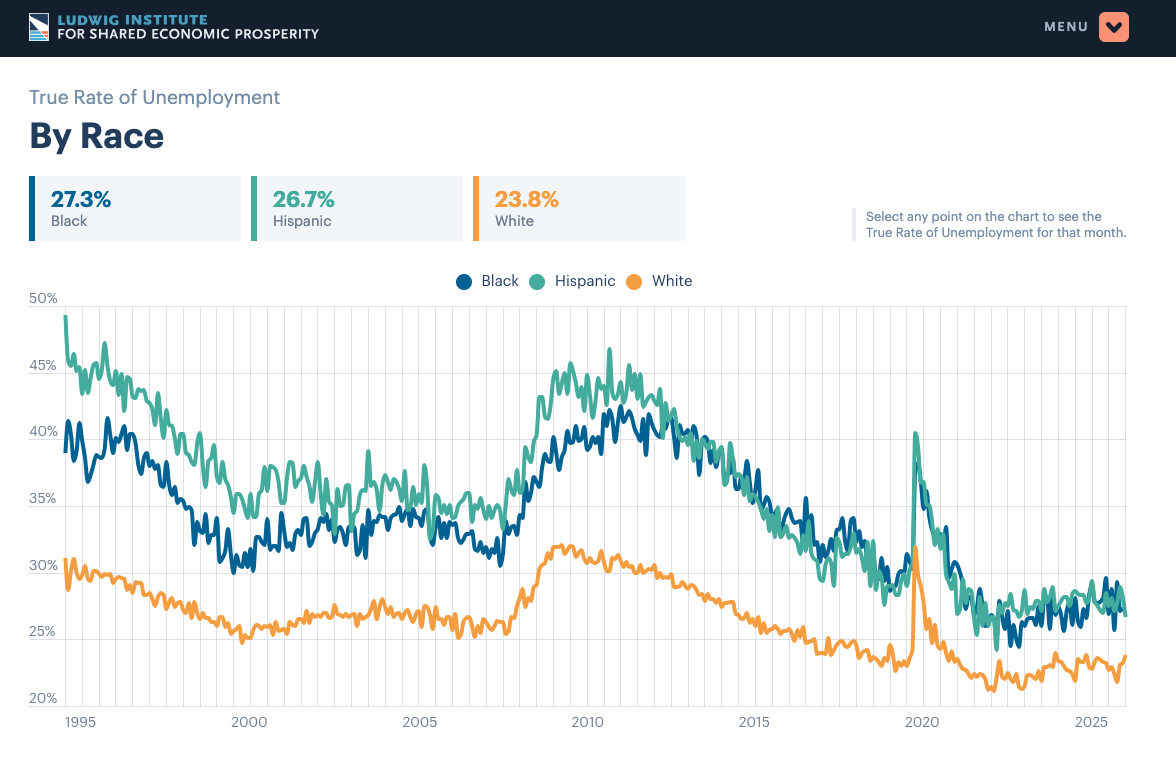
/From [HERE] and [HERE] The U.S. jobs report, a key measure of how well the economy is doing, has gotten increasingly less accurate in the past 20 years. The fix for that problem could be in a surprising place: Twitter.
Those are the conclusions of two separate reports out this month. The first report, published by the National Bureau of Economic Research, found that the unemployment number released by the government suffers from a problem faced by other pollsters: Lack of response. This problem dates back to a 1994 redesign of the survey when it went from paper-based to computer-based, although neither the researchers nor anyone else has been able to offer a reason for why the redesign has affected the numbers.
What the researchers found was that, for whatever reason, unemployed workers, who are surveyed multiple times are most likely to respond to the survey when they are first given it and ignore the survey later on.
The report notes, "It is possible that unemployed respondents who have already been interviewed are more likely to change their responses to the labor force question, for example, if they want to minimize the length of the interview (now that they know the interview questions) or because they don't want to admit that they are still unemployed."
This ends up inaccurately weighting the later responses and skewing the unemployment rate downward. It also seems to have increased the number of people who once would have been designated as officially unemployed but today are labeled as out of the labor force, which means they are neither working nor looking for work.
Researchers at the University of Michigan say they may have found a better way to measure changes in the unemployment rate in Twitter. Professor Matthew Shapiro and other researchers at the university searched for words and phrases commonly used to talk about jobs and unemployment, like "lost work." [MORE]