Sheriff Joe Arpaio Accepted Award From Confederate Group With "History of White Supremacy,"
/
Besides the announcement of plans to deploy armed posse members at schools, another Sheriff Joe Arpaio story that broke yesterday concerns his acceptance last year of an award by a confederate group.
Salon, an online magazine with a national presence, published an article yesterday about the mini award ceremony in Arpaio's office back in October of 2011. The magazine got the tip from a researcher who says the group, the Sons of Confederate Veterans, "has an interesting history of white supremacy which continues to this this day."
The Salon story even includes the accompanying picture from the SCV newsletter of Arpaio accepting the award.
The Supreme Court ruled recently that it did not want to presume that Arpaio's racist sherif department would enforce the Arizona "papers please" law in a racist manner. As such, lawsuits challenging the law were premature.
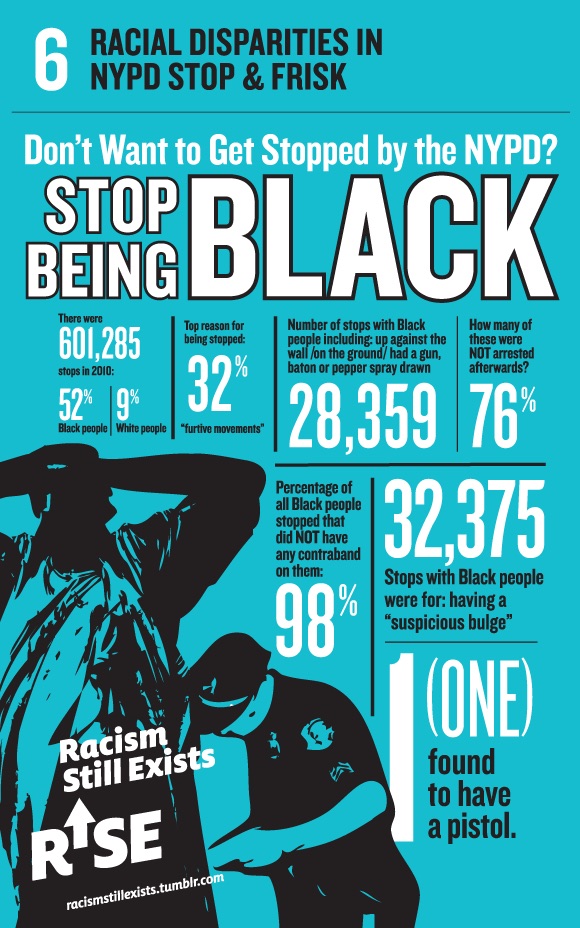
Section 2(B) gives police too much discretion when stopping or detaining persons while “checking” their citizenship status. The National Association of Criminal Defense Lawyers (NACDL) and AACJ argued in their brief that Sec. 2(B) cannot be implemented without racially profiling Latinos in violation of the Fourth Amendment’s prohibition on unreasonable searches and seizures and the Fourteenth Amendment’s Equal Protection Clause. (That is, police stops and detentions of persons based on physical characteristics or persons who look Latino (brown skinned persons or darker skinned persons who could appear to be African, Cuban, Dominican, Hatian or West Indian immigrants) to the police are reasonable in Arizona - any stop and detention of a non-white person). Even lawful detentions and arrests become unconstitutional when the detention becomes prolonged or unreasonable. If officers rely on profiling characteristics such as a person’s ethnicity in determining whether a person should be detained for an immigration check, Sec. 2(B) becomes an unconstitutional “stop-and-identify” law repugnant to all citizens. [HERE] and NACDL amicus curiae brief.