Dismantling Israeli Apartheid
/|
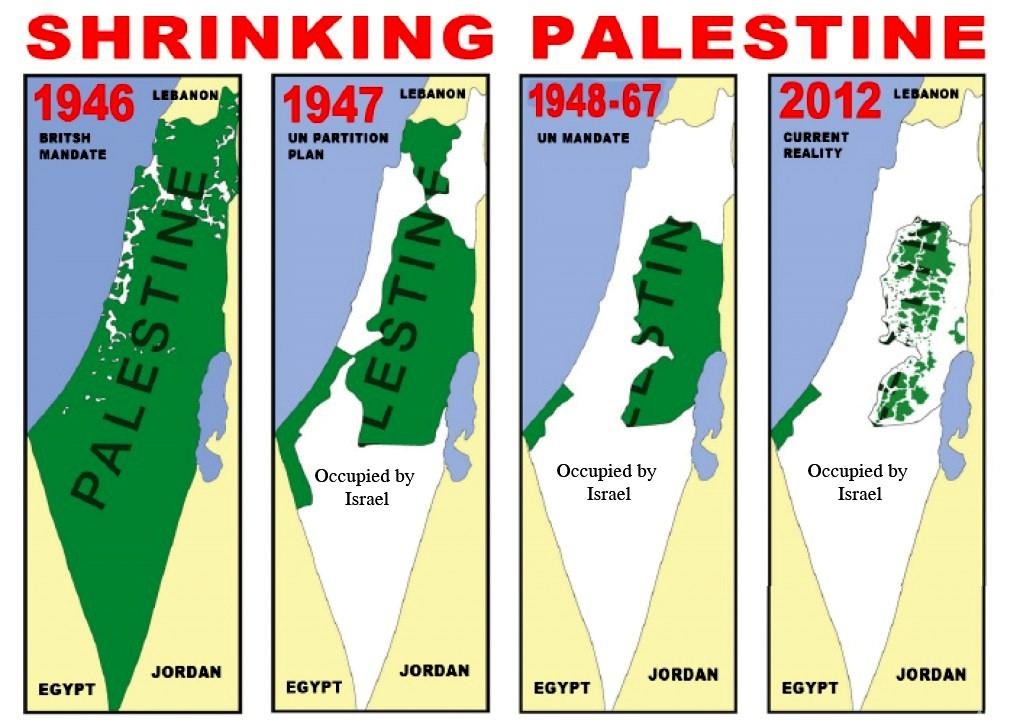
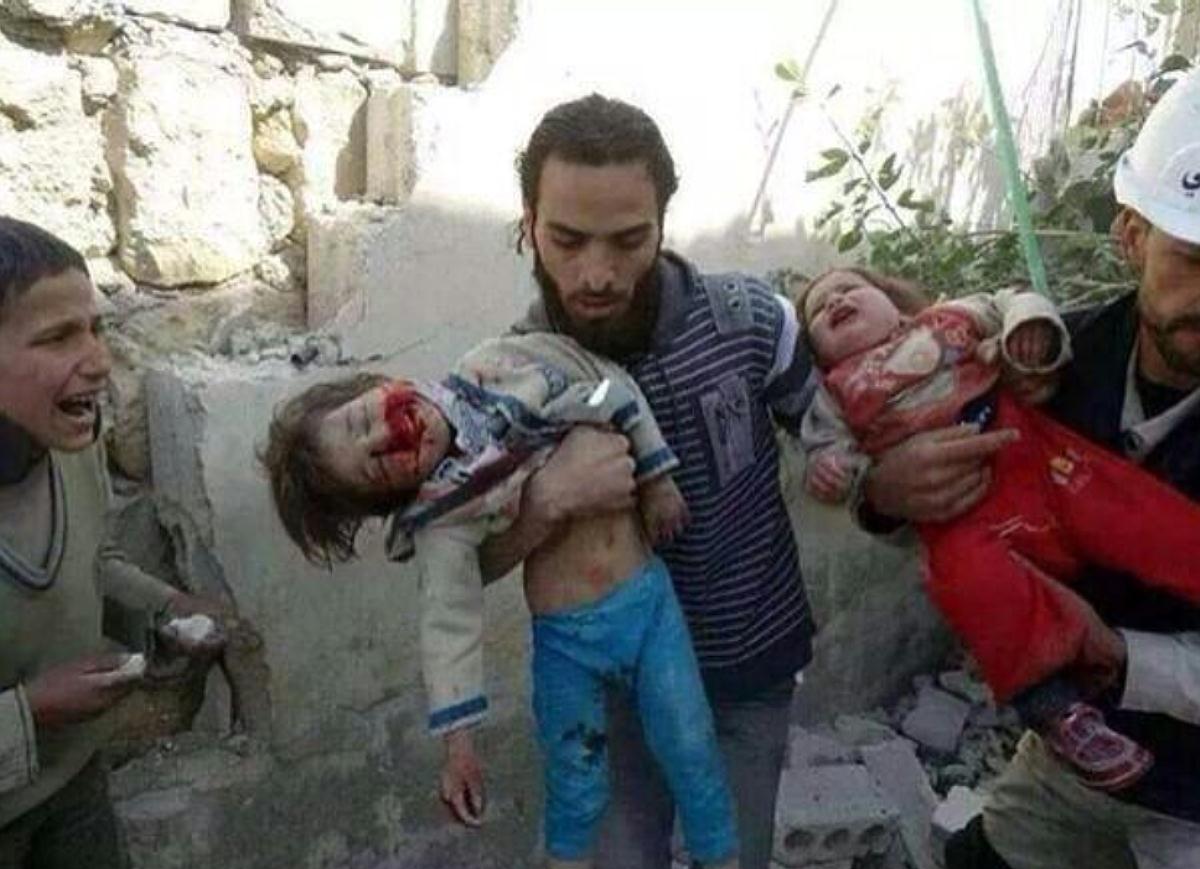
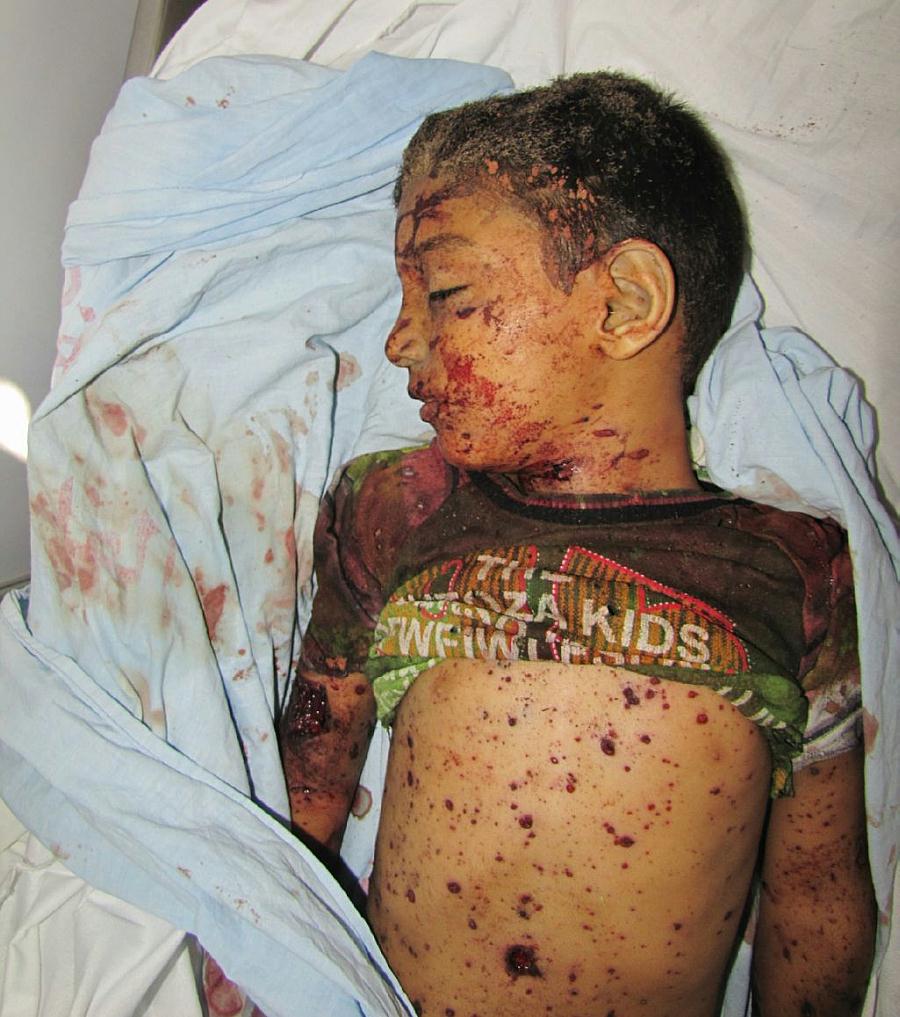
Israeli Discrimination The assessment that Israel is a racist country is not mine in origin. On November 10, 1975, the United nations General Assembly adopted Resolution 3379, which ends with an undying truth: “…which most severely condemned Zionism as a threat to world peace and security and called upon all countries to oppose this racist and imperialist ideology, Determines that Zionism is a form of racism and racial discrimination.” Another important text appearing in this resolution is: “international co-operation and peace require the achievement of national liberation and independence, the elimination of colonialism and neo-colonialism, foreign occupation, Zionism, apartheid and racial discrimination in all its forms,…” Almost 35 years later—on October 16, 2009—the same United Nations adopted the The Goldstone Report, which condemned Israel on its brutal attack on Gaza. The report defines Israel as a terror inflicting organization (Article 1690 and others, download here the full text). The brutality of the events described there—including the illegal bombing of civilians within a hospital with white phosphorous—leaves no place for doubt: despite the cancelation of Resolution 3379 (a blackmailing precondition for the Madrid Conference, see Zion, Sex and Resolution 3379 and White September) Israel didn’t change attitude. Israel wouldn't have attacked West Bank settlers with white phosphorous, even if persecuting them. Gaza is entirely populated by Palestinians—Jewish Settlements there were dismantled in 2005—and the attack on them had clear racist implications: since the 19th century Zionism silently performs ethnic cleansing. Racism in Israel is as extreme as the South African was, but is slightly different in its machinery. Compared to South Africa, the Israeli Administration has an easy task. Israel has no constitution; its government can legislate through the Knesset whatever law it wishes. In the 1990s, Israel’s parliament begun to create Basic Laws (note the noncasual similarity with The Basic Law for the Federal Republic of Germany, expecting them to became the basis for a future constitution. The effort failed. First, they have proven to be easily changeable whenever the largest party wishes so. Second, they were never ratified by the citizens. Third, they are incomplete because they ignore Human Rights issues. Moreover, they are often manipulated against basic rights, as the Jewish Fatherland Law has recently proven. Since the constitutional legislative level is missing, the Israeli Administration can adopt racist procedures without the need to care about human rights. South Africa formally divided people into four races. Israeli never did that. However, its IDs clearly identify one’s ethnic group and religion, as decided by the Ministry of Interior (see The Cross of Bethlehem). This has deep implications in daily life, specifically regarding the rights and debts one has towards the state. The Israeli parallel to the South African Group Areas Act is equally quiet. Ethnic and religious groups live in separated area. Formally, the administration claims that there are “mixed cities,” citing Jerusalem, Haifa, Jaffa, Ramle and Lod. In fact, all these feature exclusive neighborhoods; looking at this level, racism is exposed. It can’t be claimed this is done willingly by the people. Recently I reported on Tzfat’s rabbi—a government official—who violently made sure Palestinians renting houses in his town would be evicted. Moreover, in Israel: End of a Dream, I analyzed how this is done through economic means by manipulation of the properties values. Moreover, academic studies on the institutional discrimination among Jewish groups are readily available. Finally, Israel doesn’t need the related the Reservation of Separate Amenities Act; Palestinians won’t dare entering a Jewish shopping mall. Ending the comparison to South Africa, is the Bantu Education Act. Israel doesn’t need it. In November 2002, Israel’s Central Bureau of Statistics claimed that Arabs comprised approximately 7% of all students at Israeli universities. The semantics are misleading. The term “Arab” as used here refers mainly to Palestinian citizens of Israel. Yet, it includes also other minorities like Druze and Circassians who serve in the IDF and thus get a preference in university studies. Even taking this factor into account the discrimination is evident: “Arabs”—as defined by the abovementioned bureau—form 20% of the population. This analysis also ignores the quality factor; Arabs have little chance to enter elite faculties and institutions. While I was there, The Weizmann Institute of Science had only one Palestinian student; a Sabbath-Goy placed there to silence any claims of discrimination. Overall, situation in Israel and Apartheid South Africa is similar on the ground, despite minor legal differences. |