Pew Study Finds Black Children are Seven Times more likely than White children to have a Parent in Prison
/From [HERE] Millions of American children have experienced the imprisonment of a parent. A 2025 report by the Pew Charitable Trusts estimated that one in 28 American children had a parent behind bars, compared with one in 125 about 25 years earlier.
The same research found a stark racial disparity: Black children were about seven times more likely than White children to have a parent in prison.
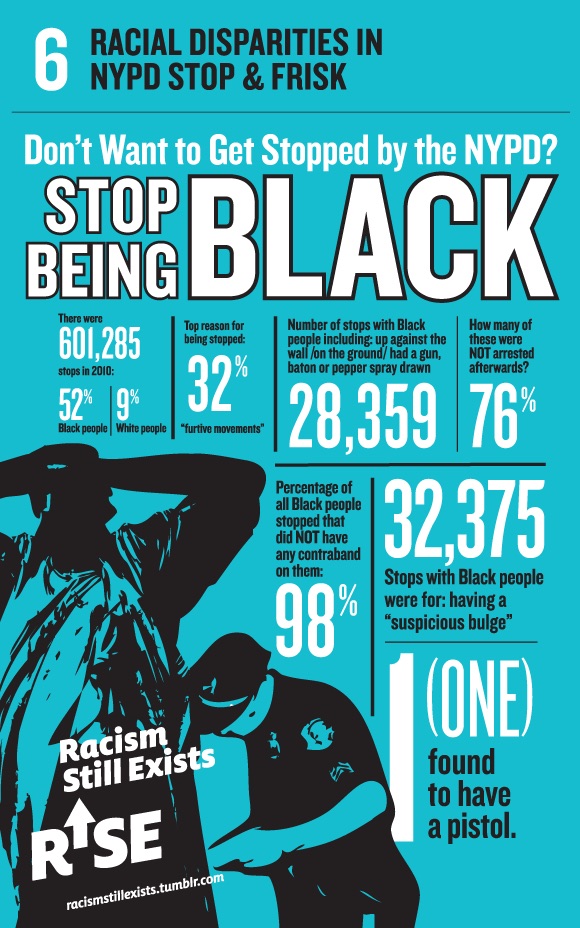
This racial gap reflects broader disparities in the US prison system, where incarceration rates vary sharply across communities, leaving some groups disproportionately exposed to the disruption and hardship caused by imprisonment.
The problem has persisted for decades. The latest detailed national federal data come from the Bureau of Justice Statistics’ (BJS) Survey of Prison Inmates, based on interviews conducted in 2016 and published on March 30, 2021.
The survey estimated that 684,500 state and federal prisoners were parents of at least one minor child, representing 47 percent of state prisoners and 58 percent of federal prisoners. Collectively, these prisoners reported an estimated 1.47 million minor children.
The figures cover people held in state and federal prisons, rather than the entire jail population. The BJS says the 2016 Survey of Prison Inmates remains the latest available national survey of its kind.
That gap in federal data is troubling. Millions of children may be affected by the inhumane policies and practices of the US criminal justice system, yet the federal government lacks a newer nationwide survey providing the same level of detail about the children and families affected by incarceration.
The BJS also found that many of these children were very young. About 19 percent of minor children of state prisoners were under age five, while 48 percent were age 10 or older. Among parents held in federal prison, the average age of a minor child was 10 years.
Behind these statistics are children growing up with an absent parent, families separated by incarceration, and communities bearing consequences that can extend well beyond the prison sentence itself.
What does parental incarceration do to a child?
The damage can begin before a child is even old enough to understand what prison means.
Research has linked parental incarceration during pregnancy and childhood to educational disadvantages, including lower educational attainment, grade retention and truancy.
Mental health is another major concern. Research on children of incarcerated parents has described parental imprisonment as an adverse childhood experience that can affect the entire household, contributing to family disruption, instability and other forms of hardship.
For a child, the consequences can therefore extend far beyond the moment a parent is taken away. The loss of a parent can bring a sudden change in household income, living arrangements, caregiving and emotional support. That disruption can persist long after the parent enters prison, potentially shaping a child's development and prospects for years. [MORE]