Amnesty International Calls for the Abolition of ICE Race Soldiers
/
From [HERE] Amnesty International called Thursday for the abolition of US Immigration and Customs Enforcement (ICE), in a report alleging widespread human rights violations in federal immigration enforcement operations.
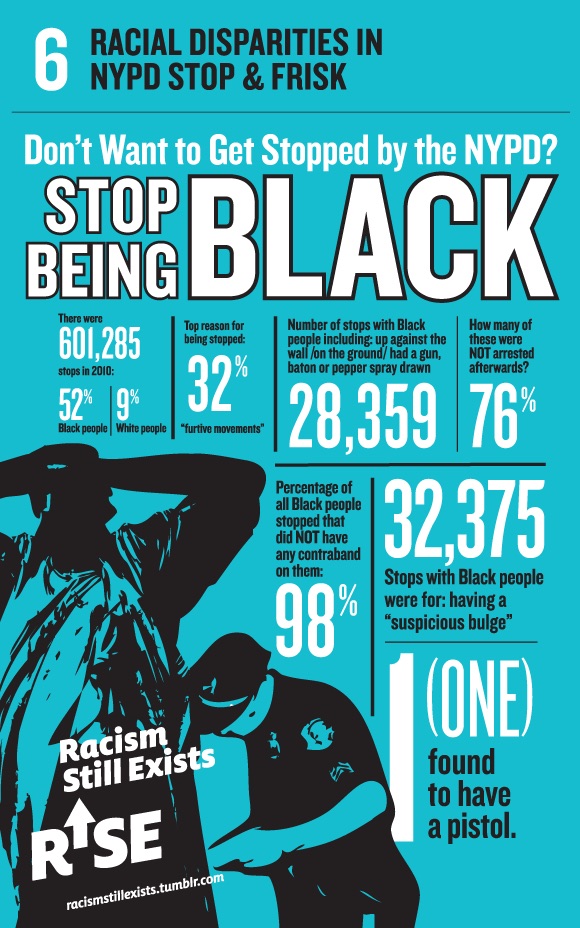
In its 168-page report, Amnesty investigated ICE activity in Chicago, Minneapolis-St.Paul, New Orleans and Washington DC, concluding that in each city officers have relied on racial profiling; arbitrarily arrested individuals based on race, skin color, ethnicity or national origin; used excessive force; engaged in unlawful killings; conducted mass surveillance; held detainees in inhumane conditions; and failed to properly investigate reported violations.
The report attributed these issues to systemic, administration-wide conduct and attitudes, stating:
[T]he human rights violations documented in this report cannot be attributed solely to individual ICE agent misconduct. ICE agents operated within an institutional environment–openly supported and expanded by the Trump administration–in which violent and racially discriminatory immigration enforcement were encouraged by senior government officials, including President Trump.
Amnesty noted agency efforts to expand officers’ ability to detain migrants and asylum-seekers. The Department of Homeland Security (DHS) has lifted prohibitions on arrests in “sensitive locations,” such as schools, churches, hospitals and public protests and the Justice Department has increasingly criminally charged individuals for “illegal entry” under 8 U.S.C. § 1325–a law which had previously laid dormant for “generations.”
Moreover, in the first month of his second term President Trump signed the Laken Riley Act into law, which mandates DHS agents to detain anyone who is unlawfully present in the US and has been charged, arrested, or convicted of burglary, theft, larceny or shoplifting. Critics of the law claim it does not protect the American public so much as it attempts to politically scapegoat immigrants.
Researchers also noted the increased use of mass surveillance, facial recognition technology, helicopters and drones at the studied locations. The group discussed how, when followed by rapid responders, federal agents will often utilize surveillance and ID-ing technology to “drive home” the responders. Officers will commonly locate the individual’s house through databases and lead the responder there as a form of intimidation.
The report additionally alleged inhumane conditions at detention centers, raising concerns about cruel and unusual punishment, and rushed deportation proceedings with minimal notice or hearing, raising concerns about lacking due process.
In examining the four locations studied in the report, researchers described different levels of “institutional safeguards” from increasingly intrusive government conduct. The report discussed the killings of Silverio Villegas González during Chicago’s “Operation Midway Blitz,” as well as Alex Pretti and Renee Good during Minneapolis’ “Operation Metro Surge.”
Amnesty argued that these killings reflect broader problems in current US immigration policy and enforcement. The group contended that immigration enforcement activity has spilled over to affect broader American society and civil rights, stating:
Taken together, the incidents…demonstrate that…federal agents repeatedly used…excessive force during arrests, unlawfully used lethal force in circumstances where individuals did not pose an imminent threat… [F]ederal agents repeatedly used force in violation of international human rights…contributing to a broader pattern of militarized immigration enforcement intended not only to facilitate arrests but also to intimidate communities and suppress peaceful protest.
The group argued the US government should abolish ICE and establish alternative immigration enforcement mechanisms that protect individual rights to privacy, speech, due process, movement, and association, as well as freedom from arbitrary detention and cruel, inhuman or degrading treatment.