Fresno Settles Joseph Perez Case for $10M after Police Murdered Him; 7 White Cops Held Restrained Latino Man Face Down, Attached a Backboard to His Back and Then Sat On it, Smothering Him to Death
/
From [HERE] The family of Joseph Perez will receive more than $10 million from the Fresno Police Department, the Fresno County Sheriff's Office and American Ambulance to settle a wrongful death and excessive force lawsuit stemming from Perez's 2017 death after nearly nine years of litigation.
The settlement resolves claims brought by Perez's family following an incident captured on police body camera video.
"It's been a long time coming for this family," family attorney Niel Gehlawat said.
Perez's mother, Cecilia, expressed her grief over the loss of her son.
"They killed my son, our only son," she said.
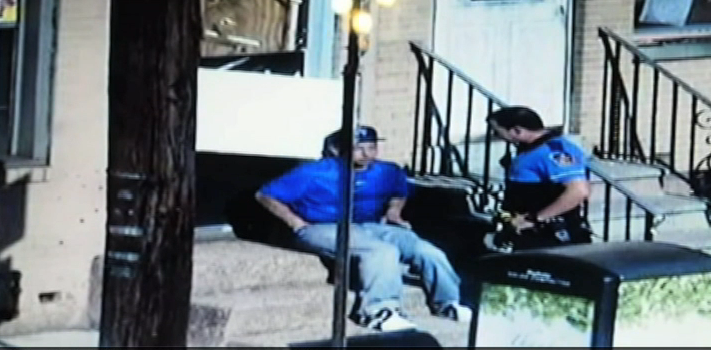
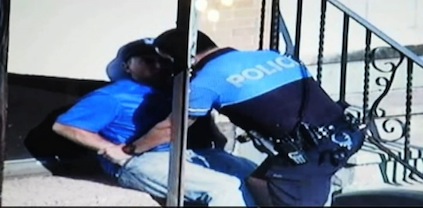
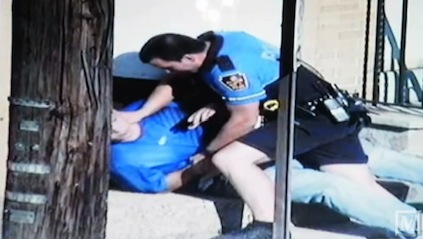
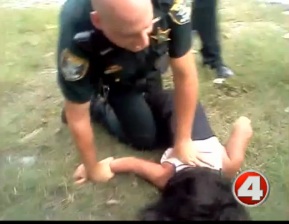
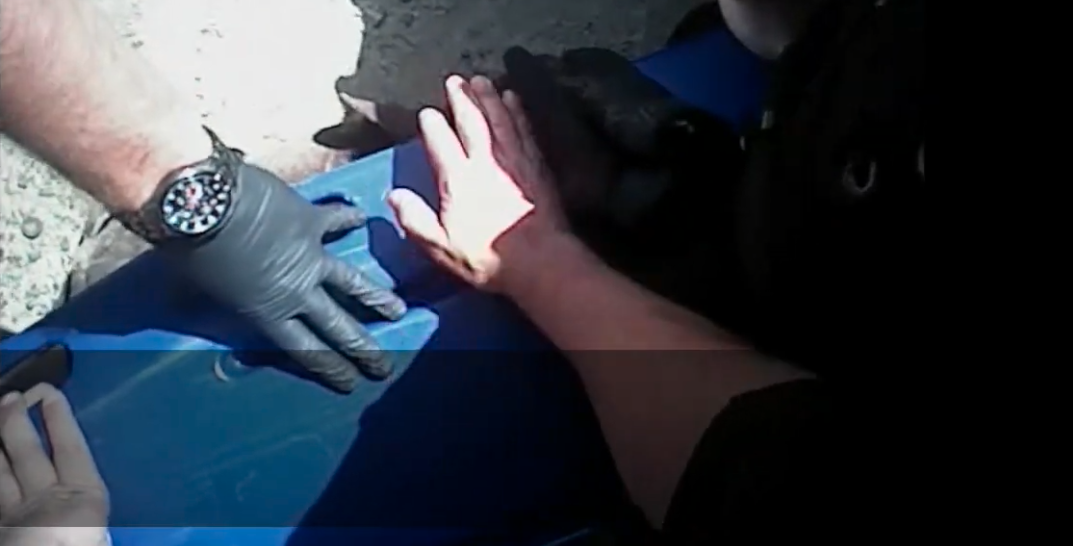
According to body camera footage released by police, the 16-minute, 33-second video shows Perez, 44, struggling with seven law enforcement officers while handcuffed and lying face down on the ground.
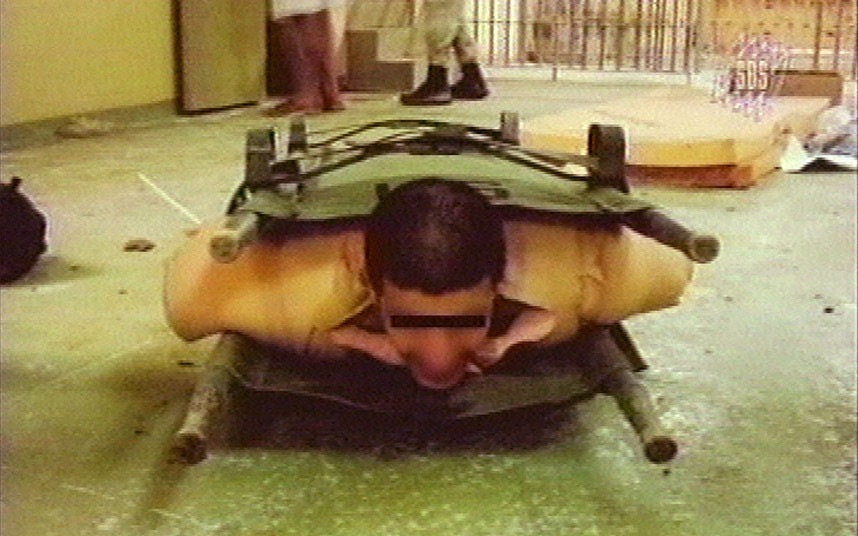
When paramedics arrived, a gurney backboard was placed on Perez's back as responders worked to secure him to the board. At one point, an officer sat on top of Perez for more than a minute. The video also captured Perez saying, "I can't breathe" before he went silent.
The coroner's office ultimately ruled Perez's death a homicide caused by compressive asphyxia during restraint.
Attorneys for the family said they fought for years to make the video public and argued it played a critical role in the legal process.
"As we all know, a homicide is a killing of one person by another, and here Mr. Perez was killed by the deputies and officers and paramedics on scene because they continued to exert pressure on his back as he yelled. I can't breathe for over 15 minutes," Gehlawat said.
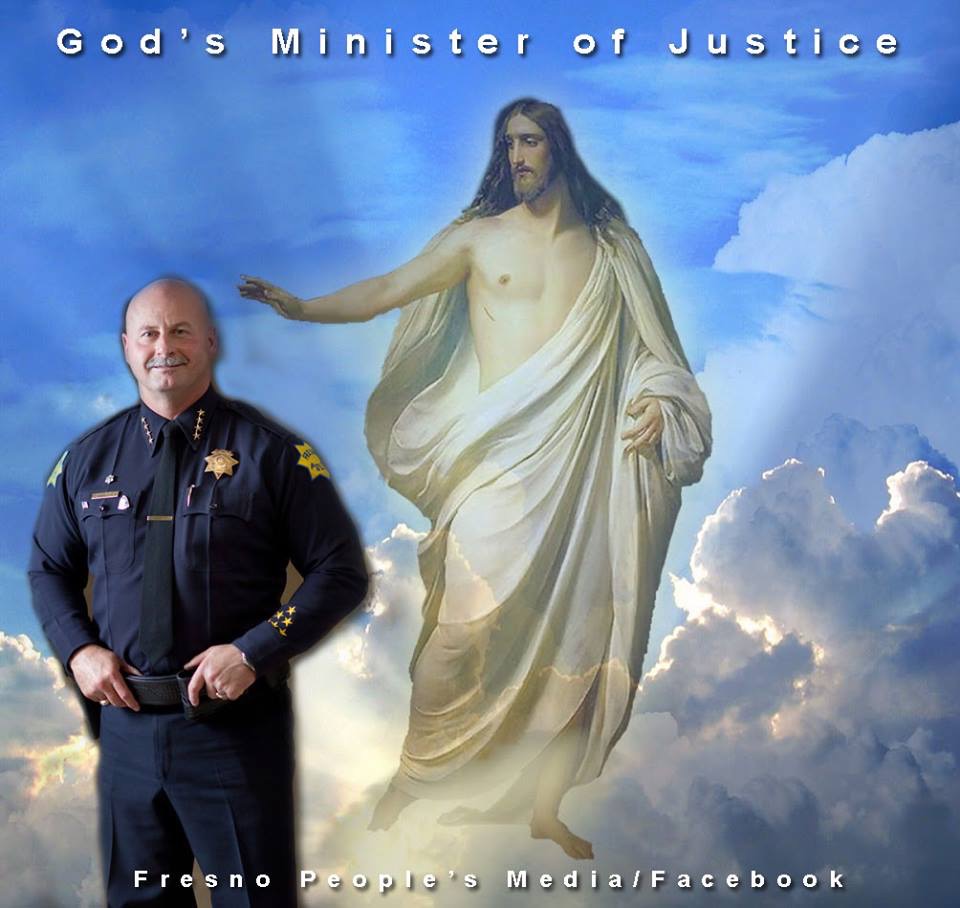
At the time of Perez's death, then-Fresno Police Chief Andy Hall described Perez as "uncooperative" and "physically combative."
An internal review cleared the officers of wrongdoing, and the Office of Independent Review found their actions were within policy. Gehlawat said those policies should be changed.
"When you are apprehending somebody on the ground, you can't do that with them face down. You have to turn them onto the side into a recovery position as soon as you can," he said.
The settlement follows years of legal challenges. At one point, a federal judge dismissed the case under the doctrine of 'qualified immunity'.
The family said the agreement provides a measure of closure after years of court proceedings.
"We were up and down in the court of appeals, federal courts, state courts, but ultimately at the end of the day I'm grateful that the defendant in this case did the right thing by the family by agreeing to settle this case so they can have the closure they needed," Gehlawat said.