Human feces dripping from ceilings due to bad plumbing? Report Reveals Inhumane Conditions at Baltimore Jail, Mostly Black Inmates Lacked Basic Necessities in Facility Controlled by Elite Liberals
/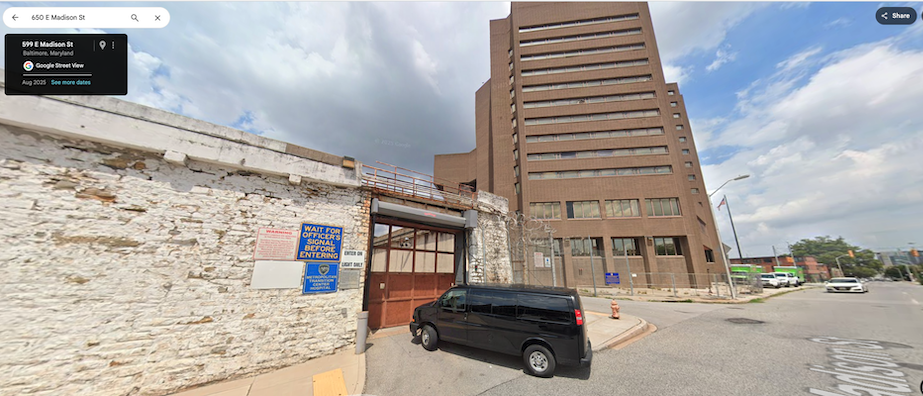
From [HERE] Maryland’s Department of Corrections released a report Wednesday revealing extensive structural and safety issues at the Maryland Reception, Diagnostic, and Classification Center (MRDCC) in Baltimore, problems that led to the jail’s shutdown in December.
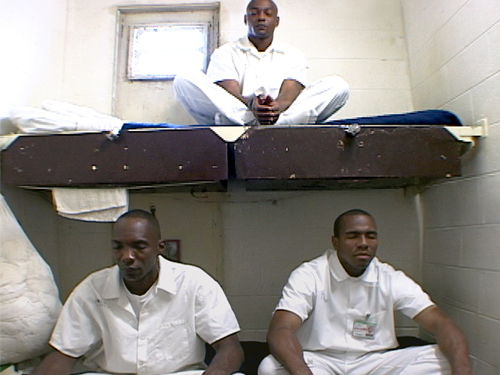
The report, prepared by Chicago-based Walker Consultants, exposed crumbling infrastructure that deprived inmates of basic necessities such as communal spaces for recreation, meals, and personal or medical visits. The facility, built in 1981 as a short-term intake center, was housing individuals for over a year, far exceeding its original design.
These issues were first raised by planning firm CGL, after the firm had previously conducted a more general assessment of regional correctional facilities.
As a result of their study, CGL wrote in a memo to the Maryland Departments of General Services and Public Safety and Correctional Services that it was the company’s “professional opinion that the existing building does not meet the minimum requirements for the purposes intended for incarceration.”
The Walker report was shared Wednesday with The Baltimore Sun in response to a public information act request lodged after the facility’s closure.
Safety and building issues
The Walker report delved into a litany of safety and building issues faced by inmates and staff on a regular basis, including the facility’s failing heating and cooling systems, as well as its malfunctioning plumbing and fire alarm systems.
Investigators mentioned human feces dripping from ceilings in the facility due to its faulty plumbing infrastructure, and a 2022 mattress fire that its malfunctioning fire alarm system failed to activate its sprinkler system to abate.
DCPSCS officials were not able to share whether any inmates were injured in the fire, though they did say that agency and management were aware of many of MRDCC’s issues for years and routinely opted to implement temporary fixes to the facility instead of substantial improvements.
“While many of these prior repairs addressed symptoms, they did not resolve the root causes,” said a spokesperson for DPSCS. “As a result, deferred maintenance compounded over the decades.”
Aside from the general safety issues posed by the facility’s neglect, MRDCC also faced serious security concerns as a result of the building continuing to fall further into disrepair.
For one, investigators wrote that incarcerated individuals had breached the facility’s walls, digging through its structure to the exterior and between cells, enabling them to bring in contraband from the street below.
Agency officials said facility management was aware of this issue and maintained an increased presence of guards and CCTV surveillance of the impacted areas, as well as in areas in which the doors and windows of cells were broken.
Investigators also found that incarcerated individuals were spending more and more time in their cells, without other places to go for recreation, visitation and meals. [MORE]