The Belief in Race is a Tyrant Paradigm to Control Your Mind
/
The FUNKTIONARY describes the Tyrant Paradigm to refer to a set of beliefs, concepts, and systems of thought that are imposed by a powerful elite to maintain control over others, often by creating or reinforcing divisions. These beliefs are deeply embedded in the social fabric and become so ingrained that those who are oppressed by them may come to accept them as natural or inevitable. As a result, these mental constructs enable coercive political systems that prevent people from living freely or fully realizing their potential.
Race, as we know it today, is a social construct that has been used to divide humanity into groups based on superficial physical characteristics. It is systemically reinforced through history, culture, law, and media. The concept of race itself—especially when associated with notions of racial superiority or inferiority—serves to legitimize and perpetuate oppression.
Here’s why race functions as a Tyrant Paradigm:
1. Creation of Divisions and “Outposts in Your Mind”
The concept of race is constructed and used as a way to divide people into categories that often do not have meaningful or inherent differences, but which are coercively assigned value. These divisions are not just about physical traits but also about social, economic, and political roles. By imposing racial categories, powerful elites can manipulate people into viewing certain groups as "other" or "lesser" than themselves.
Mental Imprints: The idea that people of different "races" are fundamentally different in worth and ability is deeply ingrained in the minds of individuals across societies. This belief structure allows the powerful to create and maintain a racial hierarchy, with certain groups—especially white people in the historical context of Western civilization—seen as superior to others. This is analogous to how the Tyrant Paradigm works: the dominant groups assert that their way of thinking and understanding the world is natural and inevitable, while the oppressed groups internalize these beliefs, often without question.
2. A Systematic Pattern of Thought and a Coercive Political System
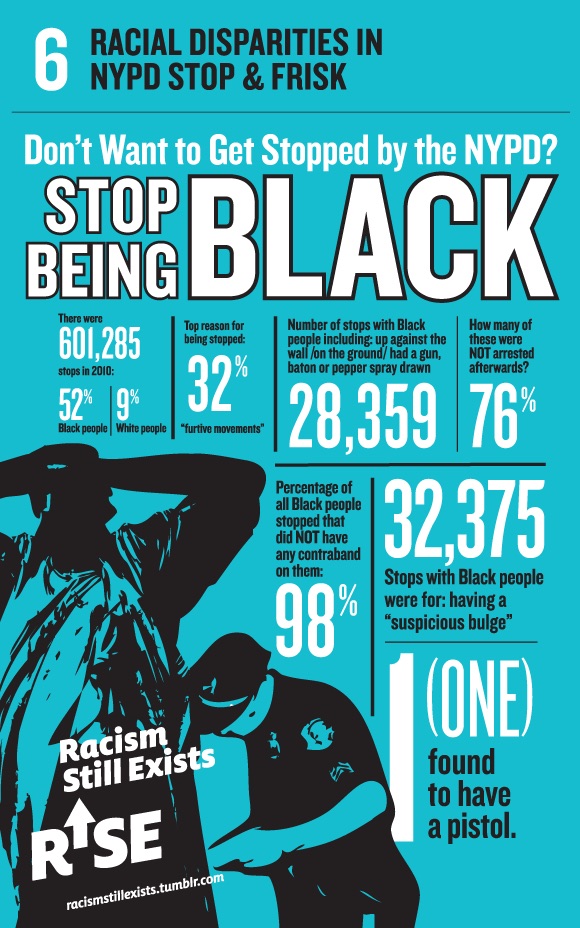
The concept of race is deeply tied to historical and institutional systems of oppression. For example, the transatlantic slave trade, colonialism, segregation, apartheid, and even modern-day policies like redlining and mass incarceration all rely on race as a mechanism of division and control.
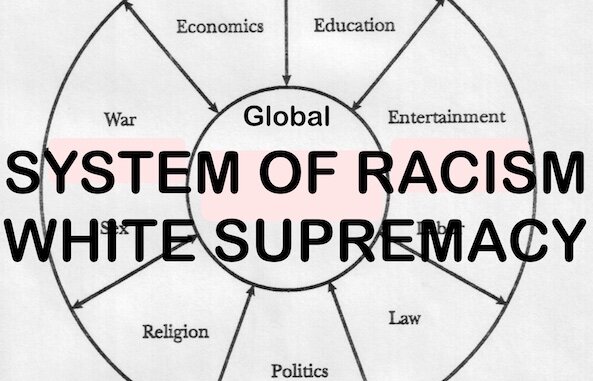
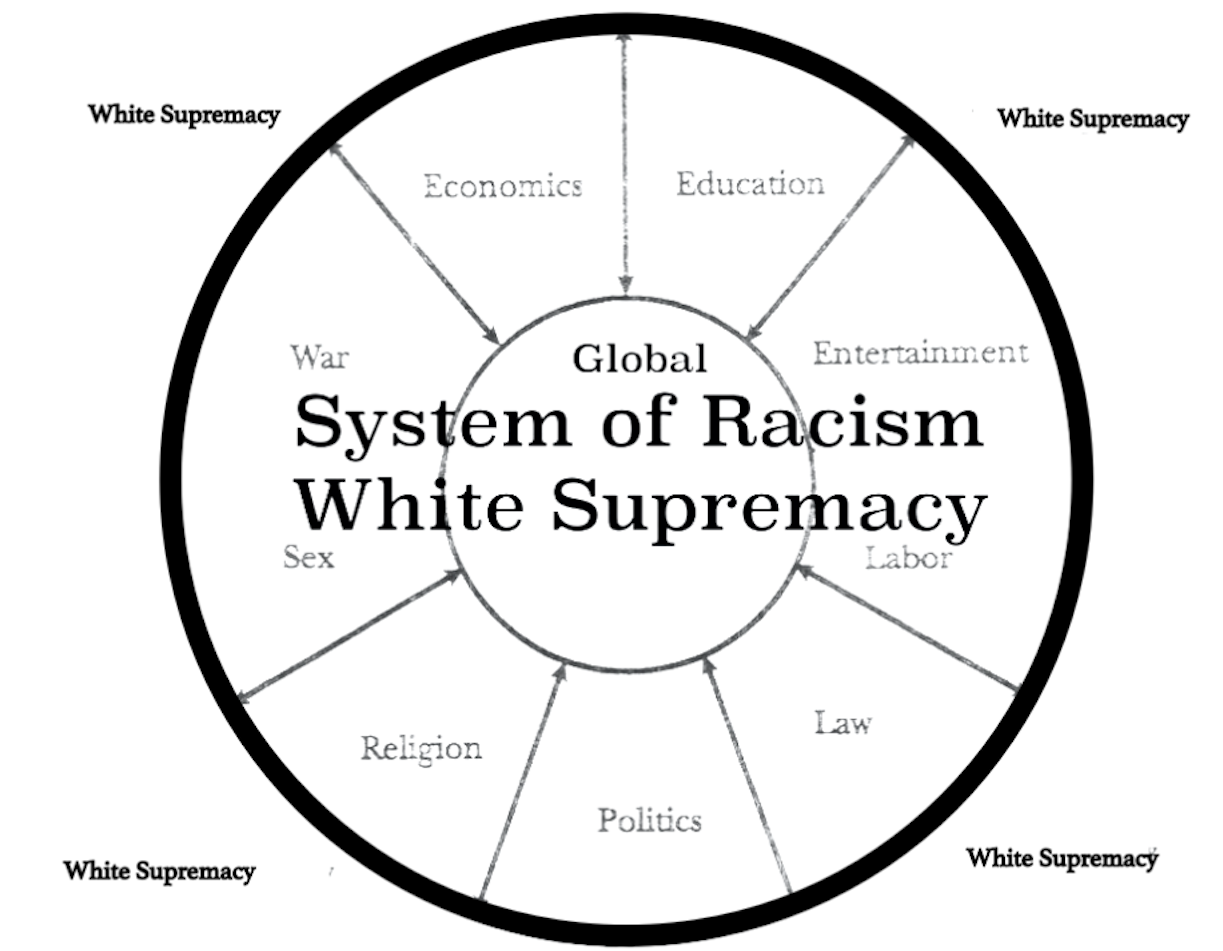
Coercive Systems: Political systems like white supremacy or racism are often justified through the concept of race. The "ideology" that certain groups are inherently inferior or superior to others underpins a system that coerces people into accepting their social roles and places in society. This is not just an individual belief, but a systemic belief that operates at multiple levels (legal, economic, educational, etc.).
Tyrants and Omnipotence: The elites who benefit from these racialized systems of power are the ones who dictate the rules of the game. As the FUNKTIONARY suggests, these elites—who are often institutionalized through governmental power structures—believe they are omniscient and omnipotent in their ability to control the lives of others. Through the Tyrant Paradigm of race, they can restrict freedoms, limit access to resources, and perpetuate a system that keeps certain people (often people of color) in subordinate positions.
3. The Ownership of Minds:
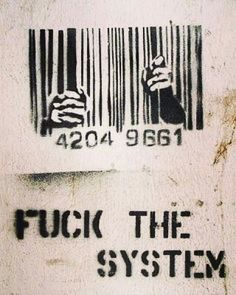
A key component of the Tyrant Paradigm is the idea that the tyrants "own" the minds of their oppressed victims. In the case of race, this ownership is seen in how racism is internalized by both the oppressed and the oppressors.
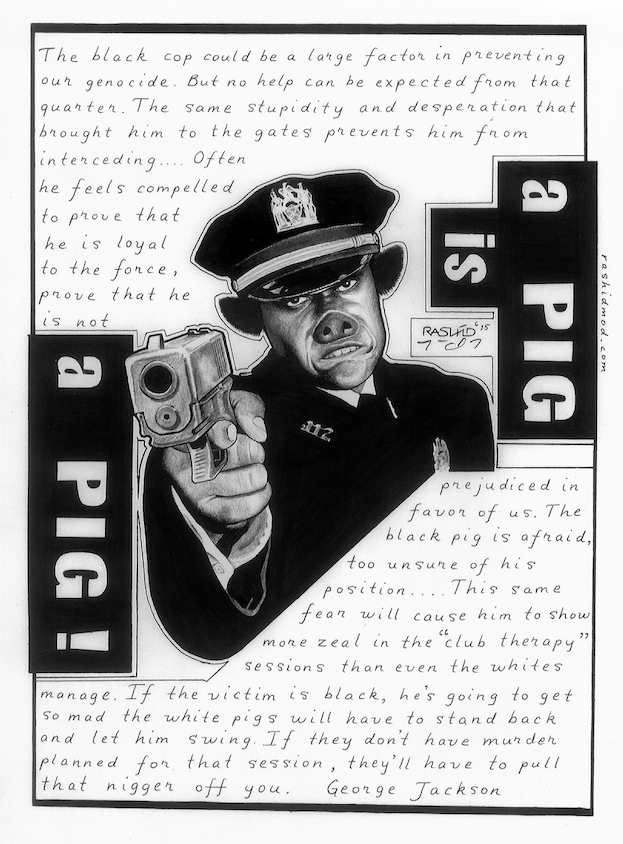
Internalization of Race: For the oppressed, the idea of race can become so internalized that it shapes their self-identity, social interactions, and even life outcomes. Black people, for example, may internalize the belief that they are "lesser" or "inferior" because that has been the narrative propagated by white supremacy for centuries.
Racialized Thinking as a Prison: For white people, the idea of white supremacy or white privilege becomes an unconscious framework for understanding their own social standing and role in society. Many white individuals may not see themselves as "racist," yet still benefit from a system that assumes their superiority in relation to others. This racialized thinking constrains how individuals view their relationships with others and shapes their understanding of justice, equality, and opportunity.
4. The Tyrant Paradigm as a Tool for Coercion
The race paradigm has also been used as a tool for coercion—particularly in terms of economic and political power. When elites use race as a tool of division, they can exploit labor, control resources, and manipulate populations in ways that are beneficial to them.
Divide and Conquer: Racial divisions prevent marginalized groups from uniting against the powerful elite. Instead of focusing on class or economic inequality, people are encouraged to focus on racial divisions, which makes it easier to control people. This tactic of divide and conquer is an essential element of the Tyrant Paradigm, as it fractures collective action and diminishes the potential for mass resistance.
5. The Systematic Perpetuation of the Paradigm
The most insidious aspect of the Tyrant Paradigm is its self-reinforcing nature. Once people begin to accept the idea that race determines worth and potential, the system becomes self-perpetuating. People who internalize the belief in racial hierarchy often pass it on to future generations, whether consciously or unconsciously.
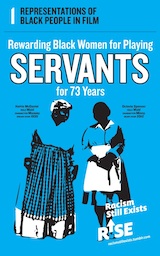
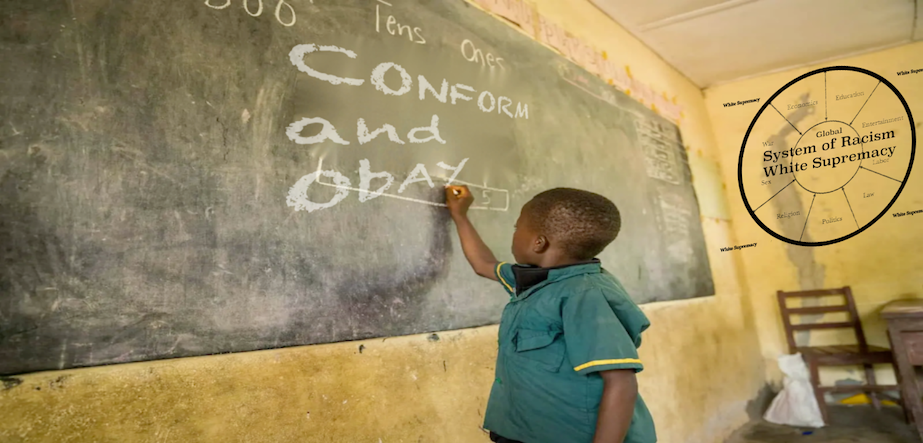
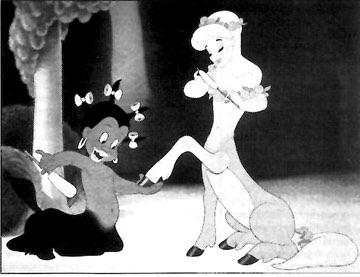
Education and Media: Media, schools, and cultural narratives reinforce these ideas by constantly presenting racialized images of people, situations, and narratives. These images influence how people perceive themselves and others, reinforcing the racial hierarchy. For instance, negative stereotypes of Black people are reinforced in entertainment and news, while positive portrayals of white people are more pervasive. These stereotypes feed into the Tyrant Paradigm, where people come to believe in the inevitable inferiority of one group and the superiority of another.
Conclusion:
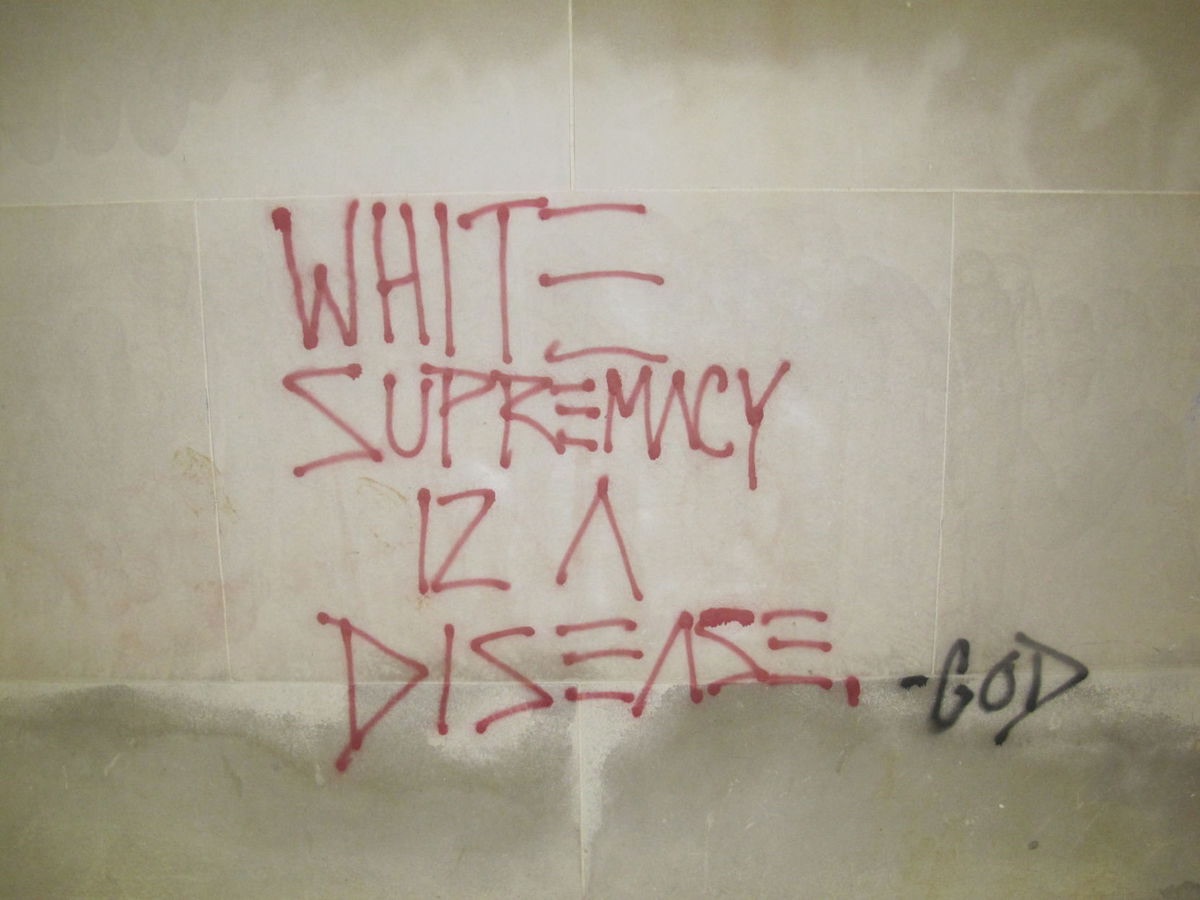
Race, as a social construct, is indeed a Tyrant Paradigm. It is a coercive political system that has been systematically built and reinforced through history, culture, and law to maintain the dominance of certain groups (historically, white people) over others (especially Black people).
The Tyrant Paradigm around race operates on several levels:
Ideologically, it creates divisions and hierarchies between people based on arbitrary traits.
Politically, it supports systems of economic exploitation and social control that benefit the powerful.
Psychologically, it shapes how individuals understand their own identity and how they relate to others, often internalizing the oppressive beliefs that have been ingrained in society.
So yes, race functions as a Tyrant Paradigm that has been used by powerful elites to control and divide people. The belief in the hierarchy of races serves the political and economic interests of those who have historically held power and privilege. Breaking free from this paradigm requires deconstructing the mental constructs of race, challenging the systems that perpetuate it, and working to create a world where all people are valued equally, regardless of superficial traits.