Felony Murder: An On-Ramp for Extreme Sentencing. Analysis Finds that Felony Murder Laws Disproportionately Impact Black People
/From [SENTENCING PROJECT] Felony murder laws compel harsh decades-long–or even life–sentences even when the person charged did not directly cause or intend the loss of life.
Murder typically refers to an intentional killing. But “felony murder” laws hold people like Mendoza liable for murder if they participated in certain felonies, such as a robbery, that resulted in someone’s death. These laws impose sentences associated with murder on people who neither intended to kill nor anticipated a death, and even on those who did not participate in the killing. As such, they violate the principle of proportional sentencing, which is supposed to punish crimes based on their severity. These excessively punitive outcomes violate widely shared perceptions of justice. With one in six people in U.S. prisons serving a life sentence, ending mass incarceration requires bold action to reduce extreme prison terms such as those prescribed for felony murder.3 These laws run counter to public safety, fiscal responsibility, and justice.
Although other countries have largely rejected the felony murder doctrine, 48 states, the District of Columbia, and the federal government still use these laws. The only two states that do not have felony murder laws are Hawaii and Kentucky. Seven states require some proof of intentionality regarding the killing to consider it murder,4 though the use of a gun—or mere knowledge of a co-defendant’s gun use—satisfies this requirement in some jurisdictions.5 In any case, all felony murder laws use the underlying felony to either a) treat as murder a killing that would not have otherwise been considered murder, or b) increase the gradation of murder, such as from second to first degree.
Key Findings
This report evaluates the legal and empirical foundation, and failings, of the felony murder rule, profiles impacted individuals, and highlights recent reform efforts in 13 jurisdictions. Key findings include:
Felony murder laws widen the net of extreme sentencing and are counterproductive to public safety.
For felony murder convictions for adults, 10 states and the federal system mandate LWOP sentences, 11 states mandate LWOP in some cases, and 18 states and Washington, DC make LWOP a sentencing option. Four states permit or require a virtual life sentence of 50 years or longer for some or all felony murder convictions.6 About half of U.S. states allow executions of people convicted of felony murder.7
In Pennsylvania and Michigan, one quarter of people serving LWOP were convicted of felony murder as of 2019—over 1,000 people in each state. In 2026, Pennsylvania’s State Supreme Court invalidated mandatory LWOP sentences for this offense.8
Felony murder laws have not significantly reduced felonies nor lowered the number of felonies that become deadly.
The extreme prison sentences associated with felony murder laws add upward pressure on the entire sentencing structure.
Felony murder laws spend taxpayer dollars on incarcerating people who pose no danger to the community and divert resources away from effective investments that promote public safety.
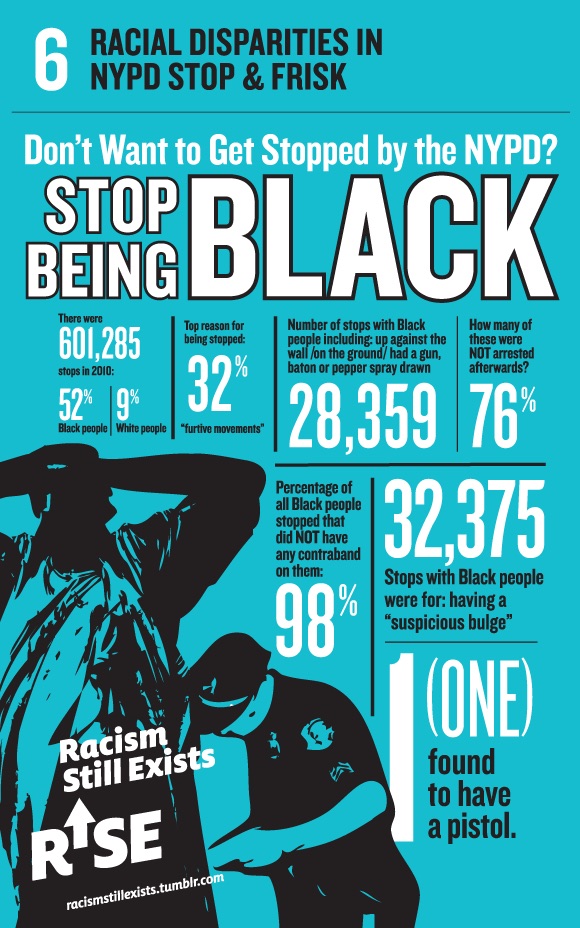
2. Felony murder laws have particularly adverse impacts on people of color, young people, and women.
In Pennsylvania in 2020, 80% of imprisoned individuals with a felony murder conviction were people of color and 70% were African American.9
Felony murder laws ignore the cognitive vulnerabilities of youth and emerging adults by assuming that they recognize the remote consequences of their own actions—and those of others in their group. In Pennsylvania, nearly three-quarters of people serving LWOP for felony murder in 2019 were age 25 or younger at the time of their offense, as were over half of Minnesotans charged with aiding and abetting felony murder in recent years.10
An exploratory survey in California found that 72% of women but only 55% of men serving a life sentence for felony murder were not the perpetrators of the homicide.11 The California Coalition for Women Prisoners reports that the majority of their members convicted of felony murder were accomplices navigating intimate partner violence at the time of the offense and were criminalized for acts of survival. [MORE]