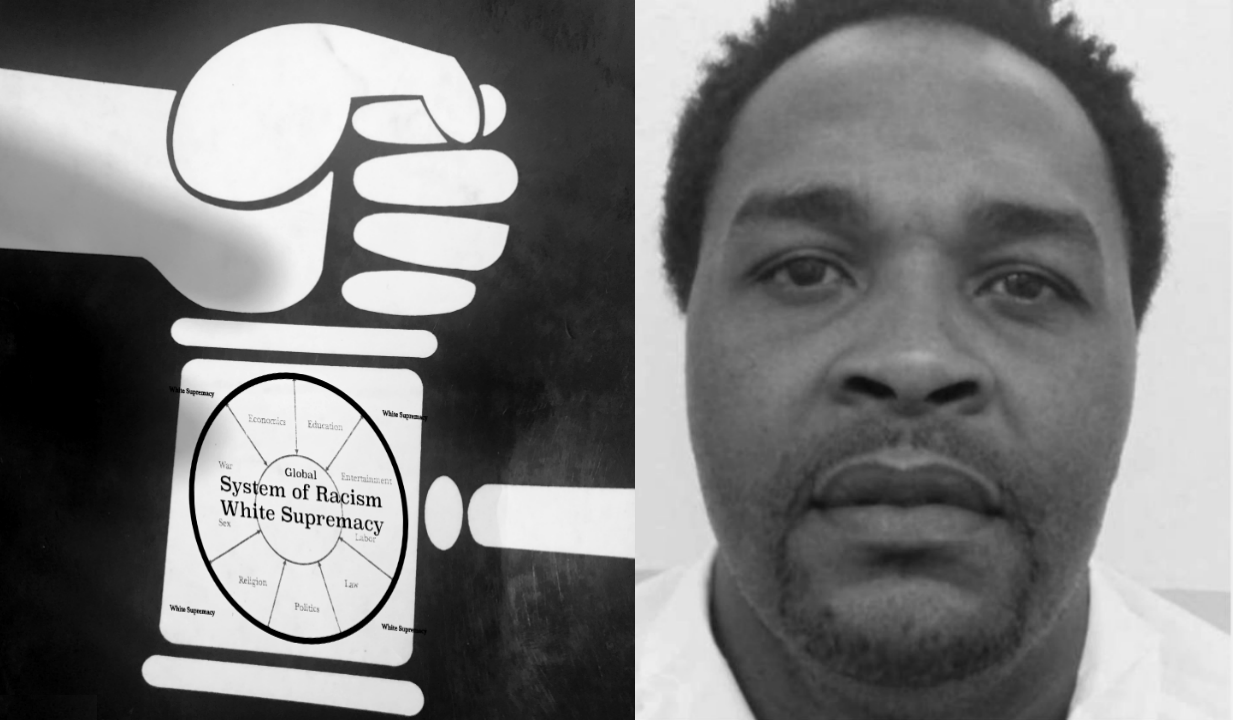
Is Wes Moore Lying About “Leading Soldiers Into Combat?” No Records Found Showing Grimacing “Black” Governor experienced Combat; 86 days since He Promised Military Records
/
From [HERE] and [HERE]. In a May 8, 2022, post on X, Wes Moore wrote, “When I was an Army captain and led soldiers into combat in Afghanistan, we lived by a simple principle: Leave no one behind.”
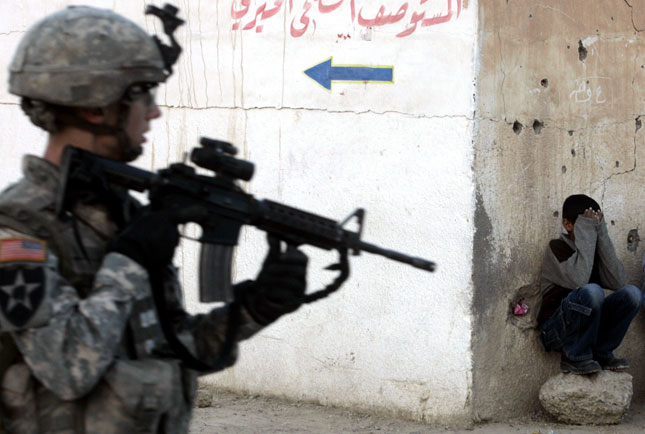
After a yearlong investigation, Spotlight on Maryland found no documentary evidence that Moore led soldiers into combat, but it is representative of how Moore, now governor of Maryland, often speaks about his time in Afghanistan, using language that could lead one to reasonably believe he was a leader of front-line paratroopers in the 82nd Airborne Division and that he experienced direct-fire combat.
It’s a claim Spotlight on Maryland has asked Moore and his superior officer, then Lt. Col. Mike Fenzel, to provide evidence of, but a request they have denied.
Moore’s public narrative about experiencing direct-fire combat predates the 2022 post.
In 2014, a year before releasing his second book, Moore told the USO’s magazine, “On Patrol,” that part of his primary mission in Afghanistan “…was to engage and draw offensive engagements [from the enemy],” something that in military terminology is called a “movement to contact,” which is an operation to establish or regain contact with the enemy typically conducted by combat units such as the infantry, a branch of the Army Moore did not serve in.
The introduction to his 2015 book, “The Work: My Search for a Life That Matters,” also leads readers to believe that Moore was an experienced combat leader. In vivid language, he recounts a firefight he experienced during his 2005-’06 deployment to Afghanistan, saying, “We knew there was a very good chance we’d be shot at when we got to Afghanistan … when I heard those first bullets, for a moment I felt my body flood with fear and tried not to let the fear control me.”
In remarkably descriptive language, Moore writes of “…the sound of shells buzzing past your ears, a flurry of divots [from enemy bullets] leaping out of the earth around your feet.” He talks of leading his paratroopers and responding with “overwhelming force,” then walking away alive and grateful after the engagement with a new resolve to question why his own life matters.
The dramatic account of this firefight was repeated by several news outlets in 2015, while Moore was on tour promoting his book, helping to create a perception in the eyes of many that Moore is a combat hero.
In March 2021, Moore also told soon-to-be Orioles owner David Rubenstein, on his peer-to-peer conversations podcast, that he had seen combat.
Rubenstein asked Moore, specifically, if he had asked for an office job to avoid being shot at in Afghanistan, which Moore refuted, saying, “No, not at all. I was very clear. I went over and led a group of paratroopers as a special operations officer over there working in information operations. And we were very much in the field.”
Moore further said, “I literally within the first days of Afghanistan, I started seeing first-hand, literally when you see your first firefight, you start seeing just what kind of fighting is going on in Afghanistan,” indicating to Rubenstein that within days of his arrival in Afghanistan in August 2005, he had participated in a direct-fire combat engagement.
Military records reviewed by Spotlight show no evidence that Moore, a lieutenant assigned as a brigade headquarters staff officer, experienced firefights in Afghanistan as his public narrative conveys.
He was not awarded a decoration for the firefight he describes, nor was he awarded the Army’s Combat Action Badge. The Combat Action Badge would come later in December for a relatively minor indirect fire incident with no casualties that occurred at the base where Moore’s brigade headquarters was located.
“A brigade-level staff officer’s chances of getting into a firefight are slim and none,” said a retired infantry and special forces officer consulted by Spotlight, who requested anonymity out of concern of being doxxed or attacked online. ”Most staff officers stay tied to the tactical operations center, and if they do have to leave the forward operating base, they usually travel with a security element that would lead any tactical response to an attack.” [MORE]