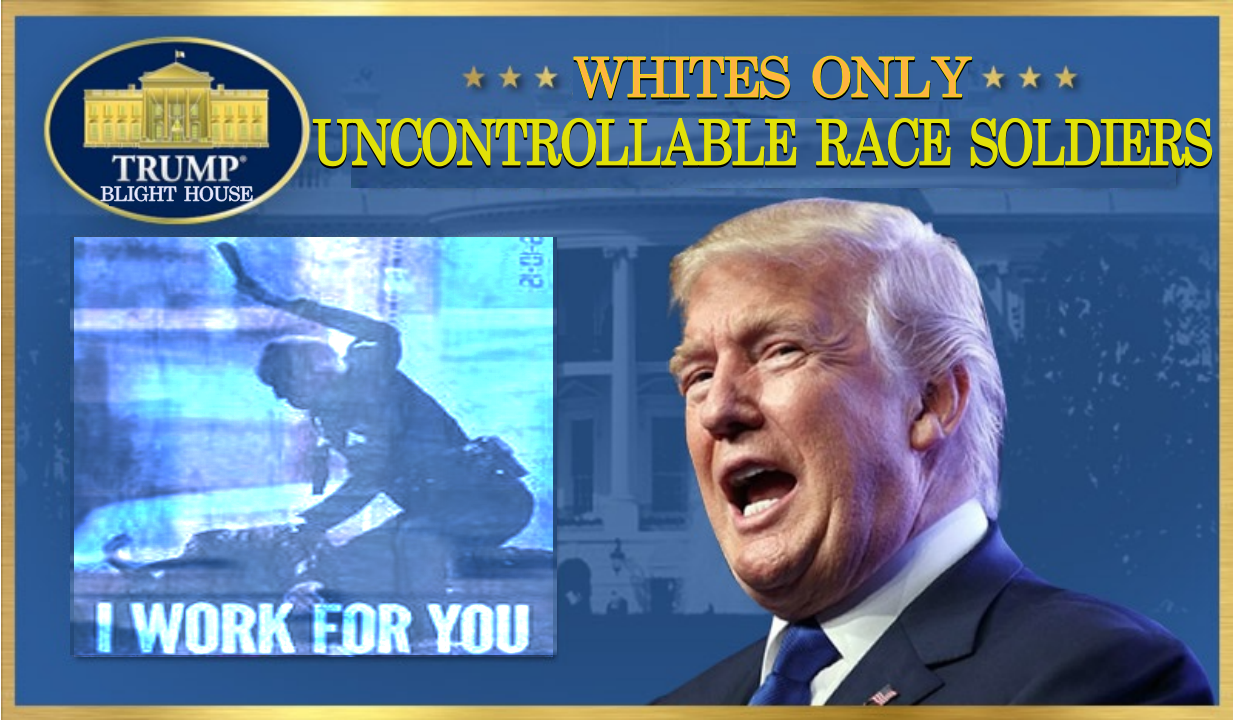
The Fact that Trump’s Believers are Ok Spending $1M per Day to Pretend Soldiers Fight Crime in DC when They Just Pick Up Trash and Post-Up All Day, Proves Black Criminality is Vital to the Racist Ego
/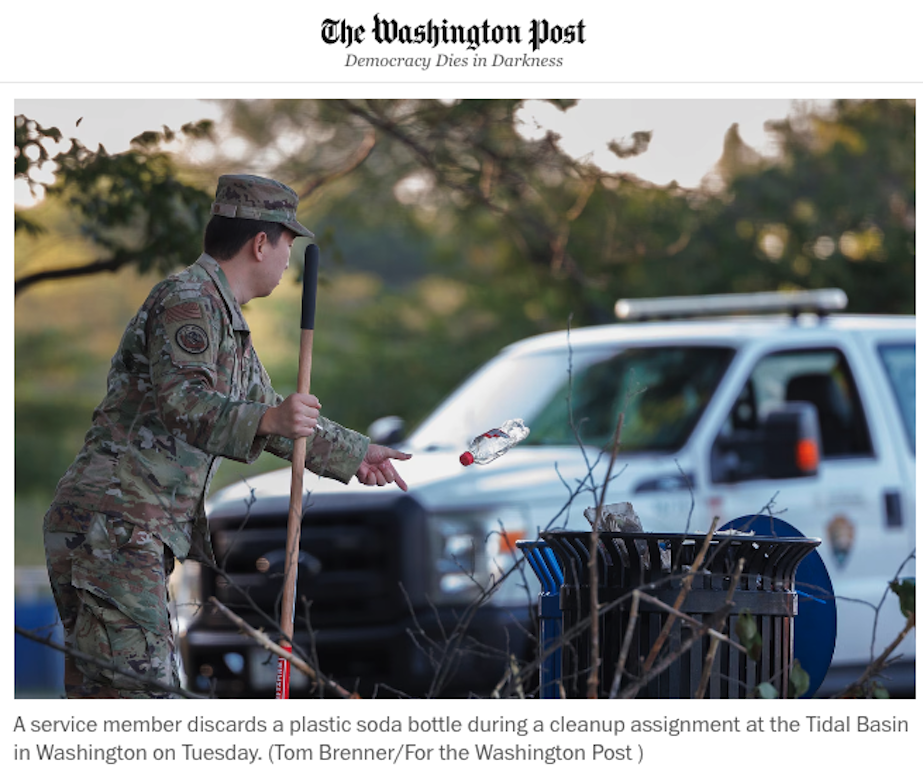
The August air was crisp Tuesday as members of D.C’s National Guard, a key component of President Donald Trump’s federal takeover of the District, scooped, spread and smoothed mounds of mulch around the city’s treasured Tidal Basin cherry trees.
As they raked, specks of dirt and mulch floated upward into early morning sunbeams, an idyllic image starkly at odds with the president’s portrayal of Washington as a violent, lawless dystopia. The assignment was atypical for these troops, who more often are called on to respond to emergencies or deploy overseas, and it left some questioning if landscaping should be a military mission at all.[MORE]
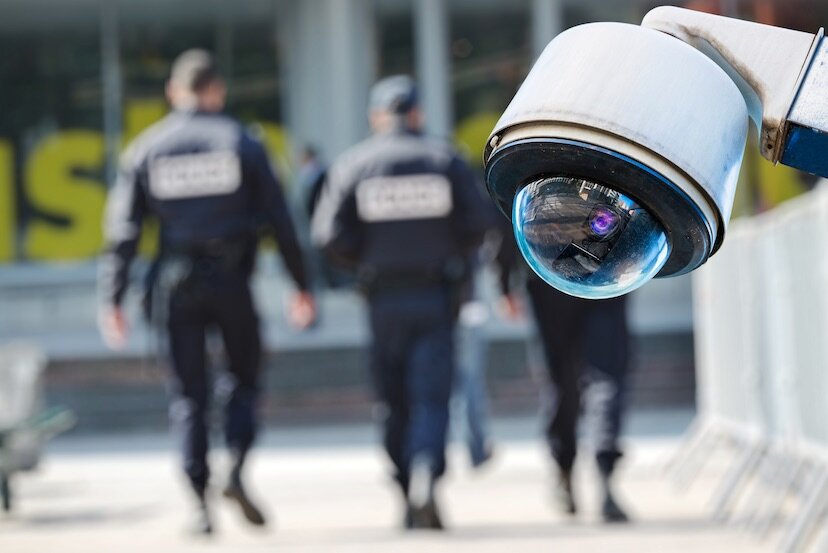
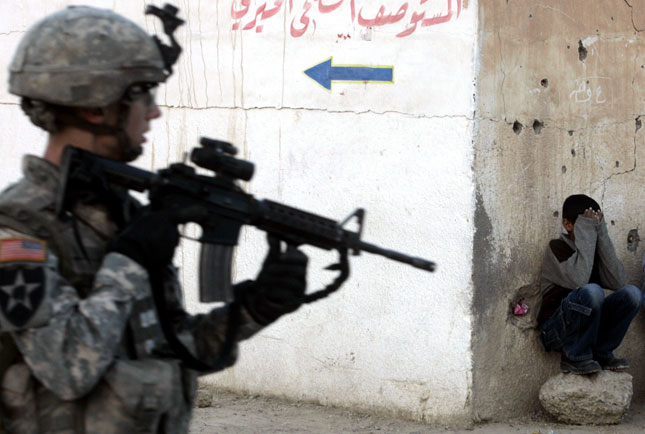
THE MILITARY FORCES deploying in Washington, D.C. — whose mission includes not only “community safety patrols” but assisting in “traffic control” and “area beautification” — could cost upward of $1 million per day, with the possible price tag climbing into the hundreds of millions for the open-ended occupation, according to expert analysis.
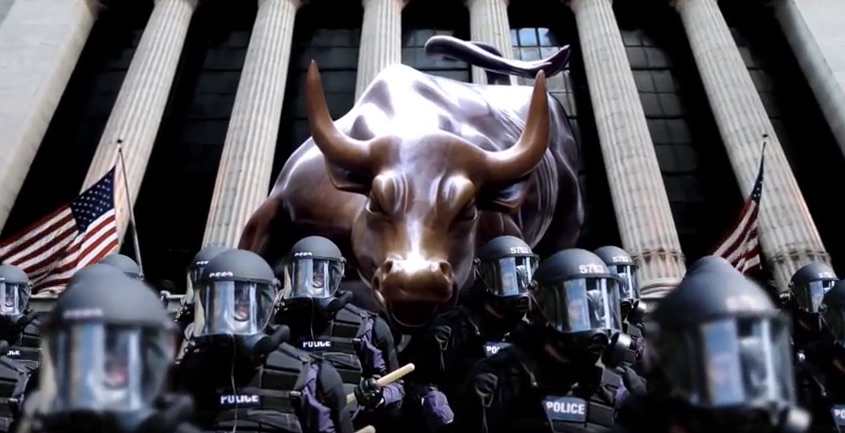
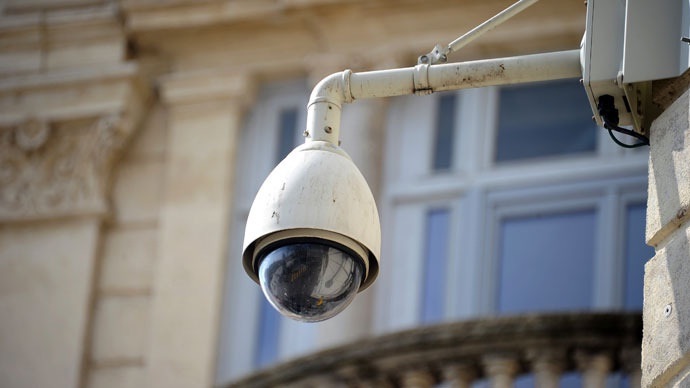
Washington is now ground zero in President Donald Trump’s push to turn America into a full-fledged police state. [MORE]
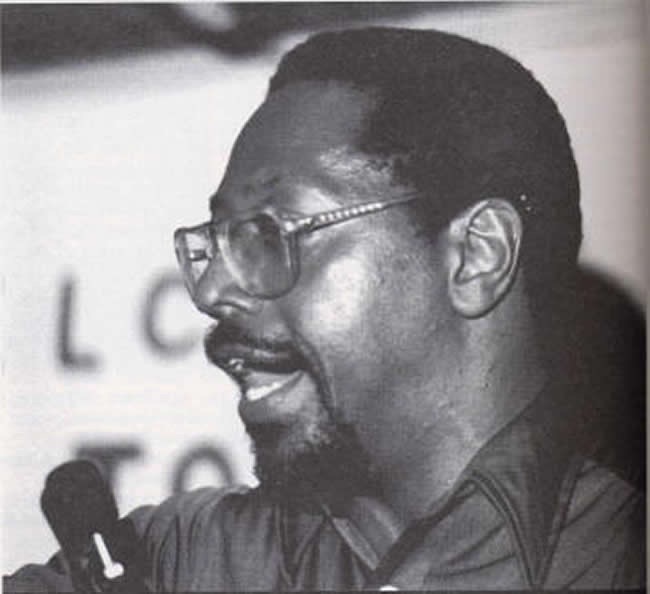
Amos Wilson offers the following explanation:
Why do White Americans need to criminalize significant segments of the African American population? What is the socio political function of alleged African American criminality and self-destructive behavior in American society? How does alleged Black American criminality sustain the American status quo? How is "criminal motivation" induced into the personalities and social relations of some African Americans and for what reasons?
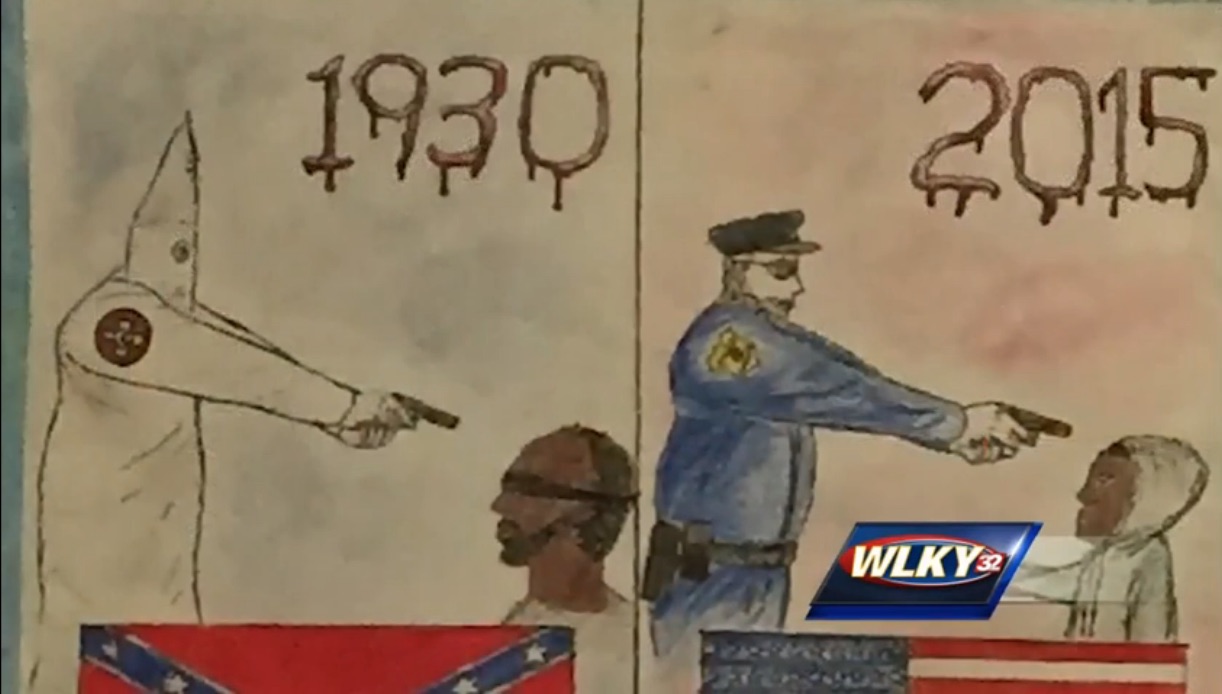
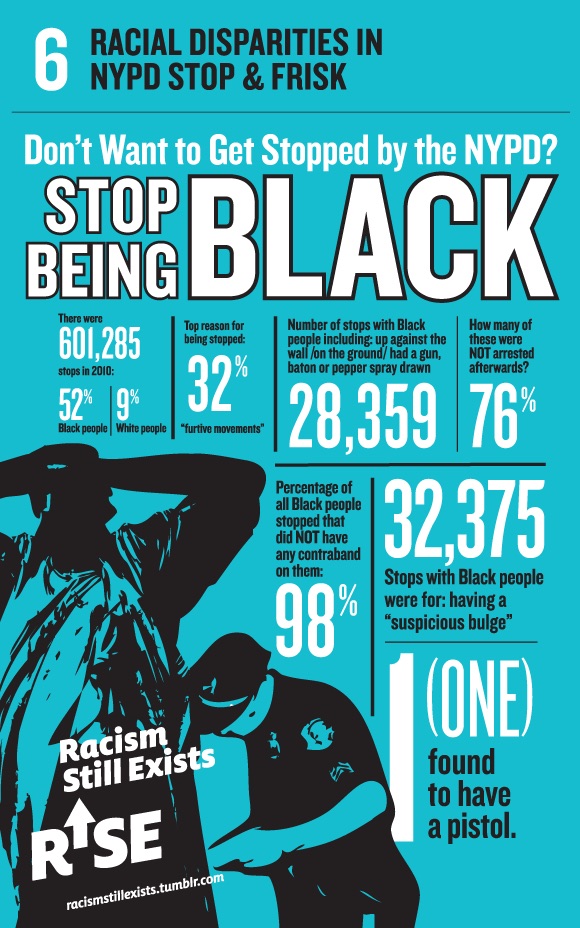
In the eyes of White America, an exaggeratedly large segment of Black America is criminally suspect. This is especially true relative to the Black American male. In the fevered mind of White America he is cosmically guilty. His guilt is existential. For him to be alive is to be suspected, to be stereotypically accused, convicted and condemned for criminal conspiracy and intent. On the streets, in the subways, elevators, parks, in the "wrong" neighborhood, from late childhood to late adulthood, he is feared, suspiciously scrutinized, cautiously approached or warily avoided.
To be a sensitive Black male, no matter how innocent, law-abiding, all-American, patriotic, altruistic, and loving, is to see the dilated pupils of fear in White women's and old men's eyes, to witness the defensive clutching at pocketbooks, to see yourself reflected in the mirrors of the other's eyes as a mugger, thief, and rapist. To be a perceptive Black male is to look out at an accusative world and feel oneself the object of a suspicious ocular examination by trigger-happy policemen, to have your papers checked by security personnel while your White counterpart passes the checkpoint without question. To be a Black male is to have your integrity chronically under question, to always have to somehow verbally or nonverbally, communicate convincing reasons for being where you are if you are not in your "place." Only the carefully presented facade, the meticulous expression of nonaggressive, nonassertive body language, the representation of a carefully managed nonthreatening persona, or old age; only standardized, "non-Black" dress, standardized English, averted eyes intently focused on the leading newspaper, magazine, or book can alleviate to some tolerable degree the fears and suspicions / of others. But this diminution of fear and suspiciousness in others bought at the too-high price of self-annihilation, is always tentative, delicate, and is easily rent by the smallest misstep or the tiniest deviation.
Given the historical and contemporary virulence of White racism in America and the injustice toward Blacks that such racism engenders, the number of arrests, incarcerations, and in many instances, convictions of Black males should be viewed with a jaundiced eye. The willingness of White Americans to heavily tax themselves in order to finance accelerated and increased prison construction, rapidly expanding police forces and so-called criminal justice system personnel, burgeoning private police and security establishments; their willingness to finance the incarceration of a Black male prisoner upwards of $30,000 to $40,000 per year, in sharp contrast to their unwillingness to tax themselves to provide for the appropriate funding of the education of Black children and to commit themselves to the ending of racist employment practices; to provide adequate housing medical care, food and clothing; clearly implies that alleged Black male criminality plays a very important role in defining the collective White American ego and personality.
The typical White American response to the so-called criminality of the Black male when closely examined, clearly indicates that it is more consistent with a conscious and unconscious need to instigate and sustain Black criminality as a highly visible and publicized component of American society, than with a yearning to reduce its destructive influence on both Black and White societies. White America needs an expressly "hyped" Black American criminality the way a neurotic patient needs his symptoms, despite his protests to the contrary. In other words, the existence of Black American criminality, alleged and actual, is a political-economic, social-psychological necessity for maintaining White American psychical and material equilibrium. Black American criminality apparently serves fundamental Eurocentric psychopolitical needs and is engendered and sustained for this reason. We will now examine some of these needs.
White American Paranoia
To look at the world or a segment of it with a rigid, hyper-alert, and all-consuming expectation — to search reality repetitively only for confirmation of one's suspicions while ignoring aspects of that reality which disconfirm those suspicions; to pay no attention to opposing rational arguments, cogent, well-founded evidence, except to find in them only those features that seem to confirm one's original views; to examine reality with extraordinary prejudice, rejecting facts, information and alternative possibilities while seizing on and exaggerating any scintilla of often irrelevant evidence that supports one's original expectations — denotes a driven need: a psychoneurotic, psychopathological need to defend an ego perilously in danger of disintegration and to defend it regardless of cost to oneself and others. Such a suspicious and paranoid orientation speaks to the need to rigidly construct and control reality so as to maintain self-control, to empower the ego and to gainfully exploit a relevant situation. This rigidity of attention, stereotypical viewing of the world; this chronic condition of hyper-alertness, hypersensitivity; this need to create the world according to one's own deluded images, to subject others to one's paranoid views, to exploitatively have them serve that need, bespeaks the greater need to gain ego satisfaction and enhancement, self-definition and material gain through manipulating the behavior and consciousness over others. Paradoxically, this greater need bespeaks a fundamental dependency on a world and others and simultaneously, of a protest against and denial of that dependency. It expresses an ego vulnerability which must remain defensively hidden, an ego weakness which must appear to itself and others as strength, an extremely tense, unstable ego whose tenuous equilibrium can only be maintained by projecting that tension and vulnerability into the world and others. Thus the keeper of law comes to need the outlaw. And needing him, creates him. The keeper of the disturbs the peace by projecting hallucinated hostile threats where they do not exist.
That the White American must see virtually every Black male as criminal or as a potential criminal regardless of facts to the contrary, bespeaks an intense psychic need of White America to perceive him as such. [MORE]