The Clogic of Piece Maker Trump’s Drug War: Pardons for the Convicted, Drone Strikes for the Suspected
/
ACCORDING TO FUNKTIONARY:
clogic – clogged logic—closed-circuit logic—clueless logic—locked in an endless loop of flawed axioms and paradoxical premises that prevent describing or relating to reality in alignment with its attributes. Using “clogic” is like being trapped in a hall of mirrors in which the two (self and world) endlessly reflect and determine one another in a dualistic duel that shape and dominate each other and with erring inaccuracy keeping us overruled and fooled (through dim and gross reflections that distort the world and ourselves) that is, until Shatterday arrives. (See: Shatterday, Psycholesterol, Wholesight, BLYND, Axioms, Logic, Truth, Belief Systems, Conclusion, Proof, Experience, Objectivism, Third Sight & Suffering)
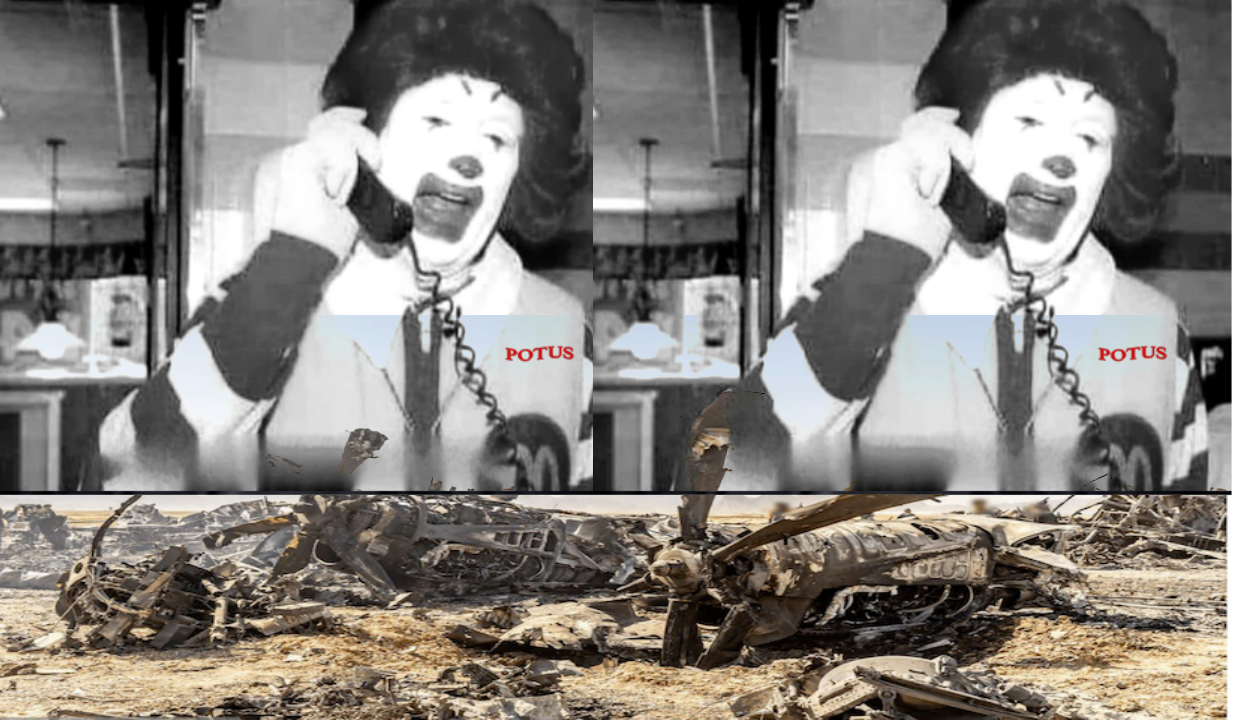
From [HERE] This week, President Donald Trump pardoned a man federal prosecutors described as the architect of a “narco-state” who moved 400 tons of cocaine to United States shores. In September, the US military began killing people on Caribbean vessels based on unproven suspicions they were doing the same thing on a far smaller scale. The strikes have drawn allegations of war crimes; the contradiction has drawn bipartisan scrutiny.
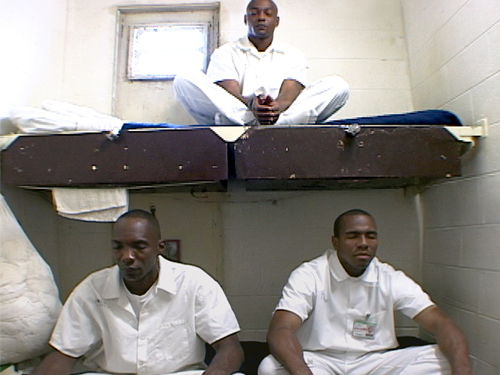
Former Honduran president Juan Orlando Hernández walked out of a federal penitentiary in West Virginia on December 2, after Trump issued him a “full and unconditional” pardon. Hernández had been serving a 45-year prison sentence after being convicted in 2024 of facilitating the importation of more than 400 tons of cocaine into the United States over nearly two decades. Then-Attorney General Merrick Garland said at the time that Hernández had “abused his position as President of Honduras to operate the country as a narco-state where violent drug traffickers were allowed to operate with virtual impunity, and the people of Honduras and the United States were forced to suffer the consequences.”
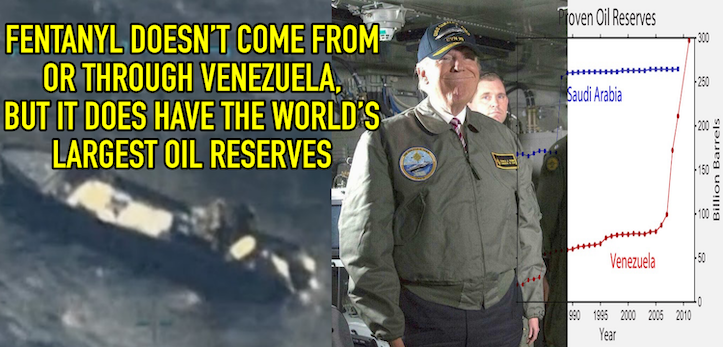
Meanwhile, since early September 2025, the US military has conducted a series of more than 20 strikes on vessels in the Caribbean Sea and Eastern Pacific Ocean, killing at least 82 people. The administration alleges these individuals were all trafficking drugs, but without public evidence or judicial process. The legal framework constructed to justify these killings rests on the claim that the US is engaged in an “armed conflict” with drug cartels, rendering suspected smugglers “unlawful combatants” subject to lethal force.
This explainer examines that framework, with particular attention to a September 2 incident that has prompted congressional investigations and accusations that the US military committed war crimes.
Background
In August, the US began amassing troops and warships in the Caribbean, posing the build-up as a counter-narcotics effort. On September 2, the US military launched the first strike in what would come to be known as Operation Southern Spear, killing 11 people in a fishing boat. “There are 11 narco-terrorists at the bottom of the Caribbean right now who found out, at the hands of American power, that you will not be poisoning the American people anymore,” Secretary of Defense (or “Secretary of War,” as now designated by the Trump administration) Pete Hegseth said.
The strikes have escalated steadily. As of the start of December, US forces had conducted 21 kinetic strikes, killing 82, according to the Pentagon. According to analysts at the Center for Strategic and International Studies (CSIS), recent deployments to the Caribbean have included “larger ships, bringing with them immense firepower and other combat capabilities.” These include the USS Gerald R. Ford, the Navy’s most advanced aircraft carrier.
The Administration’s Legal Theory
On September 4, Trump informed Congress of the strike, as required by the War Powers Resolution. The letter addressed domestic law by citing his constitutional authority under Article II, and international law by claiming “self defense.”
The legal justification for Operation Southern Spear is said to rest on a secret memo reportedly authorizing strikes against cartels beyond those that have been publicly designated as terrorist organizations, and against individuals merely “affiliated” with such groups. The memo was reportedly produced by the Office of Legal Counsel (OLC) within the US Department of Justice (DOJ).
House Judiciary Committee Ranking Member Jamie Raskin described the memo as having given Trump “unchecked power to order military strikes on civilian targets who have unverified ties to ‘a secret list of groups.'”
In an October letter demanding the release of the memo, Raskin wrote that media reporting on the memo “raises the alarming prospect that DOJ has authorized the President to order targeted assassinations against anyone he deems an enemy combatant, including individuals located in the United States, without having to provide any evidence or justification to Congress or any federal judge.”
The memo has not been released to the public. [MORE]