With Israel controlling all of Gaza’s major landfill areas, 900,000 tons of solid waste have been dumped across the enclave, exacerbating a public health crisis
/From [HERE] Amin Sabri’s battered tent was among several sitting at the foot of a hillside of rotting garbage towering some 25 feet in the middle of Gaza City. Barefoot children, their clothes caked in grime, scampered nearby. Flies were everywhere, and the stench of fetid waste blanketed the air.
"This is my tent and this is the garbage dump I’m living across from,” Sabri told Drop Site. “We don’t sleep—not at night, nor during the day—because of the garbage. The smell comes at us constantly, and our children are ill. They suffer from severe headaches. We’re dealing with an infestation of germs and insects.”
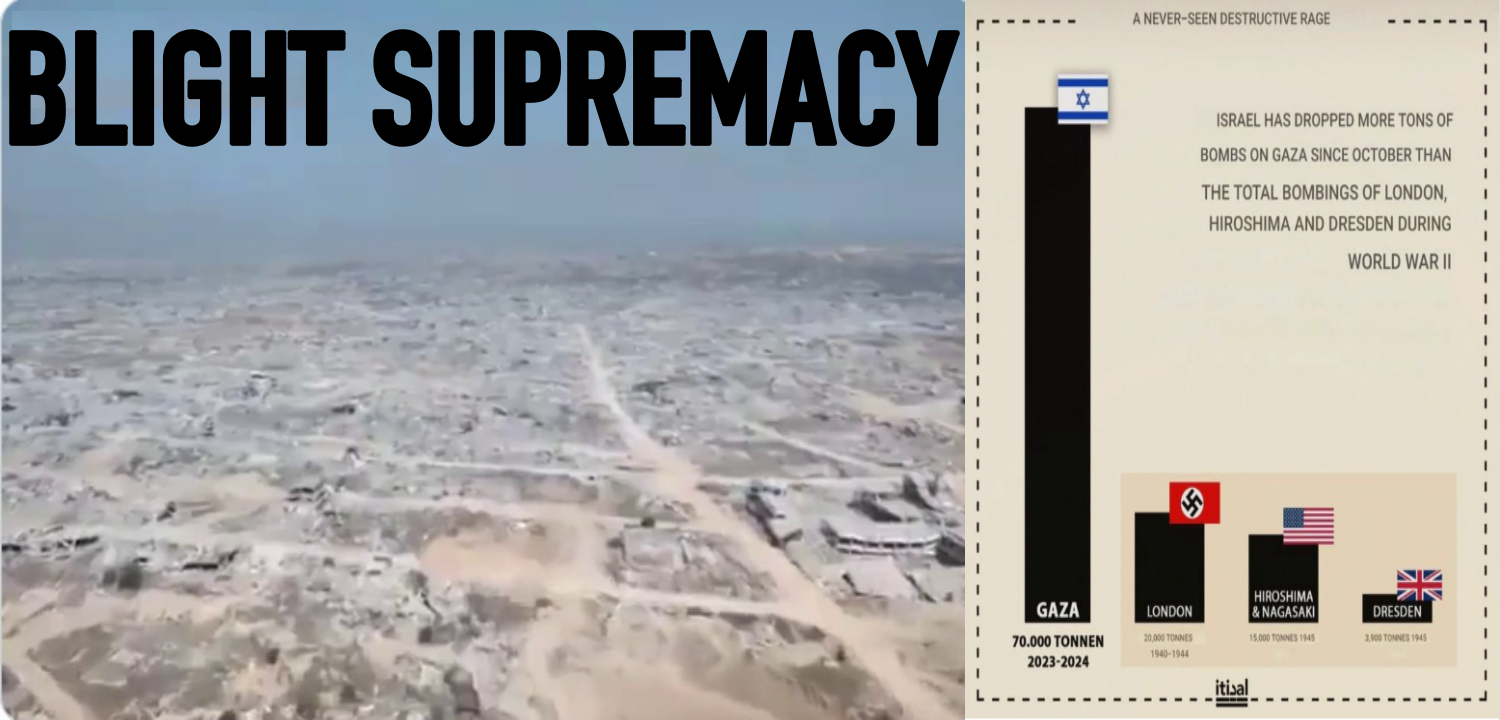
Over the past two years, Gaza’s civilian infrastructure has been systematically destroyed by the Israeli military, including waste management services. Massive piles of garbage have accumulated across the enclave. Once busy markets and tree-shaded streets have turned into endless mountains of trash, severely exacerbating Gaza’s environmental and public health crisis.
Before the war, waste collection in Gaza City was coordinated through the Yarmouk waste transfer site, located near the city stadium, and would be transported to the Johr El-Deek landfill. With Johr El Deek inaccessible—lying east of the “yellow line” with occupying Israeli military forces—the Yarmouk facility has now been transformed into a massive dumping site.
The few landfill vehicles still operating in Gaza climb to the top of the Yarmouk site and dump more untreated garbage every day. Some communities resort to burning waste, sending toxic fumes into the air. Children run across the hills of rotting waste looking to scavenge what they can. [MORE]