The Oldest Colony, the Newest War: Puerto Rico as a Launchpad for War on Venezuela
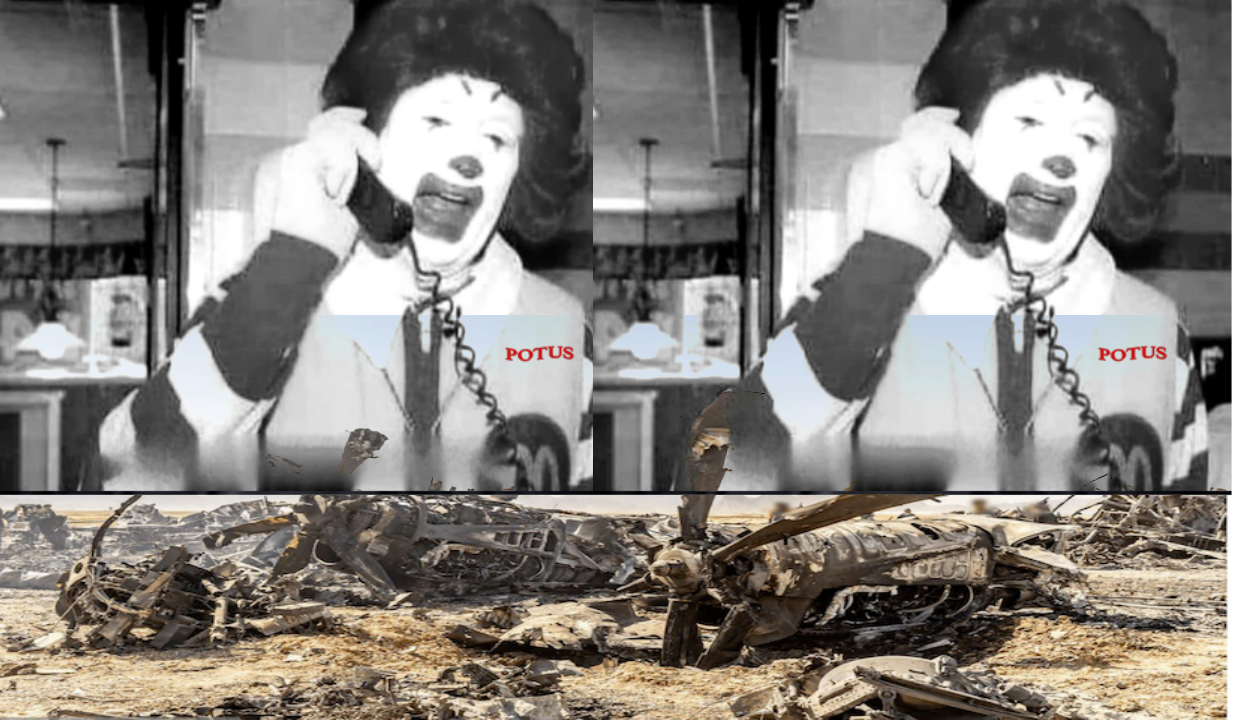
/From [HERE] When President Trump announced that the CIA had been authorized to conduct operations inside Venezuela, just as U.S drones struck another small boat off Venezuela’s coast, few people in the United States realized that much of this militarization begins on the soil of a land denied its own sovereignty: Puerto Rico.
The island that has lived under US rule since 1898 is once again being used as a staging ground for U.S. militarism, this time for Washington’s latest “war on drugs” narrative, masking a campaign of coercion against Latin America’s independent governments.
After invading Puerto Rico in 1898, the United States quickly turned the island into a strategic military outpost: the “Gibraltar of the Caribbean,” with naval bases in Ceiba, Roosevelt Roads, and Vieques designed to dominate the eastern Caribbean and protect the new artery of empire: the Panama Canal.
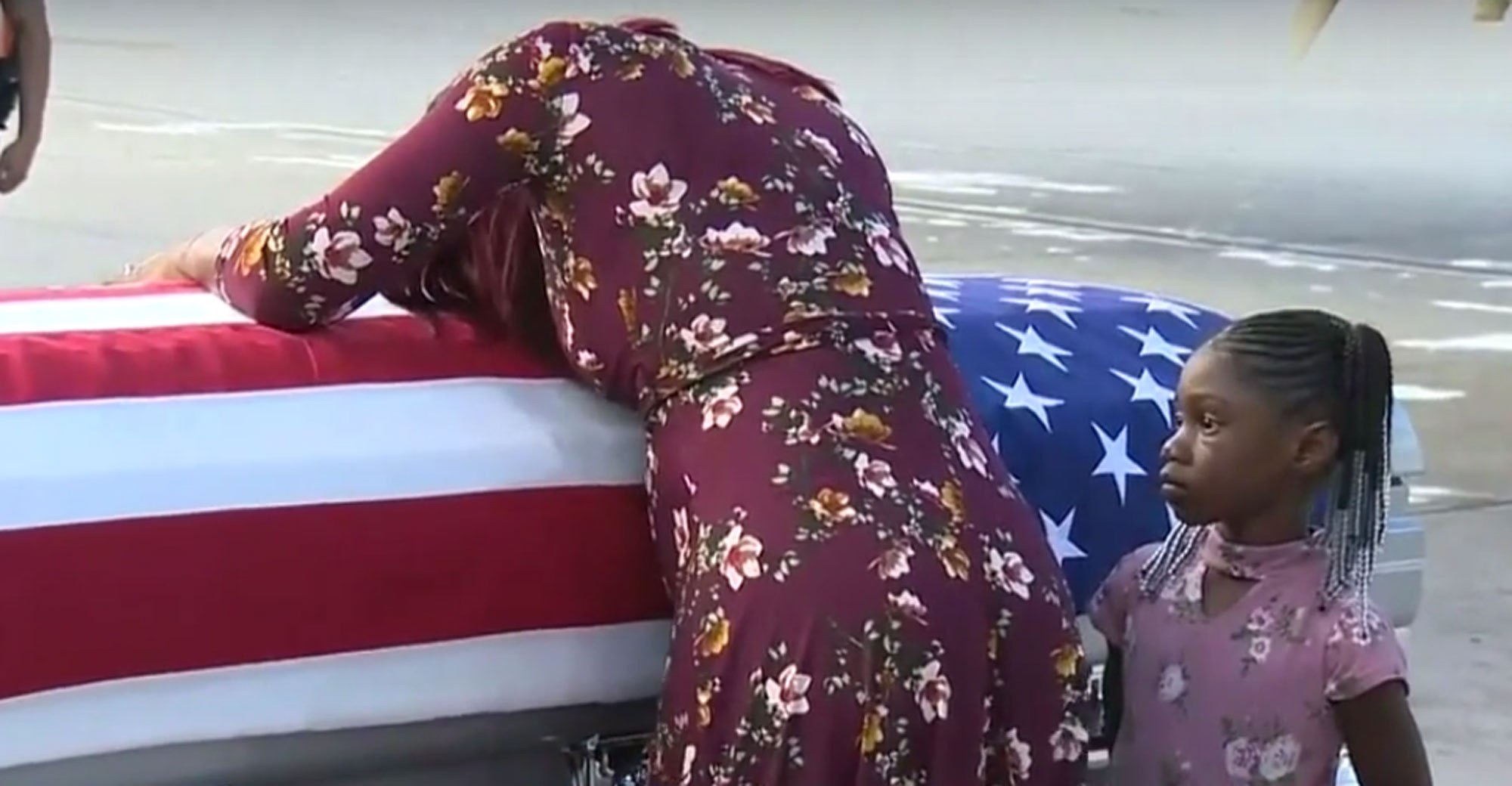
From World War I onward, Puerto Ricans were drafted into every major U.S. war, fighting and dying for a flag that still denies them full citizenship rights. Meanwhile, the island’s lands and waters were expropriated for bombing ranges, naval training, and intelligence operations.
For six decades, the U.S. Navy used Vieques as a live-fire testing ground, dropping millions of pounds of explosives and munitions, including napalm and depleted uranium. The result was environmental devastation and one of the highest cancer rates in the region. It took a mass civil disobedience movement to finally force the Navy out in 2003.
That victory proved Puerto Ricans’ capacity for organized resistance, but the structures of empire never disappeared.
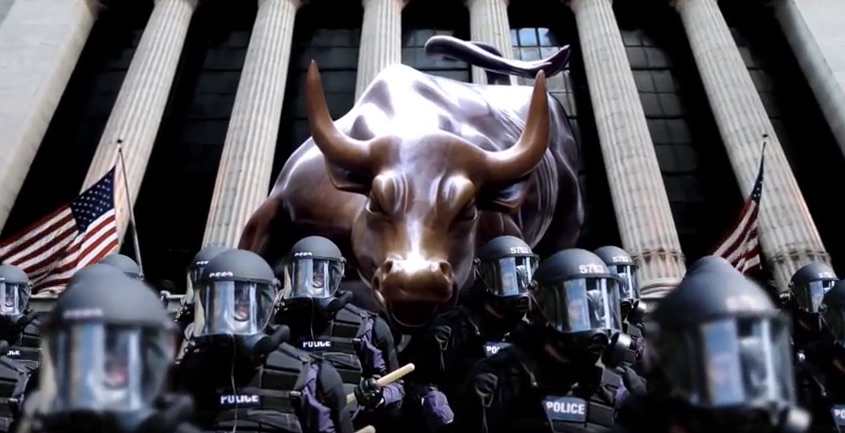
Two decades later, those same bases and runways are being reactivated. In 2025, Washington quietly expanded military operations on the island, deploying F-35 fighter jets, stationing P-8 maritime patrol aircraft, and rotating Marine and Special Operations units through Puerto Rican ports and airfields. The official justification is “counter-narcotics operations,” but the timing and scale point to something far larger: a regional military buildup aimed at Venezuela.
The aggression has now extended to Colombia, where Trump has cut off all U.S. aid and accused President Gustavo Petro of being a “drug leader.” The announcement came just days after Colombia’s president denounced the U.S. drone strikes off Venezuela’s coast, one of which, he warned, hit a Colombian vessel and killed Colombian citizens. Instead of accountability, Washington answered with insults and economic blackmail.
The Trump administration’s designation of a “non-international armed conflict with drug cartels” gives legal cover for drone strikes and covert missions far from U.S. territory. Puerto Rico’s colonial status makes it the perfect staging ground: a place the Pentagon can operate freely without congressional debate or local consent.
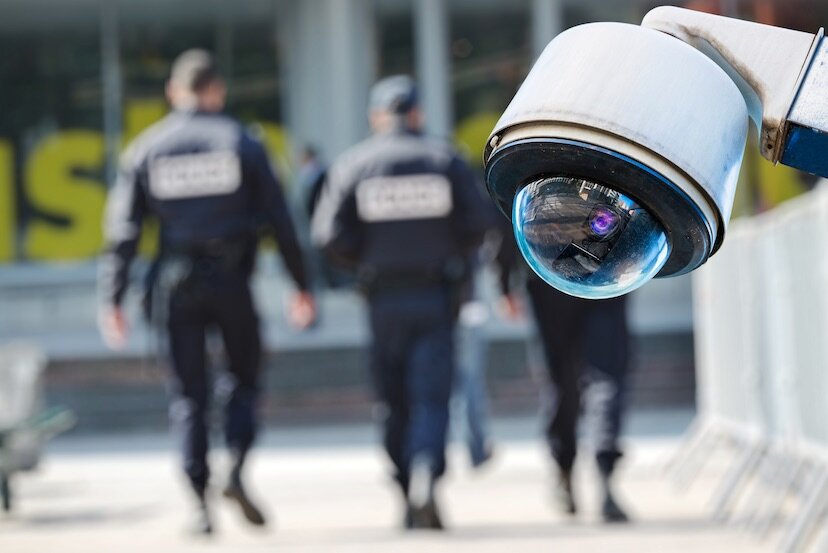
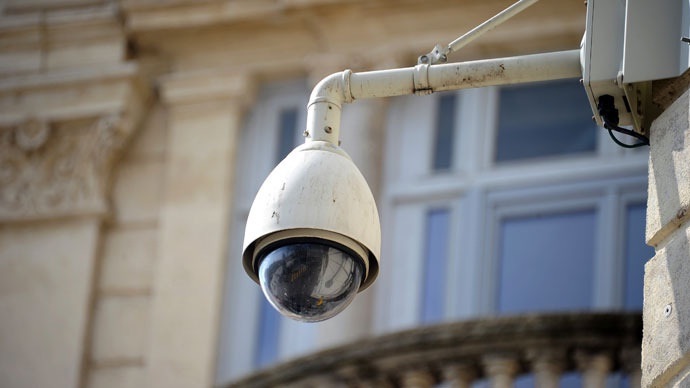
For Puerto Ricans, this militarization is not an abstract issue. It means more surveillance, more environmental risk, and a deeper entanglement in wars they never chose. It also signals a return to the same imperial logic that made Vieques a bombing range: using occupied territory to project power abroad.
Puerto Rico remains the oldest colony in the modern world, a U.S. “territory” whose people are “citizens” but not sovereign. They cannot vote for president, have no senators, and possess only a symbolic representative in Congress. That absence of sovereignty is what makes it so useful to the empire: a gray zone of legality where wars can be prepared without democratic consent.
This is not the first time Puerto Rico has been used as a military springboard. Its bases have served as logistical hubs for interventions across the hemisphere, from the U.S. invasion of the Dominican Republic in 1965, to Grenada in 1983, and Panama in 1989. [more]