3 Mass Overdose Incidents Killed 45 People in a Baltimore Neighborhood. To Solve the Drug Problem Elite Liberals and Their "Black" City Attorney Want Cops to Issue More Criminal Citations
/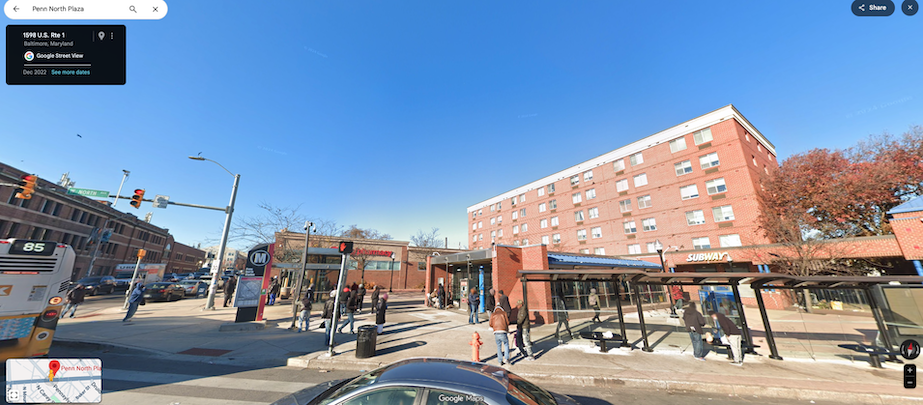
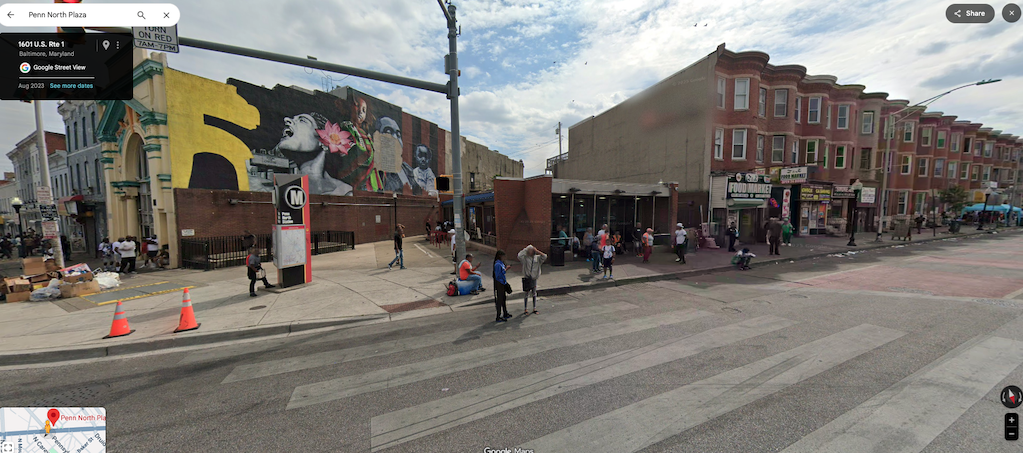
Three mass overdose incidents involving roughly 45 people have shaken Baltimore’s Penn North neighborhood since July. Yet newly released citation data shows only a handful of tickets were written for drug-related offenses in the area, which is subject to a well-known open-air drug market market, raising questions about how the city is using its enforcement tools.
Records provided by the Baltimore City State’s Attorney’s Office show that since late July, just four of 32 citywide citations for controlled dangerous substances (CDS) offenses were written in the Penn North ZIP code (21217): one by the Baltimore Police Department (BPD) and three by the Maryland Transit Administration.
The mismatch between overdose volume and basic enforcement actions is fueling frustration. Baltimore City State’s Attorney Ivan Bates said the city isn’t using citations enough for low-level offenses such as drug use, littering and disorderly conduct.
It’s “sad” that only four drug-related citations were written in Penn North since late July, Bates said. “That just tells me that so much more needs to be done.”
Bates said citations for drug use can be an important step toward (forced) treatment. The treatment does not cost the offender money.
Spotlight on Maryland sent emails to Baltimore Mayor Brandon Scott’s office and City Councilman James Torrence, whose district covers Penn North. We asked both if they agree with Bates that not enough citations are being issued and whether more citations should be issued by BPD and other law enforcement agencies. Scott did not respond.
Torrence disagreed with Bates on citations and said in an email that “addiction is a public health crisis, not a criminal one. While court intervention may help some individuals, a citation alone doesn’t equal treatment, we need a system that connects people to care before they ever encounter law enforcement.”
“I respect the State’s Attorney’s efforts, but true progress requires more than citations, it requires continued investment in prevention, recovery and opportunity,” Torrence added. [MORE]