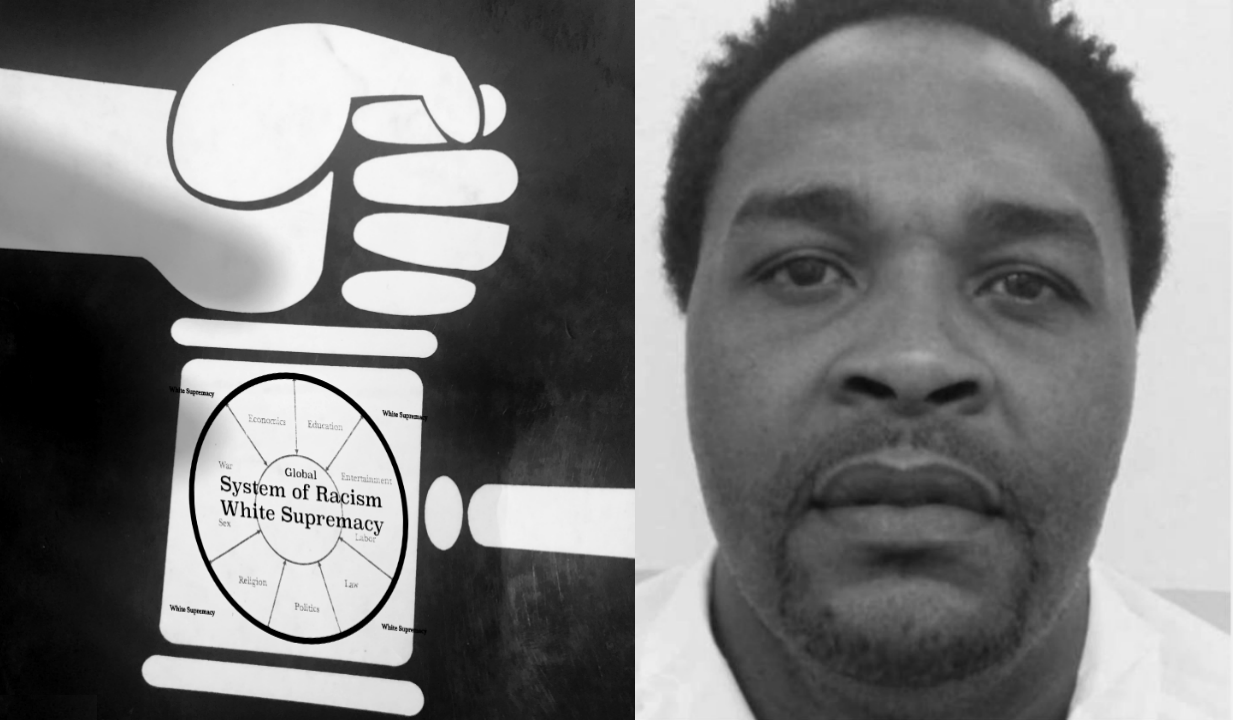
Gavin Newsom Signs Amendments to California’s Racial Justice Act into Law
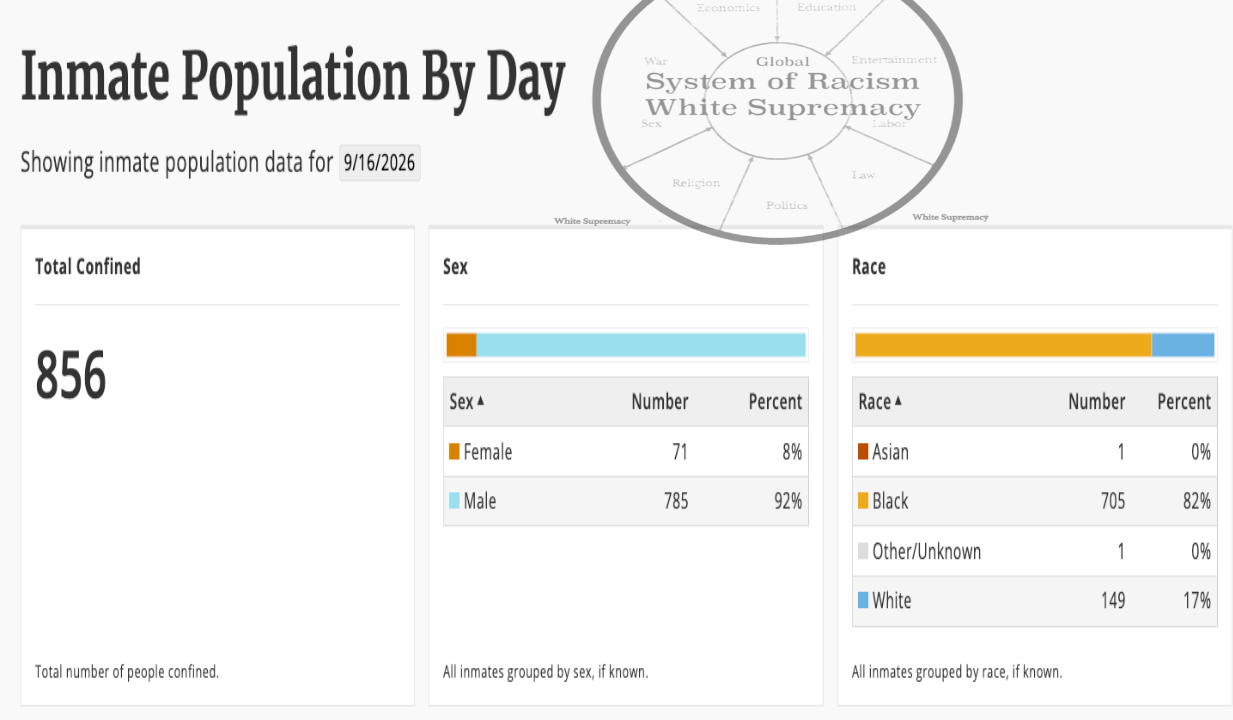
/From [HERE] On October 13, 2025, Governor Gavin Newsom signed the latest set of amendments to California’s Racial Justice Act (CRJA) into law, strengthening a groundbreaking piece of legislation that prohibits criminal convictions and sentences based on race, ethnicity, or national origin. Under this law, capitally convicted prisoners can pursue meaningful relief, beyond just the reversal of a death sentence, if the state is found to have violated these protections.
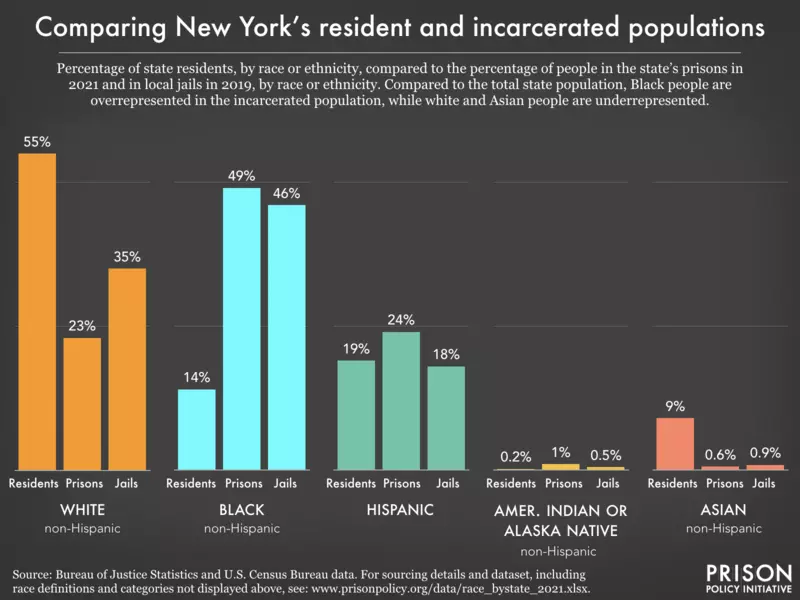
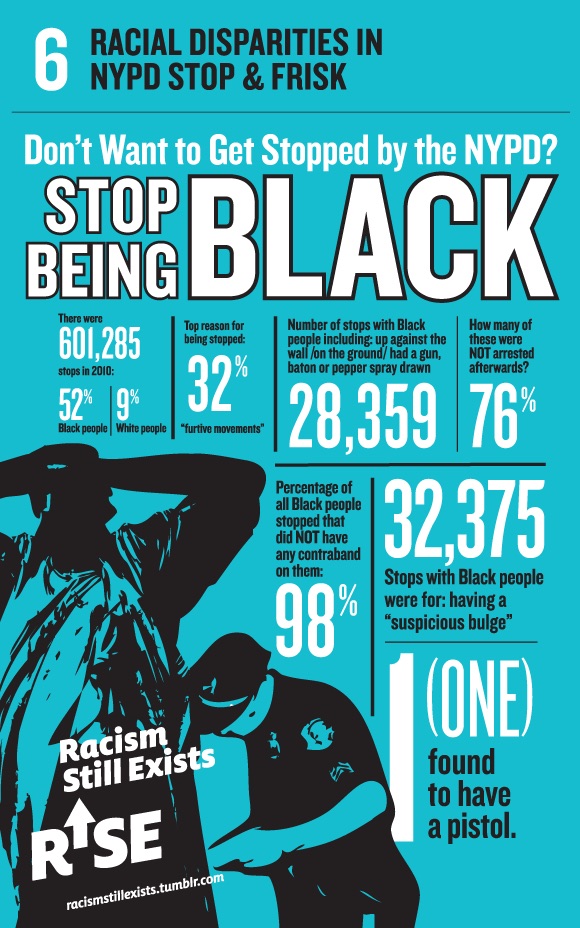
When California’s RJA was first passed in 2020, legislators expressed their intention for the law to be interpreted as a “rejection” of the 1987 United States Supreme Court decision in McCleskey v. Kemp, a ruling which refused to accept powerful statistical disparities as evidence of racial discrimination and forced defendants to prove that the alleged racism or bias was purposeful. Assemblymember Ash Kalra (D‑San Jose), the CRJA’s primary author, said the law serves as a “countermeasure” to McCleskey, arguing that the decision “established an unreasonably high standard for victims of racism in the criminal legal system that is almost impossible to meet without direct proof that the racially discriminatory behavior was conscious, deliberate and targeted.” Under the CRJA, statistical evidence is enough for a defendant to bring a case.
The CRJA has been amended once before, in 2022, to make the law retroactive. The latest amendments to the CRJA clarify the minimum threshold a defendant must meet to bring a claim, expand eligibility for appointed counsel for indigent death-sentenced prisoners, make it easier for prisoners to obtain early discovery, and require courts to provide a remedy when a violation is found, potentially even dismissing the charges. [MORE]