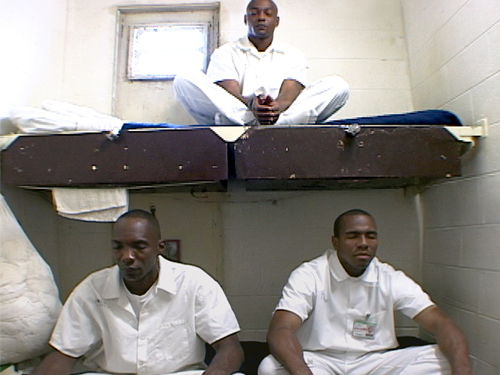
Study Finds No Showers, Black Mold and Clogged Toilets in Reprehensible Prisons in Cleveland, St. Louis and Hinds County that are Filled w/Mostly Black People and Run by Elite, White Liberals
/Poor sanitation in jails has been the subject of civil rights lawsuits for decades. Plumbing issues, vermin infestations, feces-covered walls, and limited access to basic hygiene products, such as soap or tampons, are common complaints.
Courts almost universally agree that a lack of basic sanitation violates detainees' constitutional rights, said David Fathi, director of the ACLU’s National Prison Project. Pre-trial detainees have sued, arguing that filthy conditions violate their due process rights. If a person has already been convicted, allegations of foul living conditions are considered cruel and unusual punishment.
Despite widespread legal challenges, many jails across the country are still filthy. Litigation against substandard conditions often ends in a settlement, Fathi noted, with officials agreeing to a change in policy, or better monitoring and enforcement, in exchange for not taking the case to trial. Settlements are typically the fastest route to clean things up, but they don’t set a legal precedent for other facilities, meaning there’s nothing requiring jails in the same county or state to adopt reforms.
Good hygiene in jail is often about more than detainees’ willingness to keep clean. Understaffing, overcrowding, facility maintenance, and mental health issues can all play a role. For example, the ACLU of Oregon, settled a lawsuit in 2019 against a county jail that had allegedly crowded a dozen women into a single intake cell, where they had to beg for toilet paper and menstrual products, and were denied showers.
“People don’t want to live in filth,” said Dr. Fred Rottnek, director of community medicine at St. Louis University and former medical lead at the St. Louis County Jail. “They are at the mercy of the administration to provide needed services because they can’t do it on their own.”
Reporters from The Marshall Project’s local news teams dug into the state of sanitation at jails in St. Louis, Cleveland and Hinds County, Mississippi, home to Jackson, the state capitol. They found that poor jail maintenance and management, as well as understaffing, mean many detainees are left to live in unsanitary conditions. [MORE]