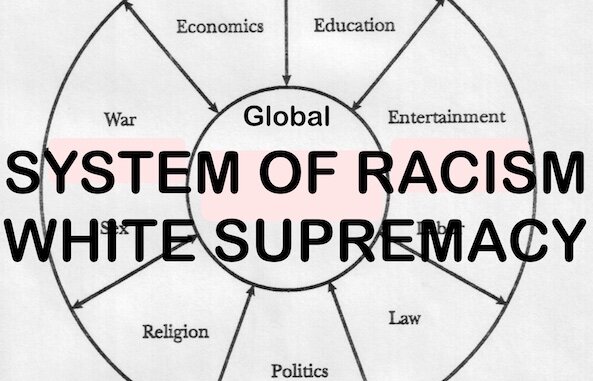
Nationwide, since 1977, the overwhelming majority of death row defendants (77%) have been executed for killing white victims, even though Blacks make up about half of all homicide victims. [MORE] From [HERE] This month, the number of executions under Texas Governor Rick Perry is set to hit 250 — more than twice as many as in any other state since the U.S. death penalty was reinstated in 1976. Anthony Haynes and Bobby Hines would be the 249th and 250th Texas prisoners put to death under Gov. Perry, and are set to be executed October 18 and 24 respectively.
250 is a lot of executions. But even a small sample of the state killings under Rick Perry highlights (or lowlights) the depth and variety of serious problems with capital punishment in Texas. The large number of executions merely illustrates how little Texas leaders care about these problems.
Here are just eight of the more egregious, but also representative, examples from Rick Perry’s death penalty legacy.
1. Executing the Innocent: Cameron Todd Willingham (executed February 17, 2004) was convicted of murdering his 3 young daughters by arson in 1991. In 2011, the Texas Forensic Science commission reopened the case and published in its final report that there was no scientific reason to believe that the fire was arson at all. Governor Perry had information about the flawed arson investigation at the time of the execution and later tried to quash the reopened investigation. The Innocence Project now considers Willingham wrongfully convicted.
2. Inadequate Legal Counsel: Leonard Uresti Rojas (executed Dec. 4, 2002) was one of many to be executed under Governor Perry despite major questions about the competency of their lawyers — both Bobby Hines and Anthony Haynes are current examples. The appellate attorney appointed to Rojas was on probation with the state bar, had never handled a death penalty appeal, suffered from bipolar disorder, and missed multiple deadlines to file appeals on Rojas’ behalf. Missed appeal deadlines made it impossible for Rojas to challenge his death sentence. Under these circumstances, Rojas should have been granted clemency, but the failure of his lawyers was not enough for Governor Perry and the Texas Board of Pardons and Paroles.
3. Killing Teenage Offenders: Napoleon Beazley (executed May 28, 2002) was only 17 with no prior record when he carjacked and killed John Luttig in 1994. He was one of four juvenile offenders executed under Rick Perry before the Supreme Court outlawed such executions in 2005. Texas continues executing those who committed crimes as teenagers – Bobby Hines, set to be the 250th under Rick Perry, was 19 at the time of his crime.
4. Executing the Mentally Ill — Kelsey Patterson (executed May 18, 2004), despite diagnoses that he was severely mentally ill, was assessed as mentally fit for execution by Dr. James Grigson, nicknamed “Dr. Death” for his willingness to testify against capital murder defendants. Though a decades-long staple in Texas capital hearings, “Dr. Death” was later expelled from the American Psychiatric Association and Texas Society of Psychiatric Physicians because of his unethical, unscientific testimony in such cases. Gov. Perry ignored a rare recommendation of clemency from the Texas Board of Pardons and Paroles and allowed Patterson’s execution to proceed. In a 2006 Amnesty International report on mental illness and the death penalty, Patterson is listed as 1 of 9 people executed in Texas between 2001 and 2005 despite severe mental illness.