Shootings by Denver Police Prompt Outcry: ENOUGH IS ENOUGH

  
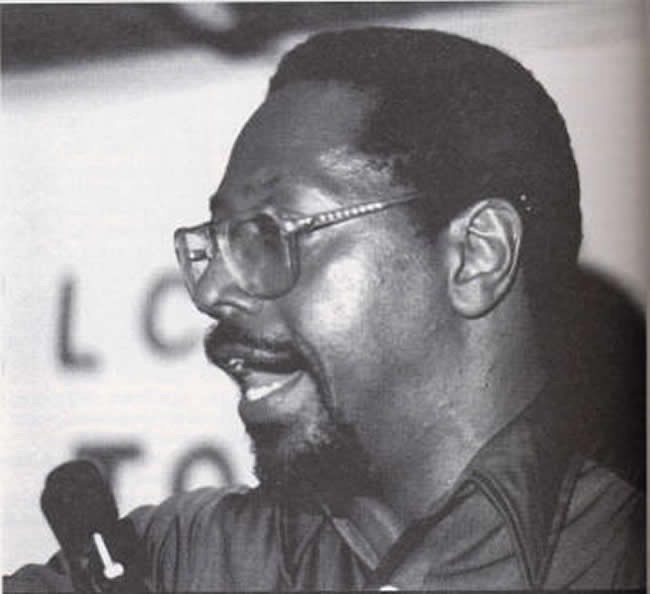
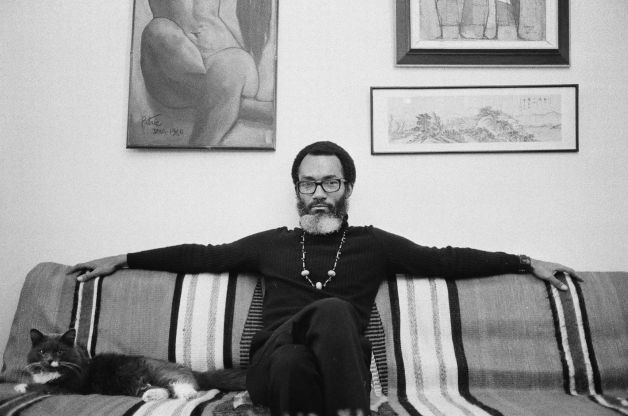
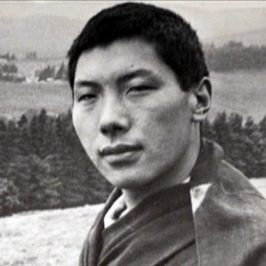
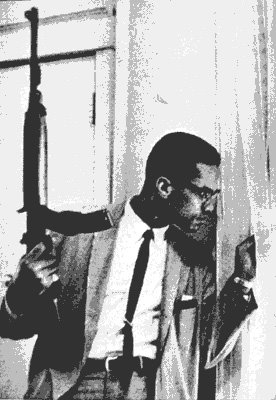
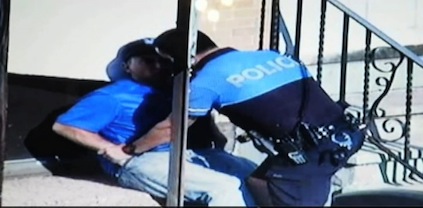
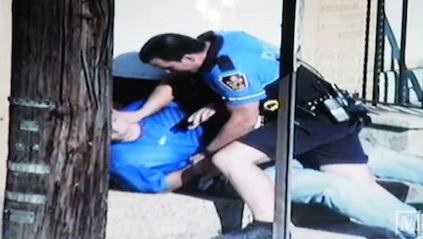
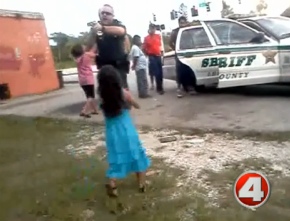
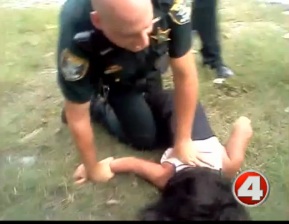
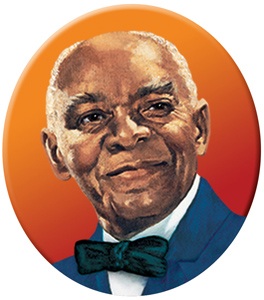
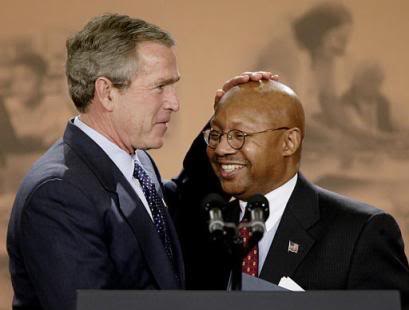
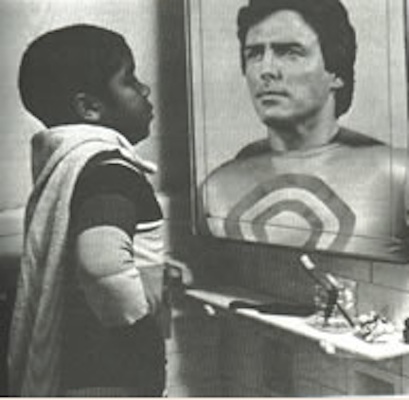
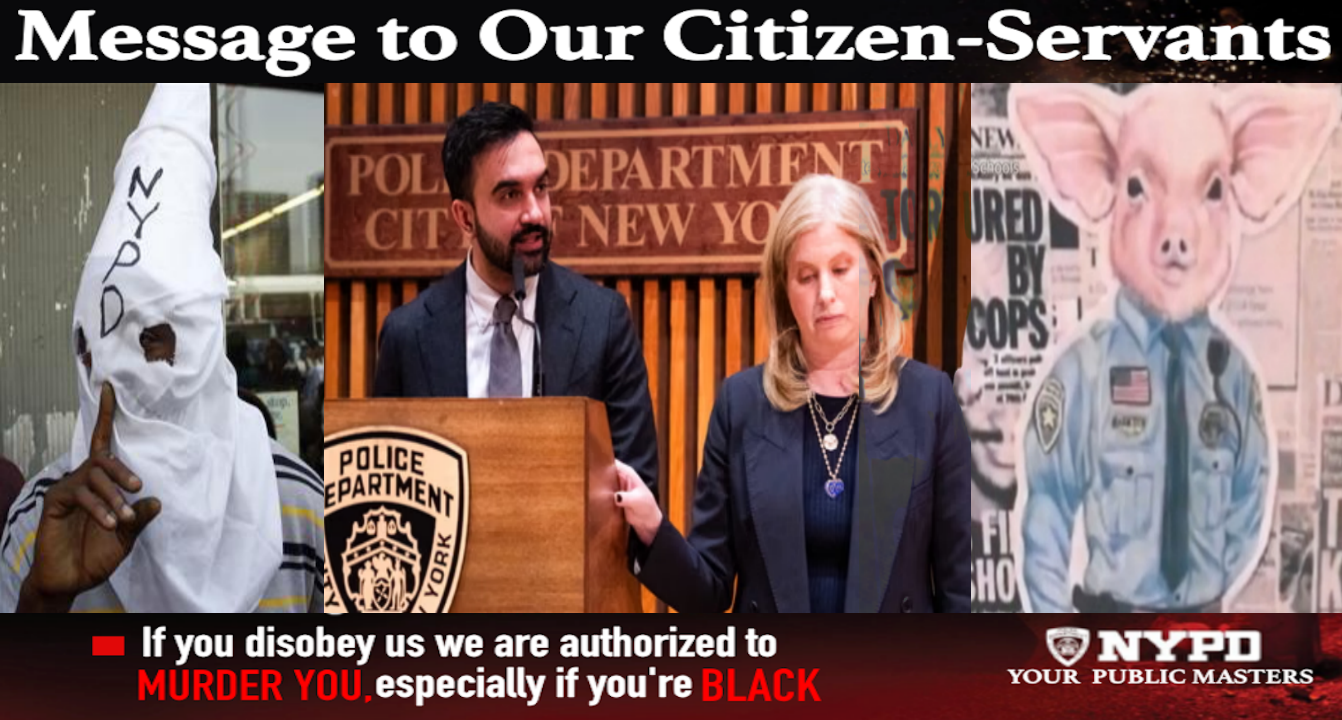
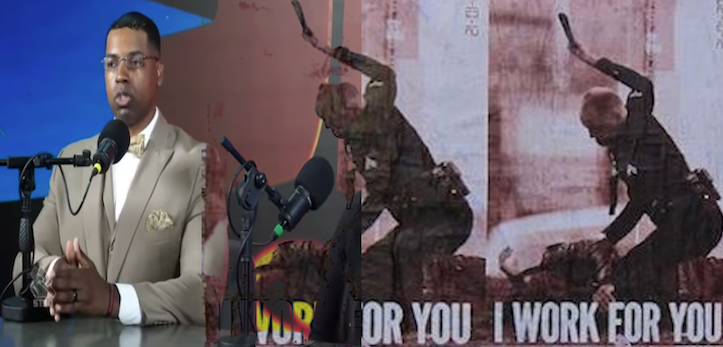
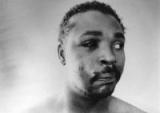
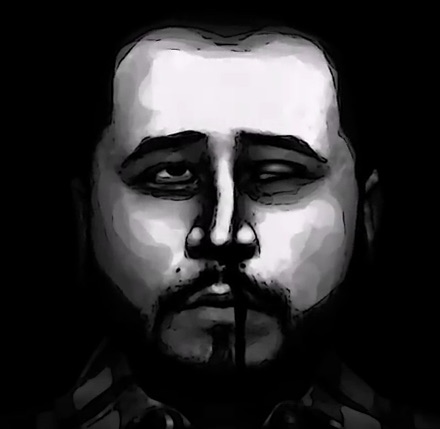
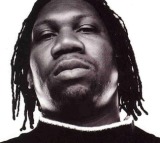
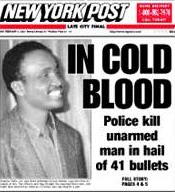
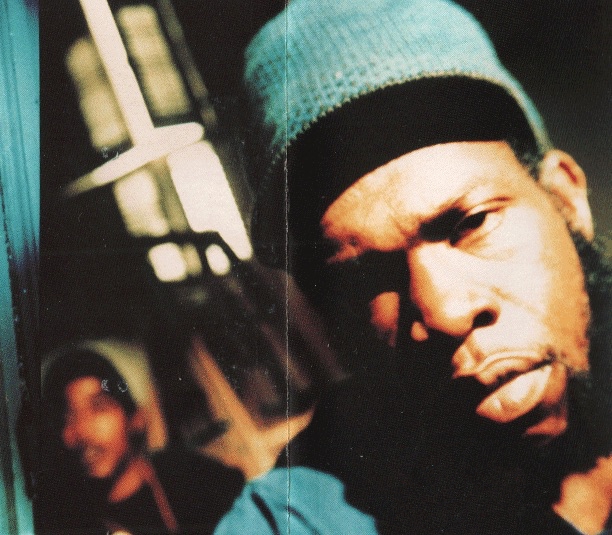
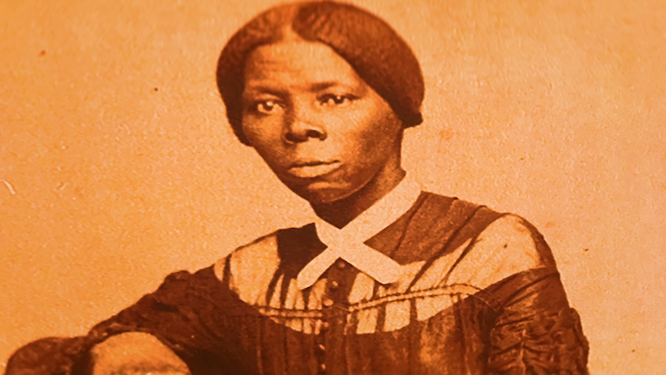
Fatal shootings by Denver police have raised questions over the department's use of force and prompted the U.S. Justice Department to consider an investigation into local law enforcement. The latest killing was July 11, when a Denver police officer looking for a domestic violence suspect crawled through an upstairs window and shot 63-year-old invalid, Frank Lobato (Pictured above left) as he lay in bed, watching television. Police said the officer thought Lobato, who was not the wanted man, was holding a gun. It turned out to be a soda can. Denver police fatally shot eight people last year and three this year. The circumstances surrounding many of the cases have raised eyebrows. Last year, an officer killed Paul Childs (Pictured above top right), a 15-year-old developmentally disabled black teenager armed with a knife. The shooting sparked demonstrations and anger throughout the city.  In many cases, those killed were black or Latino. "The police are very much distrusted in the minority community," the Rev. Patrick Demmer, a community activist, said. "They go into these communities like they are going into a war zone." [more] and [more]
  •  Latino Man had a Soda Can in his hand, NOT A GUN. Police shoot and kill. [more]
  •  Denver Family Receives Money From City [more]

LA Probe to Date Finds No Fault in Fatal Arrest of Latino Man

Despite an autopsy that cited police restraint maneuvers as a factor in an Atwater Village man's death early this year, Los Angeles Police Chief William J. Bratton said Friday that a preliminary investigation found the conduct of officers didn't "appear inappropriate." A report by the Los Angeles County coroner said three factors contributed to the death of 35-year-old Jose Antonio Rodriguez: cocaine intoxication, coronary disease and police restraint procedures employed during his arrest Jan. 18.  The death has sparked outrage among members of the Latino Community Forum, an advisory group for the Los Angeles Police Department.  [more]
  • L.A. - Suspect's death raises question [more]

CA. Black Caucus Plans Statewide Hearings Over Police Abuse

The California Legislative Black Caucus plans to hold statewide hearings on police abuse, a state senator and an assemblyman said at a town hall meeting in Leimert Park on Saturday. The event was organized by the Community Commission on Police Abuse, a coalition of activists assembled by publisher and community leader Danny Bakewell after the June 23 televised beating of Stanley Miller, who was tackled by officers after being pursued in a stolen car. "Let's make no mistake, we're not here because a brother got beat," said Sen. Kevin Murray (D-Culver City) to a crowd of several hundred people. "We're here because [the police] got caught beating a brother. These things happen all the time." [more]

Dallas police chief bans controversial neck hold

After months of protest from civil rights groups, Police Chief David Kunkle has banned the department's use of a neck hold that contributed to a man's death last year. Kunkle said Friday he plans to brief Dallas City Council members on his decision Monday and ask them to buy 400 Tasers, a type of electrical stun gun. The chief's briefing paper to the council said the neck hold is "difficult to apply in field conditions" and officers may not know about suspects' pre-existing medical conditions. The Rev. L. Charles Stovall of the Unified Organizations for Justice, an activist coalition, welcomed the ban. "This is something that needed to be done, and it's something that we rejoice is happening," Stovall said.  [more]

Code of Silence Feared to Surround Miller Beating Investigation -

Sheriff Lee Baca says he will investigate allegations his deputies provided incomplete or misleading information to LAPD detectives probing the videotaped beating of suspected car thief Stanley Miller. The inquiry represents an expansion of the investigation into potential brutality during Miller's June 23 arrest, the Los Angeles Times reported. As many as eight deputies responded to the Compton neighborhood where Miller was chased by LAPD officers after abandoning the stolen car he was driving, according to The Times. TV news footage shows Miller, after he appeared to have surrendered, being repeatedly kneed and struck with a flashlight by an LAPD officer. Baca told The Times in an interview that he is particularly incensed by an LAPD report that a deputy assigned to the Compton station yelled, "No rats here!" at an LAPD detective working on the investigation. Baca said the remark, if true, reflects an unacceptable code of silence. "I will find out who made the remark," Baca told The Times. "If a deputy made such a remark, it reflects that individual should no longer be a deputy sheriff... It reflects a gang mentality. ...
Read More

AMBUSHED. Albemarle Police Executed Frederick Gray and then Lied about it.

  • New Trial for case of Unarmed, Naked Black Man Beaten and Shot Dead by White Police Officers
Six years ago, in the early morning of May 15, 1997, at least six white police officers responded to 911 calls "concerning a domestic disturbance" at a ground-floor apartment where a black male, Frederick Gray, and his white girlfriend, Katherine Martin, had just moved in together.  Within less than 3 minutes after they entered the premises the unarmed Mr. Gray lay in the entrance doorway shot twice, in the back and left armpit - killed by the Albemarle police.  Gray was naked from the waist down except for socks. Immediately after the shooting, Gray was hand cuffed and left with no attempt at resuscitation.  He died on the threshold of the door.  Before notifying Gray's family, Albemarle officers had begun running a criminal background check on Gray. Gray had no criminal record. Gray's girl friend (and all police involved) was unharmed. In fact, she was not even examined by paramedics. The blood that was on her shirt was Gray's.

What exactly happened in the 2 or 3 minute interval after police entered Gary's apartment is in dispute. The controversy does not concern the conflicting accounts of other witnesses- as there was only one other non- police witness, Gray's girlfriend. Rather, the dispute concerns the police officer's own statements and accounting of what occurred. What the police said at trial is completely different from what the police initially explained immediately after the incident. At some point they lied.
 
When police arrived at Gary's apartment around 6 AM there were no signs that a domestic disturbance had been going on. Police knocked on the door only one time and explain that they waited 10 minutes for the door to be answered. Officer Wallace testified that  during the ten minutes of waiting, he saw Gray and his girlfriend appear briefly at the door. Nevertheless, the police made no follow up efforts to communicate with them. Police say they heard nothing. Police entered the apartment with their guns drawn.

Once inside, the officers went around a divider to the bathroom where Gray emerged undressed.  The police admitted they gave Gray no explanation for their presence. The officers' testimony differed as to where the girlfriend was located when they entered.  However, all the officers agreed that not a single one of them had any conversation or interaction whatsoever with the girlfriend at any point up until after the shooting and she was escorted out.

Officer Giles testified that, when they entered, the girlfriend said, "Everything's okay, everything's okay."  Officer Chiarappa admitted that at one point after they entered he heard her say either "[s]top or no," he was not sure which. One of the officers ordered Gray "to get down"  on the floor. All the officers agreed that Gray "immediately" complied with the order and had surrendered; he got down on the floor. All the officers except for Officer Perry reholstered their guns.

Yet after initially complying, police explain that Gray suddenly rose up and began to struggle with them when an officer attempted to handcuff him. Police then attempted to subdue Gray by hitting him with their police batons. Police reports show that the blows were so powerful they even caused a slight bend in Officer Chiarappa's baton. The girlfriend described that she "just remember that they were, like, hitting him with those sticks." Among other injuries, the autopsy of Frederick Gray revealed a gash into the top of his forehead as well as  a blow to the top of his head that caused bruising extending all the way through the scalp. 

The police say that they were unable to restrain Gray and that he managed to beat back all the officers. Officer Chiaparra said at trial that after witnessing Gray beat down the officers and seeing that Gray had now turned to attack him he withdrew his gun and fired three shots. Gray fell facedown in the doorway of the apartment.

A few hours after the incident each of the officers gave fellow officers detailed statements that were tape-recorded and transcribed concerning the events surrounding the shooting .  They each gave another recorded statement a few weeks later during a second set of interviews conducted by Lieutenant Newton.  Attorney's representing Gray's estate contend that in those original statements all the police officers involved gave significantly different versions of events and descriptions from what they gave at trial including descriptions concerning central issues in the case: a) motivation for Defendants' initial actions, b) whether Gray was trying to escape and whether the officers would have let him, as they contended they would have at trial; c) what actions and motivations allegedly justified the shooting, including whether in fact officers had been injured as they described ; d) and even how the shooting occurred.

Nevertheless, the trial court judge refused to allow the statements to be used at trial. Citing a hearsay law designed to prohibit the use of written statements made to claims adjusters by eyewitnesses immediately after an accident, the Judge said the previous statements were inadmissible [see Opinion]. The statements could not be used to atack the wtiness credibility of the officers nor could the statements be offered as evidence of what had actually occurred.  In fact, the jury never knew the statements even existed.

However, on June 10, 2004 the Virginia Supreme Court overturned the decision, stating that Gray's legal team was wrongfully prevented from using the written statements from the police officers during the previous trial. The appeal victory for Gray means Albemarle police will be back in court for another trial on the 1997 shooting. A date for a new trial has not been announced yet.

Once in court, the police officers will finally be confronted with their own words. The police lied. Both versions of what the police said happened to Frederick Gray cannot be true:

For instance, at trial, Chiarappa described seeing the girlfriend in a "white t-shirt, some lettering on it and looked like blood spots up on shoulder area.".  However, in his statement on May 15, 1997, he was asked about seeing any blood on the girlfriend and responded that he had not noticed any, that he "was not paying attention to her."

At trial, Chiarappa also testified that, other than "get down, get down," no one said anything to Gray. However, on the morning of the shooting, Chiarappa stated that, as Wallace went to cuff Gray, Wallace bent down and "did say something to him, don't know exactly what" after which, "he just began swinging". Attorney's for Gray's estate contend that if Gray did in fact attack the police he may have been provoked by something that was said to him by Wallace.  

Chiarappa testified that he inflicted deadly force baton blows to Gray's head only after Gray had disabled officers in the apartment. Yet, in both of his two original statements, Chiarappa stated several times that he used the baton "to the scalp area" immediately when all the officers were first attempting to subdue Gray. In fact, in his original description, it is after blows to the head that, he says, Gray "raises up, looks at me and he's got this crazed look. . .  his eyes are solid white and ...he starts throwing punches and hitting people."

At trial, all officers described a situation where, from the beginning of the struggle, no officer could ever get control over Gray.  Yet in his original statement to Lt. Newton, Chiarappa described how at one point "all of us including Perry were able to get hold of Frederick Gray and take him from back toward the bathroom area, back toward the corner area which was right as you first come into the apt."

Furthermore, at trial Officer Wallace first testified that he did not recall Chiarappa giving a warning to anyone that he was about to shoot Gray.  But then Wallace stated he remembered something like "roll free" but insisted he heard nothing about going to shoot.   However, in both of Wallace's original statements in 1997, Wallace had repeatedly described such warnings by Chiarappa.  The morning of the incident, he said, "I remember Amos saying Jamie [Hanover] get in here, ah I may shoot this guy, stop, Dave [Wallace] stay clear, or [sic] get out of the way. . . cause this guy was kind of like over . . . ." . He told Lt. Newton separately, he heard Chiarappa yell, "get out the way, Dave, I'm go [sic] have to shoot him. . . . roll free, Dave, roll clear Dave, I've got to shoot him, and I heard him and [sic] I (inaudible) rolled, . . . ", and again, "Amos [Chiarappa] said fall free, I'm go [sic] have to shoot him . . . "

At trial, officers testified to little if any signs of life in Gray after the shooting.  It was uncontested that there was no CPR attempted at any point. However, Wallace stated that morning that they could hear "movement inside [Gray's body]," that he guessed Gray was "still breathing or something." He told Lt. Newton that "[h]e wasn't moving, but he was still living and somebody handcuffed him. . . "

Additionally, At trial, Wallace described observing punches Gray allegedly inflicted upon Giles inside the apartment, saying he "has him around the neck and is delivering punches to his head, the back of his head and back. . . six, eight or more."  However, in his original statement, Wallace said he did not see Giles get hit at all.  He stated, "I didn't see the guy hitting [Giles]."

Importantly, at trial, all Defendants contended that Gray had ample and unfettered opportunity to escape but inexplicably chose not to do so. Yet in his original statement to detectives the morning of the incident, Wallace described the final moments outside as follows:" I was trying to keep my footing to you know get back at him, ?cause
I didn't want him to get away after you know all this crap."

At trial, the police rested their justification for the use of deadly force first and foremost on supposedly seeing Officer Perry knocked unconscious.  Perry himself could not say on the stand whether or not he was knocked unconscious. While he admitted to some "vague" memory of holding onto Gray, and he recalled being pulled in the direction of the door at some point, he had no idea where Gray went from there. He also said he did not remember  heading to the door and then hearing "I'm gonna have to shoot him."
Nevertheless, Perry described precisely this and repeatedly in his original statements. He also recalled a great deal of detail regarding the entire situation in his previous statements.

In their petition, attorney's for Gray's estate also cite various other inconsistencies in police testimony

L.A. - Jose Antonio Rodriguez's death raises question

Latino community leaders and other activists on  Thursday called for an independent investigation in the death of Jose Antonio  Rodriguez, who died after being arrested by Los Angeles Police Department officers  earlier this year. During a tense community meeting attended by 70 people at the LAPD Academy in  Elysian Park, community leaders urged police officials to address Rodriguez's  death the same way they have handled the recent televised beating of car theft  suspect Stanley Miller. "We need a thorough and fair investigation," said Arturo Ybarra, a member of  the Latino Community Forum, a group that meets regularly with police to discuss  Latino issues. Lenore Solis, another member of the Latino Community Forum, made the same  request. "All I've wanted ... is just to find out what happened," Solis said. "Tell  us what happened, because the rumors are rampant in the community." [more]

Pasadena: Shooting of Unarmed Black Man by Officer Justified, Police Say

The shooting death of a black man by Pasadena police officers in April, which fanned racial tension between residents and law enforcement, was justified, according to an internal investigation released Tuesday by the Pasadena Police Department. Maurice Clark, 30, was fatally wounded April 24 while leading two officers on a chase in northwest Pasadena. During the chase, Clark allegedly fired one gunshot, though not in the direction of police. Fearing for his safety, Officer Keith Gomez fired six shots through a chain-link fence and tarpaulin, striking the suspect twice, investigators said. The findings will be reviewed by the Los Angeles County district attorney's office. Additional probes are being conducted by the FBI and U.S. Department of Justice at the request of the Pasadena Police Department. [more]

D.A. should head shooting probes

REACHING for a gun. It has replaced the fabled "shiny object in the hand' or the alleged drug-induced behavior excuses offered by police when shooting unarmed suspects. Within the past two weeks, two officer-involved shooting deaths of unarmed men in Los Angeles County one in Long Beach and the other in El Monte point to the need for a change in not only police procedure, but investigation of those incidents. The El Monte shooting is especially disturbing as police initially stopped a car based on a tip that the occupants were involved in the gangland slaying of a 6-year-old girl in the parking lot of a convenience store. El Monte Police now say the two aren't suspects in that incident. Indeed, a day after the police shooting, videotape of the killing confirm someone else was involved. Why didn't the two gang detectives wait for this evidence before attempting to make arrests? Unanswered questions about questionable police procedure that left 23-year-old David Viera dead when he refused to obey police commands and allegedly reached for a gun under the passenger seat of a car in which he was riding. There was no gun. [more]

Richmond police tape of May incident released

Richmond police released a videotape yesterday of the May 30 incident in which officers tackled a young woman and her boyfriend and pepper-sprayed several people in an angry crowd. Seven people, all black, were arrested. The incident outside a black-owned club on Orange Street led to allegations of excessive force and racial profiling against the police. An internal investigation found that proper force had been used in making the arrests. The tape, made by a camera in a police cruiser, shows a portion of the arrest of Natasha Miller, who was body-slammed by an officer. members of the Justice Resource Center asked the U.S. Justice Department this week to investigate the incident. [more]

  • Link to Video [here]

LA Sheriff to Study Deputies' Role in Miller Police Beating

Los Angeles County Sheriff Lee Baca said Tuesday that he will investigate allegations that his deputies provided incomplete or misleading information to Los Angeles Police Department detectives looking into the videotaped beating of suspected car thief Stanley Miller. The Sheriff's Department inquiry represents an expansion of the investigation into potential brutality during the June 23 arrest of Miller. [more]

Company that markets Taser Guns Made False Claims: Use of Tasers Linked to Deat
Thousands of police departments, including every major law enforcement agency in the Valley, buy Tasers on a claim that the electric stun guns will instantly take down suspects without inflicting harm. That assertion of safety has generated record sales for Scottsdale's Taser International Inc., which markets its guns as alternatives to deadly force and says its goal is to arm every police officer in America. But an Arizona Republic investigation has revealed that Taser's claims are based on autopsy reports the company never possessed. For years, Taser officials cited these reports as proof that the stun guns never caused "injury or death to another human being." Now, officials acknowledge they never had those autopsy reports and didn't start collecting them until April. The Republic's review of autopsies and interviews with medical examiners found Tasers have been linked to at least five deaths. Medical examiners in three cases involving suspects who died in police custody cited Tasers as a cause or a contributing factor in the deaths. In two other cases, Tasers could not be ruled out as a cause of death.  [more]
Police Officer Says He Shot Dead Unarmed Homeless Black Man because of 'peril'

Long Beach Police Officer Says He Shot Dead Unarmed Homeless Black Man because 'he was in peril'
A Long Beach police officer told investigators he felt in peril when he fatally shot an unarmed man from five feet away because the man had twice tried to grab the officer's service revolver or holster moments earlier, the department said Monday. Officer Dave Garcia, a three-year department veteran, fired once at Keyante Reed, 20, ending an incident that had begun barely three minutes earlier in a nearby 7-Eleven parking lot, where Reed flagged down the officer and yelled for help. [more]

Latino Man's Family Brings Wrongful death Suit Against LA Police

Family members of an Atwater  Village man who died after being taken into police custody filed  a federal civil rights lawsuit Monday against the LAPD claiming  wrongful death, negligence and battery. Jose Antonio Rodriguez, 35, died after being arrested Jan. 17  when police found him running half-naked and trying to jump into  moving cars. Police say he was so crazed that they had to hobble  him, yet still he thrashed around in the back of a police car. Members of the Latino community expressed outrage that this  case was not brought to light sooner, considering two recent  high profile beatings in South Los Angeles are being reviewed by  citizen groups.  LAPD Assistant Chief George Gascon said "There really was no reason for us to be reaching out to the  community for intervention because we had no information that --  one, we had done anything wrong -- secondly, that we even had  contributed to his death." [more]

Family Sues City of Portland and Police -- Unarmed Black Man Shot Dead

The family of an unarmed black motorist who was shot and killed by police has filed a $10 million lawsuit against the city of Portland and two of its officers. Spokesman for both the city and the police said that they hadn't seen the lawsuit filed Monday in Multnomah County Circuit Court, and so couldn't offer substantive comment. Elden Rosenthal, who is representing the family of James Jahar Perez, said the lawsuit filed in Multnomah County Circuit Court Monday isn't about money. "There are bigger issues here," Rosenthal said. "The question of whether there will be change or not. We are still in the same situation we were in in March after two African American motorists had been shot and killed." [more]

Witnesses Contradict Police Story: No Officer said "Gun"- No Objects were Seen

LAPD MIller Beating-
Two women who say they witnessed the beating of alleged car thief Stanley Miller report that none of the police involved called out a warning that Miller had a gun, contradicting the account five officers gave to justify striking and kicking the prone suspect during his arrest. Los Angeles Police Officer John J. Hatfield, who is shown on TV news videos striking Miller repeatedly with a flashlight, said he heard Officer David Hale yell that the suspect had a gun, according to sources familiar with the investigation. Hale, 31, said he shouted the warning after he felt a bulky object in Miller's pocket, the sources said. But one of the women, who said she watched the arrest through a bedroom window about 20 feet away, added: "They didn't say anything about a gun. I promise you, they didn't say anything like that." [more]

LAPD Beating Report Almost Done

The inspector general of the Los Angeles Police Department vowed Saturday that a thorough investigation will soon be completed of the televised beating of an alleged car thief by officers. "We have a staff of 28 and we're working diligently on it and I'm confident that we'll be able to produce the insight and analysis that the public wants," said Andre Birotte Jr., the LAPD's inspector general. Birotte was speaking to a crowd of about 30 at the weekly Los Angeles Urban Policy Roundtable in Leimert Park. He is charged with determining whether Officer John J. Hatfield was justified when he repeatedly hit Stanley Miller with a flashlight in Compton on June 23 following a police pursuit. Birotte declined to offer details of his findings. Some in the audience didn't see much reason to further investigate the incident since it was captured on videotape. Others wondered aloud why an officer would act so brazenly when there were clearly members of the press watching.  [more]

Oakland Officers walk out of Citizens review Hearing

Four Oakland police officers accused of improperly arresting and beating a West Oakland man walked out of a Citizens Police Review Board hearing.But the eight-member board continued the Thursday evening hearing without their participation and sustained four of the 25 allegations lodged against Officers Steve Chavez, Jeffrey Tom, Michael Shinn and Michael Osanna. According to the board, Chavez arrested Ronald Muhammed without having a reasonable suspicion that a crime had been committed. On the afternoon of July 28, 2003, Muhammed was walking on Wood Street near 10th Street shaking his cell phone and trying to get a signal. Chavez, while still in his patrol car, asked Muhammed whether he was on probation or parole and requested his identification. When Muhammed did not comply, Chavez got out of the patrol vehicle and attempted to arrest Muhammed. A struggle ensued, and other officers were called to the scene to help restrain Muhammed, who was arrested and jailed. [more]

Houston-- 1 in 3 police shootings involve unarmed people

Law enforcement officers in Harris County have shot 65 unarmed people since 1999, killing 17. These incidents represent more than a third of all local police shootings, but experts call them the most preventable. After two unarmed teenagers were shot and killed in separate incidents last year, the Houston Chronicle analyzed 189 shootings by officers from 18 local law enforcement agencies in the past 5 1/2 years. Nearly once a month, on average, police shot someone who had no weapon. [more]

Seven Black men say police harassed them at restaurant

Seven black men who were detained as they left a restaurant have sued police and the restaurant chain, saying they were the victims of discrimination and unlawful detention. The men met at a Golden Corral on July 13, 2003. Restaurant manager Mary Christian called police to report a robbery in progress, and said a group of suspicious black men was in the restaurant, the lawsuit said. Police waited outside the restaurant for customers to leave. When the plaintiffs left, they were orderd to kneel on the ground as officers aimed guns at their head, took their cell phones, searched them and verbally abused them, the complaint said. Later, police realized the men had done nothing wrong and released them, but refused to give the men their names and badge numbers, the lawsuit said. The group's lawyer, Ronnie Mitchell said the men were singled out by restaurant employees and police because they are black. White customers were asked for identification and allowed to leave, he said. [more]