Fed Ct Forced to Remind Cops, 'You Cant Use Deadly Force Against Unarmed People Posing No Threat, Even If they're Black.' Revives Terence Crutcher's Suit, Cop Fatally Shot Him in the Back w/Hands Up
/
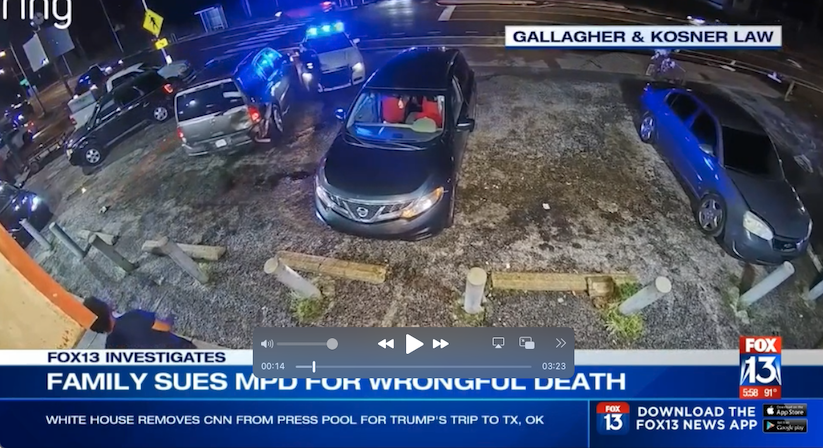
From [HERE] The 10th Circuit Court of Appeals published an opinion Monday reversing the dismissal of a civil rights lawsuit brought by the estate of Terence Crutcher against the City of Tulsa and former Tulsa Police Department officer Betty Shelby. The decision in Manning v. Tulsa sends the case back to the U.S. District Court for the Northern District of Oklahoma.
The 10th U.S. Circuit Court of Appeals ruled Shelby is not entitled to qualified immunity, stating evidence supports the claim that Crutcher’s constitutional rights were violated through the use of unreasonable force.
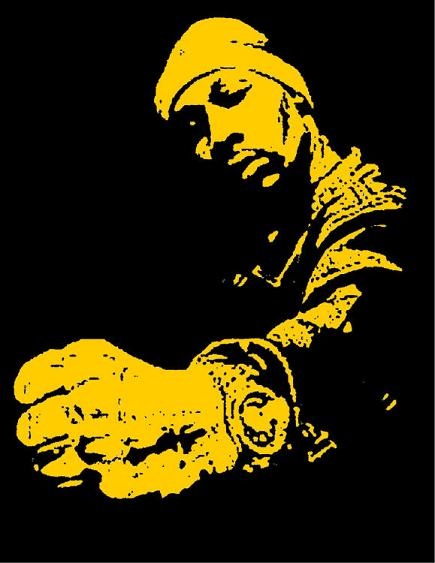
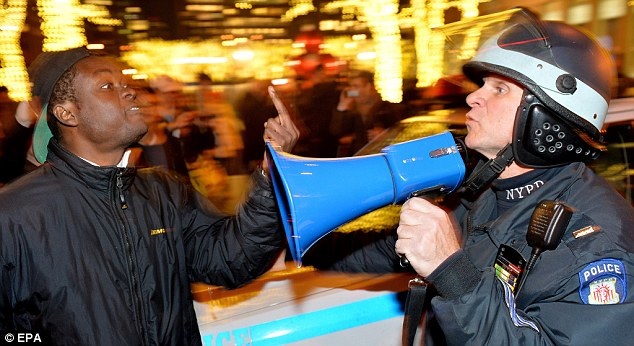
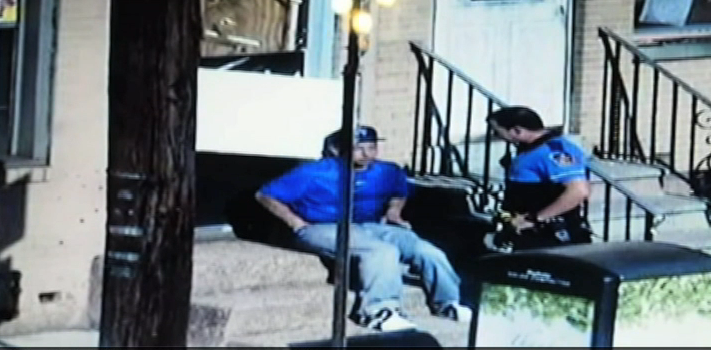
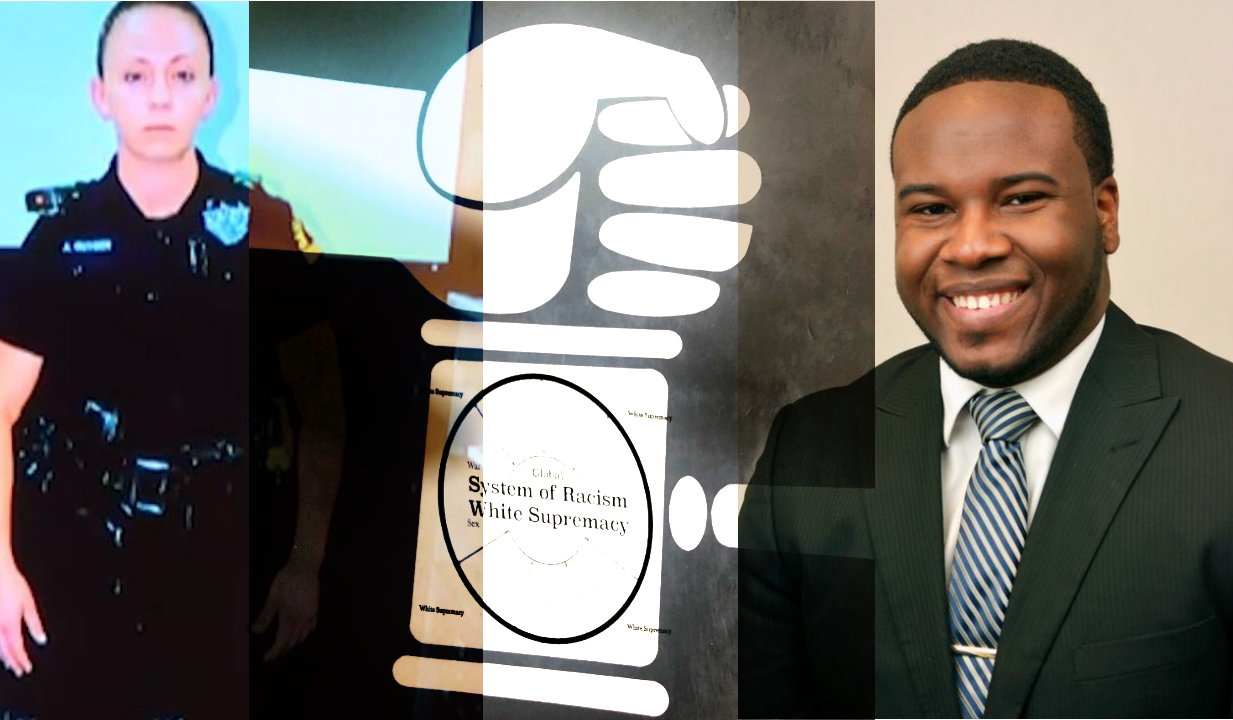
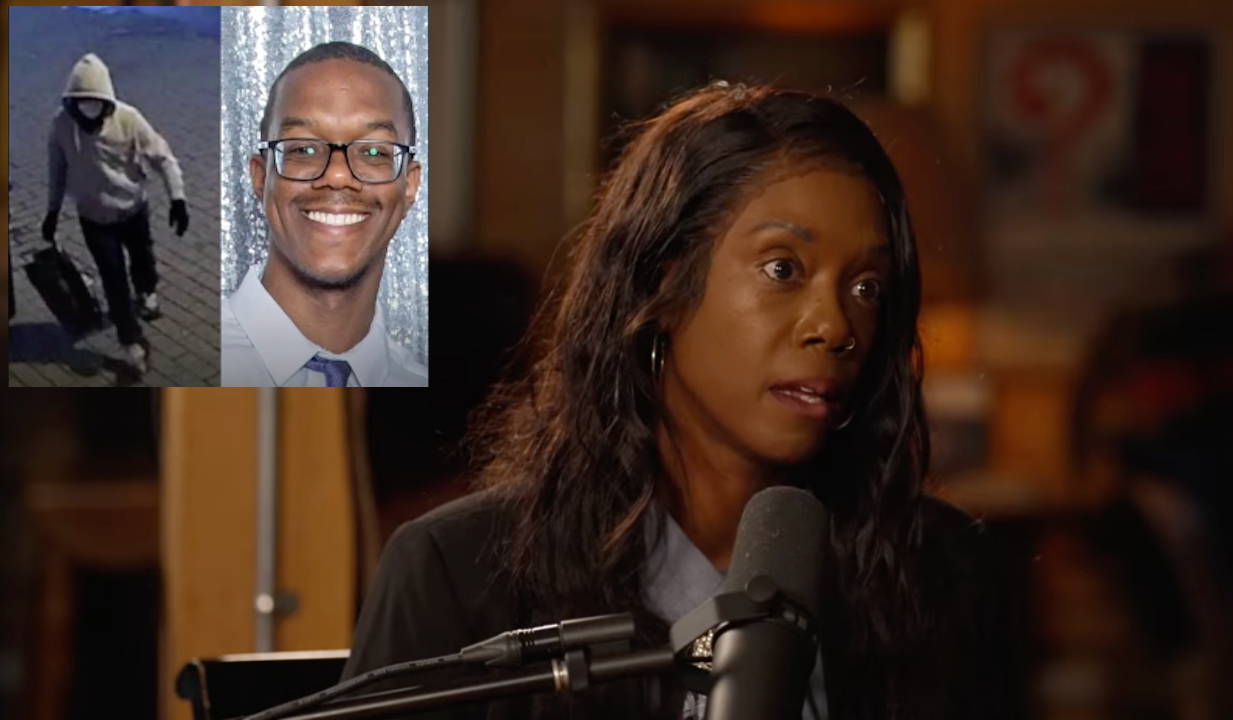
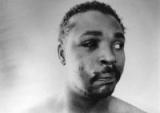
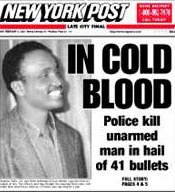
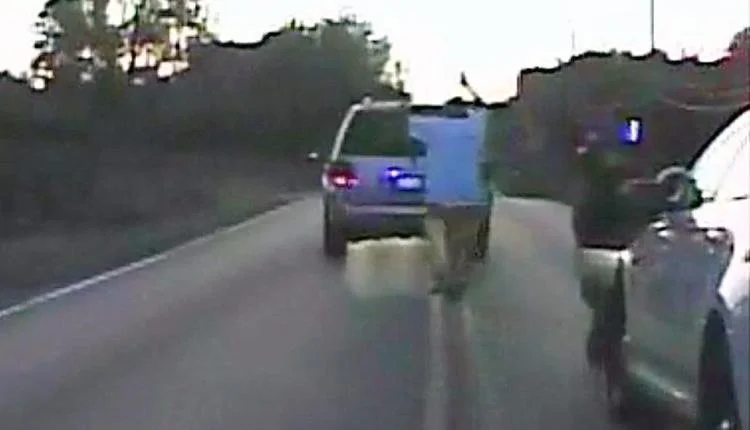
Crutcher, a Black man, was shot and killed in September 2016 by Shelby, a white police officer, while he was unarmed and standing near his vehicle. At the same time Shelby fired her handgun, another officer, Tyler Turnbough, shot at Crutcher with his Taser. Shelby was charged with manslaughter days later but acquitted by a jury in 2017.
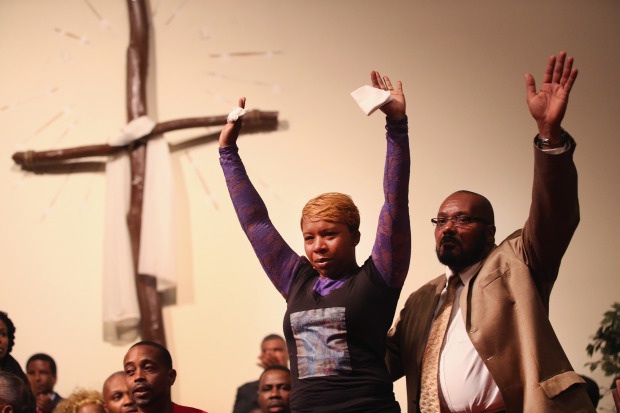
On Tuesday, Crutcher’s family, their legal team and State Senator Regina Goodwin said this moment has been a long time coming.
While the family’s original lawsuit included several claims, the 10th circuit remanded two back to the district court: 1) whether Shelby violated Crutcher’s civil rights when she shot him and 2) whether the federal court should exercise supplemental jurisdiction over state law claims against the City of Tulsa.
In 2024, District Court Judge for the District of Kansas Eric Melgren substantively dismissed the estate’s excessive force claims against Shelby and procedurally dismissed the state law claims against the City of Tulsa for failing to meet the requirements for supplemental jurisdiction. (Melgren was handling the case owing to the Northern District of Oklahoma’s ongoing judge shortage.)
“Here, it is plaintiff’s burden to demonstrate that it was clearly established that an officer cannot use deadly force on a suspect who: has diminished capacity; was in an open, unconfined area; reportedly committed only non-violent misdemeanors; ignored orders to stop and get on his knees as he slowly walked away from an officer towards a parked vehicle with his hands up; and when he reached the door of the vehicle lowered his arm,” Melgren wrote. “And ‘plaintiff, through his counsel, has simply failed to carry the burden assigned to him by law.’ Therefore, the court grants officer Shelby’s motion for summary judgment, finding that qualified immunity bars plaintiff’s Fourth Amendment claim against her.”
A 10th Circuit panel disagreed with Melgren’s characterization of the bar for excessive force complaints to overcome qualified immunity claims, finding it is clearly established an officer may not use deadly force against an unarmed individual who poses no threat.
“[Melgren]’s account fails to assume that Crutcher kept his hands raised when he reached the door of the vehicle,” Judge Nancy Moritz wrote. “As the estate argues, the proper iteration of the right is broader and hinges on the use of deadly force against an unarmed individual who poses no threat.”
The appeals court ultimately remanded the excessive force claim against Shelby and the state law claims against the city back to the federal district court in Tulsa.
helby’s attorney, Scott Wood, told the Tulsa World his client would talk to the City of Tulsa before deciding whether to file a petition for rehearing or an appeal to the U.S. Supreme Court. A spokesperson for the City of Tulsa did not respond to a request for comment before the publication of this article.
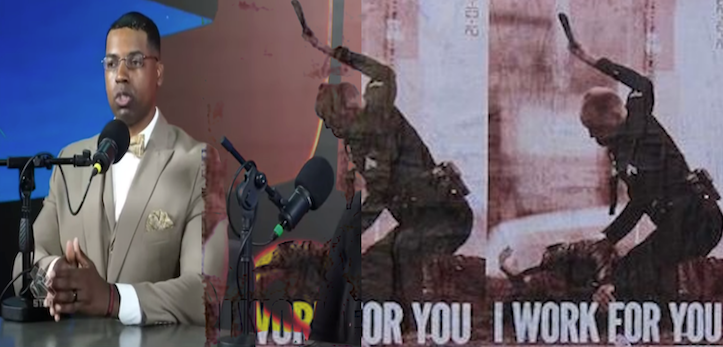
During Tuesday’s press conference, Solomon-Simmons seemed eager for the case to go to trial in federal court, but he did hint he was open to settlement negotiations.
“Unlike the criminal trial, the full story will come out if we get to federal court. And unlike the criminal trial where they didn’t hear from experts from our side, they will hear our experts if the jury gets this. And unlike the criminal trial, they will hear about Terence and his family and what it meant for him to be a part of this community,” Solomon-Simmons said. “We believe with all our might and all our heart that if the jury sees what the 10th Circuit sees, we will get justice for this family. But I hope this city does not cause this family to go through that. They have suffered enough (…) I’m calling on the city to make sure that this family does not have to see another trial.”
In its ruling, the court reiterated what it called a “baseline principle.” This means a police officer may not use deadly force against an unarmed, non-dangerous person.
2 News Oklahoma reached out to Shelby’s attorney, Scott Wood.
In a statement, he said they are disappointed by the judge’s decision, and they stand by the position that Shelby acted reasonably.
Betty Shelby quit the Tulsa Police Department soon after the trial and became a Rogers County, Oklahoma Sheriff's Deputy.