Did COVID Injections Also Kill D'Angelo? New South Korean Study Demonstrates that COVID Boosters Increase the Risk of Pancreatic Cancer by 125%
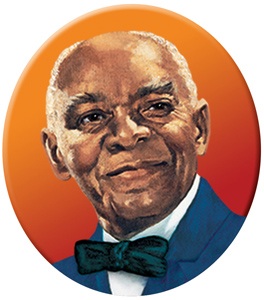
/D'Angelo passed away on 10/14/25 without much attention from massa media. According to media reports he died from pancreatic cancer in New York City at the age of 51. A family member told People that D'Angelo had been in a hospice for two weeks, and had been hospitalized for months.

From [HERE] COVID-19 vaccines and boosters — both mRNA and non-mRNA — pose an increased risk of six types of cancer and a 27% higher risk of cancer overall, according to a recent South Korean study of over 8 million people.
Four South Korean researchers published the report last week as a letter in Biomarker Research, a Springer Nature journal.
According to the study, COVID-19 vaccines and boosters are associated with a higher risk of breast, colorectal, gastric, lung, prostate and thyroid cancer, across all vaccine types and age groups.
Mainstream medical commentators were quick to dismiss the findings, with MedPageToday describing it as “flawed.” But other medical and scientific experts disagreed.
“In plain terms: both major COVID-19 vaccine platforms appear to be carcinogenic,” epidemiologist Nicolas Hulscher wrote in a post on Substack.
Dr. Angus Dalgleish, a medical oncologist, told The Defender the study builds on other recent findings but “is the first to show that cDNA [non-mRNA] and mRNA vaccines are associated with cancer risk, suggesting that the spike protein is directly carcinogenic.”
Medical commentator John Campbell, Ph.D., said this week on his YouTube show that the research marks “the largest-scale study so far” examining the association between the COVID-19 shots and cancer.
‘No vaccine technology was free from cancer risk’
According to the study, while the carcinogenic potential of the SARS-CoV-2 virus responsible for COVID-19 “has been hypothetically proposed,” there has been little research on the potential cancer risk from COVID-19 vaccines.
The researchers said the “shared structures” contained within the SARS-CoV-2 virus and the COVID-19 vaccines, including the spike protein, might mean that the COVID-19 shots are associated with cancer risks.
The study used data from 2021-2023 for over 8.4 million people in South Korea’s National Health Insurance Service database. The sample was split into two groups based on vaccination status. The vaccinated sample was further split into booster and non-booster groups.
Researchers tracked the patients for one year. The vaccinated group was tracked following vaccination. The results showed a statistically significant higher risk of cancer in the vaccinated group, including:
Overall cancer: 27% higher risk
Breast cancer: 20% higher risk
Colorectal cancer: 28% higher risk
Gastric cancer: 34% higher risk
Lung cancer: 53% higher risk
Prostate cancer: 69% higher risk
Thyroid cancer: 35% higher risk
The statistical analysis of the results showed that there is a “1 in 1,000 chance that this result arose by chance,” Campbell said.
COVID-19 mRNA vaccines produced by Pfizer and Moderna showed a 20% higher overall risk of cancer and were most closely linked to a higher risk of breast, colorectal, lung and thyroid cancers.
Non-mRNA COVID-19 vaccines, known as cDNA vaccines and which include the AstraZeneca and Johnson & Johnson (Janssen) shots, were associated with a 47% higher overall risk of cancer. They were specifically linked to an increased risk of colorectal, gastric, lung, prostate and thyroid cancers.
Patients who received a mixture of mRNA and cDNA doses also faced an increased risk, with a 34% higher incidence of cancer overall and a close association with a higher risk of breast and thyroid cancers.
“The elevated cancer risks were not confined to one vaccine platform,” Hulscher wrote. “Each vaccine type was associated with a measurable increase in overall cancer — and each had specific cancer sites driving the signal. In other words, no vaccine technology was free of cancer risk in this dataset.”
Internal medicine physician Dr. Clayton J. Baker said the data show that among vaccinated people, the cancer risk increases with time.
“The increased risk of cancer for vaccinated subjects rises in a linear fashion over the entire period of the study, at a steeper angle than the unvaccinated curve, and it does not flatten out. The increased incidence just keeps getting bigger. It could go on for decades. It’s truly alarming,” Baker said.
‘Every demographic group experienced elevated cancer risks’
The results also showed vaccinated people under 65 years of age were at particular risk of some types of cancer.
“The relatively younger population (individuals under 65 years) was more vulnerable to thyroid and breast cancers; by comparison, the older population (75 years and older) was more susceptible to prostate cancer,” the researchers wrote.
Overall, vaccinated people under age 65 showed an overall increased risk of cancer, while elderly adults — particularly those over 75 — had the highest overall risk.
Vaccinated women also had a relatively higher risk of cancer than vaccinated men, with vaccinated women showing a particularly increased risk of colorectal and thyroid cancers, and vaccinated men showing a higher risk of gastric and lung cancers.
Hulscher wrote:
“Both the overall and site-specific results show a consistent pattern — every demographic group experienced elevated cancer risks, though the type and absolute burden varied. Women and the elderly were hit hardest, but no population segment was spared.”
The study’s results also showed that COVID-19 boosters resulted in a substantially higher risk of certain types of cancer. This included a 125% higher risk of pancreatic cancer and a 23% higher risk of gastric cancer.
Dalgleish called the numbers “striking,” saying the jump in risk after booster shots “is an unexpected increase that we are also seeing in the United Kingdom.” [MORE]