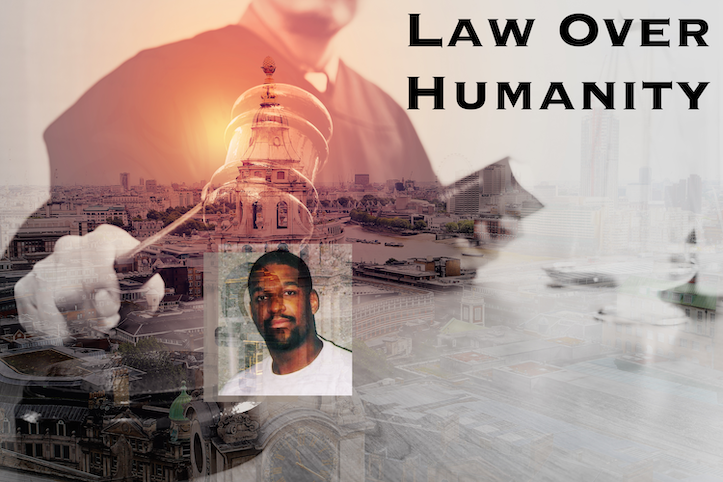
On 7/28 Alabama Authorities Plan to Murder Joe Nathan James Against the Wishes of the Victim's Family. Court Appointed Attorney Presented No Mitigating Evidence at Trial and He was Sentenced to Death
/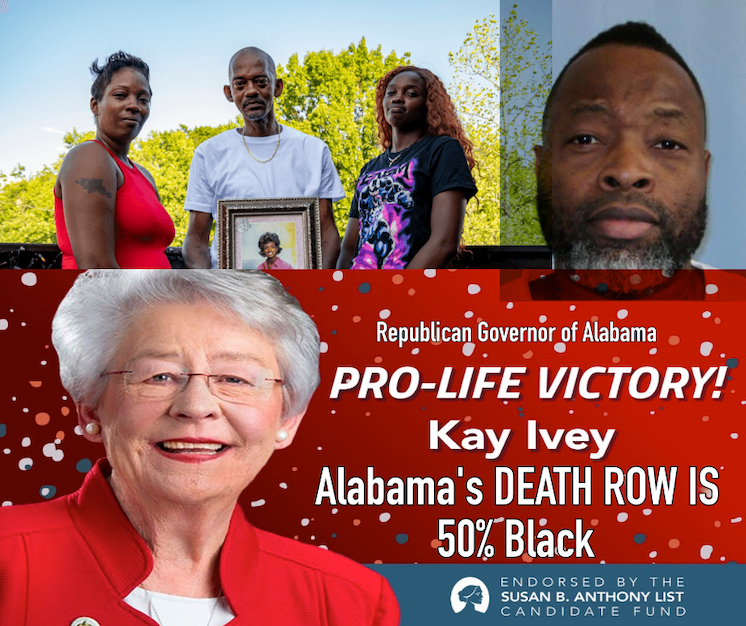
Presently 170 people are on Alabama’s list of people to murder (death row). 83 or about 50% are Black. [MORE]
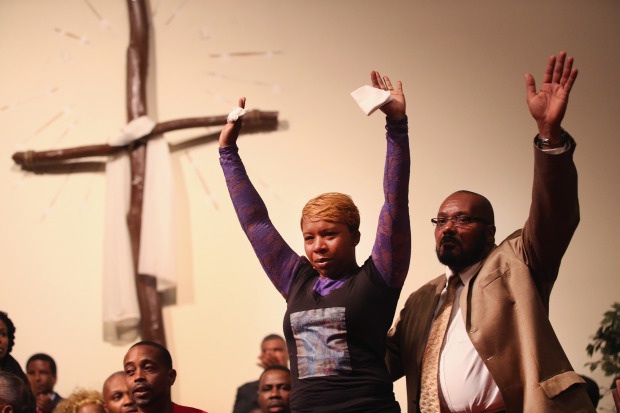
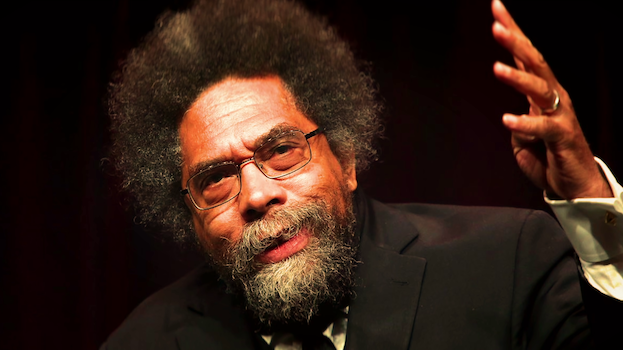
From [DPIC] and [EJI] If Alabama executes Joe Nathan James on July 28, 2022 for the murder of Faith Hall, it cannot claim to be doing justice for her or her family. Hall’s two daughters, Terrlyn and Toni Hall (pictured, far left and far right) and her brother Helvetius Hall (pictured, middle), oppose James’ execution and say Faith would oppose it, too.
“I don’t want it to go forward. We’re not God. The Governor is not God,” Terryln Hall told CBS 42 reporter Lee Hedgepeth. “Taking his life is not going to bring Faith back,” Helvetius Hall said. “It ain’t going to make no closure for us.”
Toni Hall agreed. “We shouldn’t be playing God. An eye for an eye has never been a good outlook for life,” she said.
The Halls believe their views should hold weight in the state’s decision-making process and say. Governor Kay Ivey should commute James’ sentence. They have asked prosecutors not to move forward with the execution. Faith would not have wanted James to be executed, they said. “She would’ve forgiven him,” Helvetius said.
As the execution date approaches, the Halls feel retraumatized and powerless.
“It’s really bothering me,” Toni said. “To know that someone is going to lose their life.”
James was sentenced to death in 1996 for the 1994 murder of Faith Hall, whom he had dated. At the time of her murder, Toni and Terryln were just 3 and 6 years old, respectively. “It was always good times with our mama,” Terryln said.
“She was my backbone,” Helvetius said. “She would fix whatever problem I had. I truly miss her. … We really didn’t have nothing growing up, but we had each other. Whatever the situation, she was able to talk with sense. I was a hothead, but she would tell me how to handle things. I miss that.”
Faith Hall’s murder has had lasting impact — Toni called them “trickle-down effects” — on each of their lives. She is more guarded in intimate relationships and with who she lets around her children. Each of the family members have made the emotional journey from hatred to forgiveness. “For years, I hated him,” Terryln said. “But as I got older and started living my life and raising my own kids, I had to find it in my heart to forgive this man.”
Hedgepeth reports that the Halls plan to travel to the prison on July 28, 2022 to hear James’ last words and they intend to leave the witness room before the execution takes place. They want James to know that, while his actions hurt them badly, they do not hate him and wish he was not being executed.
“We’re praying for his family,” Helvetius said.
The Eleventh Circuit unanimously upheld that order, but, without explanation and over a strong dissent, the Supreme Court granted the State’s application to allow the execution by lethal injection to go forward.
Joe James was convicted and sentenced to death in 1996 after the State relied on illegal hearsay evidence. The Alabama Court of Criminal Appeals reversed his conviction in 1998.
After the appellate court ordered a new trial, the State agreed that a life-without-parole sentence would be appropriate for Mr. James if he pleaded guilty to capital murder.
But his appointed trial lawyers took the case to trial. Following a retrial where counsel presented no mitigating evidence to the jury, Mr. James was convicted and sentenced to death.
South Dakota Congressman Demands Answers from Bill Gates over Farmland Purchases
/From [HERE] Rep. Dusty Johnson, a Republican, pointed to issues with Gates' purchase of massive swaths of farmland across 19 states.
Bill Gates, who is America's largest individual owner of farmland, is now facing scrutiny for his ownership of nearly 270,000 acres of farmland in 19 states.
One South Dakota congressman has taken notice of Gates' unmitigated buyout of agricultural land and seeks to bring the Microsoft founder and philanthropist before a committee to explain his vast ownership of farmland. Rep. Dusty Johnson, in a letter to House Agriculture Committee chairman David Scott, wrote:
"It has become clear in recent reports that Mr. Gates is the largest private farmland owner in America — he now owns nearly 270,000 acres of farmland across 19 states. Comparatively, the average farm size in 2021 was 445 acres, according to the United States Department of Agriculture's Economic Research Service. I believe that Mr. Gates' holdings across much of our nation is a significant portion that the Committee should not ignore.
"Bill Gates is the largest owner of U.S. farmland. I'm curious what's planned for this incredibly productive ag land given that he believes developed countries like America 'shouldn't eat any red meat.' How are his land purchases related to those aspirations?"
As Bill Gates continues to acquire land used for growing food crops, the billionaire has gone on a crusade to stop Americans from eating meat and is a vocal proponent of alternative meat substances.
In addition to the close to 270,000 acres of land that he owns, the North Dakota government has granted him the legal authority to purchase an additional 2,100 acres of farmland.
The move has locals livid, with many complaining that they feel they are being exploited by wealthy landowners like Gates who buy massive swathes of land while refusing to share the state's conservative values.
As detailed by the Daily Mail in early July, Gates is circumventing a 1932 anti-corporate farm ownership law by pledging to lease the land to farmers after he completes the purchase. The publication reported:
"North Dakota's Agriculture Commissioner, Republican Doug Goehring, previously said that many people feel they are being exploited by the ultra-rich who buy land but do not necessarily share the state's values."
Goehring, in an interview with a local news station said:
"I've gotten a big earful on this from clear across the state, it's not even from that neighborhood. Those people are upset, but there are others that are just livid about this."
DOJ Begins Racial Environmental Justice Probe to Determine whether Houston City Government has Discriminated against Blacks and Latinos by Failing to Enforce Illegal Dumping Restrictions
/From [HERE] The US Justice Department (DOJ) announced the opening of an investigation Friday to determine whether the City of Houston, Texas has discriminated against minorities in a predominantly Black and Latino area by failing to enforce illegal dumping restrictions.
According to a complaint by Lone Star Legal Aid, the City has not adequately responded to calls from residents in a northeast Houston community that “household furniture, mattresses, tires, medical waste, trash, dead bodies, and vandalized ATM machines” have been illegally dumped in their community. According to the complaint, the City has not properly enforced municipal codes and permit restrictions for decades.
The investigation will look into the city’s responses to reports of illegal dumping and determine whether the city has been complying with Title VI of the Civil Rights Act of 1964. The DOJ plans to review records of the 311 Houston Service Helpline system to determine if there are racial disparities in response times to different communities, as well as conduct interviews with residents, officials, and other stakeholders. The investigation will be jointly conducted by the Civil Rights Division of the DOJ and the US Attorney’s Office for the Southern District of Texas.
US Assistant Attorney General Kristen Clarke stated of the investigation:
Illegal dumping is a long-standing environmental justice issue [that] often disproportionately burdens Black and Latino communities…Illegal dumpsites not only attract rodents, mosquito and other vermin that pose health risks, but they can also contaminate surface water and impact proper drainage, making areas more susceptible to flooding. Illegal dumpsites denies residents the ability to enjoy their communities and strips vulnerable communities of the ability to lead their lives with full dignity and respect.
In response to the probe, Houston Mayor Sylvester Turner stated that “the City of Houston was stunned and disappointed” to learn about the investigation and that it is a “slap in the face to the City and the many people who diligently work to address illegal dumping daily and prevent environmental injustice.”
This investigation follows a trend of prioritization of environmental justice and civil rights. In May, the DOJ created the Office of Environmental Justice and issued a memorandum initiating a comprehensive environmental justice enforcement strategy to address discriminatory public health and environmental impacts to poor and minority communities.
NYU School of Law Warns Digital ID "Paving a Digital Road to Hell"
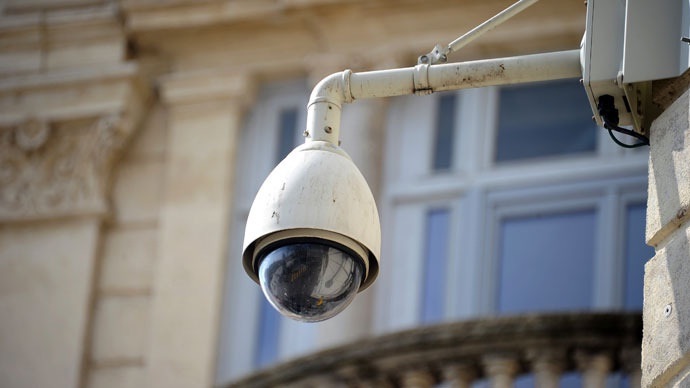
/From [HERE] New York University's Center for Human Rights and Global Justice has issued a chilling warning about the potential dangers to human rights posed by the push for digital identity.
In mid-June, the Center for Human Rights and Global Justice, a "hub for human rights study" at New York University (NYU) School of Law, issued a 100-page report detailing the growing dangers of a reliance on digital identity around the world. The report, titled Paving a Digital Road to Hell?, examines the role of the world bank and other international networks which have been promoting the use if digital ID in recent years.
The report notes that the World Bank has been "energetically promoting biometric and other digital ID systems that are increasingly linked to large-scale human rights violations, especially in the Global South". The researchers warn that digital identity schemes "promoted in the name of development and inclusion, might be achieving neither". Despite ostensible good intentions on the part of some promoting these systems, they "may well be paving a digital road to hell."
The press release for the report notes (emphasis added):
"Governments around the world have been investing heavily in digital identification systems, often with biometric components (digital ID). The rapid proliferation of such systems is driven by a new development consensus, packaged and promoted by key global actors like the World Bank, but also by governments, foundations, vendors and consulting firms."
The report states that many of the digital identity schemes are taking inspiration from the Aadhaar system in India. This specific digital ID model has prioritized digital ID as an "economic identity", according to the report. "The goal of such systems is primarily to establish 'uniqueness' of individuals, commonly with the help of biometric technologies," the release states. This in turn allows for bringing in impoverished people from the "informal" or "counter-economy" to the formal economy. This also has the effect of "unlocking" their behavioral data that can then be used by governments and other parties.
The report also notes that the Executive Chairman of the influential ID4Africa, a platform where African governments and major companies in the digital ID market meet, noted at the 2022 Annual Meeting in June that digital ID is no longer about identity alone but,
"enables and interacts with authentication platforms, payments systems, digital signatures, data sharing, KYC systems, consent management and sectoral delivery platforms."
The report details how the promoters of the new digital/economic identity model often evade "difficult questions" about the legal status and rights of those being registered. Despite promises of inclusion and flourishing digital economies, digital ID systems have "consistently failed to deliver on these promises in real world situations, especially for the most marginalized". The Aadhaar system itself has been criticized for severe and large-scale human rights violations.
In fact, the report finds that the evidence indicates it is the small group of companies and governments who stand to benefit most from these systems.
"After all, where digital ID systems have tended to excel is in generating lucrative contracts for biometrics companies and enhancing the surveillance and migration-control capabilities of governments."
Who is Driving the Push to Digital Identity?
The authors of the report also call for a "more clearly developed notion of 'who' are the most relevant actors driving this agenda and 'what' are the key concepts that should be contested and reimagined". They say that much can be learned by focusing on the actions of the World Bank Group, and, "more specifically its ID4D Initiative, as a central node in a more extensive global network of digital ID promotion."
In 2014, the World Bank launched the Identification for Development (ID4D) program with the aim of solving the problem of a lack of identity for much of the so-called "developing world". The World Bank is funding digital biometric ID programs in Mexico, pushing digital ID in poorer countries with the ostensible goal of providing legal identity to the 1.1 billion people who do not currently have one.
This program was started with a "catalytic investment" from the Bill & Melinda Gates Foundation, the Omidyar Network, as well as various governments. The report notes:
"We have noted that the World Bank and its ID4D Initiative do not stand alone in pursuing the digital ID agenda. They exist within a global network of organizations and individuals. This includes donor governments like the United Kingdom, the United States and France; global foundations such as the Bill & Melinda Gates Foundation (BMGF) and Omidyar Network; tech-savvy governments such as in India and Estonia; the UN system, including the members of the UN-Legal Identity Agenda Task Force; regional development banks, including the Asian Development Bank and the Inter-American Development Bank; private biometrics corporations like Idemia, Thales, and Gemalto; card companies such as MasterCard; new networks such as the Global System for Mobile Communications Association (GSMA) and ID4Africa; and numerous other global organizations"
Many of the governments and companies listed above are also partners with the World Economic Forum, the proponents of "The Great Reset". The Gates Foundation is likely more well known to regular readers, but the Omidyar Network should also raise red flags. The Omidyar Network was set up by eBay founder Pierre Omidyar and Pam Omidyar. To learn more about the history of Omidyar and his co-opting of the Snowden leaks via his ownership of The Intercept, read these investigations.
Interestingly, the NYU report states that proponents of this digital identity future have "cloaked this new paradigm in the language of human rights and inclusion, arguing that such systems will help to achieve multiple Sustainable Development Goals".
Comment: And there it is again: Totalitarianism sold and branded under the woke and twisted banner version of 'human rights,' 'inclusion,' and 'Sustainable Development'.
As I reported in my previous investigation, Exposing the "Digital ID is a Human Right" Scam, the push towards a digital identity has its roots in the United Nations Sustainable Development Goals and the 2030 Agenda. The Sustainable Development Goals (SDGs) are a collection of 17 interlinked objectives adopted by the United Nations in 2015 with the ostensible goal of ending poverty, protecting the planet, and spreading peace and prosperity to all people by 2030.
The SDGs were part of a larger resolution known as the 2030 Agenda, or Agenda 2030, with the stated purpose of fighting climate change. While the United Nations SDGs and Agenda 2030 are often touted as a tool for establishing healthy multilateral relationships between nations, in truth, they are based in a deeper agenda to monitor, control, and direct all life on the planet.
The UN and the World Economic Forum have regularly promoted the idea of a digital identity as a necessity for life in the 2020's.
It's clear that this effort to strong-arm the world into accepting digital identity programs is part of a larger push towards biometrics, a track and trace society, and, eventually, tools like Central Bank Digital Currencies.
While the NYU report is the latest to warn about the dangers of the quickly approaching digital world, this is not the first warning. In April 2021, the Center for Human Rights and Global Justice published a skeptical piece titled "Everyone Counts! Ensuring that the human rights of all are respected in digital ID systems." This article looked at some of the ways marginalized populations are further marginalized by digital systems. They warn of the "need for the human rights movement to engage in discussions about digital transformation so that fundamental rights are not lost in the rush to build a 'modern, digital state'."
In January 2020 — prior to the COVID-19 crisis and the increase in biometrics and vaccine passports — forty organizations signed a letter calling on an independent government watchdog to recommend a ban on U.S. government use of facial recognition technology.The organizations challenged the Privacy and Civil Liberties Oversight Board (PCLOB) to "examine the more significant public concerns about the use of facial recognition in public spaces." They also called on the board to address concerns that facial recognition software can be used by "authoritarian governments to control minority populations and limit dissent" and that this "could spread quickly to democratic societies."
What is clear at this pressing moment is that it will take a combination of the people standing up and pushing back against these systems, and academics and think tanks like the Center for Human Rights and Global Justice, to force a much needed debate about these technologies. The CHRGJ outlines the need for an "equally global effort by the entire human rights ecosystem" to counter the influence of the global network of digital identity advocates.
The Paving a Digital Road to Hell? report calls on each of us to ask these important questions to local, state, national, and international lawmakers:
"What can we in the human rights ecosystem meaningfully do, individually and collectively, to ensure that digital ID systems enhance, rather than jeopardize, the enjoyment of human rights?"
"Is this even possible through digital ID systems?"
If we do not have this crucial conversation we may miss an opportunity to prevent further violations of human rights, and loss of civil liberties.
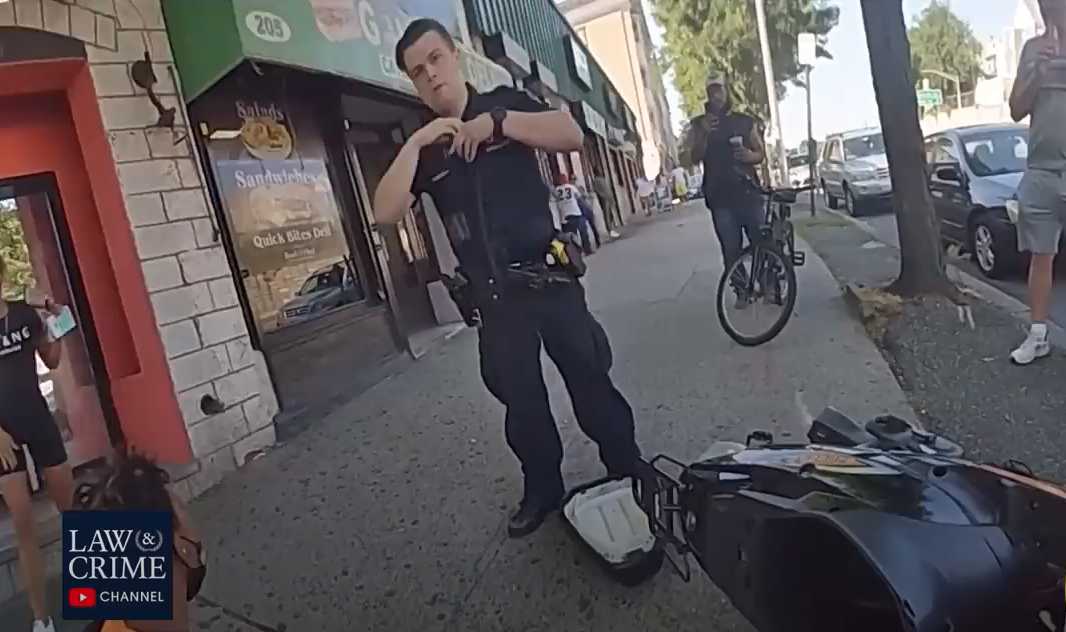
“You’re Not From Around Here, You Were Raised in a White Neighborhood and You’re Scared of Black People.” Yonkers Cops Surveilling, Confronting Blacks, Slam-Down a Fleeing Black Woman. Demanded ID
/
According to FUNKTIONARY:
Cop – (from the Egyptian Conscience on Duty)—which the British changed to Constable on Patrol—to the Americanized version “Cop,” which originally was connected to the color blue (a symbol of conscience). This is why all police (policy) officers of a city no matter where in the world—wear blue, which is tied into the Blue Lodge of Freemasonry and the Fraternal Order of Police (F.O.P.), i.e., their primary allegiance is to the oath of the Order, secondly to the merchants, thirdly to the overseers, and finally you (after you have been victimized because they cannot prevent it). 2) Blue Assassins—Choreographers Of Pain. How many crooked cops must be on a force before it is a criminal force. “The police are a self-selecting group of extremely dangerous psychopaths who unite (and lie) against the public and care little for ‘law’ or other’s rights.” ~ Paul Roasberry. These modern uniformed criminals have the irrational desire to confront anyone for any reason (including none whatsoever in the form of a whim) which makes them more dangerous than the common thugs. Read “Rise of the Warrior Cop: The Militarization of America’s Police Force” by Radly Balko. (See: Force Continuum, SWAT, Police, Lying, LEAPS, Plastic People, Violence, Fraternal Order of Police, Judges, Gun Control, Freemasonry, “The Law,” LAPD, NYPD, Spatial Profiling, Cop Mantra, DWB, Drop Gun, PUBLIC, Commands, BOG & LWB)
cop-artist – a man or woman dressed in a blue uniform pretending to act on behalf of a cartoon, i.e. a city, municipality, State or any other fiction created by con-artists. “An experienced trial attorney will tell you that it is very difficult to get a judge to believe a cop is lying. The ‘inaccurate statement(s)’ almost have to be totally outrageous before most judges will ‘go there.’ A better strategy, especially if the defendant is Black, is to get the judge to believe the cop is incompetent in some way or just mistaken. Reality or anything too real (such as racism) in court is simply unbelievable to judges in the fake world created in court. Many racist cops are sophisticated, masterful liars who are taught how to testify and create persuasive, detailed police reports. Mixing actual facts with nonsense sounds and looks real in court. White prosecutors and the white media are also eager and programmed to believe anything foul cops say about Blacks. In a case involving a ‘missing’ weapon and no video tape, the evidence would simply consist of a credibility contest between a sworn white police officer and a Black teenager[s]. Prediction: a white jury or judge will believe that a gun existed—though not a single detail about the gun will be provided. Why would a cop make it up? Because they will believe it.” ~The Brownwatch. Cops are official costumed criminals and trigger-happy sanctioned killers. Is a cop’s presence counterproductive in the areas of preventing death or injury? City governments throughout the country have policies (if not custom and practice— yeah, they get a lot of shooting practice alright) to use deadly force regardless if there is an actual threat. This is what is known as the “force continuum” or the art of justifying sanctioned murder. It buttresses the artifice and culture of culpable cop criminality and general immunity from any consequences. You have a right to remain silent—after silenced for good. (See: Force Continuum, Police State, SWAT, Totalitarianism, Authoritarianism, Holodeck Court, State, Reification, Lying, Granfalloons, Racism White Supremacy, Gun Control, Violence, Freedom, Oppression, Drop Gun, Citizen & Cartoon)
Family Releases Videos of a Chicago Cop Shooting 13 yr Old Black Boy w/His Hands Up. Accused Cop Claims His Bodycam was Off at the Time of Shooting, Massa' Media Conceals the Public Servant's Identity
/From [HERE] Contrary to Dependent Media reports surveillance video, not bodycam video, appears to show a 13 year old Black boy raising his hands in the air moments before a white police officer shot him at a gas station. The shooting on May 18 on the city’s West Side left the boy paralyzed.
The family released the videos after it was given to them by the Civilian Office of Police Accountability after they made a FOIA request for it. The incident occurred on May 18, 2022, near 800 N. Cicero Ave.
The body camera footage from the officer who fired the shots does not begin until after the shooting occurred. That officer's attorney has acknowledged he didn't have his camera turned on until after the shooting. The attorney said it wasn't intentional, calling it a "high stress situation." [how self-serving . . the accused deletes or destroys the evidence?]
In body camera footage from other officers involved in the chase, you can see officers chasing the 13-year-old at the intersection of Chicago and Cicero avenues, running at a full sprint toward the gas pumps at a Marathon gas station, followed closely by the sound of multiple gunshots.
In the span of less than a second, it appears the teen starts to turn, with his arms slightly raised, before he collapses to the ground.
You can hear an officer saying "cell phone, it's a f***ing cell phone. Secure the area."
The mother of the 13-year-old boy is suing the city, claiming her son was unarmed and had raised his hands to surrender when he was shot.
The suit claims the boy was unarmed and obeying commands, and yet was still shot in the back.
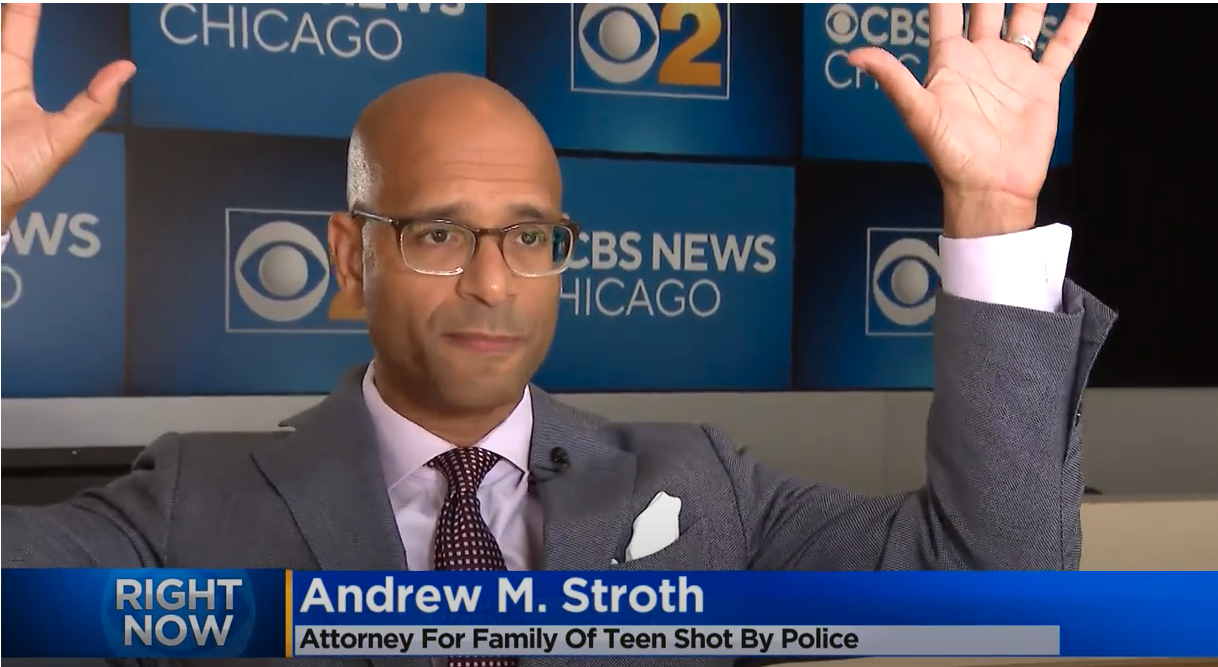
"He heard a command to put his hands up. The young boy put his hands up. And without cause or provocation, he was shot in the back by the officer," Stroth said. "And that young man sustained serious life changing injuries and as of this point, he is paralyzed from the waist down."
The mother is also demanding that video of the incident be released to the public.
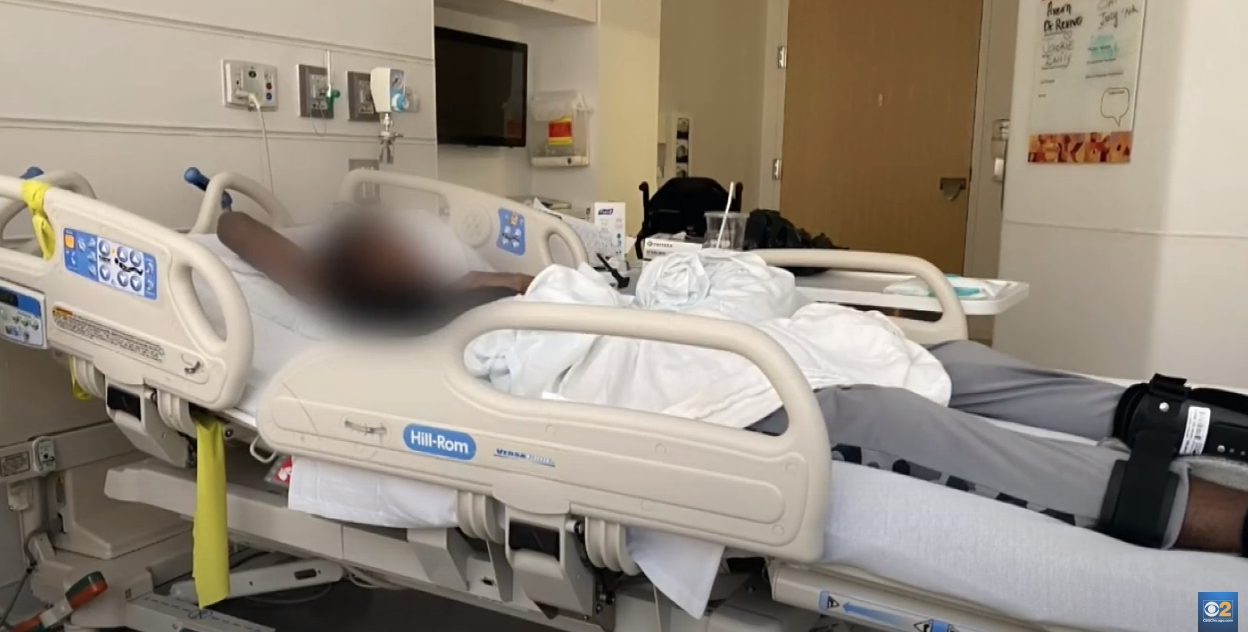
In the video CPD officers did not render immediate aide to AG, but instead callously dragged him across the pavement and then turned their attention to an uninjured officer who crashed into a sign at the gas station while arriving on scene.
The teen, who survived the incident, sustained a major spinal injury and is in danger of never walking again, according to the family. According to the lawsuit “he has been permanently and catastrophically injured” and “at this point doesn’t have movement of his legs”.
The teen, who was being chased by almost a dozen officers seen in the video, did not have any charges against him and no weapon was fired by him or found on him. The chase began after he was spotted in a car the police were trying to stop and he started running.
According to the complaint: the facts are as follows:
On the evening of May 18, 2022, A.G. was riding as a passenger in a Honda Accord. CPD was in pursuit of the car. As the car was driving west on Rice Street towards Cicero Avenue, A.G. got out of the car and ran. As A.G. was running south on Cicero Avenue through the lot of a Marathon gas station, there were several CPD officers on foot chasing him from behind. There were also several police vehicles nearby, in addition to a CPD helicopter overhead.
According to witness accounts, while A.G. was running he was told by one or more of the pursuing CPD officers to put his hands up. A.G. did as he was directed; he put his hands up with the intent of surrendering to the police.
At or about the same time, John Doe Officer, who was running behind A.G. with his gun unholstered, shot A.G. without cause or justification, causing A.G. to sustain catastrophic and permanent injuries.
A.G. immediately collapsed in the lot of the Marathon gas station. CPD officers did not render immediate aide to A.G., but instead callously dragged him across the pavement and then turned their attention to an uninjured officer who crashed into a sign at the gas station while arriving on scene.
A.G. did not have a weapon or do anything to make John Doe Officer believe that he was armed or dangerous. A.G. did not pose an imminent threat of death or great bodily harm to John Doe Officer (who was running behind him) or to anyone.
As a result of the unjustified shooting by John Doe Officer, A.G. has (so far) been diagnosed with the following injuries:
gunshot wound;
complete lesion at T7-T10 level of thoracic spinal cord;
T10 spinal cord injury;
fracture of lamina of thoracic vertebrae;
fracture of transverse process of thoracic vertebrae;
fracture of spinous process of thoracic vertebrae;
retained magnetic metal foreign body;
multiplefractures of ribs;
hemothorax (collection of blood between the chest and lungs);
acute blood loss anemia;
bilateral pulmonary contusion;
esophageal injury; and
impaired mobility and ADLs. [MORE]
Lawsuit Filed After Oklahoma Police Murdered Quadry Sanders. Cops Shot Black Man 12X While His Hands Were Up and After He Fell to the Ground. Was Holding a Baseball Cap, Cops Charged w/Manslaughter
/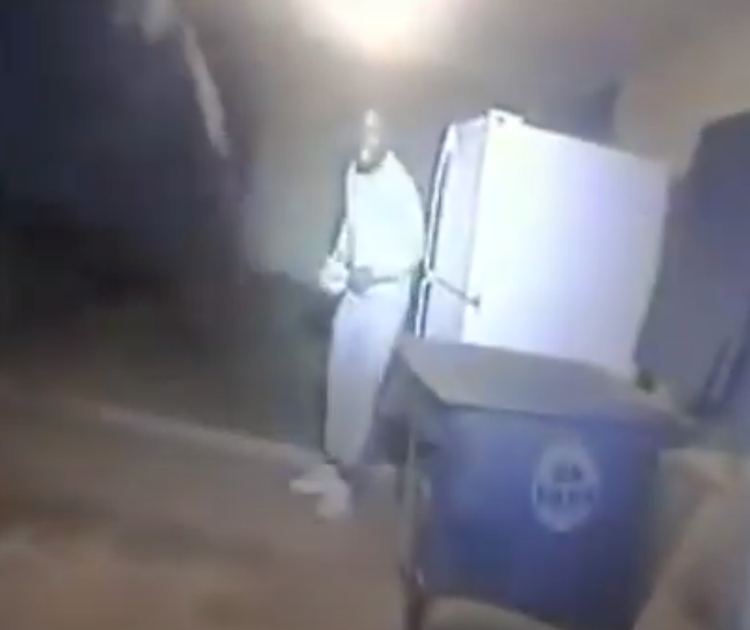
From [HERE] and [HERE] Even after a cop shot Quadry Sanders four times as he was raising his arms in surrender, two officers continued to shoot him after he was on the ground still trying to raise his hands to comply with their orders.
“Hands! Hands! Hands!” Lawton police officer Robert Hinkle yelled, according to the body camera footage released Friday.
But when a wounded Sanders tried to raise his hands, Hinkle shot him an additional seven times, accusing him of “reaching.”
His partner, Lawton police officer Nathan Ronan, fired four times. The video captured him admitting to never seeing a gun in Sanders’ hands before a sergeant tells him to shush.
“Quit reaching! Quit reaching!” Hinkle yelled after firing seven shots.
“I’m down,” Sanders cried out in pain.
Seconds later, they were dragging him on the ground away from the doorway where he had walked out of before he had been shot, leaving a trail of blood. The 29-year-old man was pronounced dead on the way to the hospital.
Now Sanders’ mother has filed a wrongful death lawsuit against two former officers and the city. Mina Woods, a Texas resident and mother of Quadry Malik Sanders, seeks a jury trial and more than $1 million, according to the lawsuit filed July 15 in federal court.
Named in the lawsuit are former Lawton police officers Robert Hinkle, 30, and Nathan Ronan, 30, along with the city of Lawton.
Hinkle, who also is Black, and Ronan face first-degree manslaughter charges in Comanche County District Court after the Dec. 5 shooting death of Sanders, who was 29.
The incident took place on December 5, 2021 after police received a 911 call accusing Sanders of violating a protective order while waving a gun around.
However, no weapon was ever found at the scene and the only thing Sanders was holding was a baseball cap, according to the statement by district attorney’s office published by KSWO.
According to the Comanche County District Attorney’s office:
Officer Hinkle begins telling Mr. Sanders “hands, hands” as well as “down, down, down, down.” Mr. Sanders hands are clearly seen and the only item visible in his hands is a ball cap, which he transfers from his right hand to his left hand. As he is receiving these orders, Mr. Sanders quickly turns back towards the front door of the home.
Officers Hinkle and Ronan then walk closer to Mr. Sanders. As Hinkle approaches, Mr. Sanders can be seen raising both of his hands in the air, above his head. At that time, Officer Hinkle shoots his firearm four times at Mr. Sanders. Mr. Sanders falls to the ground and appears to have been shot, at which time Officer Hinkle once again orders “hands, hands, hands,” and to “quit reaching.”
Mr. Sanders sits up from his back with his hands above his head at which time Officer Hinkle fires his firearm seven additional times. Simultaneously with these shots, Officer Ronan also fires his weapon at Mr. Sanders four times. Mr. Sanders is then secured by Officer Hinkle. On the way to Comanche County Memorial Hospital by ambulance, Quadry Sanders is pronounced dead. No weapon was located on Mr. Sanders’ body or in the area where he was shot.
An autopsy determined that Sanders was shot 12 times in the abdomen, groin, legs, arms and hand.
“It was just murder,” said attorney Lee Merritt who is representing the family of Sanders. “There was no justification.”
In January 2021, Hinkle shot and killed another man but was cleared by the district attorney’s office who said the man he killed, Zonterious Johnson, was wielding a gun, according to KSKO.
The two cops were fired in January after an internal affairs investigation. They remain free on a $250,000 bond, according to the Lawton Constitution. Their next court date is August 1.
On Jan. 7, Lawton City Manager Michael Cleghorn issued a statement that “upon careful consideration,” Hinkle and Ronan were fired from the police department.
“The actions of these officers were not in conformance with the Lawton Police Department’s well-established training protocols, policies, practices, customs or procedures,” Cleghorn said in the statement.
In May, the city of Lawton released more than 23 minutes of the police body camera footage.
The autopsy report revealed Sanders was struck 12 times, including in the abdomen, groin area, legs, arm and hand.
In May, following a months-long investigation by the OSBI, Cabelka charged Hinkle and Ronan in the death of Sanders. Cabelka said in a statement the shooting of Sanders “was not justified.” Cabelka said no weapon was found on Sanders nor in the area where he was shot.
Ronan and Hinkle were released on a $25,000 bond. They face a minimum of four years in state prison if convicted in the fatal shooting of Sanders.
The civil lawsuit against the former Lawton police officers and the city claims Sanders did not pose a threat to police the night he was killed.
“Mr. Sanders’ hands were visible and did not contain weapons when he exited the home,” the lawsuit says. “Mr. Sanders put hands up in a manner universally understood by police officers to be a sign of compliance.”
A Birmingham Cop Slammed a 69 Year Old Black Vietnam Veteran with a Mental Disability to a Hospital Floor which Broke His Neck, Damaged His Spine and Killed Him. Lawsuit Filed
/From [HERE] The family of a Georgia man who died five months after he was slammed to the ground during a scuffle with a Birmingham police officer in 2020 has filed a wrongful death lawsuit in Alabama.
Carl Grant, a 69-year-old Vietnam veteran, died in Muscogee County, Ga. on July 24, 2020.
His death came after he suffered a spinal cord injury on February 3 while in the custody of Birmingham police.
The lawsuit was filed in Jefferson County this week by Birmingham attorneys Richard Rice, Johnathan Austin and Derrell Dowdell on behalf of William Jenkins, Grant’s brother, alleging excessive force.
The lawsuit states police failed to recognize, and respond accordingly, to the fact that Grant was in a mental health crisis, and cites what they say are systemic deficiencies in the police department’s use of force policy.
The defendants are Birmingham Mayor Randall Woodfin, city council members, Police Chief Scott Thurmond and Officer Vincent Larry. Police and city officials do not comment on pending litigation.
Grant lived in Conyers, Ga., and suffered from a wide range of health issues including dementia, high blood pressure, diabetes, PTSD and conditions brought on by exposure to Agent Orange.
He served nine years as a U.S. Marine which included service in Vietnam.
He was honorably discharged as a staff sergeant in 1979 and had received numerous service awards.
According to the lawsuit, Grant left his Georgia home to go to the grocery store. His attorneys said he was watching the Super Bowl with friends and family, and left at halftime to make the store run.
Instead, he somehow ended up in Birmingham where he was found by Officer Larry wandering, confused and disoriented.
Attorneys say police should have known Grant was in distress and in need of medical or mental health.
The attorneys claim Grant was “falsely imprisoned” on a misdemeanor charge and received an abrasion to his forehead and other injuries during the arrest.
He was taken by police to UAB Hospital’s emergency room, where he was treated for his injuries.
“His mental health disability was apparent to a lay person,’’ the lawsuit states.
Grant, attorneys said, was confused as to why he was at the hospital.
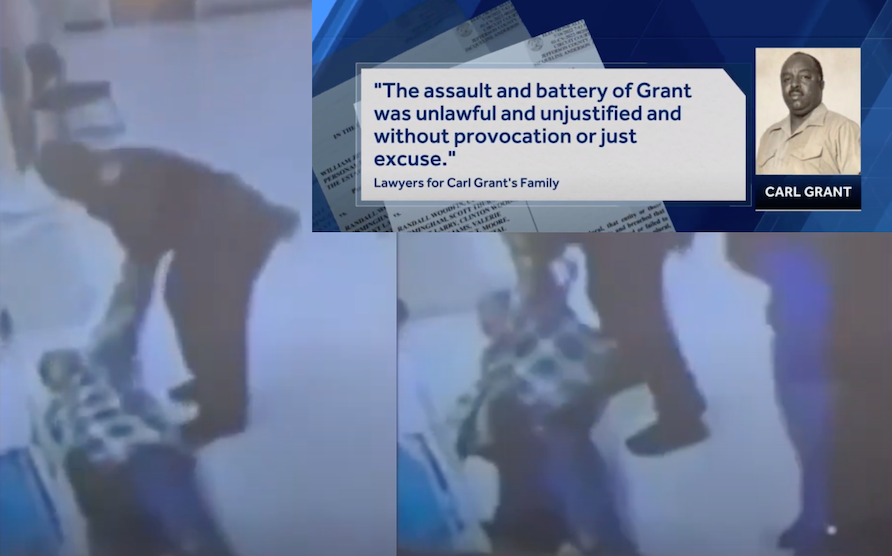
In the process of being discharged from the hospital, Grant asked to use the restroom. “For unknown reasons, he was physically accosted and manhandled by Larry,’’ the suit states.
At that point, the suit states, Grant was picked up by police and slammed to the floor. “Upon impact with the floor, Grant’s body immediately went limp.”
Grant was then rolled over onto his stomach and handcuffed. The encounter was captured on surveillance video.
“Physicians began to triage Grant and concluded that Grant was unable to move any of his limbs, did not respond to pain sensations in his extremities, and had suffered a broken neck,’’ the suit states.
Grant underwent surgery for spinal cord injuries during which several vertebrae were repaired, removed or fused together.
Grant spent several months at UAB and VA hospitals before eventually returning home to Georgia, where he ultimately died under hospice care.
Efforts to obtain the official cause and manner of death were unsuccessful.
“Grant was never physically, emotionally or mentally the same man as he was who walked into the UAB ER,’’ the lawsuit states. “He walked into the hospital and was beaten, paralyzed and left dead.”
According to the lawsuit, a Birmingham Police Department internal review determined the officer’s use of force was proper and acceptable, “even when the officer violated policy and/or used excessive, unconstitutional and/or unskillful force.”
“The city failed to provide any meaningful oversight to policing, police officers or law enforcement while simultaneously allocating millions of dollars to fund policing in 2020,’’ the suit states.
“Currently (the city) provides no significant institutional assistance for those who may be experiencing a mental health emergency other than dispatching police officers,’’ according to the suit. “Community Service Officers advertised as social works that can respond to mental health emergencies constitute less than 1 percent of police employed by the city.”
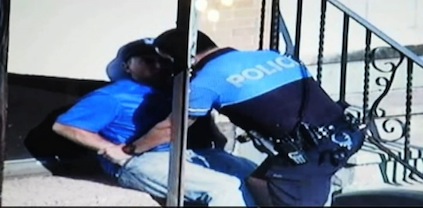
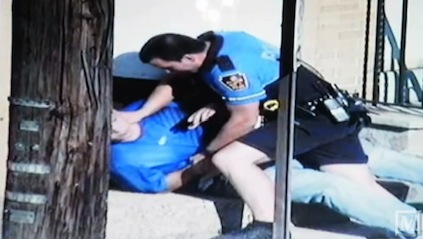
West Hartford Settles Suit After White Police Assaulted a 12 yr old Black Boy at a School for Deaf Kids. Stupid Cop Tased Him b/c He Didn't Respond to Commands While His Eyes Were Closed
/
From [HERE] The West Hartford Town Council last week settled a nearly decade-old legal dispute involving a 12-year-old deaf boy who was shot with a stun gun by a town police officer on the campus of the American School for the Deaf in 2013.
The council on July 14 unanimously voted to approve settling a lawsuit filed by Amato Muschette, a former student at the American School for the Deaf, for $250,000.
Muschette alleged that officer Paul Gionfriddo, who has since retired, used excessive force when he used a stun gun on Muschette, who is deaf and has attention deficit hyperactivity disorder, according to court papers.
Gionfriddo and another officer responded to a call to the American School for the Deaf in April 2013 after school officials said Muschette, who was 12, assaulted a school employee after he was denied a request for food.
Muschette became upset and fled to a nearby construction site on campus where he allegedly threatened school employees and police with rocks and a stick, according to court papers.
The suit claimed that when Gionfriddo arrived, he ordered Muschette to drop a large rock he was holding. Muschette, the suit said, had his eyes closed and did not hear or understand Gionfriddo’s commands.
Police in their report disputed that claim, saying school staff translated police orders to Muschette, who ignored the warnings. Less than 2 minutes after arriving on scene, Gionfriddo tasered Muschette in the back, the suit said.
After police could not get Muschette handcuffed, Gionfriddo sent a second shock through the already-deployed wires that were still connected to Muschette.
Muschette, through his lawyers Eric Baum and Andrew Rozynski, filed a lawsuit in federal court alleging, among other things, Gionfriddo used excessive force in using a stun gun.
The lawsuit was ultimately dismissed against Gionfriddo in 2018 on appeal by the U.S. Second Circuit Court of Appeals, which said Gionfriddo had a reasonable basis to believe Muschette posed a threat to himself or other staff members.
Muschette, however, also filed a lawsuit in 2020 against the town and Gionfriddo in state court alleging assault and battery. The Town Council voted to settle that action, without comment, on July 14 after a brief explanation by West Hartford corporation counsel Dallas Dodge.
In an email, Dodge said that the town would pay $72,000 and the he town’s insurer would pay the remaining $178,000 of the settlement amount.
“The Town of West Hartford takes all allegations of excessive force very seriously,” Dodge said in a statement. “This is a case that was filed almost a decade ago, dismissed in federal court and subsequently refiled in state court. The settlement is not an admission of fault or liability by the town or the defendant police officer. After defense costs, the majority of the settlement will be paid by the town’s excess insurance carrier. Out of respect for the agreement to settle, we will have no further comment.”
Efforts to reach Muschette’s attorney for comment were not successful.
LAPD says a Cop Violated Policy by Kneeling on Jaxson Hayes' Neck [but No laws were Broken b/c Cops can Commit Crimes for the Good of Society and are Exempt from Morality while Wearing a Costume]
/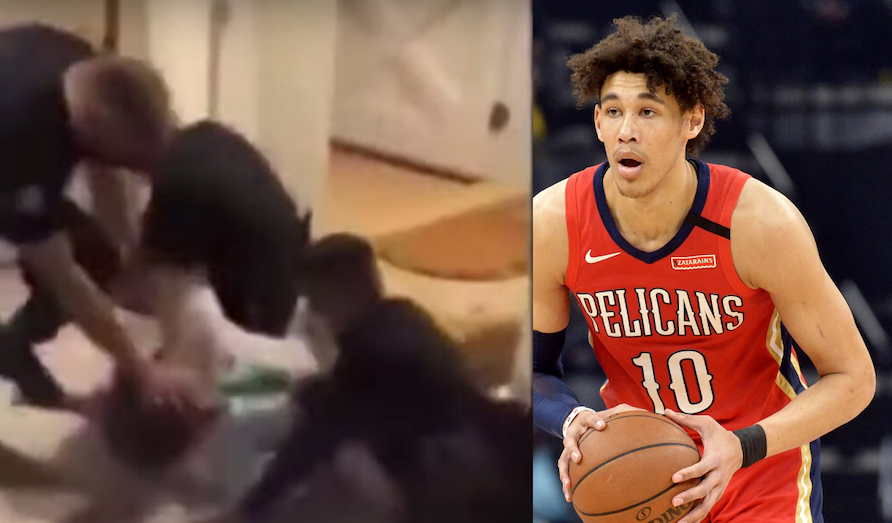
From [HERE] There is no doubt that we usually hear about Jaxson Hayes in a basketball context. In 2021, though, Jaxson Hayes was in the news due to him getting arrested in Los Angeles, with one police officer kneeling on Hayes' neck and another officer tasing him.
The Los Angeles Police Commission has recently revealed that the LAPD sergeant who kneeled on Jaxson Hayes' neck violated policy by doing so. However, it was also mentioned that the use of the taser was "justified" in that scenario. An article by Libor Jany of The Los Angeles Times relayed the news.
An LAPD sergeant violated department policy by kneeling on the neck of NBA player Jaxson Hayes while arresting him in response to a call about a domestic dispute last July, the Los Angeles Police Commission ruled Tuesday.
After Hayes, a 6-foot-11 center for the New Orleans Pelicans, was taken to the ground by police outside a Woodland Hills home, Sgt. Darren Holst began kneeling on his neck.
Hayes shouted, “I can’t breathe,” and another officer used a Taser on him twice, hitting him once in the chest, LAPD Chief Michel Moore wrote in a report released after the Police Commission’s weekly meeting Tuesday. Commissioners agreed with the chief’s findings that the knee-on-the-neck maneuver went against department protocols but that the use of the Taser was justified.
In reaching his conclusion, Moore cited a use-of-force review board investigation, which found that Holst twice put his knee on the basketball player’s neck, first for four seconds, and then for 11 seconds. Moore wrote that the sergeant’s tactic “resulted in unintentional but direct pressure to Hayes’ trachea or windpipe” — though not with enough force to render Hayes unconscious.
Intentional or not, Moore said that he agreed with the board’s finding that “an officer with similar training and experience as Sergeant Holst, in the same situation, would not reasonably believe that the applying direct pressure to the trachea or windpipe was proportional, objectively reasonable, or necessary.”
The Police Commission’s votes Tuesday were unanimous, with one commissioner absent.
While Jaxson Hayes is alright currently, there's no doubt that continuous pressure on someone's neck could have very serious repercussions for that person.
It remains to be seen what happens further in this situation, and what the response from the LAPD will be in regards to their police officer using excessive force. Hopefully, the use of excessive force by the LAPD won't happen again in the future.
Lawsuit Claims a Beaumont Cop (TX) Body-Slammed a Handcuffed Black Man Head-First Onto a Concrete Floor, Now He is Paralyzed and Bed Ridden. 1 Year Later Police Refuse to Release Public Video
/From [HERE] A man filed a lawsuit Thursday accusing a Texas police officer of using excessive force while restraining him in jail and inflicting injuries that left him paralyzed from the chest down.
The lawsuit on behalf of Christopher Shaw seeks unspecified damages from Beaumont police Officer James Thomas Gillen, the city, the Jefferson County Sheriff's Office and the jail's medical contractor.
The lawsuit centers on events from Shaw’s June 12, 2021, arrest on a misdemeanor public intoxication charge.
According to the lawsuit, after a trip to a local hospital to exclude other reasons for Shaw's slurred speech, Gillen took him to the Jefferson County Correctional Facility. At one point when Shaw refused to comply with commands, jailers restrained him against a wall. Gillen grabbed Shaw, flipped him into the air and body-slammed him head-first on the concrete floor, leaving him paralyzed.
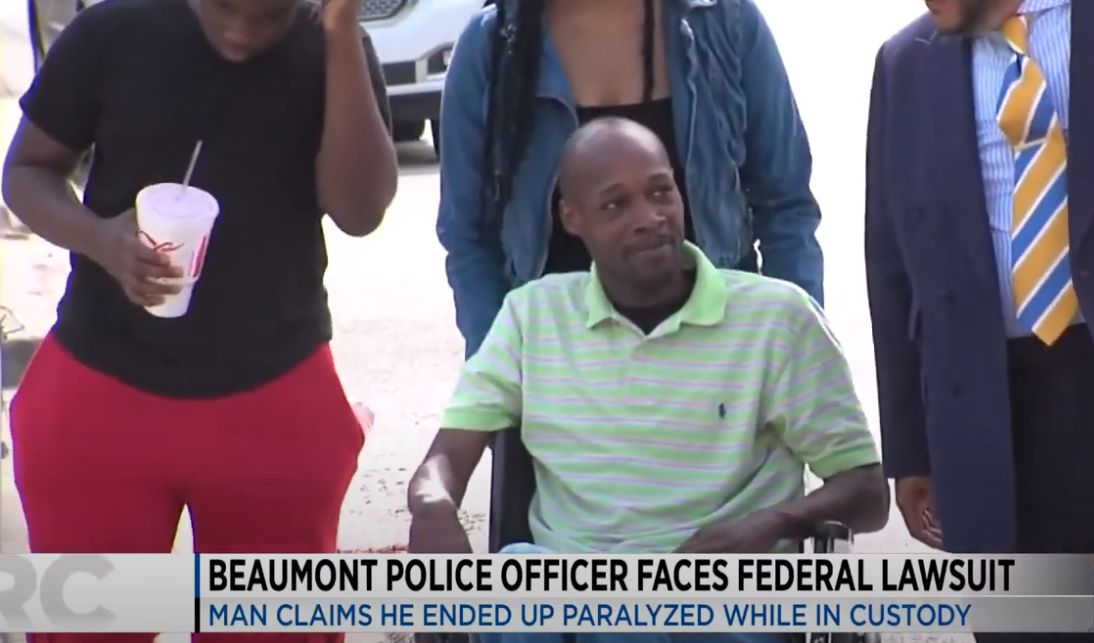
A hospital examination showed that Shaw suffered several spinal fractures that have left him paralyzed from the chest down, the lawsuit alleges.
“Mr. Shaw’s life has been greatly impacted in the worst way,” said his attorney, Harry Daniels of Atlanta. “He was once an able-bodied young man before he was assaulted. He can no longer stand or walk. He is a prisoner of his own body. He spends the majority of his day in bed due to the fact he doesn’t have the resources to hire a full-time caregiver.
“Additionally, he cannot afford the much-needed physical therapy and treatment that he needs that could give him a chance to make a full recovery,” Daniels said.
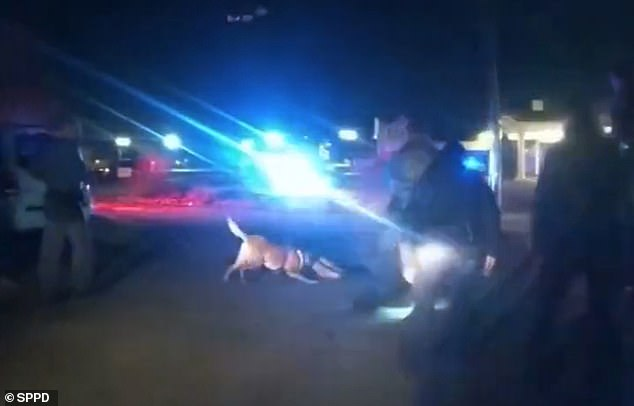
Federal Judge says Lafayette Cops "Acted Reasonably" When They Directed a Police Dog to Attack a Naked Latino Man Lying Unconscious in a Fetal position in a Closet
/
From [HERE] Lafayette police officers acted reasonably by directing a dog to bite an unarmed, unconscious man for 20 seconds, a federal judge decided last month in rejecting the excessive force claims of plaintiff Adrian Martinez.
Although law enforcement knew Martinez had walked away from his hospital bed in February 2018, it was unclear whether he was in custody at the time. They subsequently learned Martinez had outstanding warrants for nonviolent offenses, and believed he had locked himself in the closet of a residential complex.
Despite being prepared to use a taser, a less-lethal shotgun and a firearm against Martinez once they opened the door, police immediately ordered Kenzi, a dog, to "get him." They quickly saw Martinez was lying down, nearly naked in the closet and had no weapons.
U.S. District Judge Raymond P. Moore acknowledged other courts have found bites from police dogs constitute excessive force against non-resisting suspects, but he believed Lafayette officers reacted in a lawful manner given what they knew about Martinez's situation.
Martinez "was concealed from the police and nonresponsive to them. Those facts are significant when considering the situation from the point of view of a reasonable police officer," Moore wrote in his June 17 order. "If officers are unable to see or communicate with an individual, then it is reasonable that they would have greater concern for their safety when initiating an encounter."
Martinez ended up in the hospital on Feb. 18, 2018 after bounty hunters looking for his girlfriend attacked Martinez. Police in Erie had an ambulance transport Martinez to a hospital in Lafayette for treatment. The defendant officers later alleged Martinez was in custody at the time, but Martinez insisted he was not.
When he awoke, Martinez was reportedly confused and suffering from a concussion. He decided to leave the hospital on his own. Hospital security notified police, while also relaying that Martinez had four outstanding warrants, all of which were for his failures to appear in court.
Police crossed paths with Martinez beginning around 9:50 a.m. Officer Lauryn Macdonald saw him near the Luna Bella Apartments. Minutes later, a witness called police dispatch to report Martinez "looked confused" and tried to enter people's cars. Martinez went to the third floor landing of the apartment complex and entered a small closet, alleging he "fell unconscious" inside. It was unclear if he locked the door himself or whether the door locked automatically.
Macdonald, Sgt. Peter Voris and Cpl. Sean Jenneiahn — along with his dog, Kenzi — located Martinez in the closet more than an hour later. Other officers were present to provide cover and assistance when opening the closet door, as Martinez did not communicate to police while inside.
Witnesses allegedly heard officers warn Martinez they would send in a dog if he did not comply, while Martinez disputed those accounts. Ultimately, Voris forced open the closet door.
At the time, The Daily Camera reported the Lafayette police's account – that Martinez "continued to be unresponsive" after Voris opened the door, after which Kenzi "was used to help subdue Martinez."
Body-worn camera video contradicted those claims. Moore, after viewing the footage, found it was "clear that what happened next took less than one second," in that Jenneianh immediately ordered Kenzi to bite Martinez, who was lying in the fetal position.
In total, Kenzi latched onto Martinez for 15 to 20 seconds, while Jenneianh encouraged the dog to "get him." Martinez reportedly suffered puncture wounds, scarring and continued pain.
He filed suit against Jenneiahn, Macdonald and Voris alleging excessive force and the officers' failure to intervene in the attack.
"None of the defendant officers had any objective information suggesting that plaintiff Martinez was an imminent threat; in fact, after the door was opened but before releasing the dog, the defendant officers readily observed plaintiff wearing only his underwear in a non-threatening prone position," wrote attorney Ramond K. Bryant.
In June of last year, the officers asked Moore to grant them qualified immunity, which shields government employees from civil lawsuits unless they violate a person's clearly-established legal rights.
The defendants argued it was reasonable for them to perceive Martinez as a legitimate threat and to employ Kenzi instead of other tactics.
"By utilizing Kenzi, Corporal Jenneiahn could better ensure that plaintiff would be effectively subdued without the need for multiple officers to attempt to enter the closet," wrote the officers' attorneys, calling Kenzi "the most reasonable tool."
They also noted the duration of the dog's bite was "significantly less than one minute" and argued that was a reasonable length of time.
Moore evaluated Martinez's claims by noting what police knew prior to their encounter. They understood Martinez was acting strangely, trying to get into other vehicles and had active arrest warrants. He was locked inside a storage closet, did not communicate with officers and did not immediately show his hands.
"Martinez suggests a number of different tactics which the officers could have used that would not have resulted in him receiving a four-centimeter wound in his arm. The defendants concede that they could have used some of those suggested techniques," Moore wrote. "The reasonableness of a particular police action, however, does not necessarily turn on the existence of other, less intrusive tactics."
Overall, he was "hard-pressed" to conclude the use of Kenzi to bite Martinez was legally problematic, given the potential danger police would have faced if Martinez were armed with a weapon. Even if the officers had behaved unreasonably, Moore added, it was not clearly established that using force on an out-of-sight, uncommunicative suspect was unreasonable, even if he was lying prone.
"Martinez was not under police control at the point that they opened the door even if, as a practical matter, and from his point of view he could not have escaped or posed a danger," the judge concluded.
Moore's decision vacated the jury trial scheduled to begin on July 18. This week, Martinez filed an appeal of the judge's order to the U.S. Court of Appeals for the 10th Circuit.
White Fed Judge Hooks Up White Cop who Helped Murder George Floyd by Holding His Legs Down w/2 yr Sentence. White Prosecutors Only Charged Failure to Provide Med Care/Intervene. State Case pending
/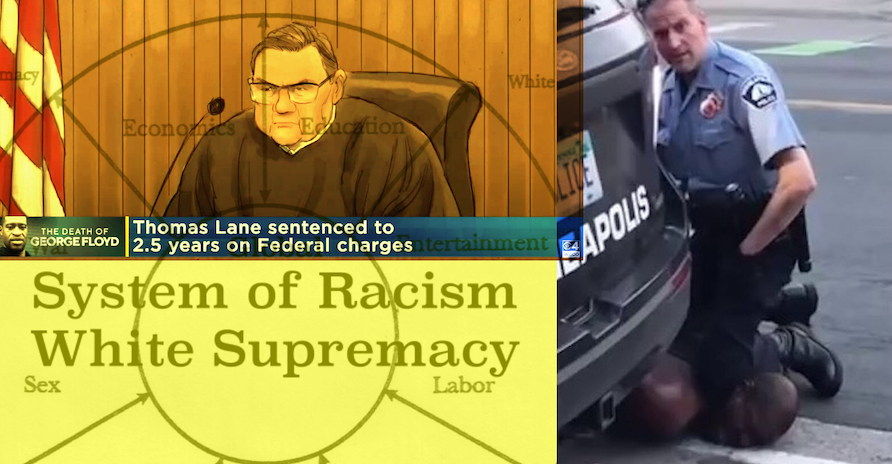
From [HERE] Thomas Lane, a white Minneapolis police officer who held down George Floyd’s legs as he gasped for air while dying under the knee of another white officer, was sentenced by a white judge to two and a half years in prison on Thursday.
The federal judge in St. Paul handed down the sentence to Mr. Lane several months after a jury found him guilty of violating Mr. Floyd’s rights by not providing him with medical care after Derek Chauvin, the other officer, knelt on his neck for more than nine minutes. Mr. Lane, who is also waiting to be sentenced over a state manslaughter charge, will be the second officer imprisoned over Mr. Floyd’s death, which set off a summer of protests across the United States in 2020.
Mr. Lane’s sentence was less than half as long as what prosecutors had sought. Mr. Floyd’s relatives had asked the judge to impose the maximum prison term possible and said afterward that they were upset by the sentence.
“It’s insulting that he didn’t get the maximum amount of time,” said Philonise Floyd, one of Mr. Floyd’s brothers, adding: “If it was me and that was accessory to murder, they would’ve gave me the maximum amount of time. And you’re a police officer who was sworn to protect, who took an oath, and you didn’t get the maximum amount of time.”
Mr. Lane and his lawyer declined to comment as they left the courthouse. The judge’s sentence was three months longer than what they had requested. Judge Magnuson called the crime a “very serious offense” but also called Mr. Lane a person of “outstanding character” and said he had received a flood of letters supporting him. The judge ordered Mr. Lane to surrender in October after he is sentenced in the state manslaughter case.
Kristen Clarke, the assistant attorney general in charge of the Justice Department’s civil rights division, said Mr. Floyd would still be alive had Mr. Lane and other officers intervened.
“This sentence should send a message that protecting people in custody is the affirmative duty and obligation of every law enforcement officer, regardless of one’s rank or seniority,” Ms. Clarke said. [MORE]
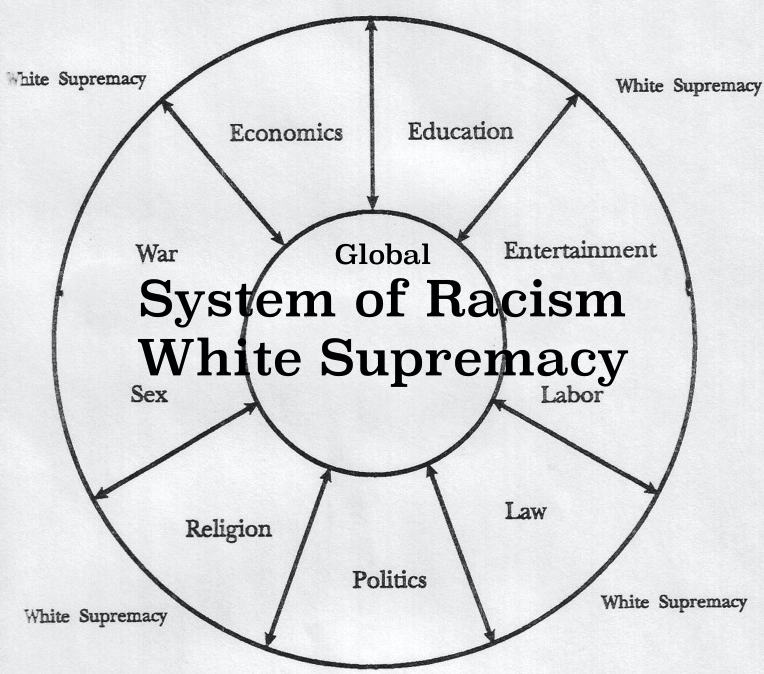
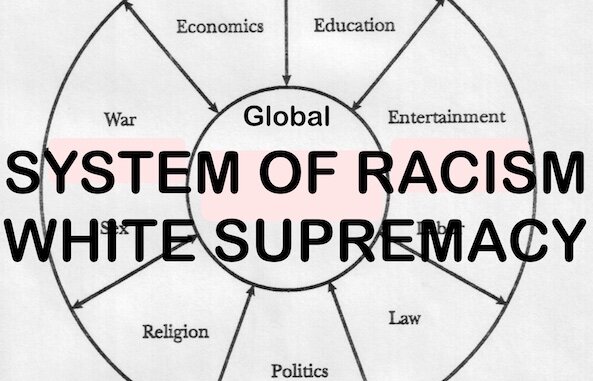
ANON explains, There are NO black individuals or black organizations that have the power to strip whites of their collective right to live where they want, work where they want, get an education wherever they want, or control what white people do collectively in ANY area of human activity. There are NO black institutions that are more powerful than white institutions. Therefore, blacks do not have the COLLECTIVE POWER to diminish the quality of life for the white collective.
Q: What is collective power?
A: Collective power is the institutions and systems that benefit one group at the expense of another group, and allow one group to dominate another group in all areas of human activity.
For example, when a white policeman shoots an unarmed black man (50 times), his fellow officers, the police chief, internal affairs, the union, the media, the prosecutor, thejudge, and thejury will support, defend, and finance that white police officer’s “right” to shoot (murder) an unarmed black person. That is white collective power.
It is rare for a white police officer to be punished for using excessive force against a black man, woman, or child. It is just as rare for a black police officer to use excessive force against a white person.
In fact, the authors were unable to find a single instance of a black police officer shooting or killing an unarmed white person in the history of modern law enforcement. This is not surprising but it is absolute proof that the black individual operating within a system of white supremacy cannot mistreat whites even if he or she is wearing a uniform, a badge, and carrying a gun.
Another example of white collective power is the mortgage and real estate industry, which systematically discriminates against black (and non-white) renters, homebuyers, and homeowners by:
* Red-lining - denying home loans to minority geographical areas.
* Reverse red-lining -- targeting minority areas for fraudulent sub-prime home loans that are designed to self-destruct.
* Inflating home appraisals in racially changing neighborhoods to defraud (overcharge) minority homebuyers.
* Low-balling appraisals in minority areas to reduce home equity.
* Refusing to rent or sell to minorities in certain geographical areas.
* Raising property taxes in minority areas to drive minority residents out of desirable inner-city neighborhoods. (gentrification)
* Exclusion from special financing deals that are not generally known to the public, and are only offered to a select group of white buyers.
Banks, real estate brokers, appraisers, and mortgage lenders represent INSTITUTIONAL RACISM (power) that is reinforced by the courts, banking, and government (systems).
This does not mean blacks are less likely to abuse power than whites if given the opportunity. It means blacks cannot abuse power that does not exist. The proof: there is no place in America where blacks are collectively practicing racism against whites collectively. [MORE]
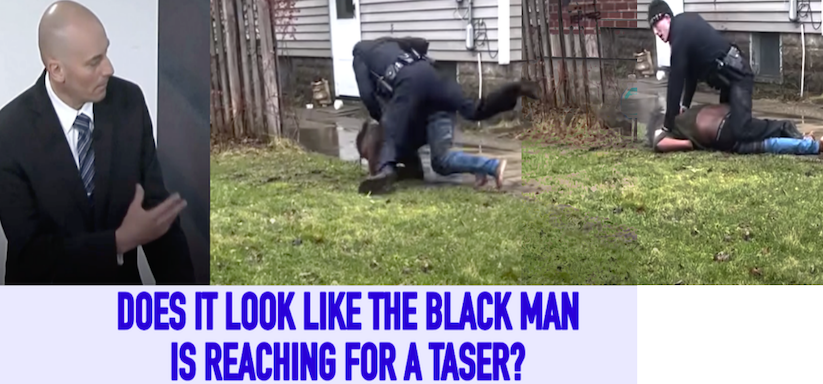
Video Shows Large Tennessee Cops Batter a Black Man with a Police Bat and Step On His Head. Cops Broke Into His House After He Didn't Pull Over for Alleged Stop Sign Violation
/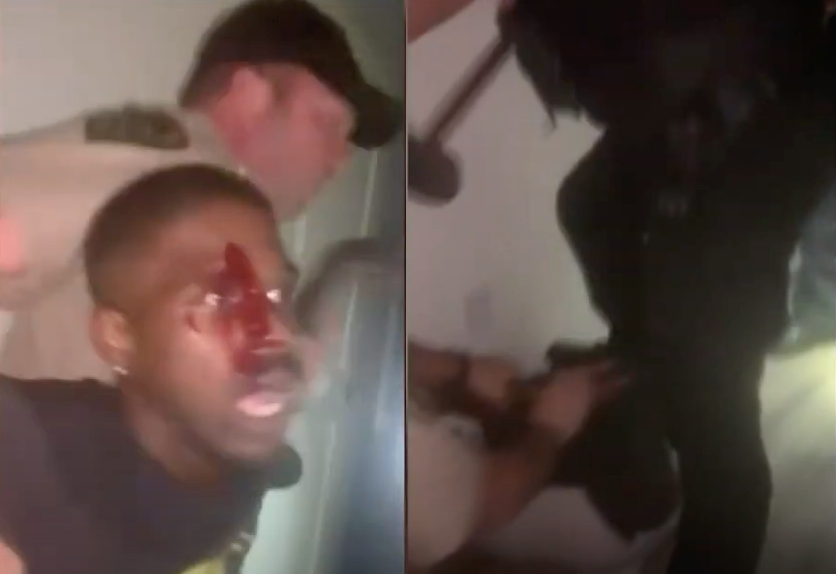
From [HERE] Police in Oakland, Tennessee are being accused of deploying excessive force in their efforts to arrest 25-year-old Black man, Brandon Calloway.
Local news station WREG reports that police say they began pursuing Calloway after he allegedly ran a stop sign while driving in his car, and then refused to pull over for them.
Calloway eventually led the officers to his house, where he defiantly walked away while insisting that he did not run the stop sign.
After he went inside his house, officers kicked the door in and deployed tasers against him in an attempt to subdue him. When this failed to work, they then hit him repeatedly with batons.
He was then arrested and charged with evading arrest, resisting arrest, disorderly conduct, and speeding.
Attorney Andre Wharton, who is representing Calloway, said his client had to get multiple stitches in the wake of the beating, and that he now has limited visibility as a result of multiple blows to the face.
"Brandon was assaulted in a brutal fashion," he told WREG. "I describe it as animalistic. The pictures are horrific. He’s fortunate to be here to stand up and express through his presence here he wants to see some accountability."
Shelby County Commissioner and NAACP President Van Truner similarly said there was no justification for the level of force police used in making the arrest.
“Take our young black men into custody like you take other folks into custody, without one scratch, without harm and let them have their day in court,” he said.
White Sylvia (NC) Cop Only Charged with Misdemeanors over his Felonious Assault that inflicted serious injuries on Latino Man During a "Welfare Check" after a Car Accident
/
From [HERE] A former Sylva Police officer faces criminal charges related to his alleged treatment of a detainee in 2021.
Patrick Elijah “Eli” Trantham, 23, of Waynesville was indicted earlier this month by the Jackson County Grand Jury on two counts of assault inflicting serious injury.
The charges stem from a Feb. 14, 2021 incident where Trantham was the responding officer and allegedly used excessive force against Hugo Fabia Pinacho Vazquez after taking him into custody.
“This was absolutely an isolated incident,” Chief Chris Hatton said. “This is not who we are as a department, and any mistreatment of others is considered unacceptable by our officers. As the leader of Sylva PD, I have a heavy heart about this, but I can say that our leadership dealt with this accusation as soon as it came to light.”
That Sunday at 3:57 a.m., SPD responded to a call about a car over an embankment. On scene officers found the car but could not find a driver or passengers.
Shortly afterward they received a call about a person, who was later identified at Vazquez, sitting on the shoulder of U.S. 74.
“Former officer Trantham responded to this location to check the welfare of the person and try and determine if he was involved in the accident,” Hatton said. “Trantham found the individual sitting beside the roadway to be very intoxicated and uncooperative.”
Trantham took Vazquez into custody on a “hold until sober” meaning that under typical circumstances Vazquez would have been held until he was sober enough to take care of himself.
At some point, Trantham is believed to have assaulted Vazquez leaving him with “hematomas on his head, chin, right eye and cheek; (a) mildly deviated septum, sprain of the lumbar spine and left radiocarpal joint (wrist) and carpal ligaments,” according to court documents.
On Monday, Feb. 15, Hatton was alerted to the possibility of Trantham’s excessive use of force by other members of the department.
Two hours after learning of the incident SPD began a departmental investigation and reached out to the N.C. State Bureau of Investigation to initiate a criminal investigation, Hatton said.
The internal investigation was performed by SPD leadership to examine whether Trantham violated department policy, Hatton said.
On Feb. 16 Trantham was suspended. The internal investigation was completed the same day, and Trantham was scheduled for a disciplinary meeting with Hatton for the following day.
“On Feb. 17, 2021, Trantham resigned his employment in the morning hours before the scheduled meeting,” Hatton said. “This scheduled meeting would have resulted in the termination of Trantham’s employment with the Town of Sylva. Trantham’s employment with the Town of Sylva ended on this date. Trantham did not work any shifts after Sylva Police leadership were notified of the situation.”
No other officers were investigated in relation to the incident.
Trantham joined SPD on Oct. 29, 2019.
Hatton does not believe racial bias contributed to the incident and does not know if there was a language barrier.
“I am not aware of any facts or reasons to believe that this incident had anything to do with this person’s ethnicity,” he said.
Trantham’s next court date is scheduled for Sept. 9.
6 Yrs Ago NYPD Cop Murdered Delrawn Small; Shot Black Man in the Street in Front of His 2 Kids and Then Lied About it. After Begging Liberals Year After Year for “Justice” Will the Cop Lose His Job?
/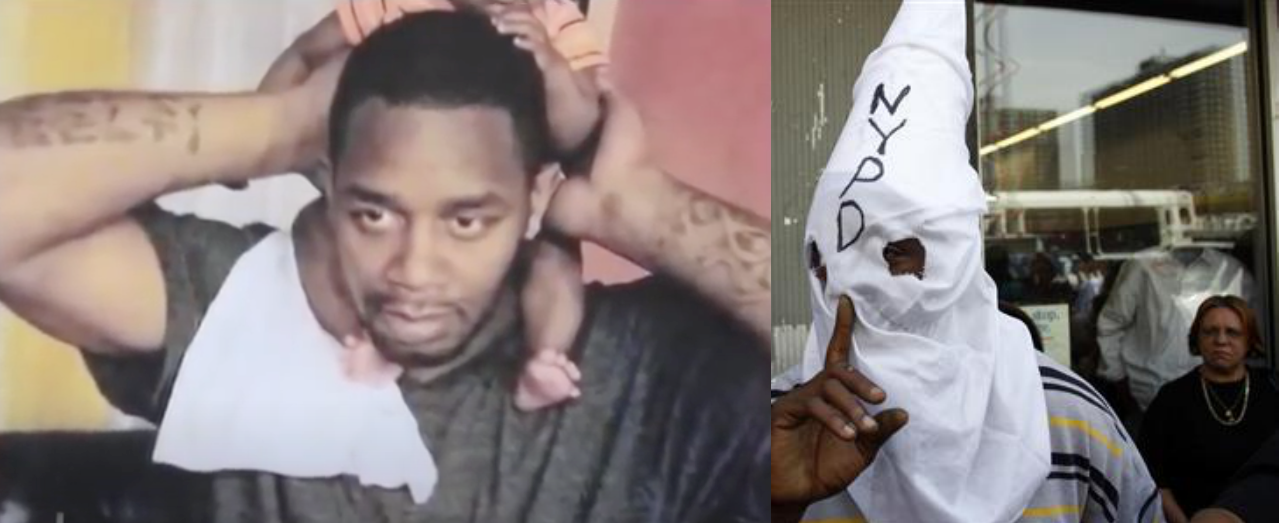
From [HERE] It’s been six years since a Black, off-duty New York City police officer killed Delrawn Small, and the Black man’s family is still hoping for justice.
On July 4, 2016, NYPD Officer Wayne Isaacs shot Small during a late-night road rage incident in Brooklyn. The 37-year-old approached the officer’s car, and the officer claimed he fired his gun in self-defense. Small, who was unarmed, was killed in front of his girlfriend, his teenage stepdaughter and his 4-month-old son, who watched from inside the car.
The shooting launched a series of investigations by prosecutors, law enforcement and the city’s police watchdog agency, each with their own findings and interpretations of the case. Years later, the shooting is now approaching the last stages of review – an administrative trial by the Civilian Complaint Review Board (CCRB). The incident provides a window into the lengthy, complex process that follows killings by police and sheds light on why it takes so long for these types of cases to reach a final resolution.
“It’s been rough, to be honest,” Small’s brother, Victor Dempsey, told Gothamist shortly after the six-year anniversary of the shooting. “I don’t think any family should have to fight year after year after year after year just to get a sense or some measure of accountability.”
Dempsey has spent the past six years watching the security camera footage of the shooting in slow motion. He has pored over freeze frames of his brother’s every move and dissected the footage each way he could think of to make sense of that moment. The silent, grainy, black-and-white clip is still saved on his phone.
“I know that some folks think that it would drive me crazy, but I’ve watched that video well over, well over 100,000 times. Easily,” Dempsey said.
The officer claimed that Small approached his car, yelled at him for cutting him off, threatened him and punched him through his car window, according to court records and past coverage of the case.
Isaacs was on his way home from work when Small approached his car, court records show. The officer said he thought Small was going to carjack him or recognized him from a past arrest and was angry. So, he pulled out his gun. Within moments, he fired three shots at Small, killing him.
But security footage that came out a few days later showed Small falling over and running away almost immediately after approaching the officer’s vehicle. The footage cast doubt on the police narrative. Dempsey has spent the past six years trying to prove the video contradicts the officer’s version of the events – and that his brother shouldn’t have been killed.
“My grief was in the lie,” he said. “My grief was proving everybody wrong. And I wasn’t grieving for my brother’s loss, because I had to show everybody, to even get the attention or to get people to understand that this was murder. I had to prove that they lied.”
The details were murky from the start. Dempsey remembers the confusion of the night his brother was killed. He was living in the suburbs at the time, and family in the city flooded him with calls and text messages, sharing piecemeal bits of information and urging him to get to Brooklyn. He raced to the scene with so many questions running through his mind.
When Dempsey arrived, he said, he crossed the yellow police tape lining the street and walked right past his brother’s body on the ground without even realizing he was there. He thought Small was still alive, getting treated at a hospital. But eventually, he understood why his cousins were crying and hugging. Someone told him that his brother had been killed. And then, he learned it had been a member of law enforcement who had pulled the trigger.
The officer was charged with second-degree murder and first-degree manslaughter through a special unit in the state attorney general’s office that had recently been created to prosecute killings by police. A jury found him not guilty on all counts. Small’s family and his girlfriend have each settled lawsuits with the city. But the officer’s disciplinary case has been stuck in limbo ever since.
Few killings by police result in charges, convictions
It’s rare for law enforcement to face criminal consequences for killing someone, according to Bowling Green State University’s Police Crime Database.
Between 2005 and 2016, Bowling Green researchers have found that just 190 off-duty and 216 on-duty killings by police resulted in criminal charges, ranging from driving under the influence to murder. For comparison, police gunfire alone kills approximately 1,000 people in the U.S. each year, according to the Washington Post’s Fatal Force project. Only 250 of the killings tracked by Bowling Green’s database – about 60% – ended with a conviction. Some of those convictions were for less serious crimes than the original charge.
“If you or I went out tonight and shot and killed somebody and said it was a road rage incident or something like that, the police would start with a set of assumptions. They would start with: ‘This is a criminal homicide investigation,’” said Philip Stinson, who runs the database and is a leading researcher on the topic. “If they knew we were the shooter, we might be arrested right away.”
But that’s not how the investigation typically goes when an officer kills someone, Stinson said. The assumption from the start is that the killing was justified and that the officer did it to save their life, or someone else’s.
That makes prosecutors hesitant to take cases to court, Stinson said. In the few instances when they do, he added, juries can be tough to convince.
When New York City officers are acquitted in court and cleared by the department, there can be one more test of culpability through the CCRB. The watchdog agency investigates complaints against NYPD officers. But the process can be slow – especially when police kill someone.
Prosecutors get to make their case first, and typically ask other entities to put their investigations on hold in the meantime, according to Daniel Bodah, who spent about seven years as an investigator at the CCRB in the early 2000s and now researches police misconduct for a criminal justice reform think tank. Next, the police department does its own review. Then, the CCRB can take one last look – not to find evidence of a crime, but to see if the officer violated any policies.
“It’s a different question than whether the officer committed a crime,” Bodah said.
“Isaacs was acquitted at trial. That does not bar the CCRB from making a finding of administrative misconduct, excessive force in violation of the patrol guide,” he said. “It’s just a different question with a different standard of proof.”
The CCRB launched an investigation into Isaacs’s actions in 2018 and recommended disciplinary charges against Isaacs in 2020. But for years, the process was stuck. The agency was essentially waiting for approval from the police department to move forward, until a couple months ago, when Keechant Sewell and Eric Adams, the new police commissioner and mayor, agreed to let the case move forward.
The next step would be an administrative trial, which the officer’s union tried to block. A judge sided with the CCRB earlier this year. Now, the agency is waiting to find out if it can access the criminal file for its case. The agency said it expects to take the case to trial once it has prepared the strongest case possible.
“CCRB has nothing new to add to this case, which has already been fully investigated and adjudicated by the NYPD,” Police Benevolent Association President Patrick J. Lynch said in a statement. “The police officer was also acquitted by a Brooklyn jury. CCRB is simply looking for a third bite at the apple in order to justify their bloated budget and advance their anticop agenda.”
It’s still possible that, after six years, Isaacs could stay on the force without any discipline. But he could be fired following a CCRB trial, like the officer who killed Eric Garner.
“We all heard him say, ‘I don’t have anything,’ and he started to run,” then Cops Shot Him 3X in the Back.' LAPD Try to Murder a Black Man Holding a Car Part, Cops say They Thought It Was a Gun
/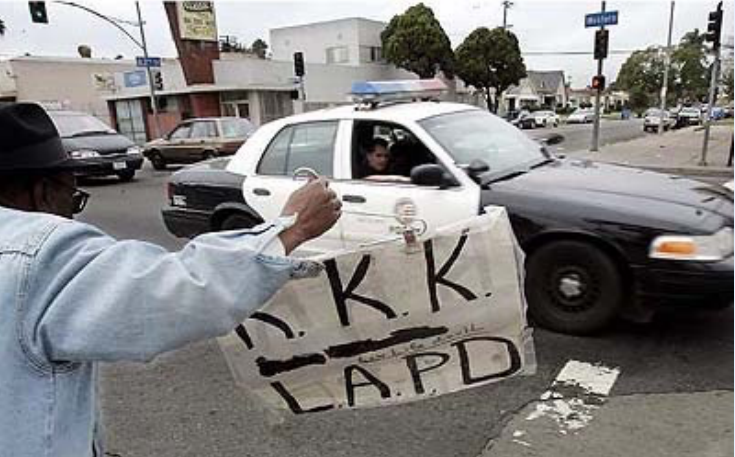
From [HERE] Days after Los Angeles police shot a 39-year-old man in Leimert Park, neighbors and others demanded answers about why officers opened fire in a residential neighborhood on someone who officials now say was unarmed.
Authorities have so far released few details about the shooting Monday evening of Jermaine Petit in the area of Martin Luther King Jr. Boulevard and South Bronson Avenue.
At a news conference the night of the incident, an LAPD spokesman said the man was carrying a “weapon” when police came across him walking on King but offered no further clarification. The department later retracted that statement in a news release, saying a “black metal latch actuator” was recovered from the scene.
Petit, who was taken to a hospital in serious condition, is expected to survive, police said.
It was the LAPD’s 20th shooting of the year, a quarter of which have occurred this month.
Deshonay Howard said she was parked in front of her house across the street when she saw Petit walk past a bus stop near King and Degnan Boulevard, and noticed that he was being tailed by several police vehicles with their lights and sirens off.
“We all heard him say, ‘I don’t have anything,’ and he started to run,” she said, adding that she saw police shoot him three times when his back was turned.
In its news release Tuesday, the Los Angeles Police Department said patrol officers from the Southwest Division and a uniformed supervisor believed they were dealing with someone armed with a handgun after responding to an “assault with a deadly weapon” call.
A man who matched the suspect’s description, later identified as Petit, did not respond to officers’ commands, police said.
“As the suspect walked away from the officers, he turned multiple times in their direction and pointed a black metallic object believed to be a firearm” before officers opened fire, according to the LAPD release.
After the shooting, Howard said, officers gathered behind a shield with guns still drawn and inched toward Petit, whom she didn’t know by name but recognized from having seen him around the neighborhood.
In the days since, she has tried to keep her mind off what happened but has worried about her daughters’ well-being.
Both little girls were playing outside their home on King; her older daughter was riding her scooter but stopped when she heard officers yelling at Petit, Howard said.
“The fact that police didn’t take the [time] to look back and see that there were kids playing,” Howard said, frustration creeping into her voice. “My neighbor was out trimming her hedges.”
Taiyyeba Skomra was playing a word game with her husband and 8-year-old daughter when they heard three gunshots outside. Her daughter immediately hid under the couch, while Skomra and her husband peeked outside to see Petit lying on the ground, surrounded by officers.
“There was nothing in his hands and they were shouting at him to turn over,” she said. “There were many police amassing, and then finally somebody with a shield, they approached him.”
After a few minutes, officers turned Petit over and handcuffed him, she said. They removed a backpack that he was carrying, spilling its contents onto the street.
She said she spent the next few hours trying to remain calm for her young daughter, who was crying uncontrollably.
“She wouldn’t even come out from under the couch,” Skomra said. “I don’t know what comes from this other than terrorizing the neighborhood.”
Skomra said a cousin of Petit’s who lives nearby told her that Petit was a military vet who was fearful of officers after previous run-ins with law enforcement.
Speaking at the weekly Police Commission meeting Tuesday, LAPD Chief Michel Moore said officers recovered an auto part known as a “latch actuator” but did not clarify why officers stopped Petit in the first place or how they mistook the part for a weapon.
The names of the officers involved are expected to be released in the coming days.
The incident will be reviewed by LAPD investigators and the findings presented to the Police Commission. Such investigations typically take several months and can last up to a year. Under department policy, video that investigators collect should be released within 45 days.