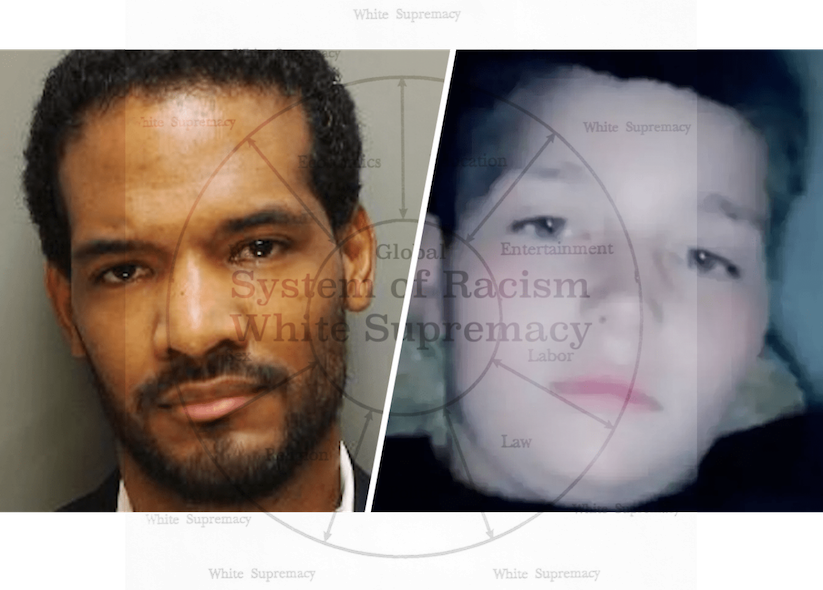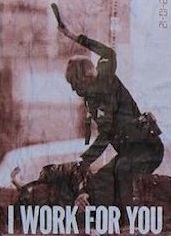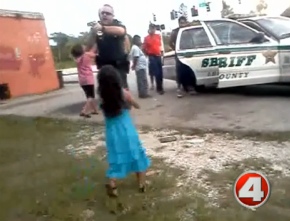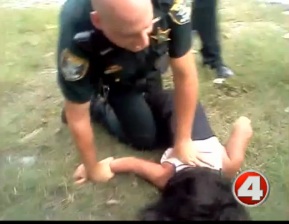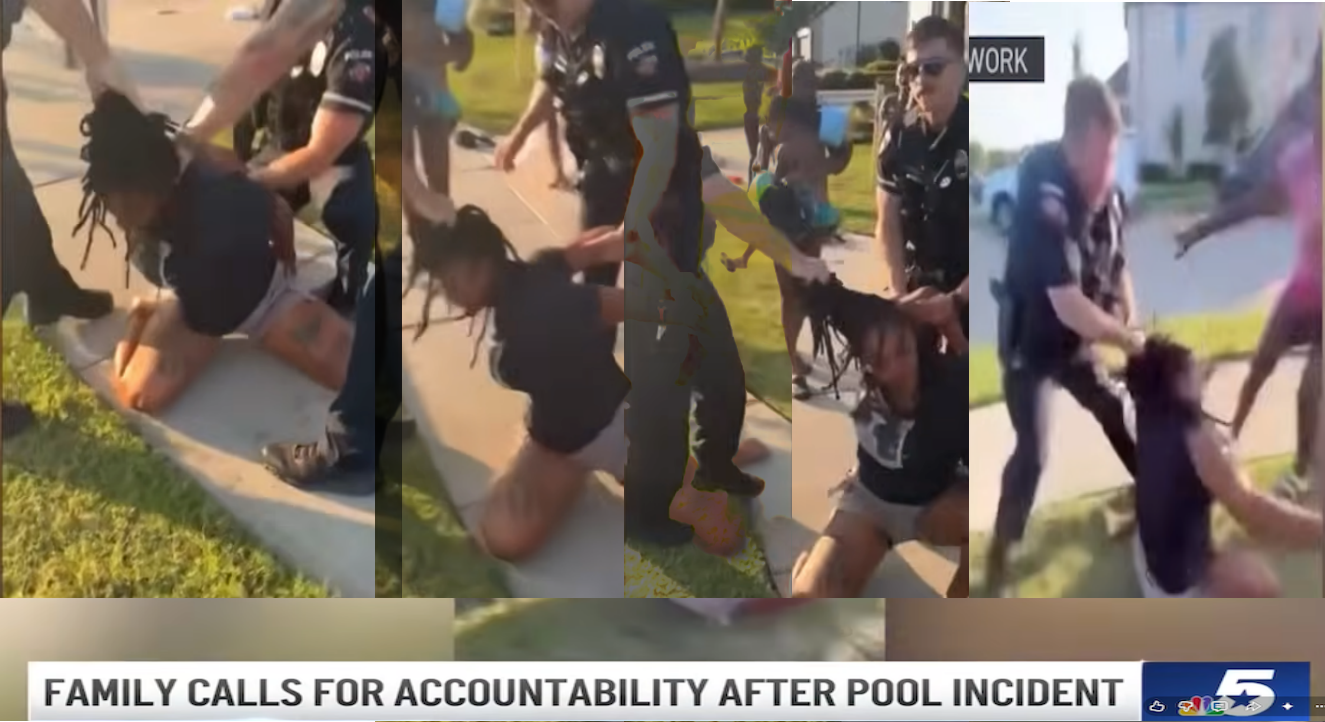
Black Judge Finds White PG County Cop Guilty and Not Credible after He Claimed He Slammed a Handcuffed Black Man Headfirst into the Concrete By Mistake (causing paralysis) During an Expired Tags Stop

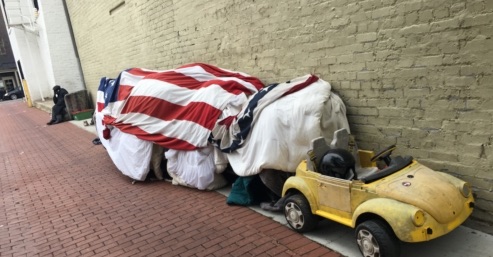
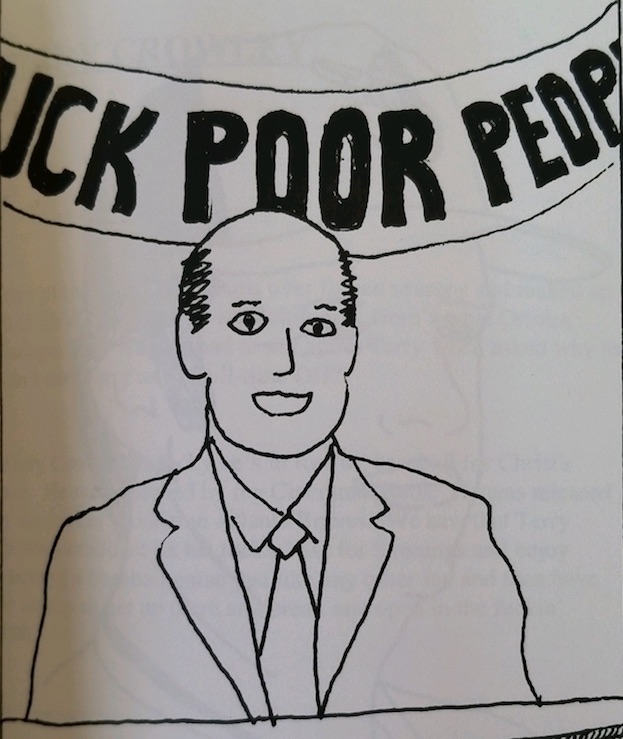
YES THAT’S A PERSON.

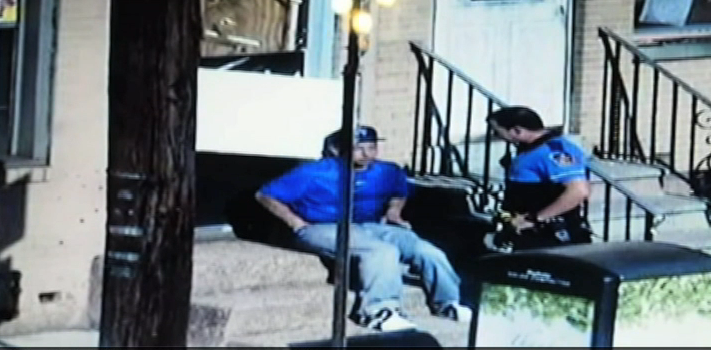
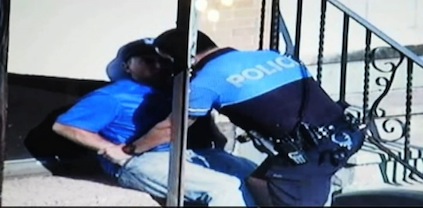
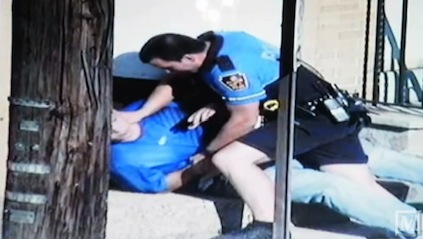
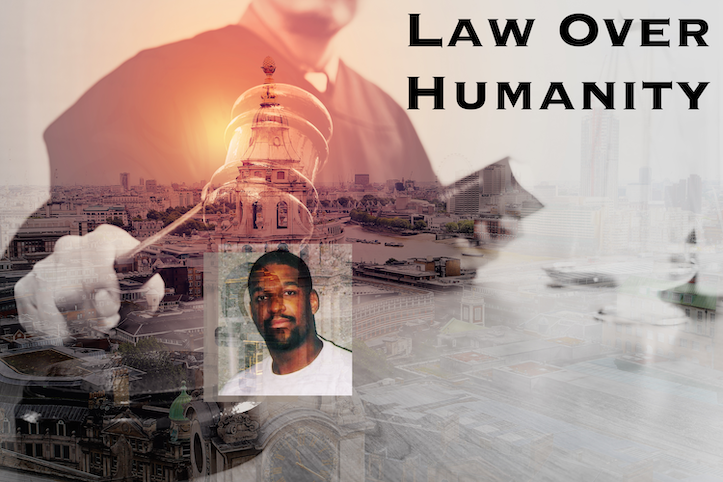
From [HERE] and [HERE] Two and a half years after Demonte Ward-Blake was paralyzed during a traffic stop in Prince George’s County, a judge ruled Wednesday that the police officer who arrested him was guilty of second-degree assault, misconduct in office and reckless endangerment in connection with the man’s injuries.

Cpl. Bryant Strong, flanked by 20 officers in the courtroom behind him, showed no reaction as Circuit Court Judge Daneeka V. Cotton read her guilty verdict in the bench trial that started Monday of this high-profile encounter. Cotton deliberated for three hours after hearing testimony from other officers at the scene, use-of-force experts, Ward-Blake’s former fiancee and Strong himself.

As Cotton read each guilty verdict, those there to support the late Ward-Blake in the packed courtroom exhaled in relief.

“Thank Jesus,” said one woman, whose son was killed by Prince George’s police in the 1990s.

“Amen. Amen. Amen,” the family’s civil attorney said.

Ward-Blake’s mother, Rena Ward, slowly smiled as she was hugged by a line of friends, family and State’s Attorney Aisha Braveboy.

Ward-Blake died late last year at the age of 26 from injuries he suffered in an unrelated shooting. Before his death, he had used a wheelchair because of his paralysis, which left him mostly immobile from the neck down.

Strong, who is now 32, waived his right to a jury trial and instead elected to have his case heard before the judge alone. He will be sentenced in July and faces up to 10 years in prison.

A grand jury indicted Strong in the fall of 2020, nearly a year after his encounter with Ward-Blake on Oct. 17, 2019, in Oxon Hill, Md., on the three misdemeanor charges.

During her ruling, Cotton said her job in reviewing the testimony and evidence was to decide which of the two conflicting versions of the traffic stop was the truth. Though Ward-Blake’s encounter with Prince George’s County police was recorded on cruiser dash-cam footage and cellphone video, the assault itself was not.

Ward-Blake had been pulled over for expired tags; that he became verbally outraged when a different officer pulled a gun because his girlfriend’s 6-year-old daughter was in the back seat; and that throughout parts of the encounter captured on film he had been compliant with all officer commands, including when he was detained, placed in handcuffs and sat on the curb.

Strong then decided to arrest Ward-Blake for disorderly conduct and walk him to the side of his cruiser, where he conducted a body search.

The judge found that Strong had become fed up with Ward-Blake’s cursing and yelling and snapped, lifting the man’s feet from the ground and slamming him headfirst into the concrete in a maneuver called a “takedown.”

A witness officer who had also responded to the traffic stop testified that soon after her arrival on the scene, she heard a “commotion” near Strong’s police cruiser and turned her head to see Ward-Blake’s feet in the air at a diagonal and Strong’s feet on the ground.

Prosecutors said her testimony, coupled with similar testimony from Ward-Blake’s girlfriend, Chinayne Pollard, and medical records showing the severity of the man’s injuries, proved Strong had used excessive force to slam the 24-year-old into the ground.

That use of force was reckless, they said, because Ward-Blake was compliant, handcuffed and had no way of breaking his own fall.

Strong’s attorneys, however, unsuccessfully argued that Ward-Blake’s paralysis was not the result of a criminal act but an “accident.”

Strong testified that once he took Ward-Blake to the side of his police cruiser, he started searching the man’s upper body and had crouched down by his ankles. At that point, Strong said, Ward-Blake elbowed him in the head — knocking him off balance. The officer testified that, at the same time, Ward-Blake had turned away in an alleged attempt to flee. Strong said he reached for the man’s arm to catch his balance, and the two fell together to the ground.

The judge did not find the officer to be credible. When she delivered her verdict, though, Cotton discounted that theory. The use of force was intentional and not accidental, she said, adding that she was “unpersuaded” that Strong’s testimony was “credible.” The judge called his actions “excessive” and “unjustified.”

Strong, she said, “did not act as a reasonable officer would.”

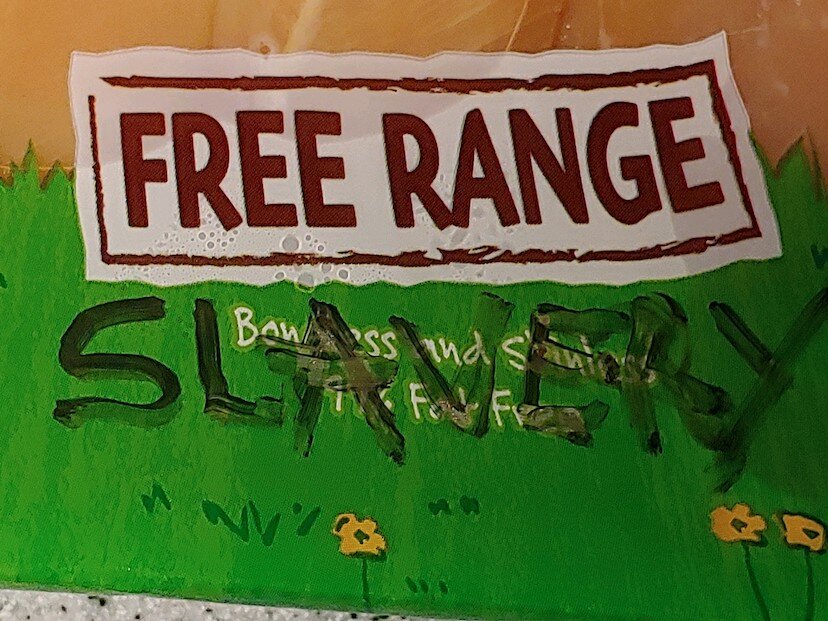
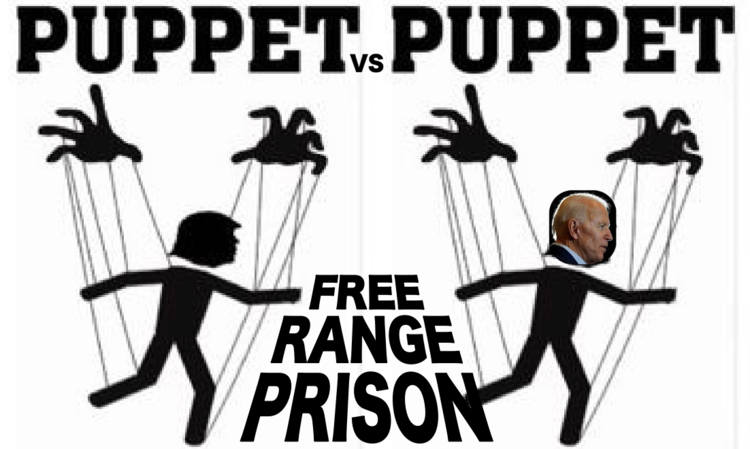
Strong remains on paid administrative leave pending the outcome of the department’s internal affairs investigation, which will proceed now that the criminal trial has concluded. [thats how the process goes when cops harm blacks 1) first prove it beyond a reasonable doubt 2) then we’ll think about maybe terminating the cop and relieving him of his glorious duty of providing compulsory public service in a free range prison. contrast with how the process works when ‘white lives’ are harmed]

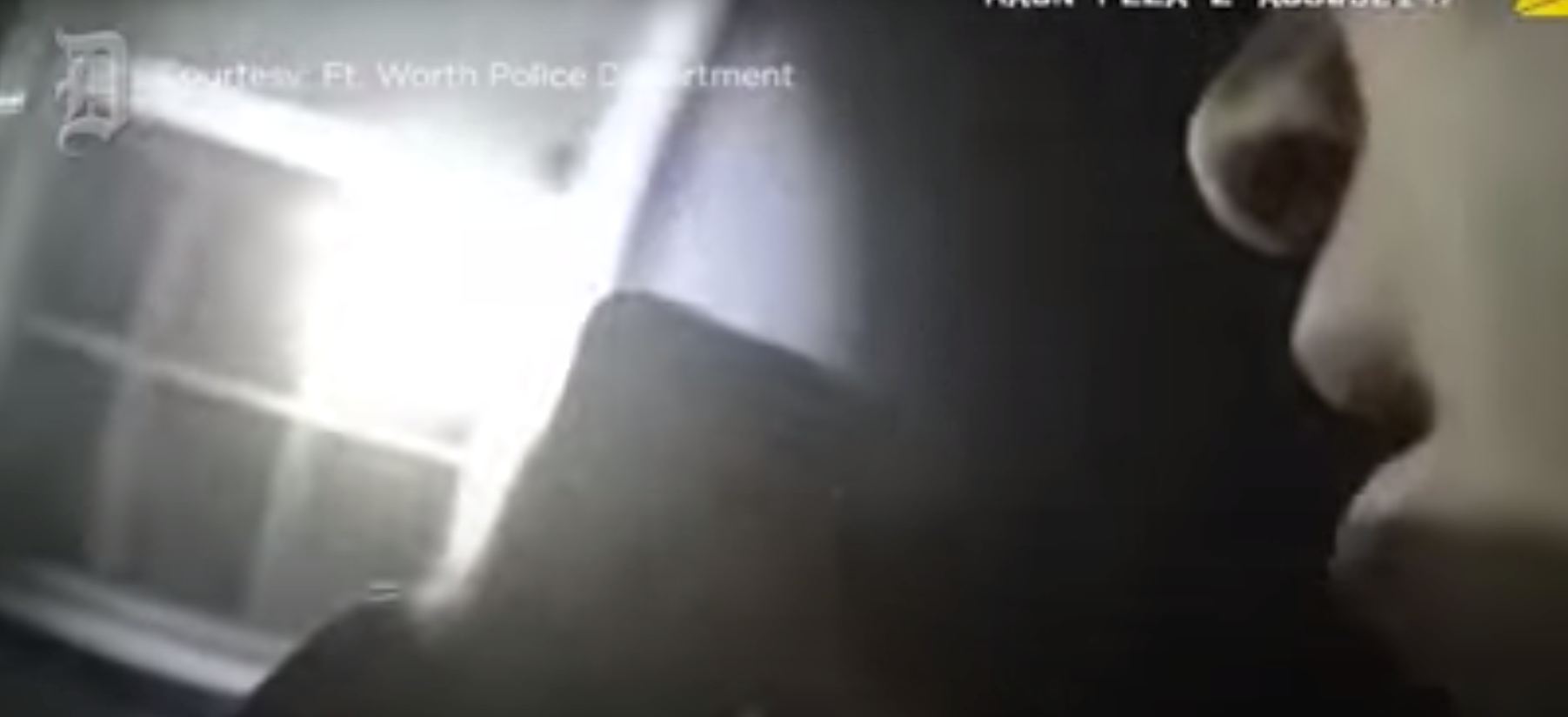
[equality/In Reality all are subject to authority, the right to rule] Lawsuit Claims an El Paso Cop Battered a Handcuffed White Woman by Punching Her in the Face at Least 10 Times During DUI Stop

From [HERE] A mother of five says in a lawsuit she needs facial reconstruction surgery after an El Paso, Texas policeman repeatedly punched her and broke her nose while she was handcuffed.

Anna Barnes, 34, sued the city of El Paso, its Police Chief Gregory Allen and Officers Jarred Frank and Oliver Meise on Thursday in federal court in El Paso.

Barnes, an insurance broker, and her kids had just left a birthday party when around 10 p.m. on Aug. 27, 2021, a cigarette ember blew onto her arm and burned it while she was driving her SUV 5 to 10 mph, according to the complaint.

She brushed the ember off and accidentally drove over a curb and struck a small tree.

No one was injured. But Barnes says she and her children got out of the car and she called an acquaintance to come pick them up.

Minutes later, Frank and Meise pulled up in their police cruiser.

Though the officers did not perform any field sobriety tests on Barnes or ask her to blow in a breathalyzer to measure her blood-alcohol level, Meise told her she was going to be arrested for DWI with children in the car under age 15, a felony. The officers reportedly said they smelled alcohol on her.

Barnes says she started crying and Frank came over and kicked her legs out from under her, rolled her on her stomach, handcuffed her on sat her on the curb.

Barnes’ tears seemed to irritate Frank, she claims, and he hit her twice in the face.

“When the handcuffed Anna criticized the excessive force just inflicted upon her, Officer Frank started repeatedly striking Anna in the face-over ten more times as Anna tried to say more but the strength of the blows increased as she started to scream. During this time Meise was holding onto Anna’s shoulder to assist Frank land the blows,” the complaint states.

With her face swelling up and eyes blackened from the blows, paramedics placed Barnes on a stretcher as her terrified children looked on. She was taken to a hospital where a CT scan revealed Frank had broken her nose.

According to Barnes, an emergency room doctor stated she was “clinically sober” and determined the assault had caused her injuries.

As further proof of her sobriety, Barnes says after the officers booked her into El Paso County Jail she agreed to a blood test, and it was analyzed by the Texas Department of Public Safety. The agency declared in December she had “passed” the test so her driver’s license would not be suspended.

Nonetheless, El Paso County District Attorney Yvonne Rosales has refused to drop Barnes’ charges.

 In response to queries about Barnes’ case from a local TV station, the DA’s office said besides proving a driver had a blood-alcohol concentration of more than .08, prosecutors can secure a DWI conviction by proving any amount of alcohol ingested had caused the driver to lose the normal use of their faculties and crash their vehicle.

Barnes says despite Frank admitting in a sworn affidavit he had struck her face several times, DA Rosales has declined to prosecute him, and he got off with a light punishment from the El Paso Police Department.

“True to form and despite an El Paso internal affairs investigation Meise went wholly unpunished and Frank was given only an 8-hour suspension by Chief Allen in a discipline system shrouded in secrecy,” the lawsuit states.  

Barnes’ attorney, Randall Kallinen of Houston, said in a statement El Paso, population 679,000, is the only major city in Texas whose police officers do not wear body cameras, though its City Council recently approved spending $6.6 million for 700 of them.

Still, its police are not expected to start wearing them until summer 2023, according to the El Paso Herald-Post.

“El Paso needs body cameras yesterday and also needs city and county officials who are serious about stopping violent police officers and not protecting them,” Kallinen said.

Barnes seeks at least $100,000 in compensatory and punitive damages.

She accuses the officers of federal civil rights violations of excessive force and failure to intervene. She also sued them for assault under state law.

As for the city and Chief Allen, Barnes aims to hold them liable for municipal liability, a federal civil rights allegation with a high bar that requires her to prove a policy of the El Paso Police Department was the moving force of the constitutional violations that caused her injuries.

Barnes alleges the city, through Chief Allen, has a policy of not disciplining or investigating officers accused of using excessive force.

Neither the city attorney’s office nor DA Rosales responded Thursday night to requests for comment on Barnes’ allegations.

Trial Delayed for White Cop who Fatally Shot Atatiana Jefferson after Warrantless Entry ["A Welfare Check"] Into Her Yard [Gun Possession by Blacks, lawful or unlawful, is Prohibited in Racist System]

From [HERE] Ashley Carr closed her eyes as a judge read.

The 10 minutes seemed to drag as state District Judge David Hagerman explained the factors he considered in deciding Wednesday whether to delay the murder trial for her sister’s killer a third timein six months.

It’s already been nearly three years since former Fort Worth police officer Aaron Dean, 37, fatally shot Atatiana Jefferson in her home in October 2019 while her 8-year-old nephew was nearby. A jury will decide whether Dean, who is white, committed murder by shooting the 28-year-old Black woman.

Jefferson was fatally shot after a neighbor called a nonemergency line to request a welfare check on the home because the front door was open and lights were on about 2:30 a.m. Oct. 12, 2019.

Body-camera footage shows that Dean walked around Jefferson’s house and entered the fenced yard without announcing his presence and identifying himself as law enforcement. Dean turned to face a window, yelled at Jefferson — who was inside — to put up her hands and fired a single shot in a matter of seconds.

A murder warrant explained that the boy, who was in the room with Jefferson when she was shot, told a forensic interviewer that he and his aunt were playing video games together about 2:30 a.m. Saturday when she heard noises outside their home in the 1200 block of East Allen Avenue.

Jefferson, 28, took her handgun from her purse and pointed it “toward the window” before she was shot, the nephew said, according to the arrest-warrant affidavit.

The 8-year-old saw his aunt fall to the ground. She was pronounced dead at 3:05 a.m.

Jefferson’s nephew told officials that his aunt had grabbed a handgun and pointed it toward the window because she heard noises outside.

Former Fort Worth Mayor Betsy Price and former police Chief Ed Kraus said that was irrelevant because Jefferson was entitled to defend herself. Kraus said at a news conference that it “makes sense that she would have a gun if she felt that she was being threatened or there was someone in the backyard.”

That sentiment was echoed by an attorney for the victim’s family. Lee Merritt said Jefferson had every right to defend herself because the officers did not announce themselves as law enforcement.

“It’s only appropriate that Ms. Jefferson would have a gun,” Merritt said, noting that she had a license to carry the legally owned firearm. "When you think there’s someone prowling around in the back at 2 in the morning, you may need to arm yourself. That person could have a gun.” [MORE]

After a three-day hearing this week, Hagerman granted Dean’s request to delay the trial again — this time because his lead attorney is seriously ill and because prosecutors turned over voluminous records in late April.

Earlier in the day, Hagerman denied Dean’s request to move the trial out of Tarrant County. Defense lawyers Miles Brissette and Bob Gill had sought to prove Dean could not possibly get a fair and impartial jury in Tarrant County by showing more than 100 local TV news reports about the case.

Carr and relatives rejoiced then. Two women hugged and cried, and a bailiff brought them a box of tissues. [all white!]

They were expressionless when Hagerman announced he would reschedule the trial to June. They left the courtroom quietly; the judge’s gag order prohibits anyone involved in the case from speaking to media.

Prosecutor Dale Smith, visibly frustrated, said loudly, “I’ve got no more business with this court today,” before walking out of the courtroom.

Jury selection, which was scheduled to begin Monday, will now start June 20. Testimony will begin June 23 with or without lead defense lawyer Jim Lane.

“This court, this case, will not be held hostage indefinitely,” Hagerman said.

Lane, who did not participate in the hearing this week, has been sick since mid-March and has not been able to work on the case, the defense team said. They did not reveal Lane’s illness, but notes from his doctor that were sealed from public view describe his condition as “severe, debilitating and possibly even dire,” Hagerman said.

Brissette and Gill are highly experienced, Hagerman noted, and can try the case without a third attorney or can hire another lawyer to replace Lane, he said. Brissette and Gill, along with Lane, represented former Balch Springs officer Roy Oliver, who was convicted of murder in 2018 and sentenced to 15 years in prison for the shooting death of 15-year-old Jordan Edwards. Oliver is white and Edwards was Black.

Hagerman also scolded prosecutors for not turning over raw information from psychological testing sooner, although Smith argued that the final findings were provided to defense lawyers earlier. But Hagerman said that isn’t good enough for the defense team to have it evaluated by their own experts.

“The state is substantially blamed. … They cannot, now, in good faith shrug their shoulders,” Hagerman said.

Coverage not inflammatory

In determining that the trial would stay in Fort Worth, Hagerman found that local news coverage about the case was pervasive and prejudicial — but not inflammatory. Texas law requires all three factors be met to move a trial outside of the county where the crime occurred.

Dean’s lawyers failed to show how many potential jurors were exposed to the reports, Hagerman said. They could have provided ratings and other analysis to give an idea of how many people in the region consumed the media but did not, Hagerman said.

Neither of Jefferson’s parents are alive to see the trial. Her father, Marquis Jefferson, and mother, Yolanda Carr, died within three months of her killing.

Dean’s trial had previously been delayed twice since November, frustrating Jefferson’s family and community members. After defense lawyers said some of their key witnesses were unavailable in January, the judge said he would not grant another delay.

In a Consensus Reality [White Supremacy] Cops Imagine that Black People Possess Guns to Justify Shooting Them. A Lansing Cop Shot a Black Man in the Back as He Fled Carrying Only a Bag of Groceries

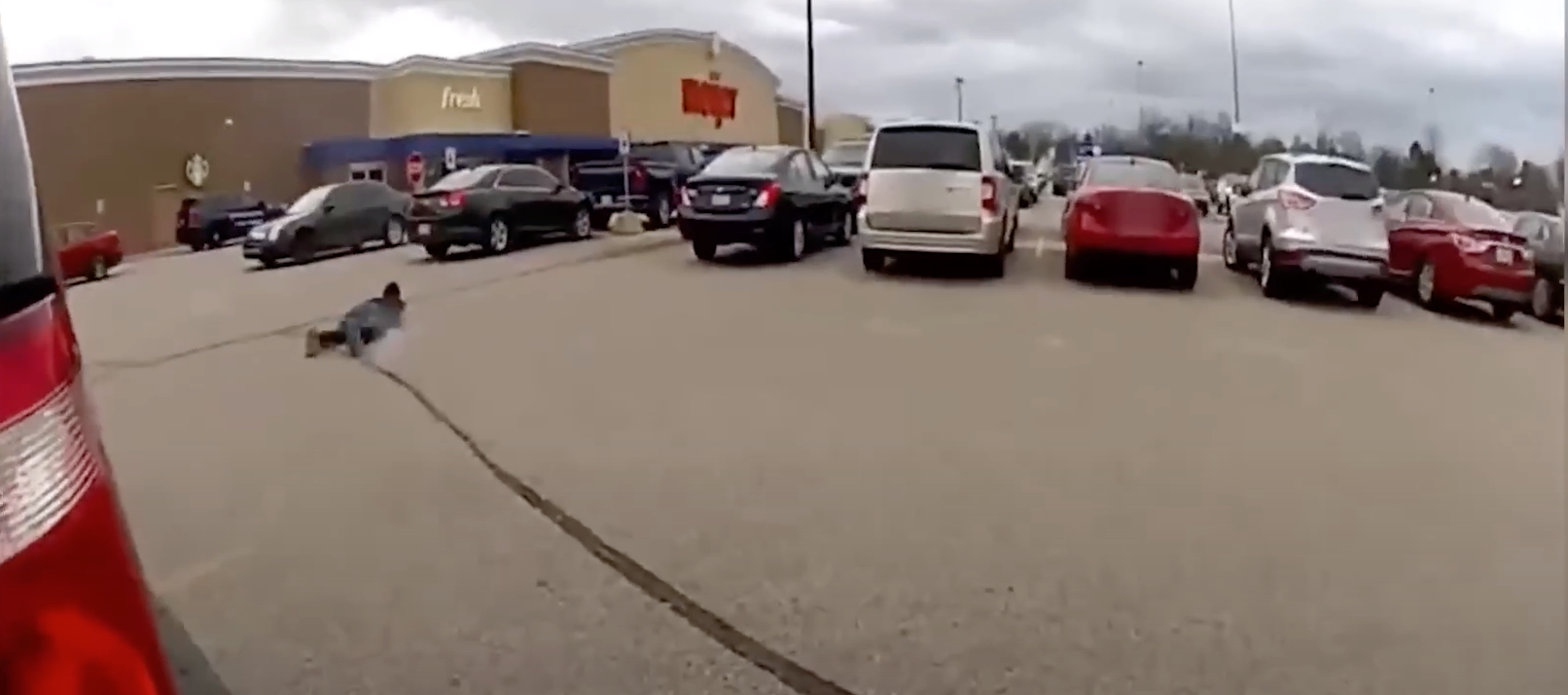
FILE UNDER HUNTING BLACKS. VIDEO ABOVE REMIXED BY WHITE AUTHORITARIANS FOR WHITE OWNED AND RUN MEDIA TO RE-MANUFACTURE RELATIONS. THE BLACK MAN WAS NOT CHARGED WITH POSSESSION OF A GUN AND NO GUN WAS FOUND IN HIS POSSESSION. THE WHITE MEDIA AND COPS HAVE NOT RELEASED THE NAME OR PHOTO OF THE WHITE COP. NO CHARGES AGAINST THE COP FOR THE ABOVE ATTEMPTED MURDER IN A BUSY PARKING LOT. WHEN THE MEDIA IS OK WITH AUTHORITIES SHOOTING SHOPPERS IN THE BACK YOU KNOW YOU ARE NOT LIVING A FREE SOCIETY. SAID CONSENSUS REALITY ALONG WITH RACISM AND AUTHORITY DEPEND UPON OUR STUPIDITY.

According to FUNKTIONARY:

consensus reality – a movie comprising belief, expectation and the magic of agreeing. 2) an aggrieved upon hallucination. Consensus Reality is the most malefic trickster of all. Whether you think you can or you can’t, or whether you think it is or it isn’t, you’re right! (See: Maya, Granfalloons, Motivated Illusions, Cognitive Illusions, OWLs & Dreamland)

From [HERE] East Lansing police on Thursday, May 5, released video of an April 25 police shooting that depicts 20-year-old DeAnthony VanAtten of Lansing being shot in a busy Meijer parking lot by white police officers.

An officer shouts at VanAtten to get on the ground, while chasing him through rows of vehicles. “You’re going to get Tased,” an unidentified officer yells at one point.

VanAtten is seen running from the store wearing a face covering and carrying a bag of groceries he’d just purchased inside the store. One officer takes cover behind a vehicle and calls out, “He’s reaching, he’s reaching, he’s got a gun,” before approximately eight gunshots are heard, apparently fired from multiple guns. On the video [actual reality] - there is no reaching going on.

“I can’t believe you shot me, bro,” VanAtten says after being handcuffed on the ground in the parking lot. “You shot me two times, bro.”

About the attempted murder (shooting someone in the back) the white media parroted the white police who minimize the event by stating, “the shots were not fatal and VanAtten was treated at an area hospital before being transferred to the Ingham County Jail earlier this week. He’s since been released.” [you are in a free range prison disguised as a democracy, a hoax within a hoax]

A woman, who is believed to have been in the silver SUV VanAtten arrived in, is heard screaming in the background. She’s later seen holding a baby carrier and talking on her cell phone to someone.

“He didn’t have no gun,” the woman tells police. “You shot him for no reason.”

Officers are heard discussing what led to the shooting while searching for a weapon and tending to VanAtten as one of the law enforcers is heard saying, “He had it out.”

Minutes later, police are seen pulling a silver handgun out from beneath a sedan about two parking spots over from where it’s believed VanAtten parked.

“That’s part of the investigation that Michigan state police are investigating,” East Lansing Police Chief Kim Johnson said when asked if VanAtten was armed at the time he was shot. Johnson said he did not know if VanAtten fired any shots when asked at a press conference Thursday.

Folks, if that Black man possessed that gun he would still be in custody and charged for unlawful possession of a firearm. His prints and DNA would be on it. Cops are not here to help you they are preying on you.

The police response originated from a 911 call in which a witness reported seeing a man in a face mask entering the store at 1350 W. Lake Lansing with a gun. The shooting occurred about 6:46 p.m. The video includes graphic language and images.

East Lansing released a total of seven videos, including four of footage from officer body cameras and three from the Meijer surveillance system. The department released the video by a deadline set by the East Lansing Independent Police Oversight Commission and mounting public

Sean Holland, a representative with Black Lives Matter Lansing who’s spoken with VanAtten’s relatives, called the shooting a result of racial profiling. He said VanAtten arrived at the store with his girlfriend and an 8-month-old child to purchase multiple items.

“East Lansing police should have never responded to the call,” Holland said during a protest calling for transparency on Wednesday, April 4. “We want to remind this community that Michigan is an open-carry state, and shopping while Black is not a crime.”

The two white officers involved have not been identified and are on paid administrative leave, per department policy.

Like Mistaking Bacon and Eggs, Racist Cops Often Confuse Cell Phones w/Guns when They're Possessed by Black People. San Antonio says its White Cop Murdered Antronie Scott by Mistake, Will Pay $450k

From [HERE] San Antonio’s City Council approved a settlement with the family of Antronie Scott—who was shot and killed by an SAPD officer who mistakenly thought Scott was carrying a gun.

SAPD Chief William McManus later said that Scott, who was under surveillance for felony warrants, was carrying a cell phone in his hand. At the time, Officer John Lee, who shot and killed 36-year-old Scott, believed he was carrying a gun.

In 2016, Scott’s wife filed a lawsuit against the city and the police department claiming Scott complied with officers during the traffic stop that turned fatal. Scott’s wife was in the car.

From [HERE] The city council approved the item as part of the city’s consent agenda, so it was not pulled for discussion.

According to the background documents, Lee was parked behind Scott’s vehicle when he served the warrants. Lee believed Scott looked “surprised and angry” when Lee saw Scott look at him through the back window.

The parties have agreed to settle the claims by offering $150,000 to Elena Scott, Antronie’s wife, $150,000 to Antronie Scott, Jr., and $150,000 to Scott’s mother Diane Peppar.

Thanks wfs!

India Top Ct Rules the Right to Bodily Integrity Includes the Right to Refuse COVID Shots. Finds No Basis for Discriminatory Treatment of Unvaxed b/c They Don’t Pose Any Greater Risk to Spread COVID

From [HERE] The Supreme Court of India Monday held that the right to bodily integrity of a person includes the right to refuse vaccination under Article 21 of the Indian Constitution.

The present writ petition was filed by Dr. Jacob Puliyel, a former member of the National Technical Advisory Group of Immunization. The petition challenged the constitutional validity of the vaccine mandates imposed by states like Delhi, Madhya Pradesh, Maharashtra and Tamil Nadu. The petitioner also raised issues of non-disclosure of vaccine trial data, improper collection and reporting of Adverse Events Following Immunisation (AEFIs) and vaccination of children.

The petitioner’s [low budget] case was limited however as it appeared to rest on scientific and newspaper articles as opposed to actual in court expert testimony directly from the doctors and researches themselves.

The Government also contended the ambit of judicial review on the present matter, and the court clarified that it can decide an issue if:

  • It violates articles of the Constitution;

  • It dehors the provisions of the Act and the regulations;

  • The delegatee has acted beyond its power of delegation; or

  • If the executive policy is contrary to the statutory or a larger policy.

The government has the authority to impose limits on individual rights in the name of public health, but those restrictions must fulfill the court’s three-part legality, genuine necessity and proportionality test established in the Puttaswamy decision.

The court found that mandatory vaccination imposed by various state governments and other authorities in the consideration of the COVID-19 pandemic is “not proportionate” because no sufficient evidence has been presented on the record to establish that the risk of COVID-19 virus transmission from unvaccinated people is higher than from vaccinated people. The court found it undisputed that

“an unvaccinated person does not pose a greater risk than a vaccinated person in terms of transmission of the infection.”

It also stated,

“neither the Union of India nor the State Governments have produced any material before this Court to justify the discriminatory treatment of unvaccinated individuals in public places by imposition of vaccine mandates.”

The court further ordered the Government to publish reports on AEFIs from the general public and physicians on a publicly accessible basis without jeopardising the privacy of those who report adverse events. Lastly, on the issue of vaccination of children, the court held that it won’t second guess the opinion provided by the experts and vaccination shall continue as per global standards and practices.

Supreme Ct Won't Review Black Man's Death Penalty Case: In Trial for Murder of a White Woman, a White TX Judge Sat a Juror Who Believed Whites were Superior to ‘Non-White Races, who are More Violent'

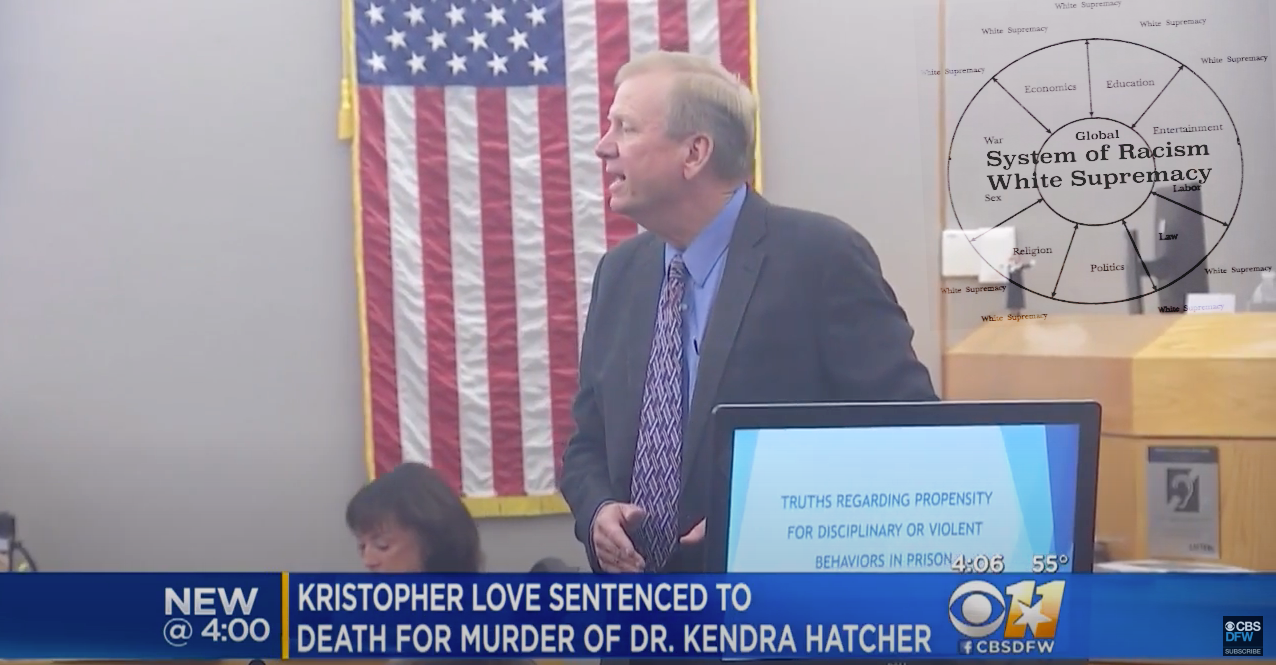
From [DPIC] Five years after the U.S. Supreme Court struck down a Texas death sentence when an expert witness had testified that a Black defendant posed an increased risk of committing future acts of violence because of his race, the Court has refused to review another Texas capital case in which the trial court permitted a juror to serve who expressed the very same view. 

On April 18, 2022, the Court denied a petition for certiorari filed on behalf of Kristopher Love challenging the trial court’s refusal to remove juror Zachary Niesman from his case. During jury selection in Love’s 2018 death penalty trial, Niesman said he believed members of “non-white” races “tend to be more violent than others.” Love is African American. While claiming he did not harbor any personal animus against people of color and that he could be a fair and impartial juror, Niesman asserted, “Statistics show more violent crimes are committed by certain races. I believe in statistics.” 

Texas law requires a capital jury to find that a defendant presents “a continuing threat to society” as a precondition to imposing a death sentence. In February 2017, in Buck v. Davis, Chief Justice John Roberts declared that expert testimony that an individual who is Black has an “’[i]ncreased probability’ of future violence” because of his race injected a deadly “toxin” in the guise of “hard statistical evidence … to guide [the jury’s] otherwise speculative inquiry” into future dangerousness.

“And it was potent evidence,” Roberts wrote, that “appealed to a powerful racial stereotype—that of black men as ‘violence prone.’” The testimony, the Chief Justice continued, “coincided precisely with a particularly noxious strain of racial prejudice, which itself coincided precisely with the central question at sentencing. The effect of this unusual confluence of factors was to provide support for making a decision on life or death on the basis of race.” 

Justice Sonia Sotomayor, joined by Justices Stephen Breyer and Elena Kagan, dissented from the Court’s refusal to hear Love’s case. “Over time, we have endeavored to cleanse our jury system of racial bias,” she wrote. “One of the most important mechanisms for doing so, questioning during voir dire, was properly employed here to identify a potential claim of bias. Safeguards like this, however, are futile if courts do not even consider claims of racial bias that litigants bring forward.”

Love’s trial counsel tried to have Niesman removed for cause based on “his stated beliefs that … non-whites commit more violent crimes than whites.” Counsel argued to the court that “leaving this man on the jury would be an invitation to leaving someone on there that might make a decision … that would ultimately lead to a sentence of death on his preconceived notions and beliefs that have to do with the race of the defendant.” The trial judge denied the request without explanation. Although the defense had already used all of its allotted discretionary strikes, as well as two additional strikes granted by the court, the judge refused to grant an additional discretionary strike and seated Niesman on the jury.

Love appealed his death sentence to the Texas Court of Criminal Appeals, which failed to address the merits of his claim. Instead, the state court said that seating Niesman as a juror was harmless, even if it were inappropriate, because the trial court had given Love two extra jury strikes. 

The Supreme Court’s conservative supermajority refused to hear Love’s petition for review, eliciting a sharp dissent. Quoting Buck, Justice Sotomayor wrote: “Racial bias is ‘odious in all aspects,’ but ‘especially pernicious in the administration of justice.’ When racial bias infects a jury in a capital case, it deprives a defendant of his right to an impartial tribunal in a life-or-death context, and it ‘poisons public confidence in the judicial process.’ The seating of a racially biased juror, therefore, can never be harmless.”

Sotomayor criticized the Texas court’s decision as “plainly erroneous.” “An already-expended peremptory strike,” she wrote, “is no cure for the seating of an allegedly biased juror. The state court thus deprived Love of any meaningful review of his federal constitutional claim.”

Love’s lawyer, John Tatum, told Law & Crime, “Obviously, I agree with the dissent that our legal system needs to cleanse itself of racial bias in jury selection and stop improperly using harmless error rules to block the application of laws we already have to protect the accused citizen from any racial bias in the application of criminal Justice in this country. There are too many Texas criminal cases where the opinions of the U.S. Supreme Court are either ignored or procedurally nullified.”

In an April 18, 2022 commentary in Slate, senior writer Mark Joseph Stern wrote that the Court’s ruling “illustrates how the conservative majority can change the law by doing nothing.” By “refus[ing] to enforce precedents protecting capital defendants from racial bias,” Stern said, the Court “savi[ed] itself the trouble of formally overruling them.”
Since Buck was decided, two of the justices who made up the 6-2 majority in that case — Anthony Kennedy and Ruth Bader Ginsburg — are no longer on the Court and have been replaced by justices appointed by Donald Trump. During the federal execution spree in the final six months of the Trump administration, Stern wrote, “the conservative majority ignored or flouted federal law, often breaking the court’s own rules in the process. They are certain that death row lawyers are using guerrilla tactics to delay executions and are increasingly willing to rewrite law on the fly in a bid to thwart them,” he said.

“What is the easiest way to rewrite the law?,” Stern asked. “Simply stop enforcing it. That’s what the Texas Court of Criminal Appeals did in swatting down Love’s claim, and it’s what SCOTUS did … by blessing the lower court’s defiance of precedent.”

Tennessee Governor Halts Executions [Murders by Government Authorities Scheduled for 2022] to Conduct Review of Execution Protocol ‘Oversight’
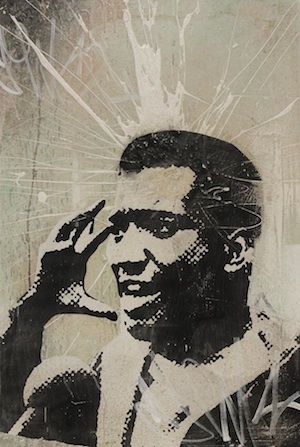
From [DPIC] Tennessee Governor Bill Lee (pictured) has paused all executions scheduled for 2022 and called for an “independent review” of the state’s execution protocol to address a “technical oversight” that led him to halt Oscar Franklin Smith’s execution less than a half-hour before it was to scheduled to be carried out on April 21, 2022.
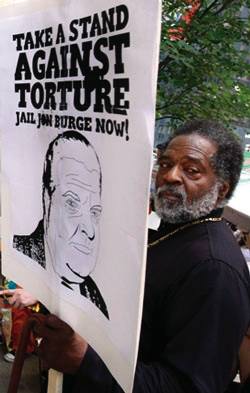
In a news release issued at 5:43 a.m. on Monday, May 2, 2022, Lee announced that the state would retain former U.S. Attorney Ed Stanton to conduct a third-party review of Tennessee’s execution process after corrections officials failed to test execution drugs for bacterial endotoxins before Smith’s execution. Lee said that Tennessee would not go forward this year with the five executions that had been scheduled in the state between June and December 2022.

“I review each death penalty case and believe it is an appropriate punishment for heinous crimes,” Lee said in the release. “However, the death penalty is an extremely serious matter, and I expect the Tennessee Department of Correction to leave no question that procedures are correctly followed.” 

“Governor Lee’s decision to pause executions pending an independent review of Tennessee’s lethal injection protocol shows great leadership,” said Kelley Henry, Chief of the Capital Habeas Unit at the Nashville Federal Public Defender’s Office. “The use of compounded drugs in the context of lethal injection is fraught with risk. The failure to test for endotoxins is a violation of the protocol. Governor Lee did the right thing by stopping executions because of this breach.”

'You Should Raised Have Those Arguments Before but You Didn't, So Now We're Going to Murder You.' Missouri Authorities Execute White Man After Death Sentences Reversed Three Times

From [HERE] A white man whose death sentence for killing a Missouri couple during a robbery more than a quarter of a century ago was put to death Tuesday, becoming the fifth person executed in the United States this year (article available here(link is external)).

Carman Deck, 56, died by injection at the state prison in Bonne Terre. He was pronounced dead at 6:10 p.m.

He was sentenced to death in 1998, but the Missouri Supreme Court tossed the sentence due to errors by Deck’s trial lawyer.

The U.S. Supreme Court threw out his second sentence in 2005, citing the prejudice caused by Deck being shackled in front of the sentencing jury.

He was sentenced to death for a third time in 2008. Nine years later, a federal district court determined that “substantial” evidence arguing against the death penalty in Deck’s first two penalty phases was unavailable for the third because witnesses had died, couldn’t be found or declined to cooperate.

In October 2020, a three-judge panel of the Eighth U.S. Circuit Court of Appeals restored the death penalty, ruling that Deck should have raised his concern first in state court, not federal court. Appeals of that ruling were unsuccessful.

The clemency petition on behalf of Deck cited abuse he suffered as a child, including beatings that left welts and sexual abuse. It said he and his siblings often were left alone without food.

The number of executions in the U.S. has declined significantly since peaking at 98 in 1998. The drop has coincided with declining support, falling from a high of 80% in 1994 to 54% in 2021 according to Gallup polls. Since the mid-1990s, opposition has risen from under 20% to around 45%.

Four other people have been executed in the U.S. in 2022 — Donald Anthony Grant and Gilbert Ray Postelle in Oklahoma, Matthew Reeves in Alabama and Carl Wayne Buntion last month in Texas. Eleven people were executed in the U.S. last year, the fewest since 1988.

FBI reports 3.4M warrantless US data searches in 2021

From [HERE] The Federal Bureau of Investigation (FBI) Annual Statistical Transparency Report released Friday reported the FBI, the domestic intelligence and security service of the US, made nearly 3.4 million warrantless US data searches in 2021.

This is the ninth FBI transparency report released pursuant to the Foreign Intelligence Surveillance Act (FISA) but “goes beyond” FISA requirements. It presents statistics on “how often the government uses certain national security authorities.”

As per the Report, over 200,000 non-US persons were targeted in FBI data searches under Section 702 in 2021. Section 702 authorizes the targeting of (i) non-US persons (ii) reasonably believed to be located outside the US (iii) to acquire foreign intelligence information. To ensure that all three requirements are appropriately met for each target, Section 702 requires targeting procedures to be applied to each individual targeting decision. Bulk collection of data is not permitted.

The data search capability of the FBI means that a single query “might include hundreds or thousands of query terms.” Another key statistic in the Report was that nearly 1.9 million query terms related to potential victims, including US persons. These accounted for the vast majority of the increase in US person queries conducted by the FBI over the prior year.

Sergeant Charged with Beating Three Men in Alabama Prison

From [EJI] The Justice Department announced on April 22 that a federal grand jury returned an indictment charging former Alabama Department of Corrections Sergeant Lorenzo Mills with assaulting three men incarcerated at Draper Correctional Facility near Elmore, Alabama. Mr. Mills was also charged with obstruction of justice for submitting a false statement about the incident.

On October 25, 2020, the indictment alleges that Correctional Officer Xavier Carroll brought three incarcerated men to an area outside the Draper shift office where Sgt. Mills violently assaulted the men by beating them with a baton. At least one of the victims suffered broken bones. Federal prosecutors say the men were not given medical attention until two days later because prison staff failed to report the assault when it happened.

The three victims had recently entered the Department of Corrections and were being held at Draper pursuant to a 14-day Covid-19 quarantine protocol. Two had less than one year to serve.

When the assault was finally reported on October 27, the indictment alleges, Sgt. Mills submitted a false written statement in which he wrote that he had not used any force against the three victims. 

The Justice Department filed a lawsuit against Alabama in 2020 alleging that excessive force against incarcerated people by correctional officers, including beating with batons, is widespread in the Alabama prison system and often results in serious injuries and  deaths. Federal prosecutors alleged that prison staff frequently minimize or omit descriptions of injuries in incident reports, which contributes to incarcerated people’s unreasonable risk of serious harm.

Mr. Mills is one of 11 correctional officers, including a lieutenant and three sergeants, who have been criminally charged with abusing incarcerated people at the Elmore/Staton/Draper correctional complex since 2017, when officer Jeremy Singleton beat Billy Smith to death outside the shift office at Elmore Correctional Facility. He was later charged with manslaughter. 

The Greatest Wealth Transfer Program in the US for Whites [white supremacy is the ultimate affirmative action]

From [HERE] From 1862 to 1986, the United States government ran a homestead program that gave 2,992,058 white settlers and European immigrants (both documented and undocumented) a minimum of 160 acres of land from the Mississippi River to the West coast of America, including the Alaskan territory. Authorized by the Homestead Act of 1862, this land giveaway program ended for all participating states in 1976 and ended for land awards in Alaska in 1986.

White recipients in the land giveaway program were recruited through a widespread, government-sponsored advertising campaign in newspapers in America and Europe. The land was awarded to applicants who promised to live on it and develop the land for five years. Title to the property vested at the end of this five-year period.

Claimants paid total filing fees of $18 and $1.25 per acre after six-months of residency. These below-market land acquisition rates essentially made the land a free gift to the recipients.

Congress passed additional laws in 1873 that allowed the government to award larger tracts of land to these white settlers and immigrants.

A lot of the land grants included property that had timber rights, mineral rights, and oil and gas reserves, all of which the government eventually released to the land owners through various legislative enactments.

In all, more than 270 million acres of valuable land -- about ten percent of the land area of the United States -- was given to white settlers and immigrants.

The Homestead Act of 1862 was a 124-year-long, government-sponsored, wealth transfer program for a particular class of people -- white settlers and immigrants. It was the longest running, race-based, affirmative action program in United States history. Ironically, some of the descendants of the beneficiaries of this affirmative action program for whites were the first ones to claim their status as the "victims" of "reverse discrimination" in the 1970s and 80s.

An estimated $10 trillion dollars (when measured in today's present value) was transferred to white homesteaders, essentially for free. This land giveaway program made thousands of millionaires in the agriculture, timber, mining of natural resources, and oil and gas industries.

In addition to the gift of free public land to these white program recipients, the government-built land grant colleges to teach these settlers how to farm. It provided them with county agents to further their expertise in farming and the commercialization of natural resources running with the land. It also gave them low-interest loans so that they could mechanize their farms. Then, it provided them billions of dollars in federal subsidies not to farm certain crops.

From the outset, blacks were not allowed to participate in the 1862 Homestead Act land giveaway program. The United States Supreme Court had already decided, on a 7-2 vote, in the 1857 Dred Scott case that blacks -- freed or slaves -- had no rights that white men were bound to respect. This holding included the right to own property.

The Unfulfilled Promise of 40 Acres for Freed Slaves

Union Army General William T. Sherman's Special Field Order No. 15, issued on January 16, 1865, set aside land for freed black slaves. With this Order, 400,000 acres of land described as "a strip of coastline stretching from Charleston, South Carolina, to the St. John's River in Florida, including Georgia's Sea Islands and the mainland thirty miles in from the coast" was to be reallocated to emancipated slaves in the South. Each slave family was entitled to 40 acres of land in this strip.

Abraham Lincoln's successor, President Andrew Johnson, a Southern and sympathizer with the Confederate states, vetoed Order No. 15 in the Fall of 1865. With his veto, the land was returned to the very planters who declared war on the United States of America.

As a result, black slaves were never awarded the public lands that were promised to them by the United States Government. Instead, former slaves, for the most part, became sharecroppers on the lands they used to work as slaves. [MORE]

‘Starbucks-Quick’ Justice for White Lives: A Philli Cop Murdered a White Child on March 1st, Video was Released March 6th, Cop was Identified and Fired on March 8th and Charged w/Murder Today

NO NEED FOR WHITES TO BEG, DANCE OR SING FOR JUSTICE IN A WHITE OVER BLACK SYSTEM b/c IT’S RARE THAT NON-WHITE COPS GET AWAY WITH MURDERING WHITE PEOPLE.

From [HERE] A Latino Philadelphia police officer who was fired after he fatally shot a 12-year-old boy in the back in March has been charged with murder in connection with the shooting, the authorities said Monday.

Larry Krasner, the Philadelphia district attorney, said at a news conference on Monday that the officer, Edsaul Mendoza, was arrested on Sunday and had been charged with first-degree murder, third-degree murder, voluntary manslaughter and possession of an instrument of crime. He was being held without bail, Mr. Krasner said.

The boy, Thomas Siderio, was fatally shot on March 1 in the city’s Girard Estates neighborhood, according to the Philadelphia District Attorney’s Office.

At a news conference in March, Danielle Outlaw, the Philadelphia police commissioner, said that four plainclothes officers were completing an investigation in South Philadelphia on March 1 when they saw two youths.

On March 8th the Philadelphia inquirer identified the officer involved as Edsaul Mendoza (apparently journalists discovered his name after they actually did their own independent investigation into the incident. That is, they didn’t simply parrot and rely on police narratives - because a white child was involved. The police and the media have also had no problems or delay with posting the [former] officer’s photograph.)

One week after the incident the cop he was promptly fired apparently without a whole lot of fuss from the Philadelphia police Union, which is usually rigorous with its defense of cops, at least when they murder non-white people.

Mr. Krasner said on Monday that the four officers were surveilling the neighborhood from inside an unmarked police vehicle. They were not looking for Thomas when they saw him and a 17-year-old boy whom the authorities identified only as M.K.

The unmarked police vehicle slowed down and circled the block, Mr. Krasner said, and when it returned, Thomas fired a shot at the car just as its emergency lights turned on.

Brian Collins, an assistant district attorney, said at the news conference that there were “diverging accounts” among the four officers about why they had pulled up next to the boys. Two officers testified that they stopped them as part of a stolen firearm investigation. The other two said that, in addition to the investigation, they also made “a traffic violation stop” because the boys were riding bicycles the wrong way in the street, Mr. Collins said.

Mr. Collins said a grand jury noted a Philadelphia police directive that says plainclothes police officers are not supposed to make routine traffic stops.

After the shot was fired, three of the officers took cover, and Mr. Mendoza “began what can be fairly called a tactically unsound foot chase” of Thomas, Mr. Krasner said. As the chase began, another officer fired one shot “at no target in particular,” and Mr. Mendoza fired three shots at Thomas, Mr. Krasner said.

Thomas was unarmed when the last two shots were fired, having discarded the gun about 40 feet away, Mr. Krasner said. Immediately after he fired the final shot at Thomas, who by that time was on the ground, Mr. Mendoza told a fellow officer that the boy had tossed the gun and pointed to its location, Mr. Krasner said.

“When Officer Mendoza fired the third and fatal shot, he knew the 12-year-old, five-foot-tall, 111-pound Thomas Siderio no longer had a gun and no ability to harm him,” Mr. Krasner said. “But he fired a shot through his back nonetheless that killed him.”

Thomas was later pronounced dead at a hospital, the authorities said.

When Mr. Mendoza fired the third shot, Mr. Krasner said, he was about half a car length away from Thomas and “would have had the opportunity” to clearly see him.

After the shooting, Mr. Krasner said, Mr. Mendoza gave an “untruthful statement” about his position when he fired the final two shots.

“When people make untruthful statements about what happened that are crucial to understanding the death of another person, in the law, that can be interpreted to indicate guilty knowledge, a sense that you need to cover something up because you know that what you did is illegal,” Mr. Krasner said.

Conor Corcoran, a lawyer representing Thomas’s father, whose name is also Thomas Siderio, said that he believed there was not “conclusive evidence” that the boy had fired a gun.

“Until all that information comes to light, I still think it’s very premature and reckless to speculate that my boy even fired a gun to begin with, but we’ll see,” Mr. Corcoran said, referring to Thomas.

In a statement on Monday, John McNesby, president of Lodge No. 5 of the Fraternal Order of Police, said that Mr. Mendoza, “like every other citizen, is entitled to due process, and we are confident that our judicial system will protect this officer’s constitutional right to a fair trial.”

Because the shooting was still being investigated, Mr. Corcoran said it was too soon to speculate on what damages the family would seek. But he said that “for sure, the Philadelphia Police Department is unfortunately going to have to pay for the death of this child.”

There is footage of the shooting that has not been publicly released that Mr. Krasner described as “very, very disturbing and very difficult to watch.”

Mr. Krasner said investigators were looking into other possible factors that had yet to be confirmed, including “indications” that Mr. Mendoza had told Thomas to drop the gun before the boy did so and to “get down” after he dropped the weapon.

The investigation is unfolding at a time when police departments across the country have come under increased scrutiny over accusations of misconduct. In Philadelphia, protesters took to the streets in October 2020 after two police officers fatally shot Walter Wallace Jr., a 27-year-old Black man who was armed with a knife. The city later agreed to pay $2.5 million to settle a wrongful-death lawsuit filed by Mr. Wallace’s family, The Philadelphia Inquirer reported.

CDC finds majority of Americans have natural immunity against COVID

From [HERE] A new CDC study shows that the record number of infections during the Omicron wave gave many Americans infection-induced immunity. Between December 2021 and February 2022, the estimated percentage of the U.S. population with infection-induced antibodies increased from 34% to 58% across all age groups. The largest increases were in children and adolescents (see figure below).

Here are the details from the CDC report:

During December 2021–February 2022, overall U.S. seroprevalence increased from 33.5% (95% CI = 33.1–34.0) to 57.7% (95% CI = 57.1–58.3). 

Over the same period, seroprevalence increased from 44.2% (95% CI = 42.8–45.8) to 75.2% (95% CI = 73.6–76.8) among children aged 0–11 years and from 45.6% (95% CI = 44.4–46.9) to 74.2% (95% CI = 72.8–75.5) among persons aged 12–17 years. [Note the very high levels reached for children.]

Seroprevalence increased from 36.5% (95% CI = 35.7–37.4) to 63.7% (95% CI = 62.5–64.8) among adults aged 18–49 years, 28.8% (95% CI = 27.9–29.8) to 49.8% (95% CI = 48.5–51.3) among those aged 50–64 years, and from 19.1% (95% CI = 18.4–19.8) to 33.2% (95% CI = 32.2–34.3) among those aged ≥65 years.

Look at the figure below to more clearly see how the natural immunity increased for different age groups. [MORE]