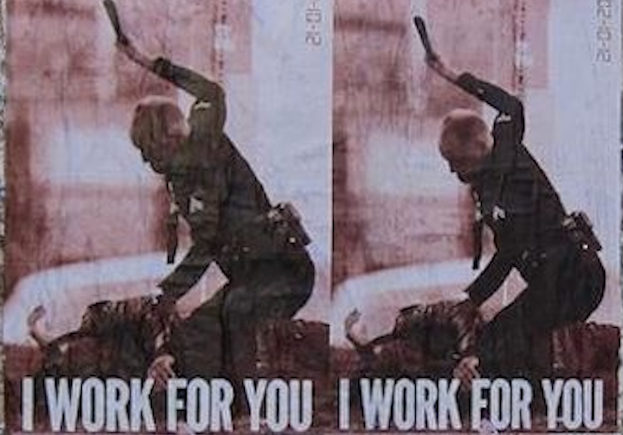
White Federal Judge Signs Gag Order in Ronald Greene Lawsuit, Further Enabling the White Conspiracy to Cover-Up White Louisiana Cops Brutal Murder of Black Man

White Louisiana state police state trooper Dakota DeMoss' body-worn camera, shows trooper Kory York grabbing the leg shackles and dragging Ronald Greene on his stomach on May 10, 2019, outside of Monroe, La. The video obtained by The Associated Press shows Louisiana state troopers stunning, punching and dragging the Black man as he apologizes for leading them on a high-speed chase, footage authorities refused to release in the two years since Greene died in police custody. [MORE]

White Louisiana state police state trooper Dakota DeMoss' body-worn camera, shows trooper Kory York grabbing the leg shackles and dragging Ronald Greene on his stomach on May 10, 2019, outside of Monroe, La. The video obtained by The Associated Press shows Louisiana state troopers stunning, punching and dragging the Black man as he apologizes for leading them on a high-speed chase, footage authorities refused to release in the two years since Greene died in police custody. [MORE]

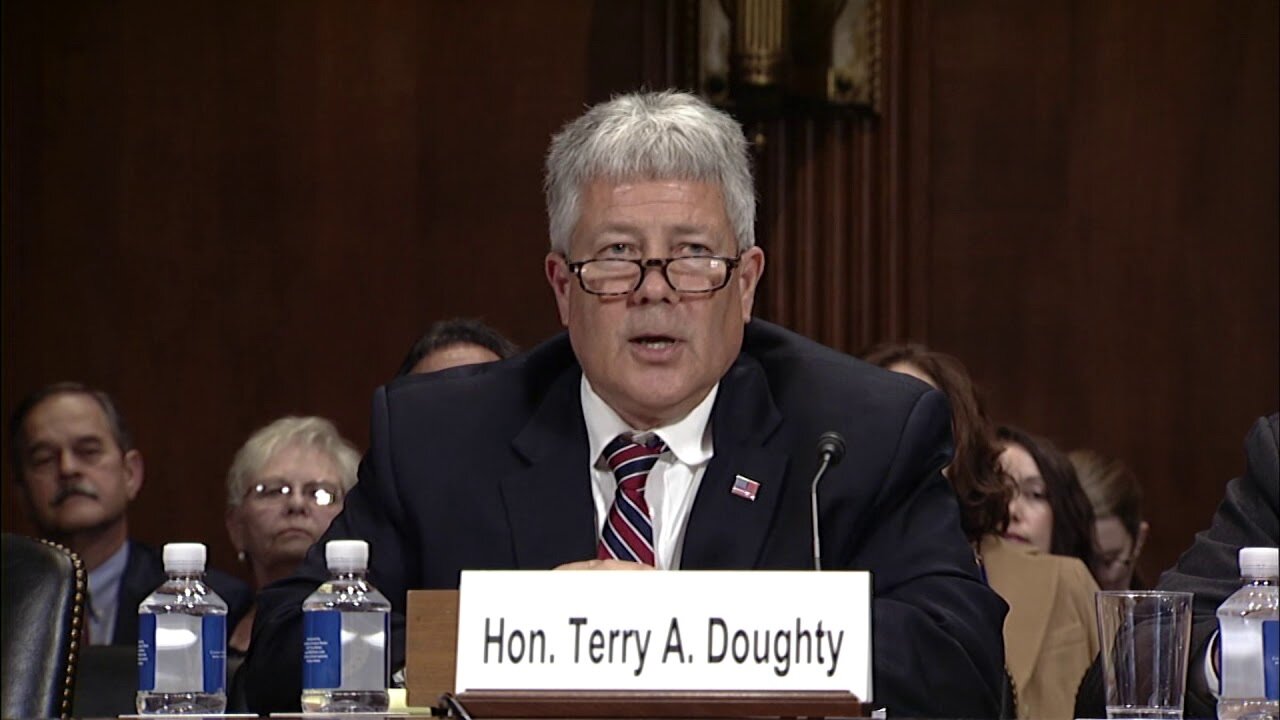
From [HERE] Federal judge Terry Doughty has signed an order banning anyone involved in the wrongful death lawsuit tied to the deadly arrest of Ronald Greene from publicly discussing the case.

The gag order was signed Friday at the request of the attorney of a now-deceased trooper who was involved in the violent arrest. 

"The false narrative surrounding this case has also been fostered by leaks of selective, one-sided, and misleading information by someone with access to investigative material," Attorney Scott Wolleson said in court documents obtained by the Investigative Unit last month.

The lawsuit names several state troopers who were involved in the 2019 pursuit and subsequent arrest of Greene, who later died in police custody. Body camera video that was withheld by State Police for over two years showed troopers beating, stunning and dragging Greene face first after they pulled him from his vehicle.

doughty judge.jpg

Lawsuit says a Black Teen was Not Holding a Gun but Using His Hands to Hold Open a Church Door to Protect a Black Woman and Child From a Shooting When a NC Cop Fatally Shot Him in the Back 4X

Crump Fred Cox.jpg

From [HERE] The family of Fred Cox, an 18-year-old Black man fatally shot by a sheriff's deputy at a funeral in North Carolina last November, filed a wrongful death lawsuit alleging he was trying to protect a mother and her son from a drive-by shooting at the time.

"Fred is dead for being a hero while Black," Ben Crump, the civil rights attorney representing Cox's family, said at a press conference on Wednesday.

The federal lawsuit filed against the Davidson County Sheriff's Office and Deputy Michael Shane Hill seeks damages on six counts, including the use of excessive force, wrongful death, battery, and negligence, and the violation of Cox's Fourth and 14th Amendments.

The complaint said that Hill used "unreasonable and deadly force" on Cox while he was "saving the lives of a mother and her young son."

On Nov. 8, 2020, Cox was at the Living Water Baptist Church in High Point attending the memorial service of Jonas Thompson, who had recently been killed. Hill, a plainclothes sheriff's deputy investigating Thompson's murder, was also at the funeral at the request of the victim's family.

A crowd was leaving the funeral service when shots rang out from a drive-by shooting outside the church. Cox was sitting in his car in the parking lot on the other side of the building. During the ensuing chaos, he left his car to run into the church and held the door open for a mother and her 12-year-old child, who were searching for cover, the lawsuit states.

While Cox held the door, Hill shot him multiple times from behind, killing him at the scene. He was the only person who died during the incident.

The North Carolina State Bureau of Investigation, which investigated the shooting, initially said that Hill had reported seeing Cox with a handgun at the time he shot him and that other witnesses had observed a handgun near him after he was shot.

However, Cox's family and their attorneys have disputed that claim, saying he was unarmed. An autopsy would show Cox didn't fire a weapon, but he'd been shot four times.

A lawyer for the mother and the child who took cover inside the church said Wednesday that Cox could not have been holding a gun as he was using one hand to open the church door and his other to usher them inside during the shooting.

Crump said that Hill continued to shoot at all three of them and that the 12-year-old boy's hand was grazed by a bullet.

"Fred Cox saved the mother and son’s lives before he fell, making sure they were safe inside the church before he tried to enter," the complaint states.

Authorities also said there was no evidence Cox was in a gang or that he had discharged a weapon. But Hill will not face any criminal charges; a Guilford County grand jury decided not to indict him in June.

Attorneys for the Cox family said they believe Hill continues to be employed by the sheriff's office and has faced no disciplinary actions for the shooting.

The sheriff's office did not respond to requests for comment.

"I can't say enough times that Fred should not be dead," Cox's mother, Tenicka Shannon, said at the news conference.

"Our family is still in deep grief," Shannon added while breaking down. "Our sadness is compounded with sheer confusion about how this tragedy possibly could have happened."

Shannon said that her only child was a well-mannered man who "would give you the clothes off his back."

"For so long, we have seen marginalized people stopped and injured by police for driving while Black, riding a bicycle while Black, or walking down the street while Black," Crump said in a statement. "But this young man was shot in the back by an officer while trying to save lives in a very dangerous situation."

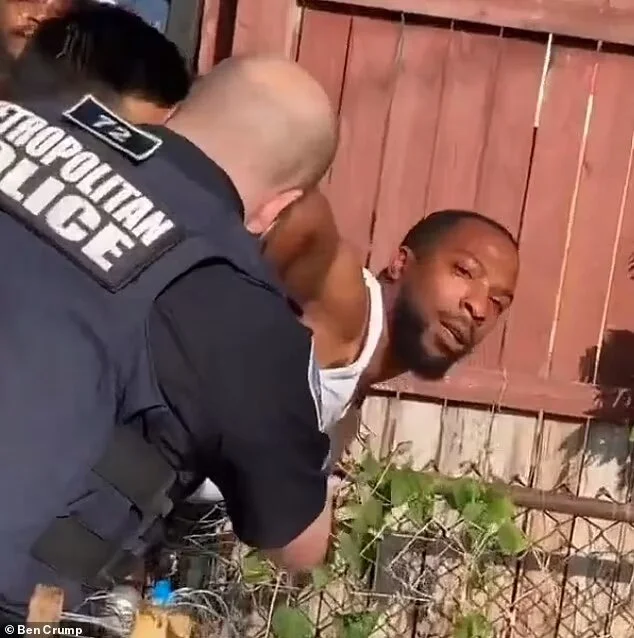
Video Shows White DC Cop Punching Black Man 12X while Restrained. Cops Justify Search/Seizure by Claiming to "See a Drug Transaction" but Provide No Factual Support for said Claim. No Charges Filed

From [HERE] The 23-year-old Black man punched by a white D.C. cop as police arrested him Sunday in Southeast Washington was left with a broken nose, multiple fractures in his face and possible neurological damage, according to his family members and attorneys. [MORE]

During a Friday news conference in front of D.C. police headquarters, the relatives and attorneys pushed back on police suspicions that Kiiman Johnson may have been involved in a drug deal and said he did not deserve the violent response from officers.

D.C. Police Chief Robert J. Contee III has denounced the way officers handled the arrest, which was captured on video. He also said Johnson carried a .45-caliber handgun when he was arrested, but the arrest was “not the way we train our members to get illegal firearms off the streets.”

The charges against Johnson were dropped, the family’s attorneys stressed. They deflected questions about whether Johnson had a gun and said the focus should be on accountability for the officers involved. They called for those officers to be fired and prosecuted.

“My brother is not a criminal. He’s not a drug dealer,” said Kimani Johnson, Kiman Johnson’s twin sister. “He’s looking for a career. He has something in his brain, and he’s trying to accomplish it.”

Attorneys said Kiman Johnson spent Thursday night in the hospital and did not attend the Friday news conference because he did not feel well.

Relatives described Kiman Johnson as a kind, quiet person who studied accounting at Savannah State University to create more opportunities for himself and his loved ones. He cut his dreadlocks before college, relatives said, because he wanted to break out of stereotypes imposed upon Black men.

The police encounter occurred Sunday after officers in the 7th District reported seeing a suspected drug transaction in the 1500 block of U Street SE. When officers patted downJohnson, they reported feeling what appeared to be a firearm under his clothes, police said. But what about that drug deal Washington Post? Maybe that’s why the case was no papered by prosecutors. How exactly did cops “see a drug transaction?” At the time of the arrest what was he under arrest for? One guess is that the Black man’s so-called 4th Amendment rights were violated by an unlawful seizure and search so their case was no papered by the government.

dc cops beating .jpg

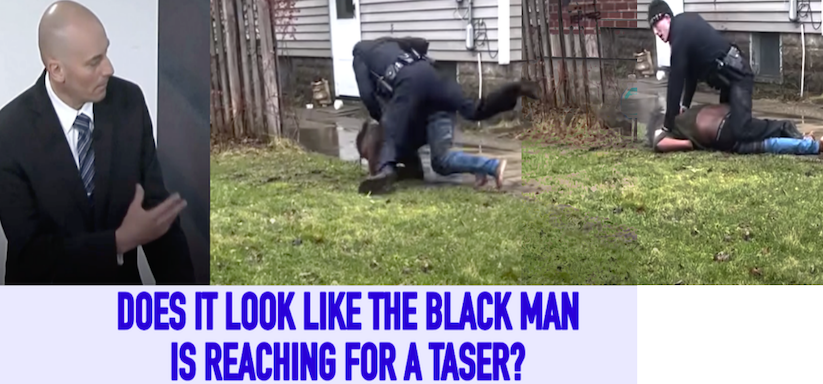
The video shows three officers with Johnson backed up against a fence. He appears to be struggling as one officer punches him several times in the face, and then shifts to another position and punches him again. A second officer also throws at least one punch.

D.C. police had charged Johnson with several crimes, including possessing an unregistered handgun and assault on a police officer while armed. Prosecutors, however, did not pursue those charges, and Johnson was released Monday afternoon following a brief hearing in D.C. Superior Court. The U.S. attorney’s office did not explain their decision.

Contee suspended the three officers and referred them to the prosecutors’ office for possible criminal prosecution. A spokesman for that office has not commented on the investigation. Police have not released the officers’ names.

Mayor Muriel E. Bowser (D) said this week she wished Johnson had been charged, but also noted she understood prosecutors may have backed off the case because of the arresting officer’s conduct.

The union representing D.C. police officers defended the officers’ tactics, saying Johnson was resisting arrest and could have been trying to reach a firearm.

Johnson’s relatives described feeling distraught over seeing the video of him restrained and punched by officers and hearing speculation about his character. Angela Johnson, a cousin, said Kiman Johnson told her he has experienced short-term memory loss since the arrest. Lawyers said he has undergone MRIs and will be seeing a neurologist.

Mayor Muriel E. Bowser (D), a Black Strawboss and proxymoron said this week she wished Johnson had been charged, but also noted she understood prosecutors may have backed off the case because of the arresting officer’s conduct.

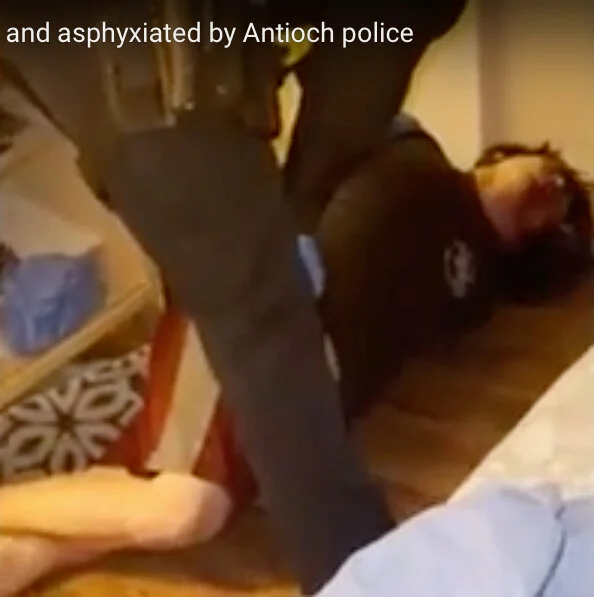
Suit says When Antioch Police Arrived for a Mental Health Check They Pulled a Filipino Man Away From His Mom who was Hugging Him. Then Cops Put a Knee on His Neck, Restrained his Legs and Murdered Him

antioch cops murder.jpg

From [HERE] and [HERE] A veteran Navy family member who died after police officers pressed their knees around their necks for nearly five minutes during a mental health crisis filed a federal proceeding against police in Antiochia. Chief and four police officers.

The proceedings filed by Angelo Quinto’s mother and sister sought unspecified monetary damages, alleging that Antioch police officers used excessive force in detaining him. It nominates the city, Antioch Police Chief Tamany Brooks and officers James Parkinson, Arturo Besera, Daniel Hopwood and Nicholas Sipirov.

On December 23, 2020, police were called to the Quinto family's home when Angelo was going through a mental health episode. According to the complaint, one police officer pressed a knee on the 30-year-old's neck for almost five minutes, while another restrained his legs. Angelo was reportedly unresponsive when he was taken away by paramedics. He died three days later.

Antioch chief Tamany Brooks denied the family’s allegations.

“At any given time, officers who used their knees or other body parts to gain or apply pressure on Angelo’s head, neck, or throat, which is outside the scope of our policies and training. No, “Brooks said.

According to the legal team of the Quinto family, based on their independent autopsy, there were no drugs in his system. They also slammed Antioch Police Chief Tammany Brooks who had previously defended his officers' actions, saying none of them applied any pressure to Angelo’s body. Burris claimed, "There was an attempt to shame the victim. This is a young man who was dead and it happened in front of his mother and sister and yet the effort was to shame him to suggest he caused his own demise. That to me was outrageous and despicable because the facts are pretty clear: there was a mental case and it should have been treated as such."

According to the proceedings, Quint’s mother, Cassandra Quint Collins, was hugging her son, and he was calm when police arrived at Antioch’s home 45 miles (70 kilometers) east of San Francisco.

Officers Parkinson and Bethera pulled Quint away from his mother’s arm and pleaded in the prone position, “Please, don’t kill!” At least twice. They then handcuffed his hands behind his back, crossed his legs behind him, and he bent them towards his back, screaming in pain, the complaint alleges. is doing.

The policemen then took turns putting their feet behind Quint’s neck. According to the complaint, a few minutes later, Hopwood and Sipirov arrived at Quint’s house and helped detain him even if he wasn’t fighting them.

Approximately five minutes after the prone restraint, Quint appeared to be completely unresponsive, the complaint said.

“It’s very similar to George Floyd and I hate using it as an analogy, but the truth of the matter was a lack of understanding of what was happening,” said a family lawyer. One John Burris said.

Black Floyd died on May 25, 2020 in Minneapolis after police officers kept pushing his knees around Floyd’s neck while being handcuffed and unable to breathe.

In a video recorded by Quinto-Collins, his son, who has a bloody face and cuffs on his hands behind his back, is lethargic. She said she started recording when she saw her son’s eyes caught in his head.

Antioch police officers were equipped with the cameras they wore last month and were planning to install them on patrols shortly.

Not only did police officers use excessive force, but they could not lift the escalation by talking to Quint, who was not initially combative, Barris said.

“My office has been involved in many mental health cases over the years. In those cases … a little reassessment, a little deescalation, rethinking where you were and who was involved. So I could have saved a person’s life, “he said. ..

According to his family, Quint, born in the Philippines, was honorably discharged from the Navy in 2019 due to food allergies.

Other news:Brain-eating amoeba kills a boy in Tehama County

He was depressed for most of his life, but he didn’t remember what happened after the apparent assault in early 2020, and his actions when he woke up in the hospital with seams and serious injuries. Has changed. Later, he began to have episodes of paranoia and anxiety, his family said.

Family sues Antioch for death in detention of Angelo Quint – CBS San Francisco

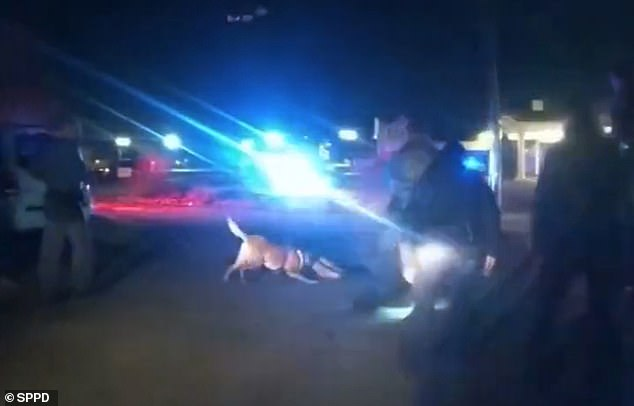
Lawsuit says White Spokane Cops Used a Neck restraint, punched and unleashed a K-9 on a Defenseless Black Man While he was lying on the ground in a nonthreatening position and complying w/orders

doggy portrait.jpg

From [HERE] A Spokane County man who was arrested on suspicion of vehicle theft in 2019 is suing the county, alleging law enforcement used excessive force when arresting him.

Todd Lee Johnson, a Spokane County resident, alleges Spokane County Sheriff’s Office deputies used a neck restraint, punched him and unleashed a K-9 on him while he was lying on the ground in a nonthreatening position and complying with their orders.

Johnson was stopped by deputies after a vehicle pursuit on June 5, 2019.

According to court records, Johnson was in a stolen landscaping truck when a deputy flashed his emergency lights for him to pull over.

Johnson then tried to flee by speeding through stop signs and stoplights in a residential neighborhood. Deputies were eventually able to stop Johnson, according to court records.

The lawsuit states that Jose M. Carrillo, a Spokane County deputy, ordered Johnson to get out of the vehicle after the chase.

Johnson informed deputies that it would take extra time for him to comply because of a right shoulder disability, but he was eventually able to get out of the vehicle and lie on the ground on his stomach as directed by deputies, according to the lawsuit.

While Johnson was lying on the ground with limited range of motion in his right shoulder, the lawsuit alleges deputies used unnecessary force despite Johnson being in a nonthreatening position.

According to Mark Harris, Johnson’s attorney, a deputy punched Johnson in the neck area and then allowed a K-9 to bite him while he was down. The lawsuit also alleges Carrillo held his knee on Johnson’s back while he was on the ground.

The deputies’ conduct resulted in injuries to Johnson, according to the lawsuit.

Harris acknowledged that Johnson was acting dangerously when he fled, but he said that didn’t justify the alleged actions by deputies during the arrest.

“He was complying with officers,” Harris said. “The use of force was not justified.”

Harris said video evidence taken by a bystander shows some of the alleged actions taken by deputies.

Spokane County deputies Carrillo, Thomas Walton, Tyler Kullman and Griffin Criswell are accused in the lawsuit of using unreasonable and using excessive force on Johnson. The lawsuit seeks damages for the deputies’ conduct.

Johnson was eventually charged with attempting to elude law enforcement and vehicle theft. The lawsuit notes that Johnson was not charged with resisting arrest.

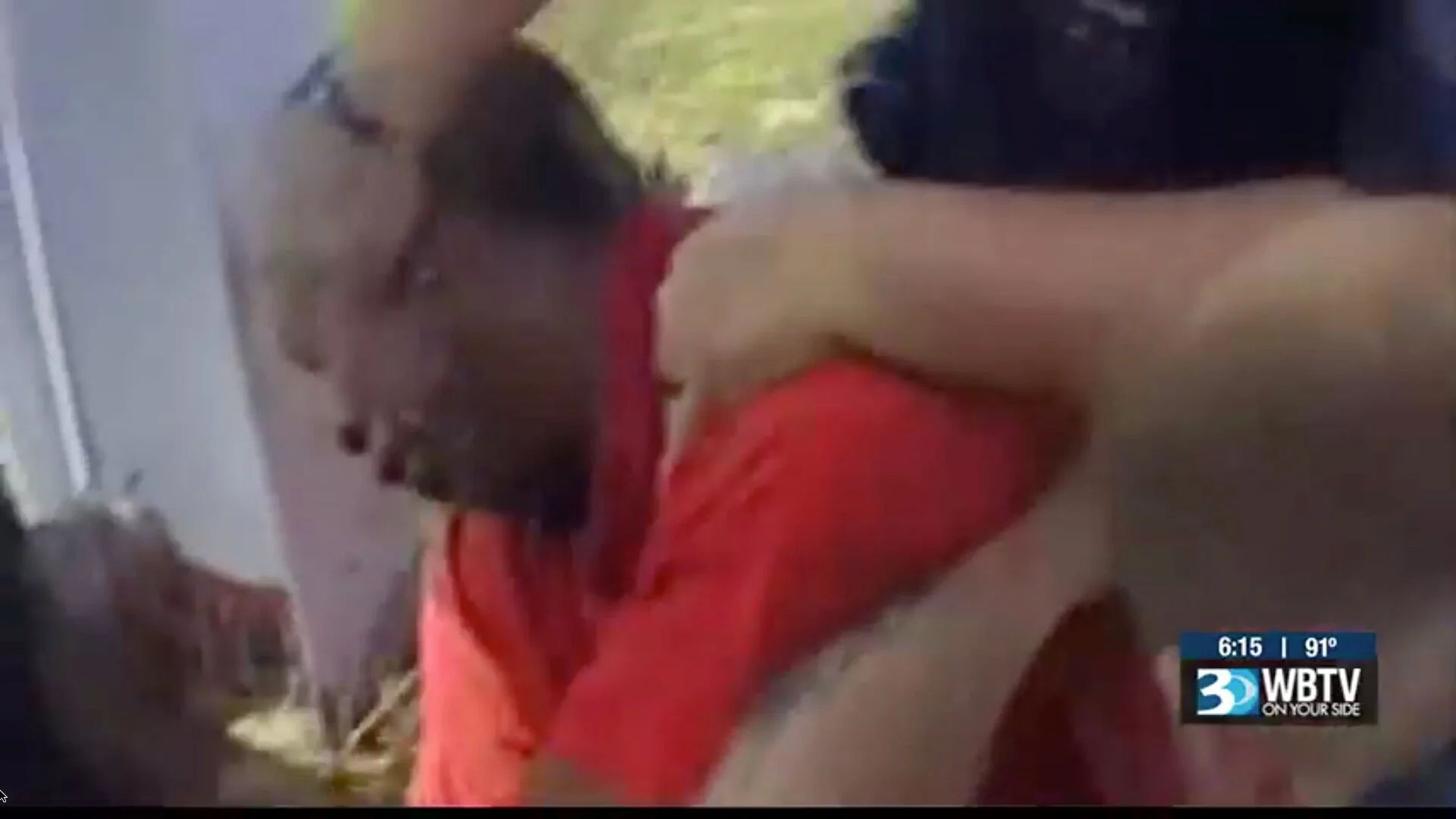
Cops Said Tivon Eiland Resisted Arrest and Video Didn't Exist but 7 Videos Show White Shelby Cops Tasing, Strangling and Punching Black Man in the Face while Ordering Him to Put Hands Behind His Back

shelby police kill black people.jpg

From [HERE] What started as a police call for a man exposing himself at a gas station in May ended with a half-dozen officers violently putting an unarmed, mentally-ill man in handcuffs.

Tivon Eiland was arrested by Shelby police officers in the parking lot of a Domino’s along Highway 74 in Shelby after he ran several blocks from the gas station.

A WBTV reporter went to court to get a judge’s order for release of the video after Eiland’s family called the station with concerns.

The video, including one clip police first claimed didn’t exist, shows officers punching Eiland repeatedly in the head with closed fists.

But, the video shows, the sergeant on scene decided to use violence before ever stepping out of his vehicle.

Sergeant Chris Truett was first to try and stop Eiland, in the parking lot of the gas station where a man matching Eiland’s description had been reported to be exposing himself and attempting to grope women.

But as Truett called out to Eiland, he took off. Truett and another officer caught up with him, body cam video shows, after turning around and calling for backup.

As Truett went down the road, in between radioing his location and calling for backup, he shouted multiple times that he was going to “tase his ass,” referring to Eiland. He also referred to the suspect by other expletives.

The video shows that as Truett caught up with Eiland, he got out of his car with his taser in hand and, at one point, fired his taser at Eiland as the pair ran around the back of the Domino’s.

Eventually, other officers drive up and corner Eiland, which is when one officer jumps on top of him and takes him to the ground.

Almost immediately, the video shows, an officer begins punching Eiland in the head. Even as other officers arrive and join in the effort to take Eiland into custody, officers are see putting their arms around Eiland’s neck and continuing to punch him. They also drive-stun him with the taser.

Smith said the officers would need justification to use force on Eiland; justification he did not see in the body cam video.

And even if they had been justified to use force, Smith said, punching him in the face was not an appropriate way to get a suspect to put their hands behind their back.

“I’m not aware of any case I’ve had hold that any sort of tactic that requires you to punch them in the face,” Smith said.

“Common sense would tell you that doesn’t make a whole lot of sense,” he continued. “Because if you’re asking somebody to put their hands behind your back, again, if you’re repeatedly punching them in the face, their natural inclination is going to be to use their arms to defend against that.”

Shelby Police Chief Jeff Ledford refused to answer questions for this story but issued a statement defending the officers’ actions.

“The released footage depicts the suspect’s resistance, officers use of force to obtain compliance,” Ledford said.

None of the officers involved in Eiland’s arrest were disciplined, according to personnel records provided by the city.

Shelby PD claims video doesn’t exist

The video from Truett is the clearest picture of officers’ actions during Eiland’s arrest. As the sergeant, Truett stood in front of Eiland and the officers, giving a clear picture of what happened.

It also shows the minute leading up to officers’ encounter with Eiland after the call from the gas station.

Despite that, the Shelby Police Department claimed video from Truett’s camera did not exist.

After a judge ordered the police department to release all video, a lawyer for the department sent a link to seven sets of videos.

A reporter noticed Truett standing off to the side and clearly wearing a body camera in the video of two other officers’ body cameras.

But when the reported inquired about where Truett’s video was, the department’s lawyer said it didn’t exist.

“No additional recordings exist,” Andrea Leslie-Fite said in an email.

“In an abundance of caution, staff checked again to determine if the sergeant’s video was captured, and it was not,” the email said.

Hours after sending that email, after additional questioning from WBTV, Fite sent an email with a link to the video from Truett’s camera.

“The sergeant’s body camera recorded; however the other recordings were categorized differently which allowed the system to retain or capture it for production,” Fite said.

“Fortunately, staff located a hard copy of the sergeant’s body cam footage this afternoon which has been shared by separate link,” she continued. “To be clear, I had not seen this video prior to court and staff initially thought it was not captured.”

White La Mesa Cop Claimed a Black Man Illegally Smoked, Failed to Pay Trolley Fee and Assaulted Him but Trial Evidence Shows He Didn't Smoke, Wasn't in Area Where Fare is Required and Didn't Touch Cop

la mesa cops.jpg
la mesa cops fuckem.jpg

From [HERE] A former La Mesa police officer who was involved in the controversial arrest of a man outside a trolley station last year, then was fired when investigators said he lied on a police report stemming from that arrest, appeared in an East County courtroom Tuesday.

Matthew Dages was in El Cajon Superior Court for the first day of a preliminary hearing, during which prosecutors presented witnesses to support the contention that Dages filed a false report — a felony. He has pleaded not guilty.

On Tuesday, several witnesses — most of them police officers — testified about the incident on May 27, 2020, when Dages approached Amaurie Johnson near the Grossmont Transit Center. The officer had accused Johnson of smoking in an area where it isn’t allowed and not paying a trolley fare, and can be seen in recordings of the encounter repeatedly pushing Johnson down onto a concrete bench.

No charges were filed against Johnson.

At the end of the court hearing, which is expected to conclude Wednesday, a judge will be asked to determine whether enough evidence exists for the case against Dages to proceed to trial.

The case focuses on statements Dages made in his report after the incident at the transit center.

As previously reported by the Union-Tribune, Dages wrote in his report that Johnson had been illegally smoking, had not paid a trolley fare as required and clenched his fists during the encounter. But, according to city records, an outside investigation found that Johnson had not been smoking and that he was standing outside an area where trolley fare is required.

la mesa cops 3.jpg

Dages was fired Aug. 7 based on the findings of the investigation.

During Tuesday’s hearing, Detective Julie Jenson testified that she was present when Dages arrested Johnson, who was 23 at the time. She said Dages told her and other officers at the scene that he had approached Johnson because he thought Johnson was smoking.

Jenson said at some point she held some of Johnson’s belongings after he was arrested, but she never saw a cigarette, matches or a lighter.

La Mesa police Sgt. Russell Higgins, who approved Dages’ report, was asked to read several sentences from the document in court. He read sections where Dages wrote that he had “observed” Johnson smoking and “determined” Johnson was smoking.

Higgins said he sent the report back to Dages several times before he approved it, in part because he wanted further “justification” of Dages’ use of force.

Higgins testified he took no issue with the accusations against Johnson as discussed in the police report and trusted Dages’ account of the interaction. He noted that Dages had claimed Johnson had slapped the officers hand away during the encounter, which Higgins believed explained why Johnson was arrested on suspicion of assault on a police officer and delaying or obstructing an officer.

In June of last year, the Police Department said it would not seek prosecution against Johnson.

Johnson filed a wrongful arrest lawsuit in San Diego federal court, claiming Dages discriminated against him based on race and used excessive force.

Johnson’s arrest happened two days after George Floyd was killed by a Minneapolis police officer who pressed his knee to Floyd’s neck for more than nine minutes.

Both Johnson’s arrest and Floyd’s death led to protests in La Mesa. One demonstration devolved into a riot that resulted in vandalism and fires. During the unrest on May 30 and into the early hours of May 31, two bank buildings across the police station were burned to the grounded and a nearby historic building was gutted.

The preliminary hearing is expected to resume Wednesday.

No Right to be Left the Fuck Alone: Cedar Rapids Settles Case with Black Homeless Man for $50K. Suit said White Cops Allowed a Police Dog to “Viciously Attack Him" while He Slept Under a Picnic Table

cedar rapids cops doggy.jpg

 From [HERE] City officials have agreed to pay $50,000 to settle one of two lawsuits filed against the police department involving a police dog who attacked a homeless man in 2018.

The city on Tuesday approved the “compromised settlement without admitting liability” to Howard T. Cones, according to lawyer Mark Liabo, who represented Cones.

Cones, who was homeless at the time, filed the lawsuit in June, asserting he was sleeping under a picnic table around midnight July 12, 2018, in Poets Park, 1200 17th St. SE, when Ace, a police dog, “viciously attacked him.”

Liabo said Cones’ right elbow was “torn open,” wounds that required 12 stitches at Mercy Medical Center.

“Fortunately the wounds healed, but he has been left with scarring and some nerve pain or sensitivity in the elbow area,” Liabo said.

The lawsuit stated Ace, his K-9 handler Officer Nathan Trimble and two other officers came to the park that night to do a training exercise for the dog. Ace was required to smell a scent and find an object.

The dog was released but, rather than finding the intended object, he attacked Cones, the lawsuit stated, which claimed the officers were negligent in failing to properly train and control the dog.

The city initially denied the allegations and asked the court to dismiss the lawsuit.

Liabo told The Gazette in June the police report said Trimble noticed Ace had a distinct change in behavior when he was about 35 yards out and then he saw Ace jump on a picnic bench.

Ace attacked Cones, who was lying on the ground beneath the bench. Trimble ran over and removed Ace, Liabo said.

In their report, the officers — Trimble, Amy Shuman and Craig Fangmann — said they were unaware Cones was in the park. He was not a suspect and didn’t do anything to provoke the dog, they said.

IA Cops Were Pursuing Young Black Males [no particular complexion, size, age, hair style, height, weight or Clothing] When Their K-9 Found/Mauled a Black Teen who was Falsely Arrested. Trial in Sept

From [HERE] In a lawsuit, Tonya Marie Adams of Cedar Rapids asserts excessive force was used on her Black 13-year-old son — because of his race and appearance — when the police dog attacked him.

This suit was initially filed in Linn County District Court but later refiled in U.S. District Court because it asserts federal claims of excessive force by police and racial discrimination. A trial date is set for Sept. 26, 2022. The city has denied the allegations.

Police officers were pursuing young Black males, suspected of stealing a vehicle and possibly armed, along Eighth Street NW near Ellis Boulevard in the early morning hours. Reports indicated young Black male suspects may have been in the area of Eighth Street NW near Ellis Boulevard in the early morning of Aug. 13, 2020. Apparently, the police had no other details except “black” and “male.” That is, cops had no other corroborating information, such the suspect's height, weight, build, complexion, hair style/length, age, facial hair or type and color of clothing etc. - just all and any Black males they encounter.

The suit asserts officers assumed A.H. was involved in the criminal activity because of his race and appearance. Officers didn’t look for more information before searching, detaining and arresting the 13-year-old, it alleges.

The complaint said the teen had planned to spend the night at a friend’s house Aug. 12, but the friend wasn’t home and he ended up falling asleep in his friend’s backyard.

Brad Kaspar, an attorney for Adams, said two nights after the Aug. 10 derecho left Cedar Rapids without power, the teen planned to spend the night with a friend. But there was a mix up in communication and he ended up falling asleep in his friend's backyard, in the 1100 block of Eighth Street NW, because nobody was home.

The report, provided by Kaspar, stated Officer Trimble, who is named in the suit, was with his police dog partner Ace and moving toward an alleyway, directly behind an area where police had found one of the suspects hiding under a car. There was a large lot at 1100 Eighth St. NW with chopped up tree branches from the storm.

Trimble, in the report, said Ace started moving around a metal trailer, out of his view. A short time later he heard screaming and saw Ace biting the upper arm of an individual “partially hidden” next to the logs.

The complaint says the dog encountered the teen and attacked him without command or provocation. The police canine latched onto A.H.'s arm and refused to release his arm despite being commanded to do so by Trlmbla. CRPD officers forcefully arrested A.H. and threatened him with numerous charges for conduct which he was not involved.

CRPD officers assumed A.H. was involved in the nearby criminal activity simply by virtue of his race and appearance as a 18-year-old black male.

cedar rapids cops are animals too.jpg

Kaspar previously said the teen didn’t know why the dog had attacked him and officers were yelling at him. The teen said officers threatened him with car theft and firearms charges, Kaspar said. [attempted to niggerize him]

The lawsuit states the police dog handled by Trimble has in at least one previous incident attacked a citizen “without provocation or command.” In this case, Trimble failed to adequately control the police dog as it “sporadically darted throughout the neighborhood,” the suit asserts.

The report stated that after the teen was arrested, officers took him to UnityPoint Health-St. Luke's Hospital. Kaspar said the medical report described the teen's injuries as deep lacerations and scrapings. He likely will have a lot of scarring, Kaspar noted. The offlcers wrongfully told medical personnel that he was in a car that was involved in a pursuit which resulted in a foot pursuit.

Kaspar said after the teen was attacked, falsely detained, arrested and treated, the officers realized he wasn't involved in the crime and released him. [thanx master]

The suit states the attack and arrest has caused the teen physical and emotional injuries and damages.

The lawsuit comes on the heels of an $8 million settlement the city announced it would pay to Black motorist Jerime Mitchell and his wife, Bracken, after he was shot and paralyzed in 2016 by a white police officer, who was cleared by a grand jury but fired last year over departmental violations. In announcing the settlement, which is covered by insurance, the city did not admit wrongdoing.

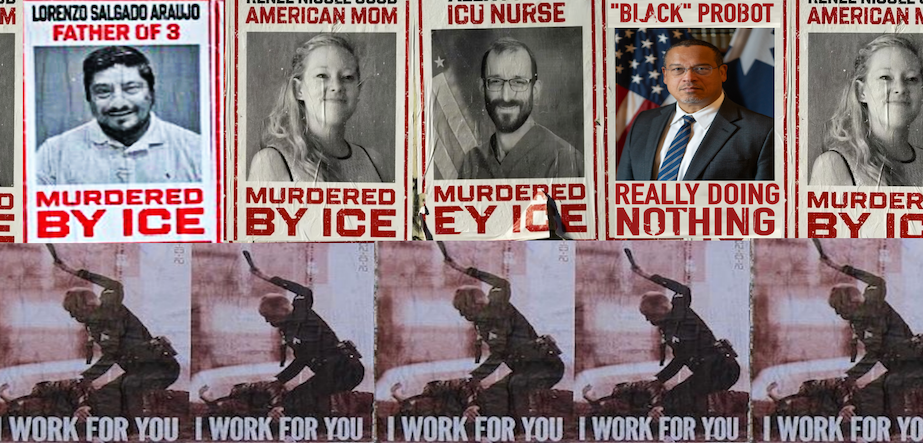
Black Robo-Bot and Strawboss says White Chicago Cop Might Get Fired for Murdering Black Man. Shot Him in the Back as He Scaled a Gate and Then Taunted Onlookers

strawboss chicago.jpg
granton+murder+by+cops.jpeg

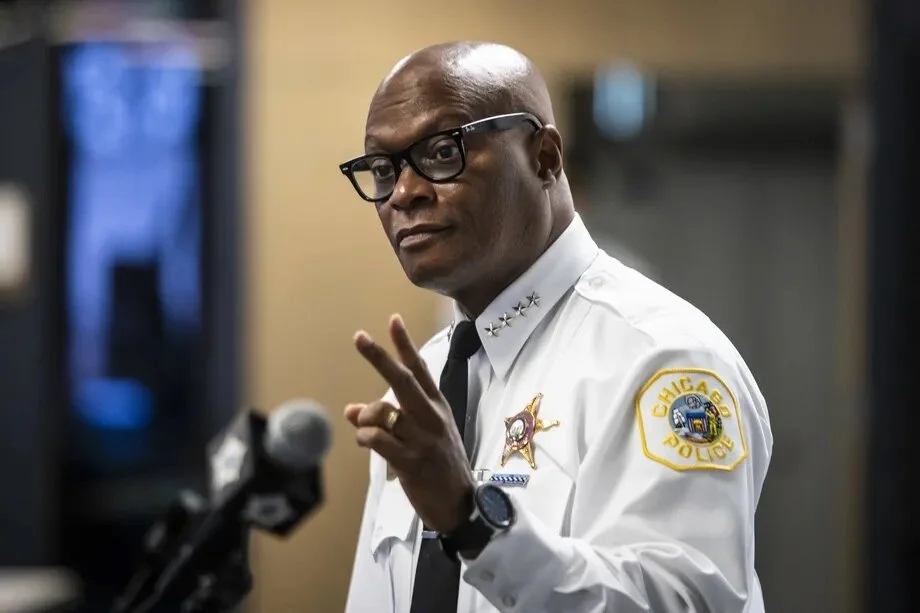
From [HERE] Chicago’s top cop has moved to fire an officer who fatally shot an apparently unarmed man during a 2018 foot chase on the South Side.

Officer Sheldon Thrasher used unnecessary force when he shot and killed Maurice Granton Jr. in Bronzeville, according to the recommendation Supt. David Brown submitted to the Chicago Police Board on Friday.

An evidentiary hearing will be held in the case before the officer’s fate is ultimately decided by the seven-member police board.

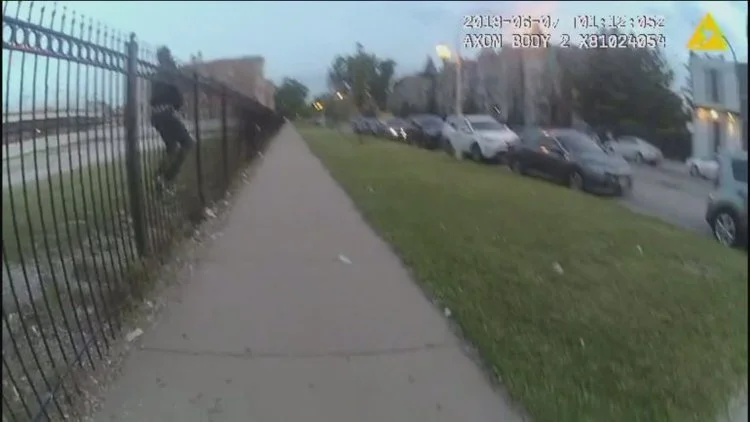
Thrasher shot Granton, 24, in the back on June 6, 2018 as he tried to jump over a fence in a vacant lot during a foot chase with police in the 4700 block of South Prairie Avenue.

Police body-cam video of the shooting appeared to show Granton without a gun as he grabbed the fence with both hands, the Sun-Times previously reported.

As Granton laid on the ground bleeding, onlookers gathered and began yelling at police.

“You see your homie right there? You see your homie shot . . . Get back, get back,” Thrasher allegedly told people in the crowd, according to police records.

Brown found that Thrasher violated police rules that prohibit “engaging in an unjustified verbal or physical altercation with any person” and “incompetency or inefficiency in the performance of duty,” the documents show.

Thrasher’s use of force “was not necessary to prevent death or great bodily harm from an imminent threat posed to him or another person,” Brown wrote.

The superintendent also said Thrasher didn’t activate his body-worn camera in a “timely manner.”

Granton’s family filed a wrongful death lawsuit a month after the shooting, alleging Granton didn’t pose an imminent threat to police and disputing a police statement that an “armed confrontation” led to the shooting.

Antonio Romanucci, a lawyer for the Granton family, said he agreed with Brown’s recommendation.

“The legal team representing the estate of Maurice Granton, Jr. has long believed that Officer Thrasher should have his badge taken away for this completely unnecessary shooting death,” Romanucci said in a statement. “The officer’s decision making that evening had tragic consequences and we will press for justice in the upcoming civil case so there can be accountability for this family that continues to grieve three years after that heartbreaking night.”

After You've Made Someone Your Master Can You Still Control Them? Gullible Reformers in Cleveland Push for an Oversight Panel w/the Power to Fire Bad Cops [while good cops remain uncontrollable]

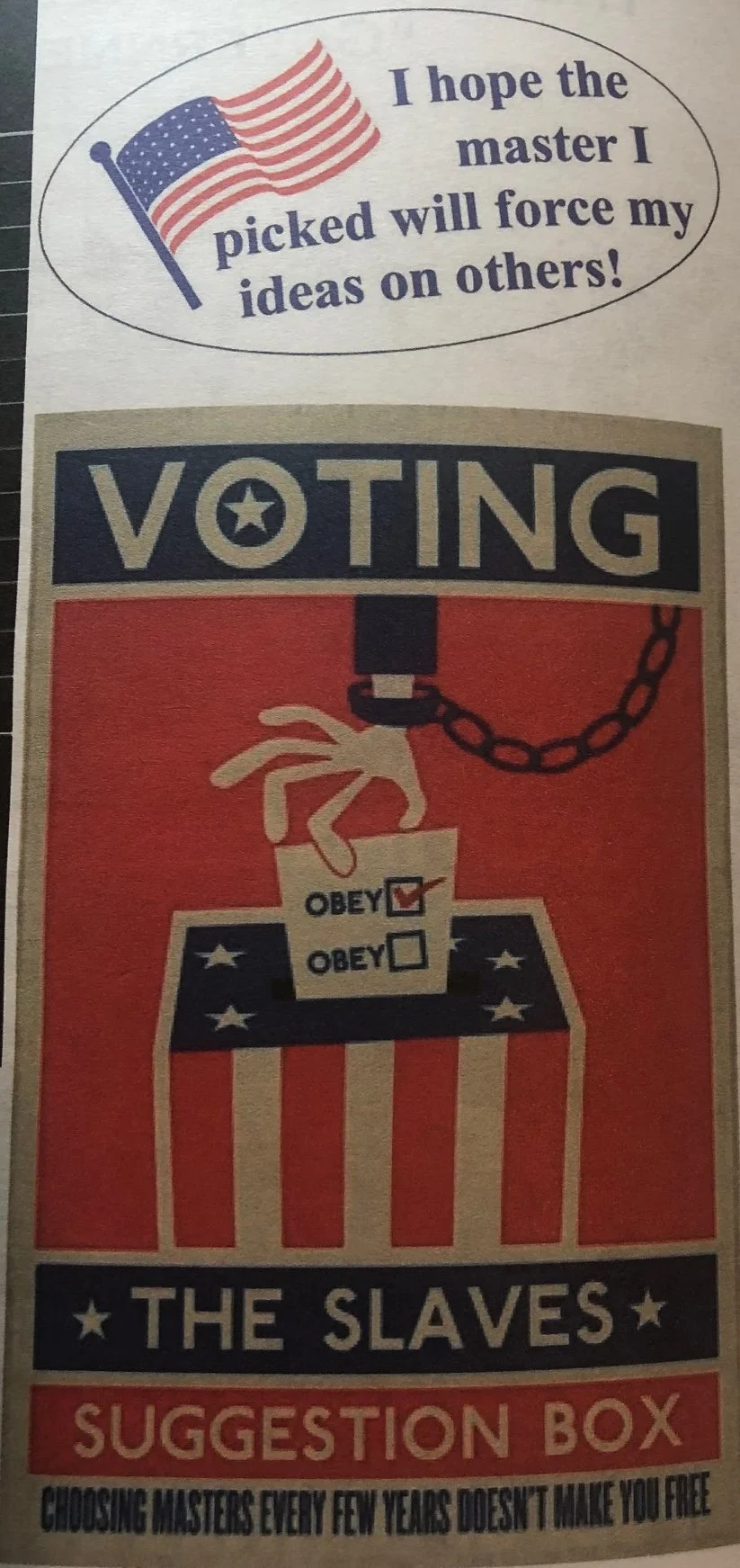
Did we delegate our power to our servants, to make them our masters? If a “public servant," such as a police officer, is uncontrollable, unaccountable, can’t be hired or fired by you, has irresponsible power over you and provides a compulsory “service” then he is actually your Master. Lysander Spooner, explained “It is of no importance that I appointed him, and put all power in his hands. If I made him uncontrollable by me, and irresponsible to me, he is no longer my servant, agent, attorney, or representative. If I gave him absolute, irresponsible power over my property, I gave him the property. If I gave him absolute, irresponsible power over myself, I made him my master, and gave myself to him as a slave. And it is of no importance whether I called him master or servant, agent or owner.

Did we delegate our power to our servants, to make them our masters? If a “public servant," such as a police officer, is uncontrollable, unaccountable, can’t be hired or fired by you, has irresponsible power over you and provides a compulsory “service” then he is actually your Master. Lysander Spooner, explained “It is of no importance that I appointed him, and put all power in his hands. If I made him uncontrollable by me, and irresponsible to me, he is no longer my servant, agent, attorney, or representative. If I gave him absolute, irresponsible power over my property, I gave him the property. If I gave him absolute, irresponsible power over myself, I made him my master, and gave myself to him as a slave. And it is of no importance whether I called him master or servant, agent or owner.

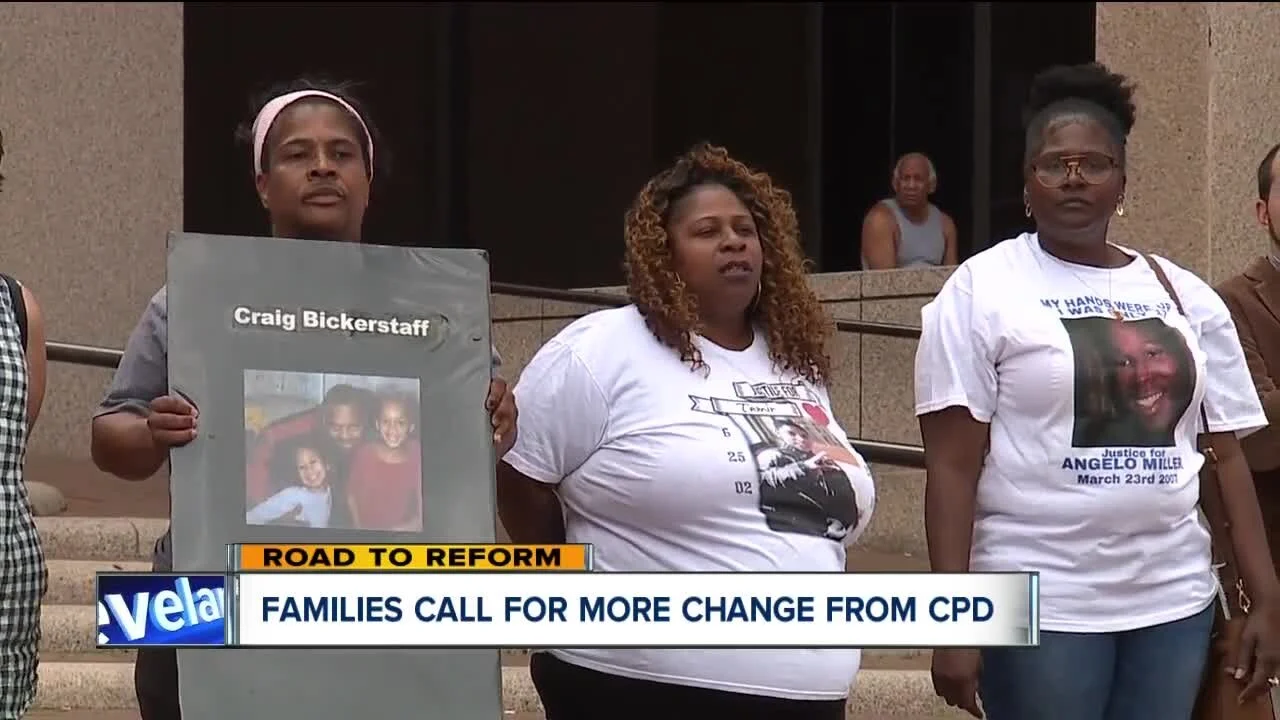
From [HERE] There was a time when Brenda Bickerstaff believed the Justice Department could fix this city's police department.

When Bickerstaff's brother was shot and killed by police in January 2002, the Cleveland Division of Police was already under federal investigation, and officials had interviewed her as part of the probe. She remembers thinking she had found the people who were going to help her family get justice.

But 20 years and two federal probes later, Bickerstaff thinks it's time for residents to take the lead in transforming the only police department in the nation that has entered into federal oversight twice.

She is now part of a group of Black women pushing a reform effort that includes, among other things, a November ballot initiative for a civilian oversight panel that would have the authority to fire problem officers.

“We have to understand the Department of Justice is not our savior,” Bickerstaff said. “The people of Cleveland have to take charge of this reform. If we want this reform to work, if we want to have the relationship that the police and the community is supposed to have with one another, we have to take charge of it.”

Police shootings continue daily, despite a pandemic, protests and pushes for reform

While cities nationwide have struggled with police killings, Cleveland’s record is particularly stark. Since 2000, 48 people have been killed by Cleveland police officers. In August 2000, the Justice Department launched an investigation of the department and examined a number of shootings and other police use-of-force cases from 1998 to 2000.

The probe, which found patterns of spotty investigations of police use-of-force cases and officers unnecessarily escalating violent situations, ended with the city entering into a voluntary agreement to revise its use-of-force policy, expand training, and commit to a more thorough review process for police shootings.

That agreement ended in March 2005. In September of that year, 15-year-old Brandon McCloud was shot 10 times in the bedroom of his home by detectives searching for evidence in the armed robbery of a pizza deliveryman. Police said that McCloud came at them with a knife. His death, and the deaths of four others between March of 2004 and December of 2005, led to the appointment of a special prosecutor, who eventually determined that all the shootings were justified. [MORE]

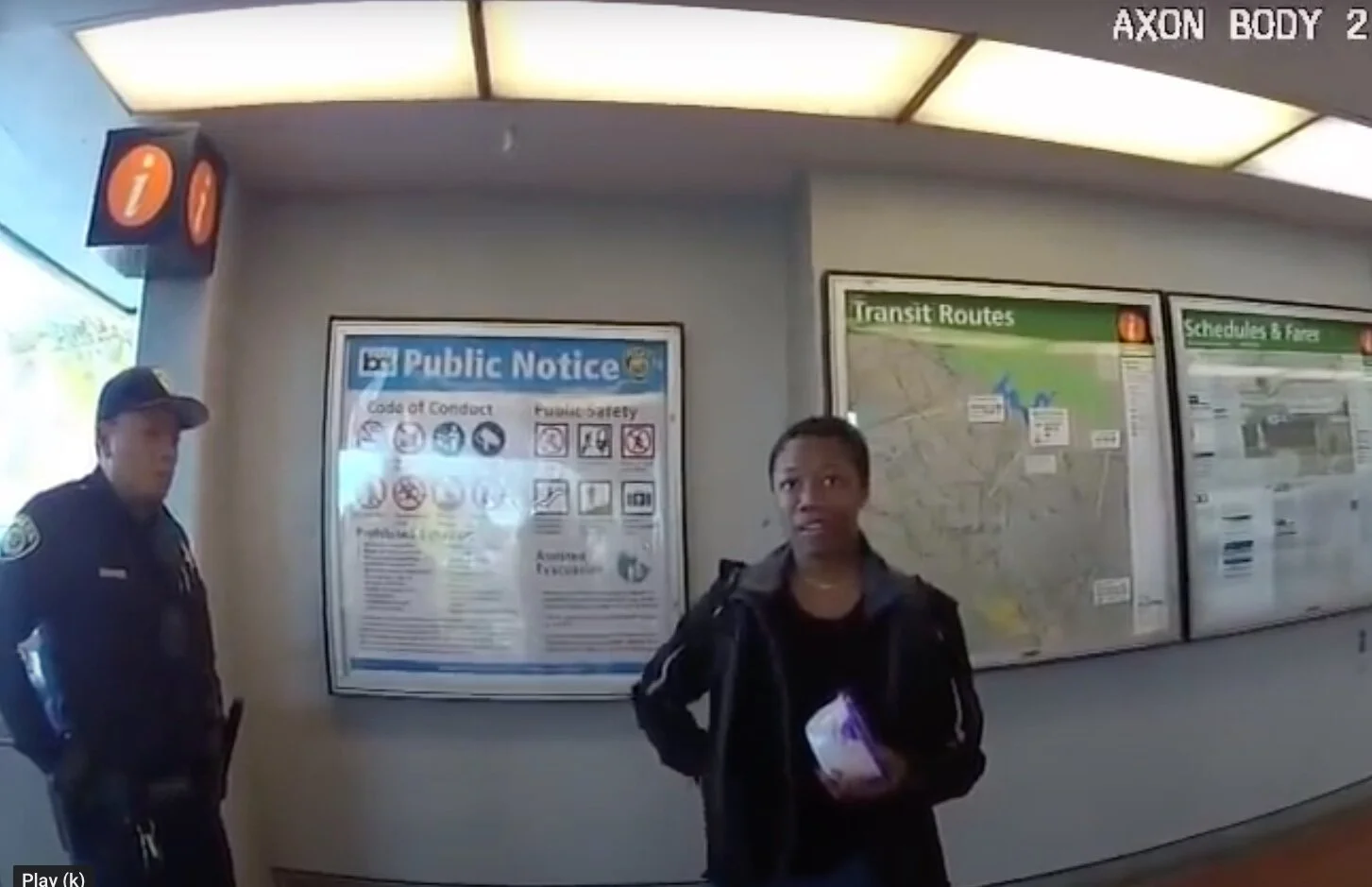
How Much Force is Too Much in a Legal System where All Laws/Commands are Backed by the Threat of Violence? Black Woman Sues BART Cops who Assaulted Her Over $3 Fare Evasion and Disobedience to Orders

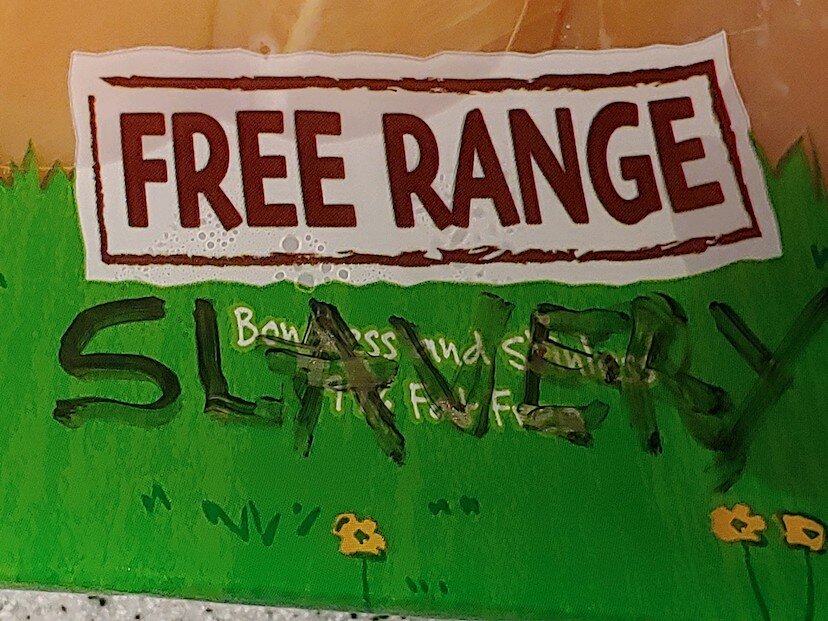
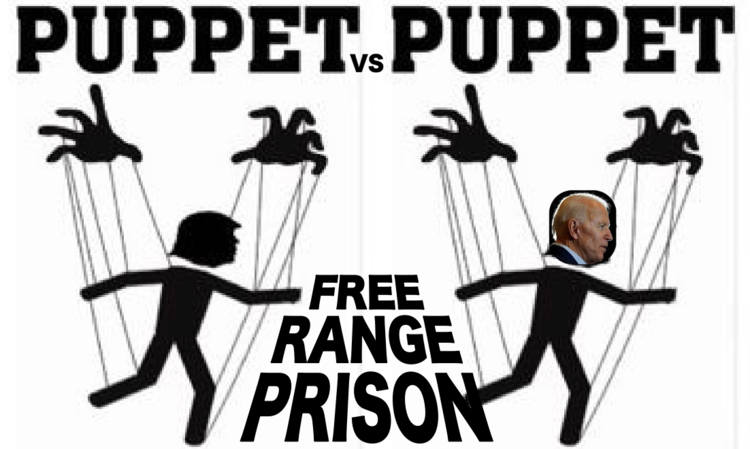
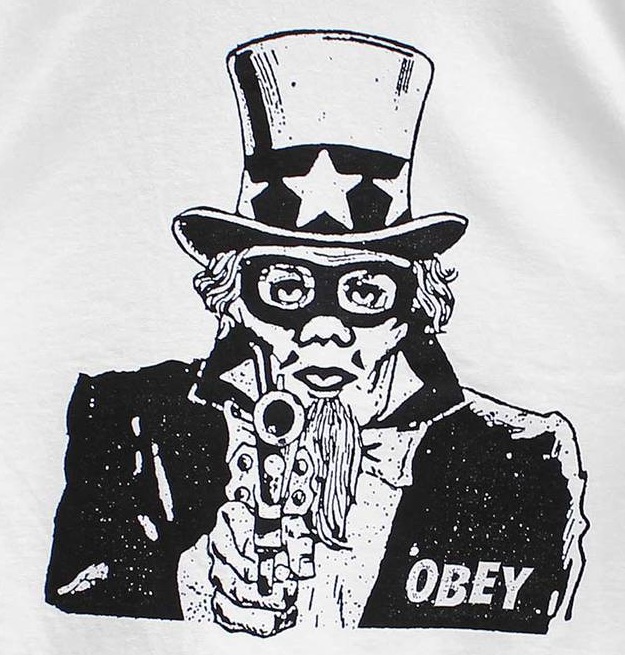
THERE ARE ONLY FALSE CHOICES IN THE FREE RANGE PRISON; OBEY AUTHORITY OR BE PLACED IN GREATER CONFINEMENT IS THE REALITY

THERE ARE ONLY FALSE CHOICES IN THE FREE RANGE PRISON; OBEY AUTHORITY OR BE PLACED IN GREATER CONFINEMENT IS THE REALITY

From [HERE] A Black woman has filed a civil rights lawsuit over a December 31, 2019 incident in which she was forcibly detained and bloodied by BART police officers over fare evasion at San Leandro's Bayfair Station.

24-year-old SaTae'zja Devereaux admits that she skipped paying her BART fare on that day twenty months ago. But she and her attorney, Adante Pointer, say that a $3.60 infraction should not have led to such a brutal incident — and they have now released BART Police body camera footage showing how it went down, which they gave to KTVU.

In the video, we see three officers — Brian Lucas, now a sergeant, Karl Carpio, and Casey Tyler — approach Devereaux as she tries to exit the station. She looks for her BART ticket but says she can't find it, and one of the officers says that they saw her slide through a turnstile behind someone else.

Devereaux offers to pay the fare, but one officer says, "That's not the way this works," and asks her to give her ID to one of the other officers, telling her she is being detained and is not free to leave.

"Either give the officer your ID, or you will be placed in handcuffs and we will decide whether or not you are going to jail," the officer says.

Devereaux continues to ask, "Why can't I just pay for it?" and refuses to show her ID, after which the officers move to physically detain her.

The video then shows cops attack Devereaux and show her on the ground with blood on her face. The lawsuit claims that Lucas struck her twice in the face.

Devereaux was jailed by BART police and charged with resisting arrest and fare evasion, though those charges were ultimately dropped.

She tells KTVU that she would have ultimately shown the officers her ID, but she wanted to know whether that would prevent them from taking her to jail. "I did not want to go to jail," she says. "I know that sounds super backwards. But in my mind, if I give them my information, I was going to jail anyway.”

Neuropeon Wearing Body Armor at Trump Rally Came Ready to Kill Blacks. After Pleading Guilty to Lesser Felony White Man is Sentenced Up to 10 Years For Firing a Gun Into a Carful of Black Teen Girls

From [HERE] A white man supporter has been sentenced to up to 10 years in prison for shooting into a car full of Black teenage girls after attending a rally for then-President Donald Trump

The Associated Press reports that Michael McKinney, 26, pleaded guilty in June to intimidation with a dangerous weapon and willful injury resulting from his actions. The shooting took place on 6 December near Des Moines, Iowa, and injured one of the girls in the car. 

Police said the girls and the rally-goers were yelling insults at each other. A witness to the events told The Des Moines Register that the girls were accusing the rally-goers of being white supremacists, and the rally-goers were asking them if they were on welfare. At one point the girls' car was surrounded by Trump supporters. The girls attempted to back up, but hit a pickup truck. 

Once the car hit the truck, McKinney, who is a veteran of the US Army and who had been wearing body armor and carrying several guns on him at the time, shot into the car. He hit a 15-year-old girl in the leg. The girl was standing up outside of the car's sunroof when she was wounded. 

Polk County prosecutor Olu Salami said on Friday that the girl's position during the shooting may have saved her life.

“Had she been seated, rather than standing, she could have been 16 and forever remained 16, had she been struck,” he said. 

The body armor clad war veteran told police that he felt threatened by the teenage girls in the car, so he shot at them. 

According to The Des Moines Register, the girl who was hit said she believed she was going to die that day and feared that her wounds would leave her unable to walk.

The Police [all white] did not assert racial motives to the shooter. White officers claim the incident grew out of a traffic argument.

The rally's sponsor was the Women for America First, a pro-Trump group that would later go on to host the 6 January rally in Washington DC that preceded the Capitol riot. On the night of the shooting, the rally was held to further Mr Trump's fraudulent claims that the 2020 election had been stolen. MyPillow CEO Mike Lindell was among the speakers.

Trump supporters were upset after McKinney was charged. They argued that the veteran shooting his gun into a car full of teenage girls protected other rally attendees. They pointed out that McKinney frequently attended “Back the Blue” rallies to support police officers. 

Mr McKinney will serve two 10 year terms concurrently while in prison. The judge gave McKinney the break because he had no criminal history and was honorably discharged from the military. 

Can Kroger be Held Accountable after a White Security Guard Fatally Shot a Black Man? Unlike Cops Private Security Have No Immunity, No Right to Initiate Unprovoked Violence and Can Actually be Fired

krogers guard.jpg

From [HERE] The killing of a Black man named Alvin Motley at a Kroger gas station in Memphis is drawing attention from prominent national civil rights attorneys and organizations and the slain man's family members told reporters Tuesday that Motley was nearly blind, unarmed and not a threat, our Daniel Connolly, Samuel Hardiman and Micaela Watts report.

A security guard is accused of arguing with the 48-year-old Motley over loud music, then fatally shooting him. Attorneys working with the family said they want immediate civil settlement negotiations with grocery giant Kroger and a third-party company who employed the security guard. [MORE]

Surveillance video showed Motley, holding a beer can and lit cigarette, walking toward the White guard. “Let’s talk like men,” Motley said, according to what his girlfriend told officers.

A shot rang out, and Motley fell to the ground. The 48-year-old was pronounced dead at the scene.

Civil rights attorney Ben Crump announced Tuesday he will take on the case. It is not yet clear what company hired Livingston and could bear the liability for his actions. Kroger and a security company the grocer uses both say Livingston was hired by third-party contractors.

Crump implored Kroger to use its influence to “make this right” and hire security guards who don’t “don’t profile Black people and kill them for playing music.”

“If we don’t hear from you, we will be calling for people to boycott Kroger over the unjustified killing of Alvin Motley,” he said at the news conference.

It’s unclear which company initially hired Livingston.

A large security company called Allied Universal, which contracts with Kroger, told the Commercial Appeal it didn’t hire Livingston. He was hired by one of the company’s subcontractors, a spokesperson said.

Allied Universal said it has terminated all business with the third-party contractor, though it did not name the contractor.

Kroger, in a statement, said: “We ask all third-party contractors to respect and honor our core values which include respect, diversity, and inclusion.”

Crump said that as Livingston was a representative of Kroger, the supermarket chain should take responsibility.

“The safety of your customers is a non-delegable duty,” he said.

Massa'Bator Cory Booker Gave a Sarcastic Speech Denouncing "Defund the Police" b/c Replacing Cops w/Private Security who are Accountable, Controllable, Hirable and Fireable by Citizens is a Crazy Idea

WHY CAN’T POLICE BE PRIVATIZED? “DEFUND THE POLICE” IS REALLY JUST A MEANINGLESS SLOGAN ON A SIGN. AT BEST IT IS AN ILL CONCEIVED PLAN TO SOMEHOW STOP POLICE BRUTALITY BY GIVING THE POLICE SMALLER BUDGETS. BUT HAVING LESS MONEY WILL HAVE no effect on authority, which is the problem AND THEREFORE could never STOP UNCONTROLLABLE POLICE FROM INITIATING, UNPROVOKED VIOLENCE ON PEOPLE OR INTERFERING WITH THEIR RIGHTS WHENEVER THEY DEEM IT NECESSARY. HOWEVER, “Defund cops” could simply mean community hired and fired trained PRIVATE security workers who have a contractual duty to aid people in peril and a natural right to come to the defense of others but who have no right to initiate unprovoked acts of violence on people. UNDER SUCH A CIRCUMSTANCE, there would be no need for a police department. If a “public servant," such as a police officer, is uncontrollable, unaccountable, can’t be hired or fired by you, has irresponsible power over you and provides a compulsory “service” then he is actually your Master. [MORE]

WHY CAN’T POLICE BE PRIVATIZED? “DEFUND THE POLICE” IS REALLY JUST A MEANINGLESS SLOGAN ON A SIGN. AT BEST IT IS AN ILL CONCEIVED PLAN TO SOMEHOW STOP POLICE BRUTALITY BY GIVING THE POLICE SMALLER BUDGETS. BUT HAVING LESS MONEY WILL HAVE no effect on authority, which is the problem AND THEREFORE could never STOP UNCONTROLLABLE POLICE FROM INITIATING, UNPROVOKED VIOLENCE ON PEOPLE OR INTERFERING WITH THEIR RIGHTS WHENEVER THEY DEEM IT NECESSARY. HOWEVER, “Defund cops” could simply mean community hired and fired trained PRIVATE security workers who have a contractual duty to aid people in peril and a natural right to come to the defense of others but who have no right to initiate unprovoked acts of violence on people. UNDER SUCH A CIRCUMSTANCE, there would be no need for a police department.

If a “public servant," such as a police officer, is uncontrollable, unaccountable, can’t be hired or fired by you, has irresponsible power over you and provides a compulsory “service” then he is actually your Master. [MORE]

From [HERE] Senator Cory Booker (D-New York), a vocal proponent of criminal justice reform in the US, has rubbed some people the wrong way with a sarcasm-dripping endorsement of a measure against defunding the police.

Booker delivered an impassioned short speech on the Senate floor on Tuesday as the chamber worked through a grueling 13-hour vote-a-rama on hundreds of proposed amendments to the bipartisan infrastructure bill. He offered a full-throated backing to a “gift” of a proposal to “establish a deficit-neutral reserve fund relating to decreasing federal funding for local jurisdictions that defund the police.”

“If it wasn’t [a] complete abdication of Senate procedures and esteem I would walk over there and hug my colleague from Alabama,” Booker said, referring to the Republican author of the amendment, Senator Tommy Tuberville, who had the floor right before him.

“Thank God, because there are some people who’ve said that there are members of this deliberative body that want to defund the police, to my horror,” the senator from New Jersey continued, saying that a vote on Tuberville’s proposal will “put to bed this scurrilous accusation.”

I would ask unanimous consent to add something else to this obvious bill. Can we add also that every senator here wants us to fund the police, believe in God, country, and apple pie?

His call for unanimity was apparently heard, as all 99 present senators voted to pass the amendment.

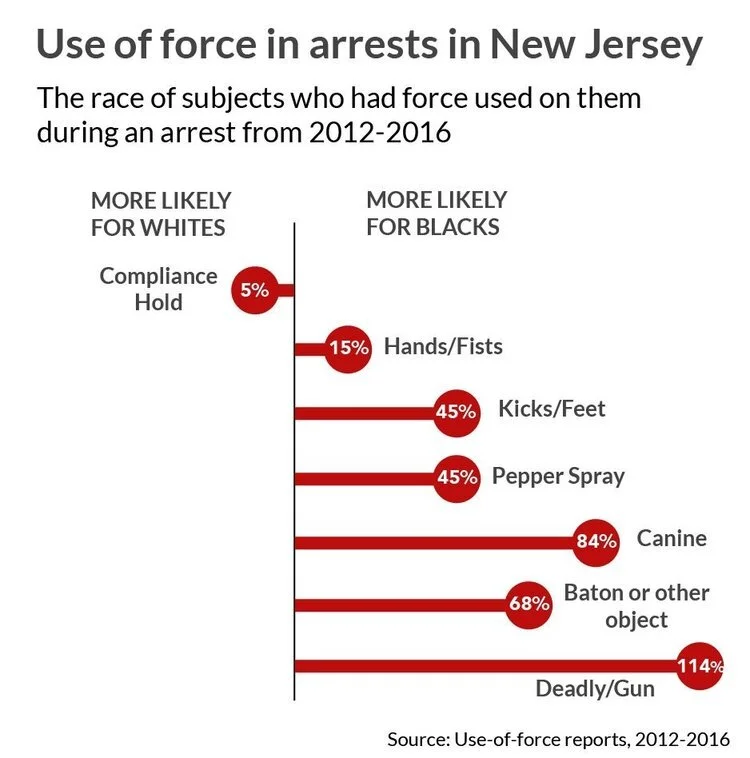
Booker was never a fan of the slogan but is a vocal advocate of reforming the criminal justice system, including by reducing the role of the police in things like responding to mental health emergencies. Many supporters of the slogan call for the same things. Meanwhile proof of a white over black police state exists in New Jersey, the state he represents. [MORE]

NJ+POLICE+STATE+.jpg

Justice Charade in the Lex-icon [law as image]: In Cleveland a Black woman was sentenced to 18 Months for Stealing $40K from a School while a White Woman who stole $250K from Gov Utility Got Probation

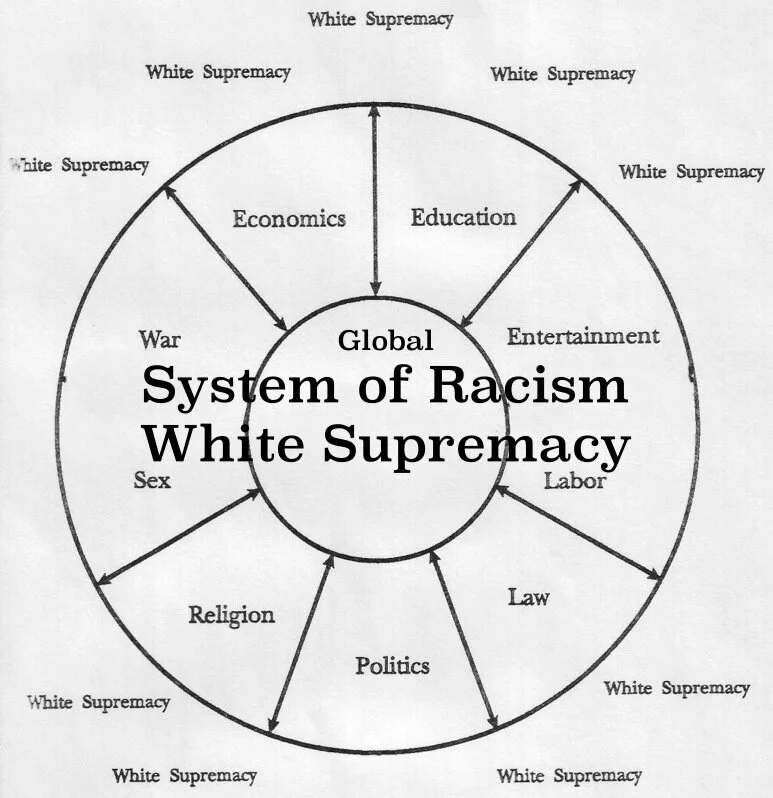
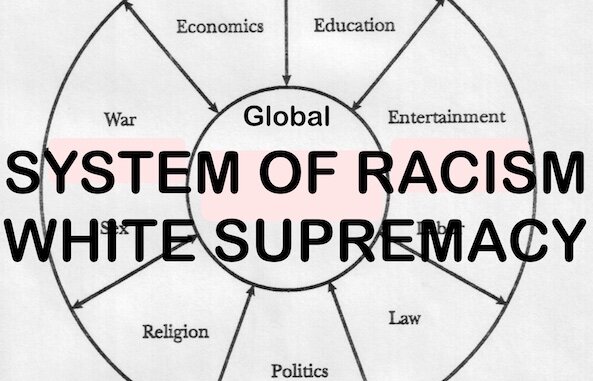
SYSTEM OF INJUSTICE  = THE SYSTEM OF RACISM WHITE SUPREMACY.

SYSTEM OF INJUSTICE = THE SYSTEM OF RACISM WHITE SUPREMACY.

In Ohio, Black residents are imprisoned at six times the rate of white residents. From [HERE] Last week in Cleveland, Karla Hopkins, a Black woman, was sentenced to 18 months in prison for stealing $40,000 from Maple Heights High School, while Debbie Bosworth, a white woman who stole nearly $250,000 from the village of Chagrin Falls, was sentenced to probation. The disparity in the sentences two women received for embezzling public money has damaged the credibility of the legal system and renewed calls for reforms to address racially disparate sentencing, The Plain Dealer reports.

Debbie Bosworth

Debbie Bosworth stole more than $248,000 over 20 years while working as a clerk in the Chagrin Falls village utilities and building departments. She took cash from residents’ utility payments and moved money from one department to the other to cover it up.

When she was found out in 2019, she resigned and hired a prominent defense attorney. She pleaded no contest to 22 counts of theft in office, tampering with records, and money laundering, and was found guilty.

Assistant Cuyahoga County Prosecutor Ed Brydle asked the judge to sentence Ms. Bosworth to prison. “We feel that is the only appropriate sentence for a public official who steals a quarter of a million dollars, regardless of whether she’s paid it back or not,” he said. She faced a maximum sentence of three years.

But after Ms. Bosworth wrote a check for $100,000 and agreed to forfeit more than $200,000 in her public employee pension, Cuyahoga County Common Pleas Judge Hollie Gallagher sentenced her to probation, saying she didn’t deserve to go to prison because she had repaid what she stole.

Cuyahoga County Prosecutor Michael O’Malley told The Plain Dealer that he “respectfully disagreed” with the judge’s decision. “There has to be punishment beyond restitution or you’re just encouraging public employees to steal,” he said.

Karla Hopkins

Karla Hopkins, a secretary and executive assistant at Maple Heights High School, was indicted in May 2020 on a single count of third-degree theft in office after she kept $42,000 out of more than $71,000 in dues and fees collected for the year.

She began taking the money while dealing with mental health issues and a gambling addition, her attorney said. She was fired, but by the time of her sentencing hearing, she had completed an in-patient treatment program, found a new job, and paid $5,000 in restitution, The Plain Dealer reported.

The prosecutor asked for a prison sentence between nine and 12 months. But Judge Rick Bell sentenced Ms. Hopkins to 18 months in prison.

Calls for Change

In Ohio, Black residents are imprisoned at six times the rate of white residents, according to the Sentencing Project. And nationwide, the U.S. Sentencing Commission reported that Black men receive sentences on average 19% longer than similarly situated white men.

In Cleveland, leaders of Black faith organizations, labor organizations, current and former judges, and social justice groups said the disparate sentences undermined the community’s faith in the legal system and underscored the need for statewide sentencing reform.

“I think it reinforces the lack of trust in the justice system,” Danielle Sydnor, president of the Cleveland Branch of the NAACP, told The Plain Dealer. “These types of things are the way the system was designed, and they will continue to happen if we don’t have large-scale reform.”

Specifically, the cases have renewed calls for Cuyahoga County judges to join a public statewide sentencing database constructed by the Ohio Supreme Court.

The database project stems from a 1999 report from the Commission on Racial Fairness, which found that Ohio judges sentenced Black people to prison and to death at a “grossly disproportionate rate” compared to white defendants. The commission called for sentencing data to be collected and reported to determine the reasons for the disparity.

In 2020, current Supreme Court Chief Justice Maureen O’Connor led an effort to create the Ohio Sentencing Data Platform to collect and analyze sentencing data from all 88 county criminal courts statewide.

So far, only 10 of the 34 judges on the Cuyahoga County Common Pleas Court have said they will participate in the program.

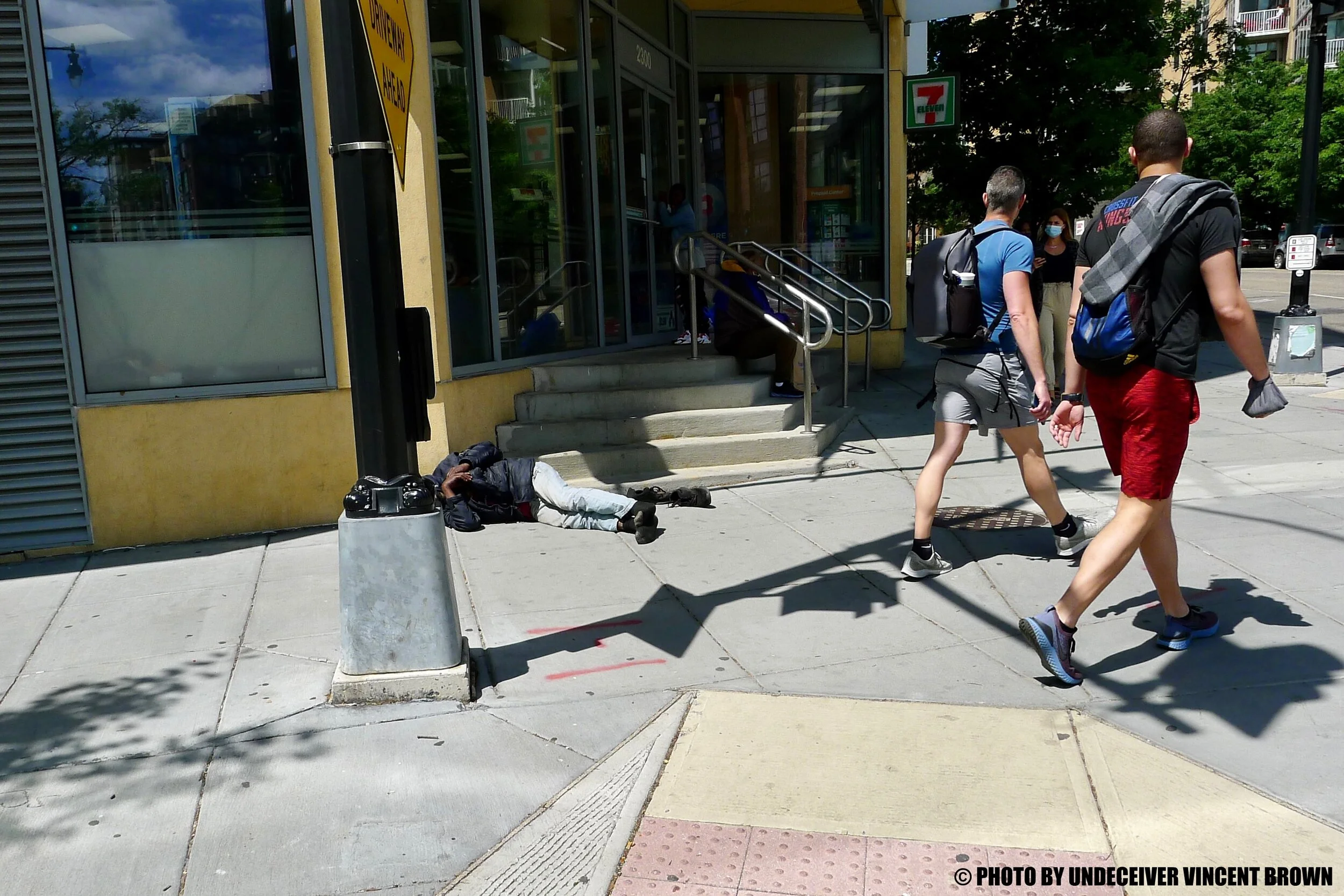
Still No Legal Defense for Failure to Pay Yurugu’s Rent: Many Courts Claim Confusion Over the Eviction Extension, So They Choose to Evict Mostly Non-White Tenants on Behalf of Mostly White Landlords

KV 9 L1010380.jpg

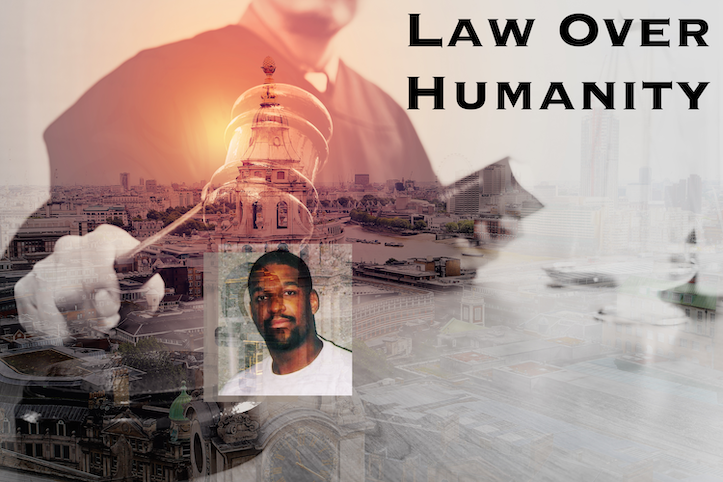
IF THERE IS A CONFLICT BETWEEN LAW AND HUMANITY OR BLACK AND WHITE THEN LAW AND/OR WHITE MUST PREVAIL IN THE LEX-ICON [but the procedures will look “fair”] From [HERE] Inside Courtroom 8A of Las Vegas Justice Court last week, the benches were packed with renters and landlords battling over evictions that continued at a brisk pace despite a last minute, two-month extension of the federal protections meant to keep people in their homes.

Vanessa Merryman, 41, was among the tenants ordered to leave her apartment. “I have never been homeless in my life,” she said through tears, slouched on a metal bench outside the courtroom as the scorching Las Vegas sun beat through the windows. She was shellshocked that the court session that upended her life lasted all of 15 minutes. “I do not know what I am going to do,” she said. “It is really scary.”

The federal moratorium on evictions — combined with billions of dollars in rent subsidies — was supposed to avert the scenario of millions of Americans being turned out of their homes after they lost their jobs during the pandemic and were unable to afford their rent.

Yet despite these efforts, many local governments and courts were not sure how to apply the extension, and desperate tenants continued to flood local government websites seeking rental assistance that was usually slow in coming.

“The lay of the land has been confusing at every level, not just to tenants, but also to landlords, court personnel and judges,” said Dana Karni, manager of the Eviction Right to Counsel Project in Houston. 

In extending the moratorium last week, the Biden administration hinged it to high local coronavirus infection rates — the idea being that protection was warranted in areas where the virus was surging. Clark County, including Las Vegas, was among hundreds of counties that meet the criterion for high infection rates, but the federal Centers for Disease Control and Prevention guidelines gave some leeway to judges to instead apply state laws, which at times allowed for evictions.

“While the extension of C.D.C. protections is much needed, the confusion that surrounds its existence waters down its impact,” Ms. Karni said.

For many tenants, it was too late anyway. With state moratoriums expiring and the expectation that the federal guidelines would be gone soon, court dockets like those in Las Vegas overflowed with eviction cases. Tenants had to actively file for protection under the C.D.C. measures, but many of them were unaware of that. And as eviction proceedings rolled forward, some landlords won, citing reasons other than nonpayment of rent for seeking to remove tenants.

More than 1.4 million Americans expect to be evicted in the next two months, according to a survey completed by the U.S. Census Bureau in early July. For another 2.2 million people, the prospect is “somewhat likely.”

The areas bracing for the hardest hits are in high-population, high-rent states such as California, New Jersey, New York, Pennsylvania and Texas, along with other states across the South including Florida, Georgia and South Carolina.

Organizations that advise low-income tenants from Atlanta to Houston to Las Vegas all said that they feared the fallout. “The volume is unlike anything we have ever seen before,” said Bailey Bortolin, the statewide policy director for the Nevada Coalition of Legal Service Providers.

The moratorium is intended to help states buy time to distribute the aid. Congress allocated some $47 billion in rental assistance, but just $3 billion had been distributed by June, according to the Treasury Department. Many county governments, the branch usually designated to process applications, are straining to build systems from scratch to distribute the money even while the tempo of evictions increases.

Georgia has paid out just over $16 million from $989 million in federal rental assistance funds. Florida got $871 million, but has only disbursed $23.2 million. 

In Clark County, home to most of Nevada’s population, the CARES Housing Assistance Program has distributed more than $162 million in rent, utilities and mortgage payments to more than 29,500 households since July 2020, but that’s still less than half the state’s full allocation.

Around 50,000 people are behind on rent and could face eviction in Clark County, where the state moratorium expired on June 1, said Justin Jones, a county commissioner.

“It would be devastating if we have that number of people evicted from their homes in the near future,” he said. “The reality is that we do not have anywhere for them to go.” Thousands of homeless people already crowd downtown Las Vegas and elsewhere in the county.

After the state moratorium expired, Nevada implemented a new law pausing evictions so long as the tenant had an application for rental assistance pending.

At the Las Vegas Justice Court, the largest of some 40 courts hearing eviction cases in Nevada, Hearing Master David F. Brown did not allow for much wriggle room. If tenants showed proof that they had applied for rental assistance, they could stay in their homes. If not, or if they had more than a year of late payments, the maximum amount covered by the assistance program, they were usually forced out. Nevada judges tended to emphasize state laws rather than the C.D.C. guidelines.

Dejonae King, 33, held back tears after she lost her eviction appeal. Ms. King was laid off from Walgreens and has been without a job for most of the pandemic. She had not paid the $253 weekly rent on her one-bedroom apartment since July 2020. “I thought the rules would protect me,” she said.

Ms. Merryman had managed to pay $10,000 in rent from government subsidies last year, but she lost her business and her boyfriend’s lengthy struggle with Covid interrupted her efforts to apply for more. It took her four months to reset her lost password for the website to apply for government payments.

Meanwhile, many landlords are caught in a vicious cycle, constantly in court but never quite made whole, said Susy Vasquez, executive director of the Nevada State Apartment Association, the largest organization for landlords. [MORE]

Alabama Appeals Court [an All White Bench] Reverses Lower Court Ruling and Restores Black Man’s Death Sentence in Case in which 10 of 12 Jurors Voted for Life

The Alabama Court of Criminal Appeals: Presiding Judge Mary B. Windom and Judges J. Elizabeth Kellum, J. Chris McCool, J. William Cole and Richard J. Minor.

The Alabama Court of Criminal Appeals: Presiding Judge Mary B. Windom and Judges J. Elizabeth Kellum, J. Chris McCool, J. William Cole and Richard J. Minor.

From [HERE] The Alabama Court of Criminal Appeals (CCA) has reversed a lower court ruling and ordered the court to reinstate the death penalty against a Birmingham man whose trial judge had sentenced him to death even though the jury had voted 10-2 to recommend a life sentence.
With no judges dissenting, the appeals court on August 6, 2021 overturned a Jefferson County circuit court’s determination that Brandon Deon Mitchell should receive a new penalty phase hearing because of his trial counsel’s failure to present any mitigating evidence to the trial judge in final sentencing proceedings two months after the jury had overwhelmingly recommended that Mitchell receive a life sentence. The appeals court ruled that Alabama law at the time of the hearing in January 2007 did not permit counsel to present additional mitigating evidence to the judge and, given the jury’s 10-2 recommendation for life, there was no reasonable probability that additional evidence would have changed the outcome of the trial. 

Brandon-Mitchell-AL.jpeg

Mitchell was sentenced to death by Judge William Cole, who now serves on the Alabama Court of Criminal Appeals. In sentencing Mitchell to death, Cole said that the jury’s recommendation weighed heavily in Mitchell’s favor, but nevertheless concluded that “the jury really did not make the right decision.” He said he “hoped” that “the appellate courts will reweigh this decision” and said if the courts “do away with the override one day … , that won't hurt my feelings at all.” 

Alabama was the last U.S. state that allowed judges to override a jury’s recommendation for life, but in 2017 repealed the law that permitted the practice. Among his other claims, Mitchell challenged the constitutionality of judicial override and also argued that its repeal by the legislature should apply retroactively. Judge Cole recused himself from the case. The other four judges unanimously overturned the lower court’s grant of penalty-phase relief and upheld its ruling denying relief on the rest of Mitchell’s claims.